Many brands and distributors want to buy telescopic poles from China because of competitive pricing and large manufacturing capacity. However, sourcing the wrong supplier can lead to unstable quality, shipment delays, and costly product defects.
For products like pool poles, window cleaning poles, and fruit picking poles, structural strength, locking reliability, and aluminum quality directly affect product performance. A poorly sourced pole can bend, loosen, or corrode quickly.
This guide explains how professional buyers source telescopic poles from China, including supplier evaluation, product specification, quality control, and shipping logistics.
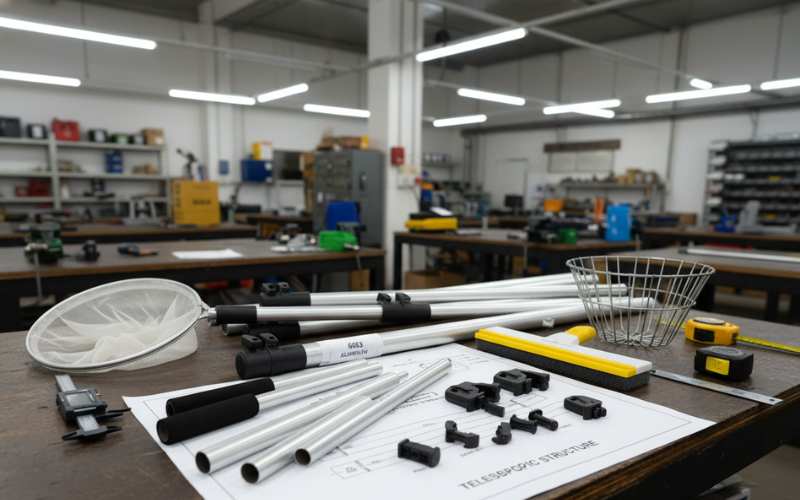
How to Source Telescopic Pole from China (Quick Answer)
To source telescopic poles from China, buyers should follow a structured procurement process:
- Define detailed product specifications
- Identify qualified telescopic pole manufacturers
- Evaluate factory production capability
- Request and test samples
- Confirm MOQ, price, and lead time
- Verify quality control and certifications
- Arrange international shipping and import documentation
Following these steps helps ensure stable supply and consistent product quality.
Why Many Buyers Source Telescopic Poles from China
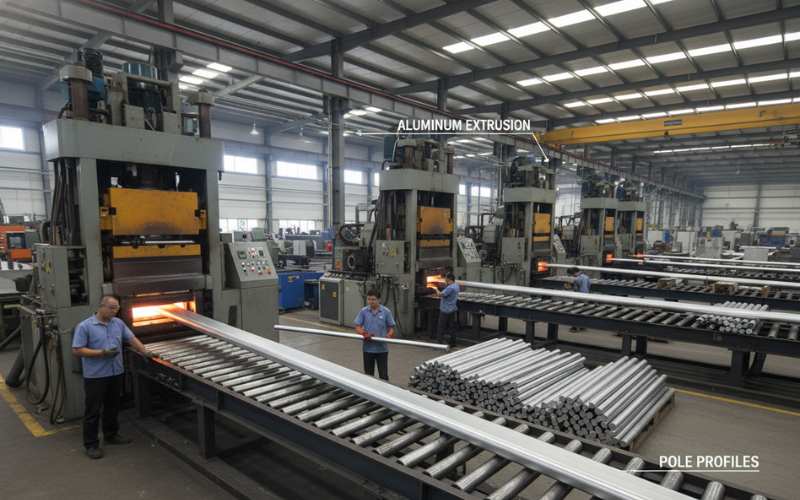
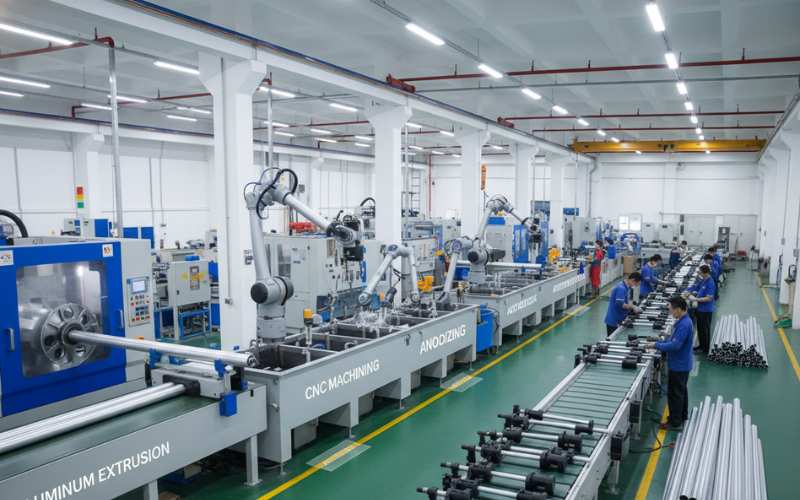
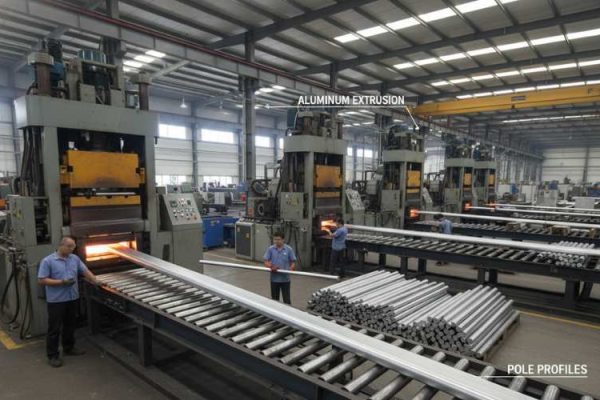
China has one of the most mature aluminum manufacturing supply chains in the world. Many telescopic pole factories integrate extrusion, surface treatment, and assembly into a single production process.
Key advantages include:
- Strong aluminum extrusion ecosystem supporting large-volume production
- Competitive manufacturing costs due to industrial clustering
- Flexible OEM customization options for brands
- Wide range of surface finishing options such as anodizing and sandblasting
For example, large manufacturers such as Xingyong operate multiple aluminum extrusion presses, anodizing production lines, and CNC processing equipment, allowing them to control both profile production and final assembly. Monthly aluminum production capacity can reach around 3000 tons, which supports large OEM orders and stable lead times. :contentReference[oaicite:0]{index=0}
China’s aluminum industry is also supported by global standards such as ISO 9001 quality management, ensuring consistent manufacturing processes.
Types of Telescopic Poles You Can Source
Telescopic poles are used in many industries. Understanding application differences helps buyers select the correct design.
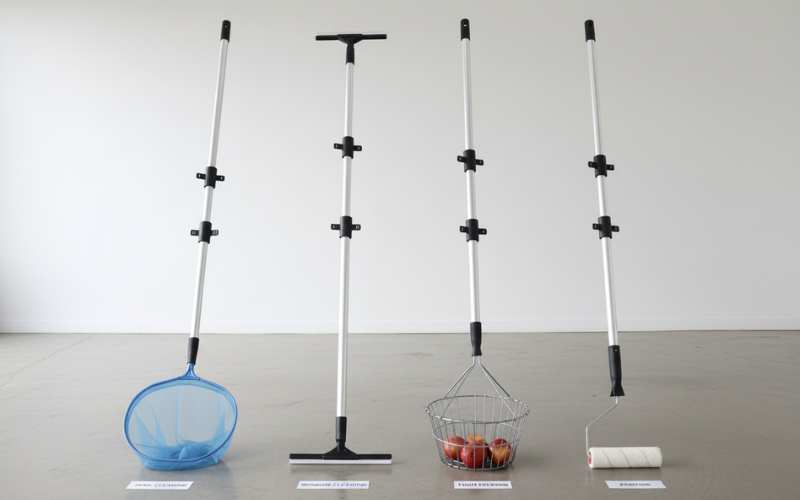
Telescopic Pole by Application
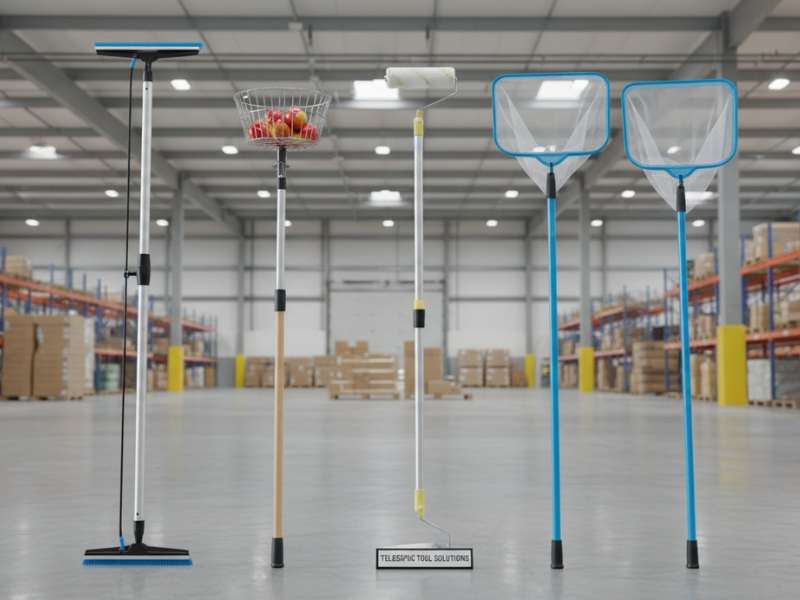
Common application categories include:
- Pool cleaning telescopic pole used for pool nets and brushes
- Window cleaning telescopic pole for high-rise glass cleaning
- Fruit picking telescopic pole used in orchards
- Painting extension pole for rollers and spray tools
- Solar panel cleaning pole used in photovoltaic maintenance
- Dusting telescopic pole for ceiling cleaning
Different applications require different pole diameters, wall thicknesses, and locking systems.
Telescopic Pole by Locking Mechanism
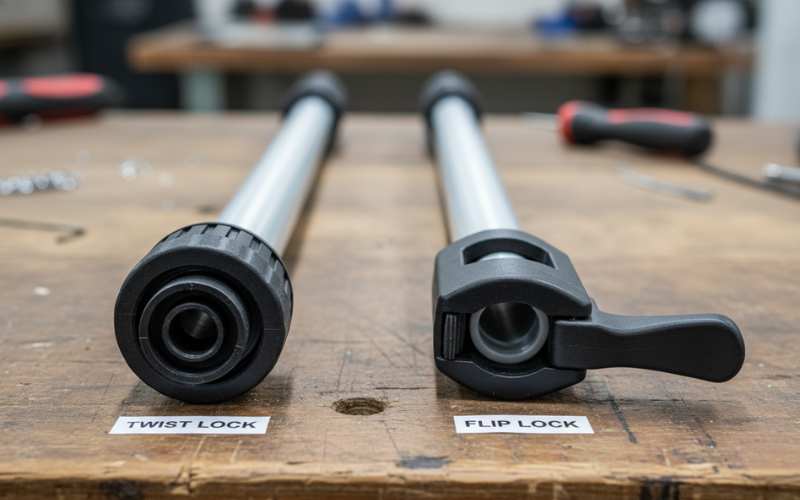
Two common locking structures are used in telescopic poles.
| Lock Type | Characteristics | Typical Applications |
|---|---|---|
| Twist Lock | Durable and sealed design | pool poles, cleaning poles |
| Flip Lock | Quick adjustment and easy use | camera poles, painting poles |
Selecting the correct locking system improves both durability and user convenience.
Step-by-Step Telescopic Pole Sourcing Process
Professional buyers usually follow a structured procurement process to reduce risk.
Step 1 Define Product Specifications
Before contacting suppliers, buyers should prepare a detailed specification sheet.
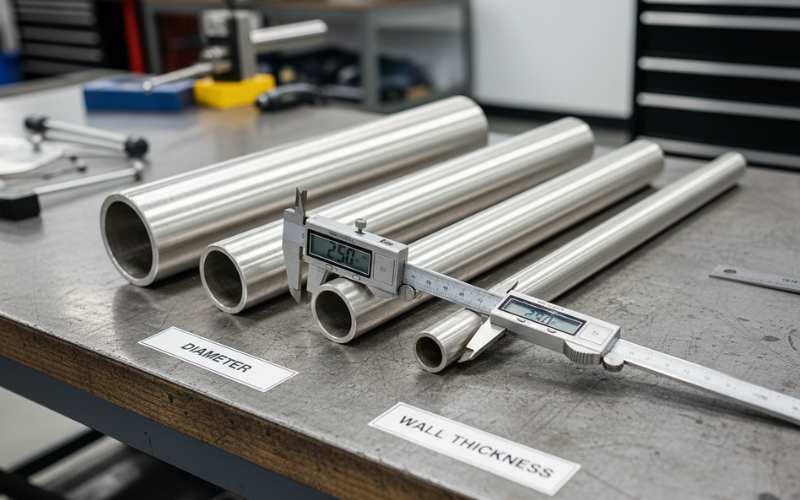
Key parameters include:
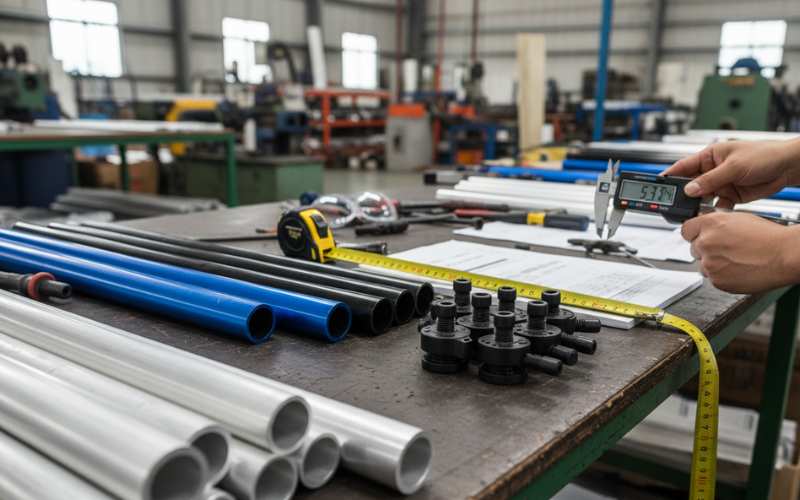
- Aluminum alloy grade (commonly 6061 or 6063 aluminum)
- Outer diameter of each pole section
- Wall thickness
- Number of telescopic sections
- Locking mechanism type
- Surface treatment (anodized, powder coated)
- Color and branding requirements
A clear specification prevents misunderstandings during quotation and production.
Step 2 Identify Reliable Telescopic Pole Manufacturers
Common ways to find suppliers include:
- B2B platforms such as Alibaba
- Industry exhibitions such as Canton Fair
- Google search for telescopic pole manufacturers
- Direct referrals within industry networks
Buyers should prioritize factories rather than trading companies to ensure better pricing and production control.
Step 3 Evaluate Factory Production Capability
Not every supplier that sells telescopic poles actually manufactures them.
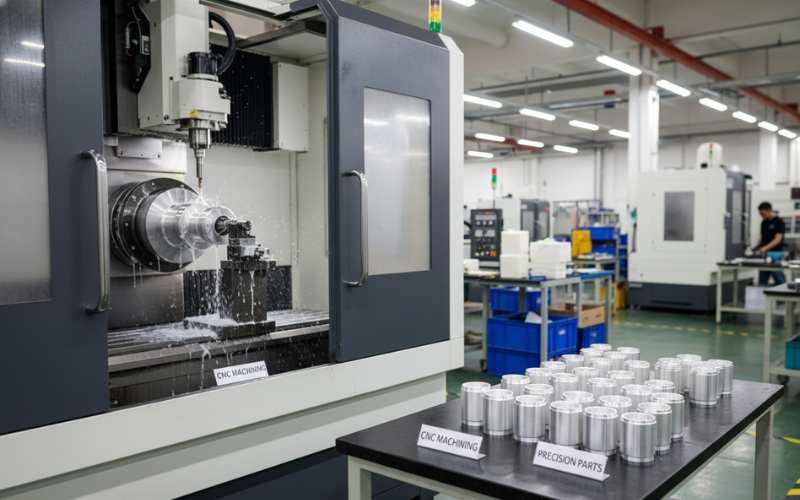
Key capability checks include:
- Aluminum extrusion production
- Anodizing or surface finishing lines
- CNC machining equipment
- Assembly workshop for pole sections
- Quality testing laboratory
A vertically integrated factory generally provides more stable product quality.
Step 4 Request Samples and Test Product Quality
Sample testing is essential before placing a bulk order.
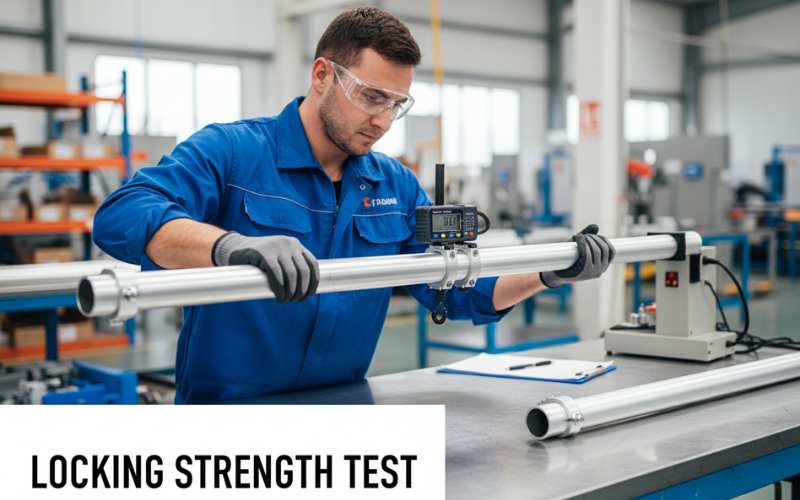
Buyers should evaluate:
- Locking strength and stability
- Smooth extension and retraction
- Surface finish consistency
- Corrosion resistance
- Weight and rigidity
Testing the pole under real working conditions ensures it meets product expectations.
Step 5 Negotiate MOQ, Price, and Lead Time
Typical sourcing parameters for telescopic poles are shown below.
| Item | Typical Range |
|---|---|
| MOQ | 500–2000 pieces |
| Lead Time | 20–35 days |
| Sample Time | 7–10 days |
| Tooling Cost | Depends on aluminum profile |
Buyers developing a custom aluminum extrusion profile may also need to pay mold tooling fees.
Step 6 Verify Quality Certifications
Quality certification improves supply reliability.
Common certifications include:
- ISO 9001 Quality Management System
- BSCI social compliance audit
- ISO 14001 environmental management
Certification information can usually be verified through the supplier’s official documentation.
You can learn more about international quality standards from organizations such as the International Organization for Standardization.
Step 7 Manage Shipping and Import Logistics
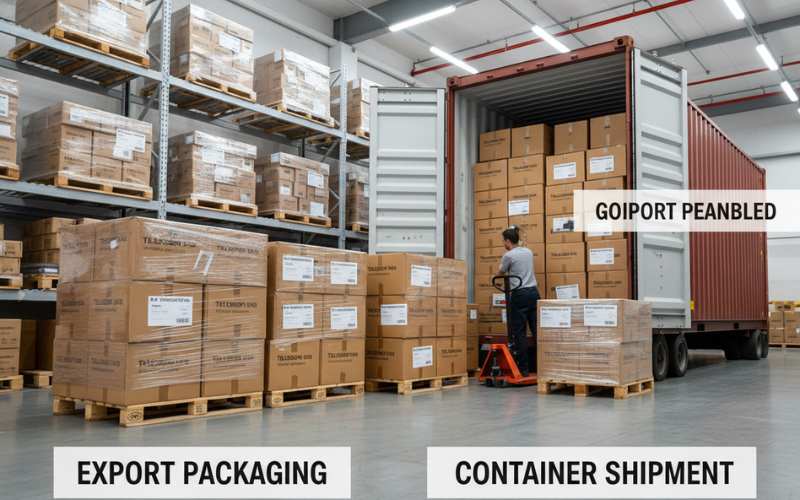
Most telescopic poles are shipped by sea freight due to their length and packaging volume.
Typical logistics options include:
- FCL (Full Container Load) for large orders
- LCL (Less than Container Load) for smaller shipments
Required shipping documents include:
- Commercial invoice
- Packing list
- Bill of lading
- Certificate of origin
Import regulations vary by country. Buyers can check international trade requirements through resources like the World Trade Organization.
Common Mistakes When Buying Telescopic Poles from China
Many sourcing problems occur because buyers overlook key evaluation steps.
Common mistakes include:
- Choosing trading companies instead of factories
- Not verifying aluminum extrusion capability
- Skipping sample testing
- Using unclear product specifications
- Ignoring quality inspection before shipment
A structured sourcing process significantly reduces these risks.
FAQ About Sourcing Telescopic Poles
What is the MOQ for telescopic poles in China?
Most factories require a minimum order quantity between 500 and 2000 pieces, depending on customization and extrusion tooling.
Can telescopic poles be customized?
Yes. Most manufacturers offer customization including:
- Aluminum profile design
- Color anodizing
- Logo printing
- Locking mechanism design
- Packaging customization
How long does production take?
Typical production lead time ranges between 20 and 35 days, depending on order size and factory schedule.
Are aluminum telescopic poles better than fiberglass?
Aluminum poles are generally:
- Lighter
- More durable
- Easier to manufacture in large quantities
Fiberglass poles may provide better insulation for electrical applications.
Choosing the Right Telescopic Pole Manufacturer
Selecting a long-term manufacturing partner is critical for product stability.
Buyers should evaluate:
- Factory production scale
- Aluminum extrusion capability
- OEM design experience
- Quality inspection systems
- Export experience
Working with an experienced manufacturer improves both supply reliability and product consistency.
Start Your Telescopic Pole OEM Project
If you are developing a telescopic pole product line, working directly with a specialized aluminum manufacturer can simplify the process.
Professional suppliers can support:
- Custom aluminum extrusion profiles
- Telescopic pole structural design
- Surface treatment options
- Bulk OEM production
Discussing your application requirements early in the development stage helps optimize both cost and product performance.