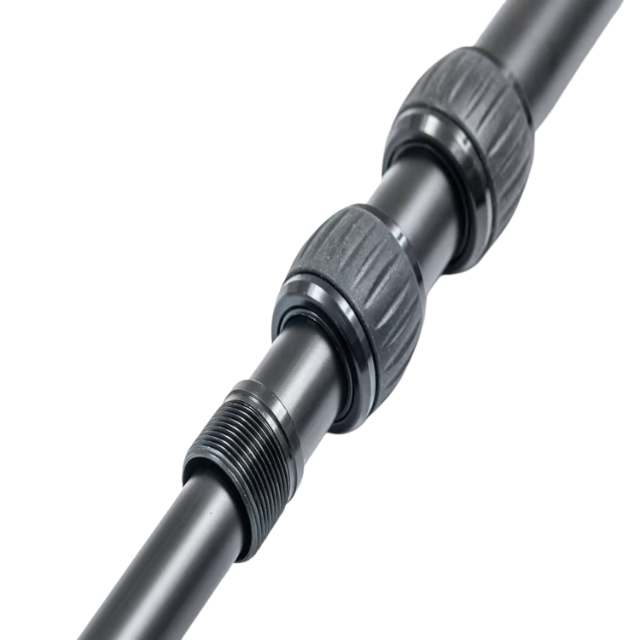
Standard Twist Lock
A compact rotational lock route for adjustable telescopic tool systems.

OEM Twist-Lock Tube & Pole Factory
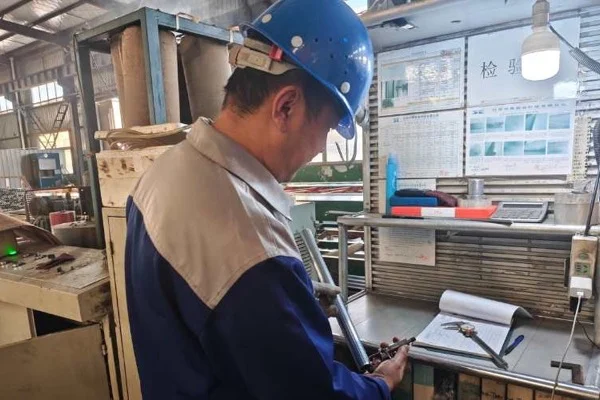
Xingyong machines the twist-lock structure itself — the ring, the thread and the tube pair it clamps — and ships it as bare telescopic tube or as a finished pole, to tool brands that need the same holding force on every unit.
This page is the twist-lock structure itself — tube pair, ring, thread and the torque that comes out of them. For a complete pole program across every lock type, go to the telescopic pole range. If you are comparing how the locking mechanisms themselves work (twist vs flip vs button), start with our telescoping pole locking mechanisms guide, then come back here to spec the pole.
Product Overview
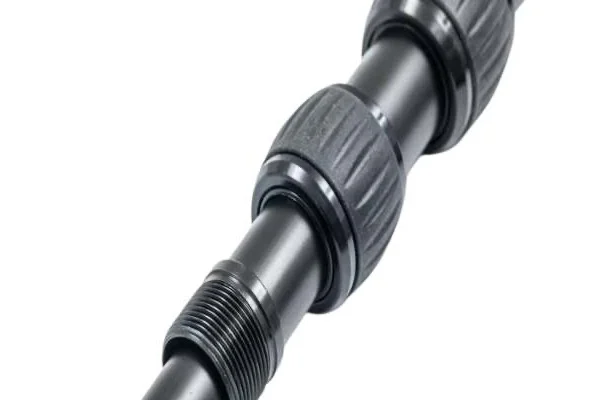
A telescopic tube twist lock holds by squeezing an inner tube through a threaded ring — so holding force is decided upstream, in the tube pair tolerance and the ring thread, not in how hard the user twists.
Both halves start as extruded 6063 stock, so the clamp behavior follows the alloy temper and wall the aluminium industry specifies for the tube, not the ring alone — which is why we machine ring and tube against the same drawing.
Xingyong develops aluminum locking poles around the intended tool head, working range, user handling and supply format.
Twist Lock Structures
Select the tube and rotational-lock configuration around the target reach, torque feel and working condition.
A compact rotational lock route for adjustable telescopic tool systems.
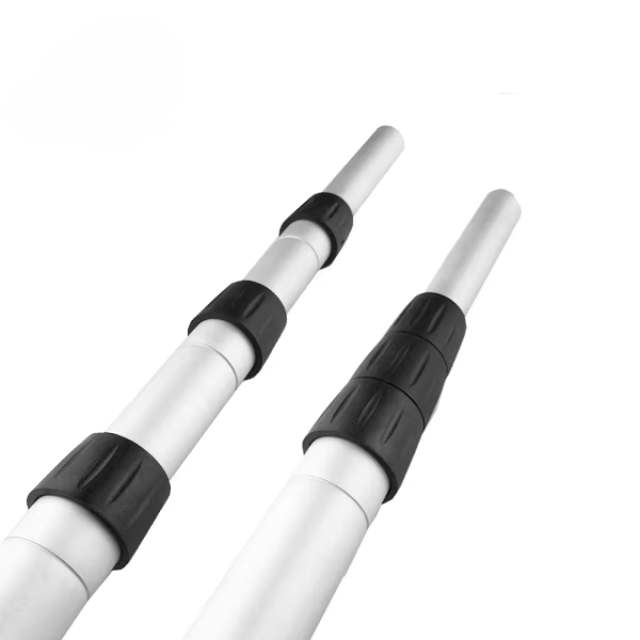
Specified tube and collar structure for higher-demand professional use.
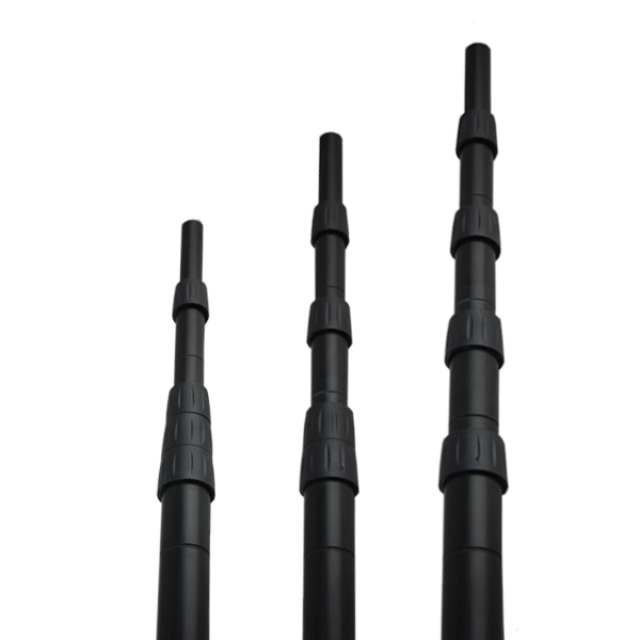
Multiple adjustable sections for longer reach and compact storage.
Applications
Locking poles are selected where controlled length changes and stable tool alignment matter.
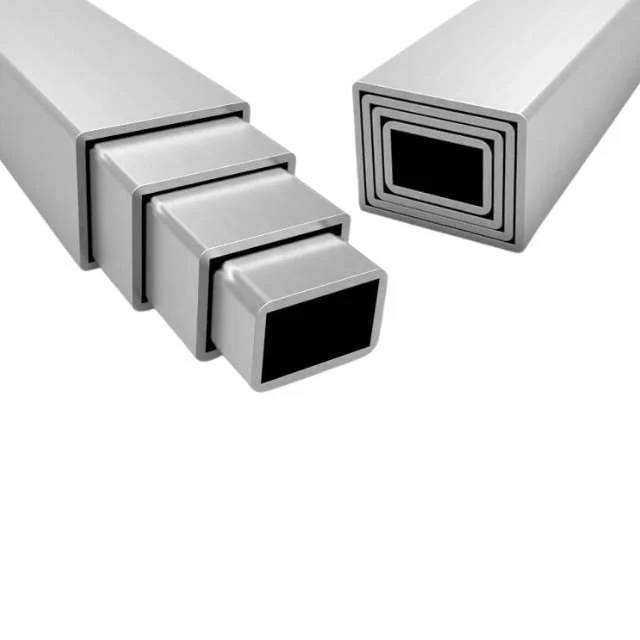
Tripods, camera and light stands, adjustable legs and conveyor guards — static duty, where the lock has to hold a set length under vibration rather than under a hand.

Window, solar and orchard tools — dynamic duty, where the same ring is twisted hundreds of times a season by a wet glove.
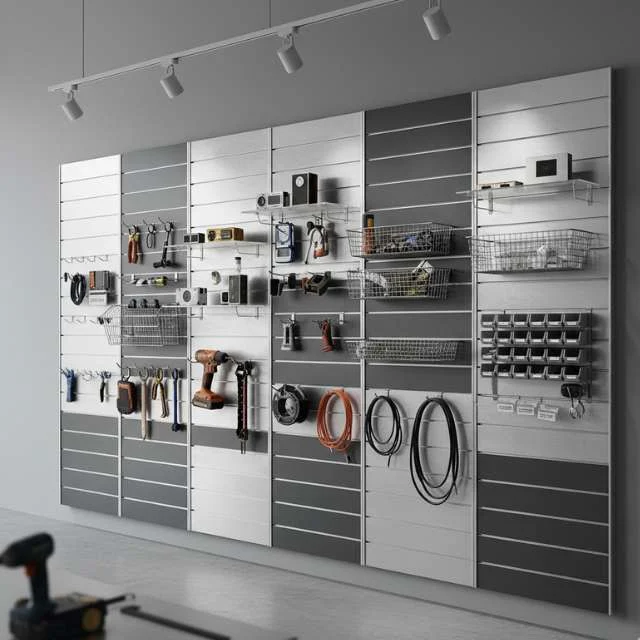
Stands, banner frames and staging hardware — cosmetic duty, where anodized finish and a clean ring edge matter as much as grip.
Why Us

We develop the tube, section lock and connection detail around the target working condition rather than treating the lock as an isolated component.
Explore twist lock poles and flip lock poles.
Lock Choice for Tube Assemblies
In a tube assembly the lock is set once and then left alone, so the failure mode to design against is slow release under vibration — not the hand feel that decides a cleaning pole.
An expanding ring works inside the tube pair, so nothing protrudes and nothing snags — the usual choice for display frames, stands and enclosed mechanisms. Verify holding force after the tube has been cleaned of machining oil.
Gives a positive mechanical stop at preset holes rather than friction, which is what vibration-heavy assemblies need. Verify hole-edge wear and full button protrusion after repeated cycling, not just on the first sample.
Highest static holding of the three and the easiest to service in the field, at the cost of a visible fitting. Verify bearing area against wall thickness so the inner tube is not dented at the contact point.
This page covers the tube side, where the mechanism is specified against a drawing, a wall thickness and a vibration requirement. If your product is a finished hand-operated pole and the question is which lock the end user will prefer, our telescoping pole lock guide compares the four types from the user side.
Twist Lock Selection
Define torque, section count and external profile before confirming a twist-lock pole program.
| Selection Factor | Standard Twist Lock | Heavy Duty Twist Lock | Multi-Section Twist Lock |
|---|---|---|---|
| Best for | General adjustable reach tools | Professional tools with higher handling demand | Longer reach with compact storage |
| Primary consideration | Comfortable release and locking torque | Tube stiffness and collar durability | Section balance and extended control |
| OEM input | Target length and tool interface | Expected load and work environment | Collapsed length and working reach |
Twist Lock Matching Checklist
These details help define the correct tube, section and rotational-lock configuration for an OEM quotation.
Outer and inner OD, wall thickness and the overlap you need — the pair decides holding force before the ring does.
How tight it should feel in the hand, and what it must survive: vibration, wet gloves or repeated daily cycles.
A physical sample or dimensioned print, annual volume and whether you need bare tube or a finished assembly.
The choice depends on required adjustment, use environment, tool load and target user experience.
Yes. Send a sample or technical drawing so the interface can be reviewed.
Yes. OEM programs can include color, marking, packaging and accessory selection.
Related Products
Technical Support
Explore practical buying, specification and application guidance related to this product.
Send your target tool, reach, lock preference and packaging brief for an OEM quotation.
 English English
  Español
 Français
 Deutsch
 Português