
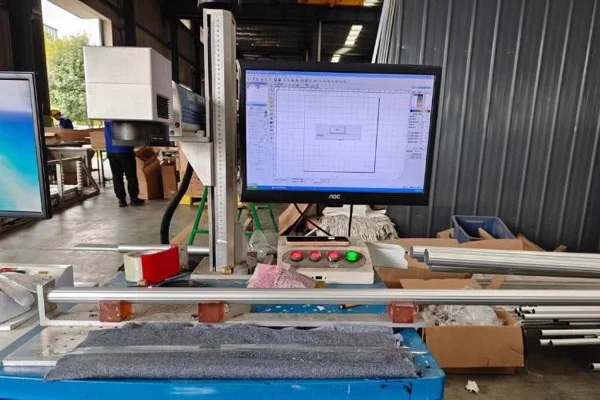
CHINA ALUMINUM EXTRUSION MANUFACTURER
Custom Aluminum Extrusion Manufacturer — Profiles to Your Drawing
Xingyong is a direct extrusion factory building custom aluminum extrusions to OEM drawings — a 2,000-tonne press, in-house dies, anodizing and CNC finishing under one roof since 2010. Send a section drawing and a target volume; a die plan and a quote come back within 24 hours.
- ✓14 extrusion presses (350T–2000T) delivering 3,000 tons monthly capacity.
- ✓IATF 16949 & ISO 9001 certified quality across every batch.
- ✓In-house CNC machining and anodizing for ready-to-use parts.
- ✓6000-series alloys (6061, 6063, 6005) in T5/T6 tempers, 250mm max CCD.
- ✓OEM die opening, sampling, and full deep-processing under one roof.
15+ Years
Extrusion Experience
14 Presses
350T – 2000T Capacity
3,000 t/mo
Monthly Extrusion Output
250mm
Max Cross-Section Width
PRODUCT OVERVIEW
What Are Aluminum Extrusion Profiles
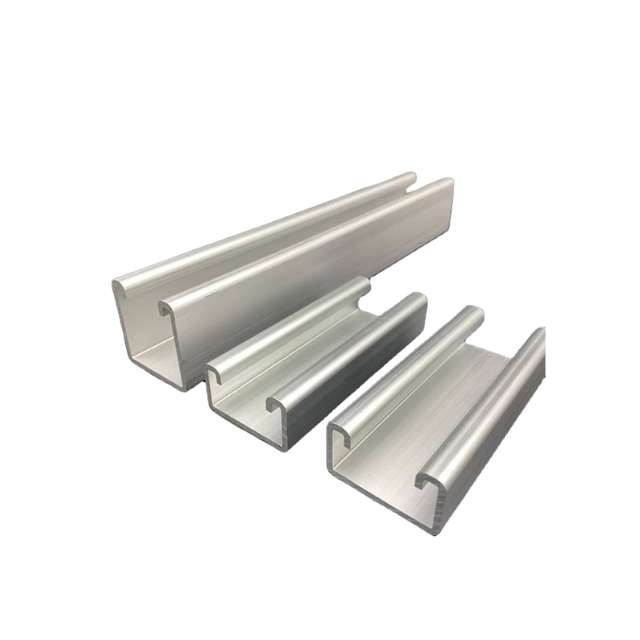
What we are in this market. Search results for this phrase mix two businesses. One sells the framing system — a catalogue of 2020 and 4040 bar plus the connectors, T-nuts, brackets and kits that go with it. The other extrudes the section itself. Xingyong is the second one: send a drawing, or name a standard T-slot, V-slot, C-channel or box section, and we quote the die, the alloy and temper, the run and the finish. We are the factory behind the profile, not the hardware catalogue in front of it — which is why buyers reach this page searching for OEM extrusion quotes rather than for single bars. Off-the-shelf shapes we already tool are listed under standard aluminum extrusion.
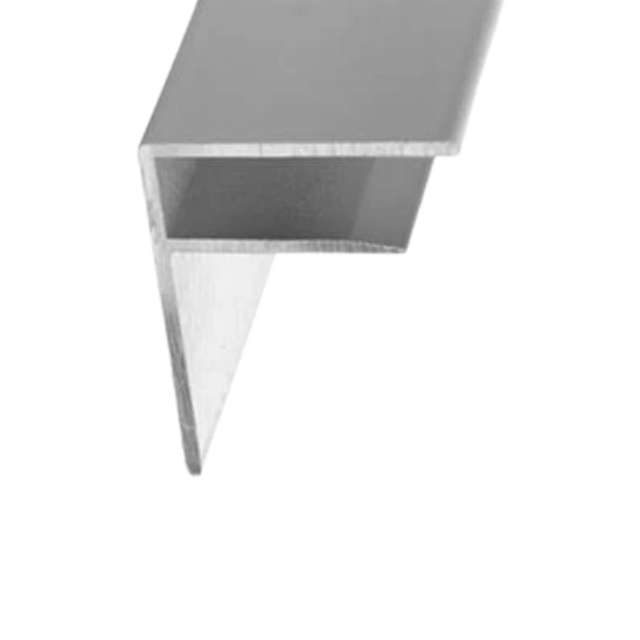
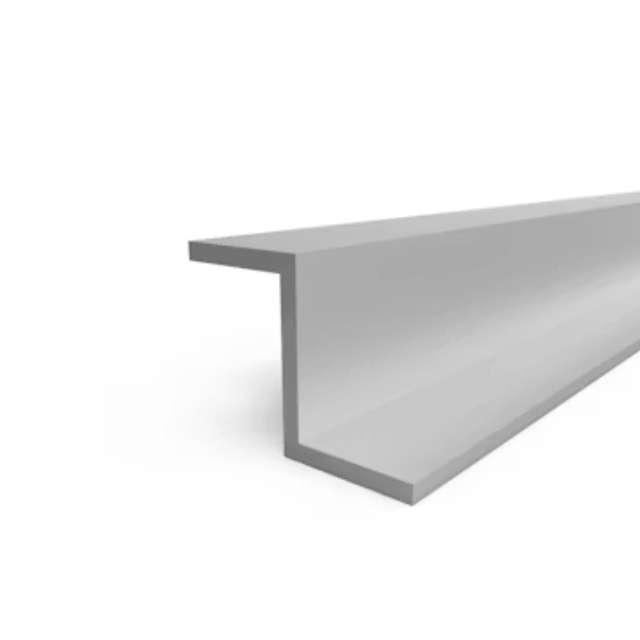
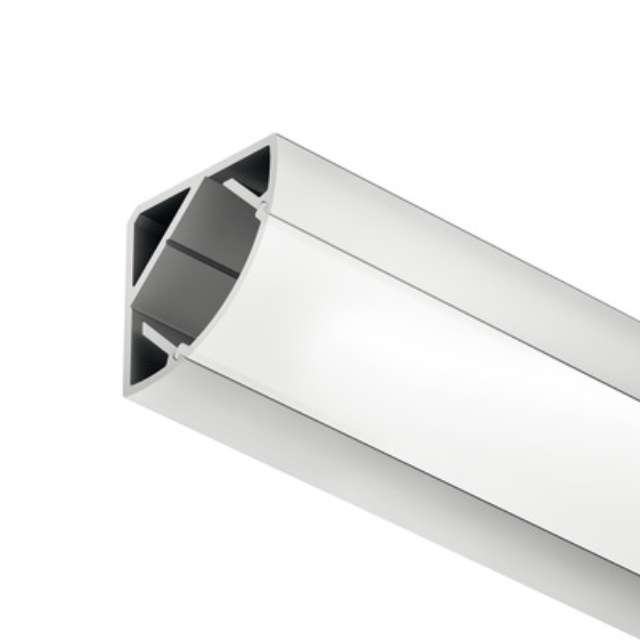
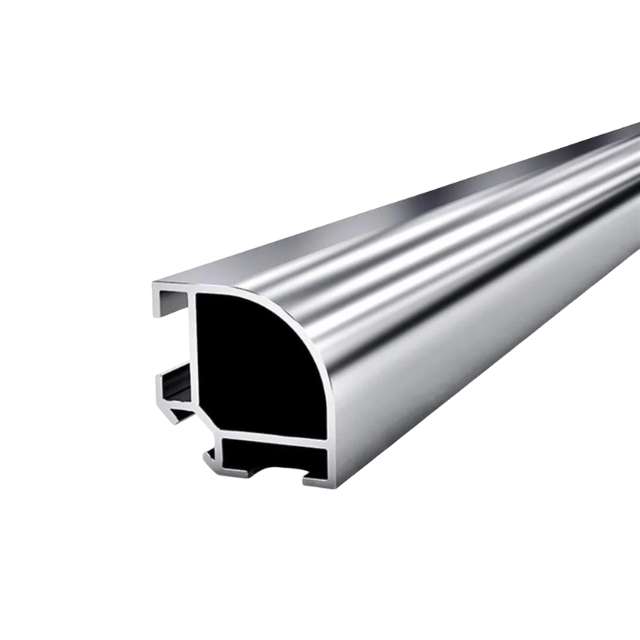
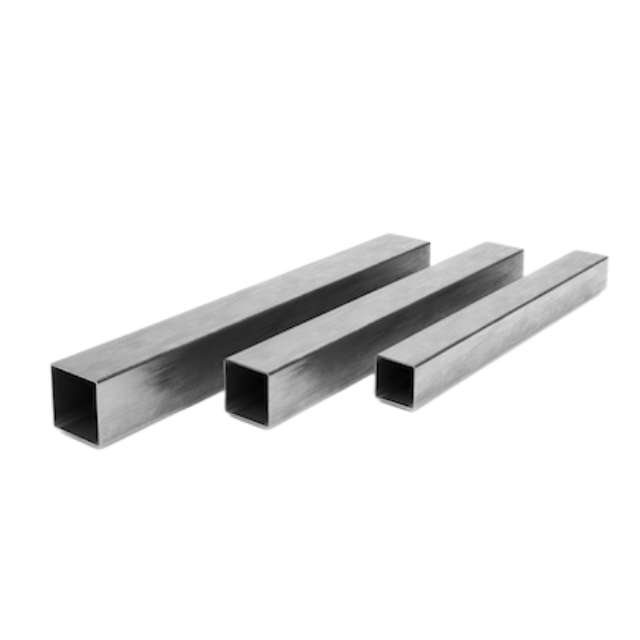
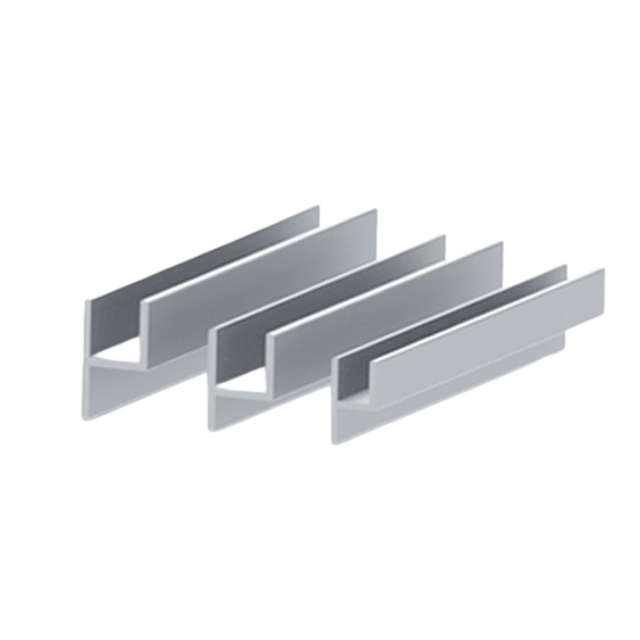
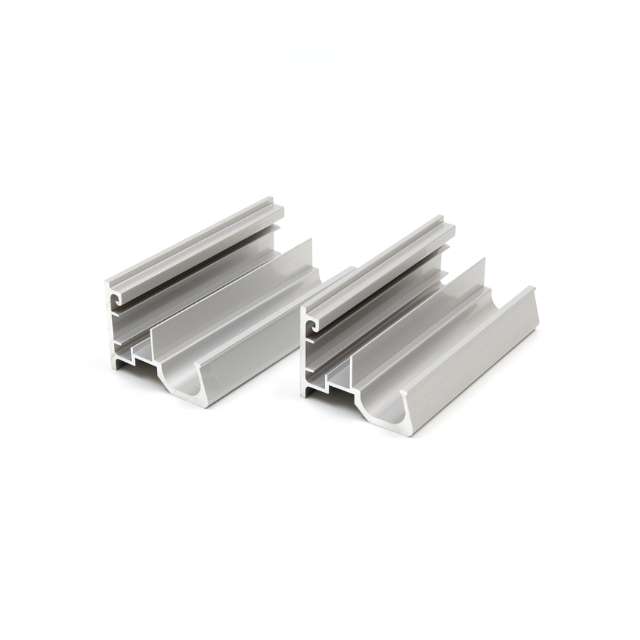
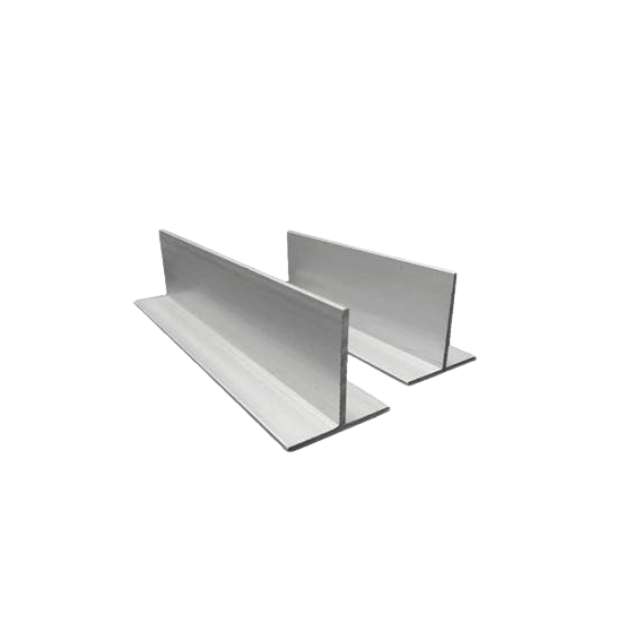
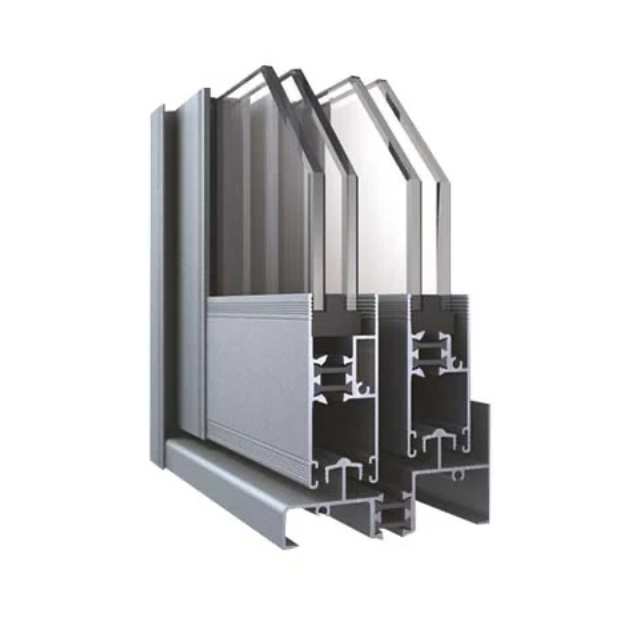
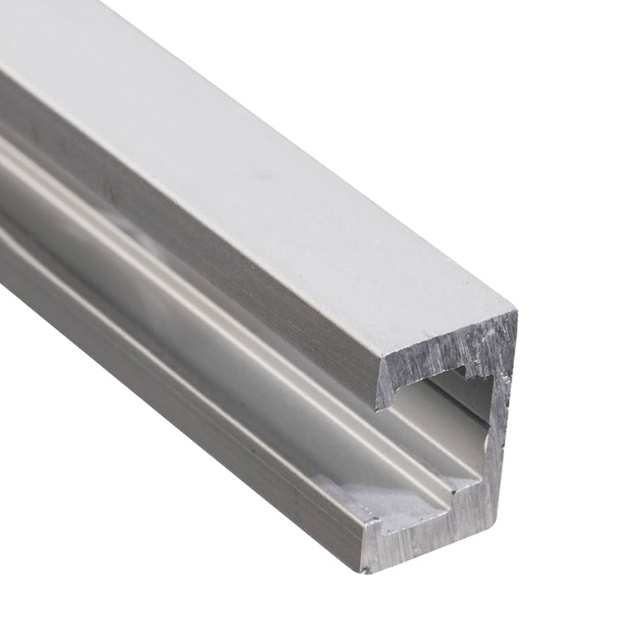
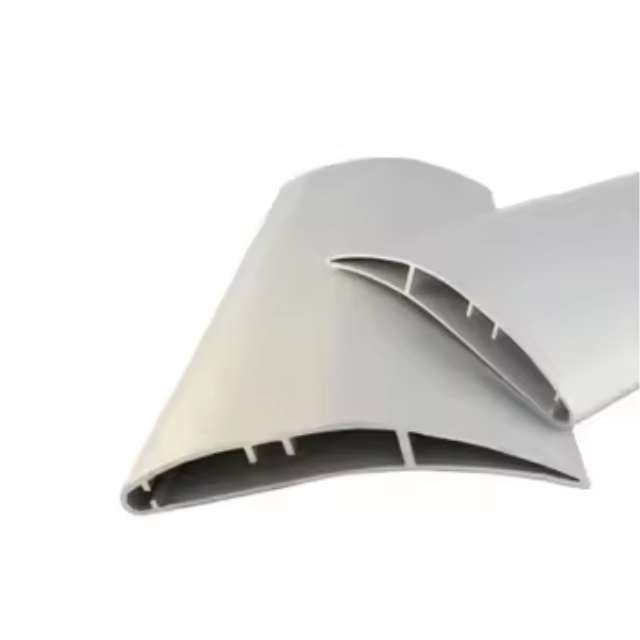
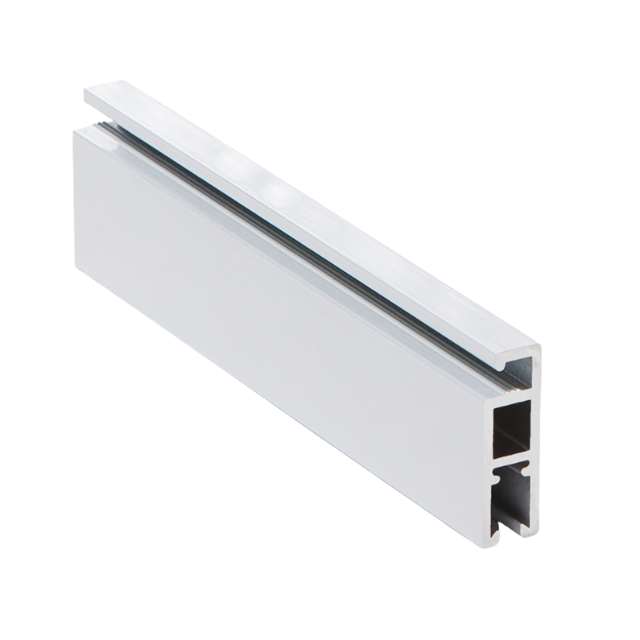
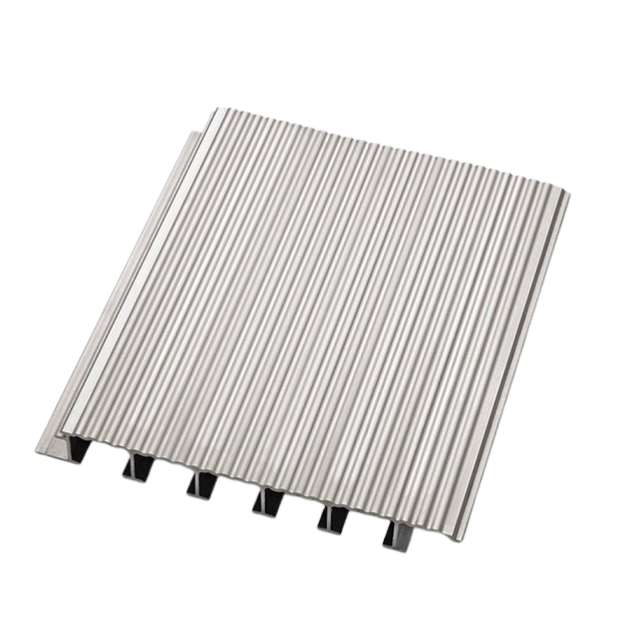
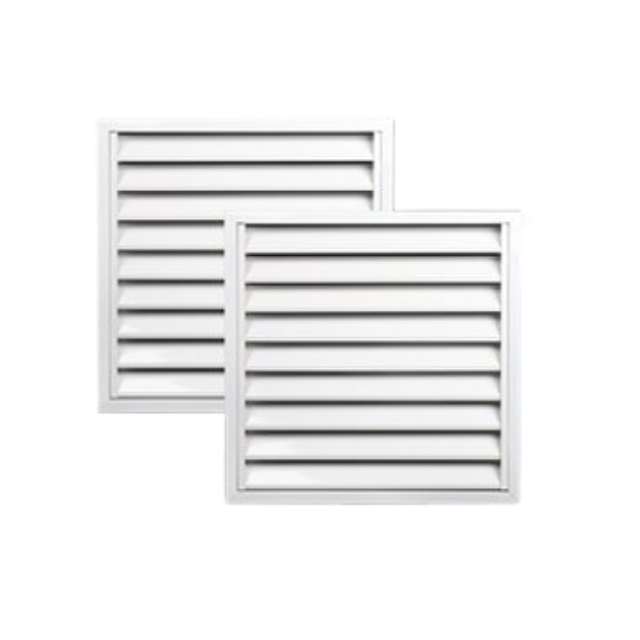
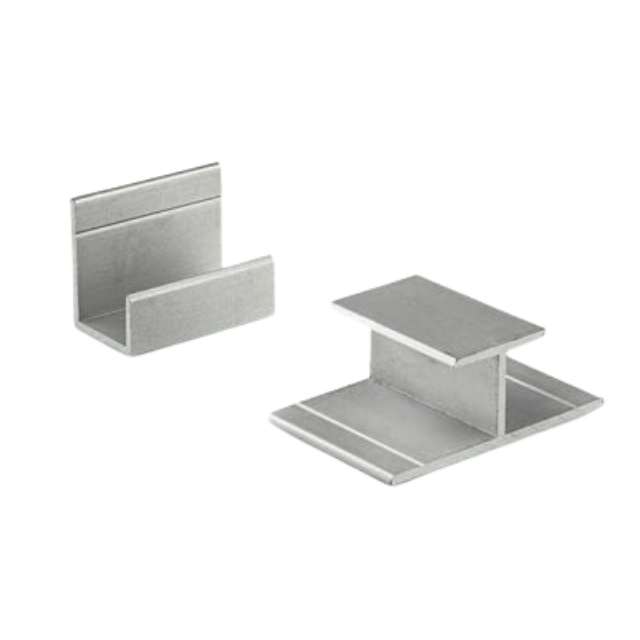
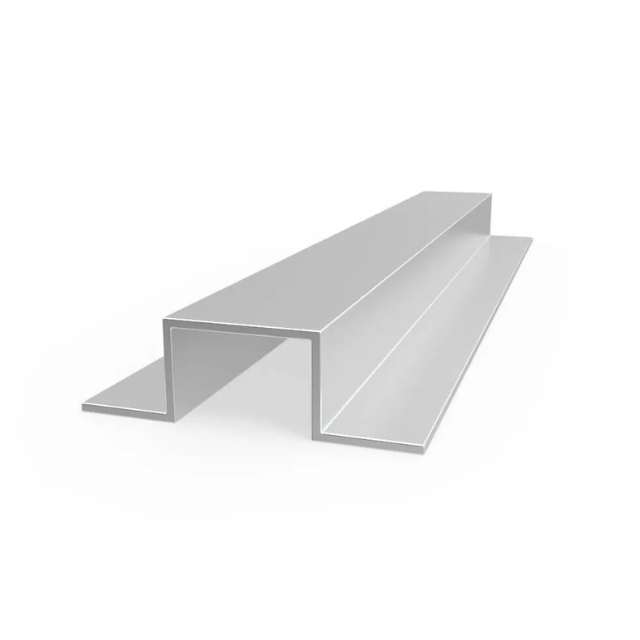
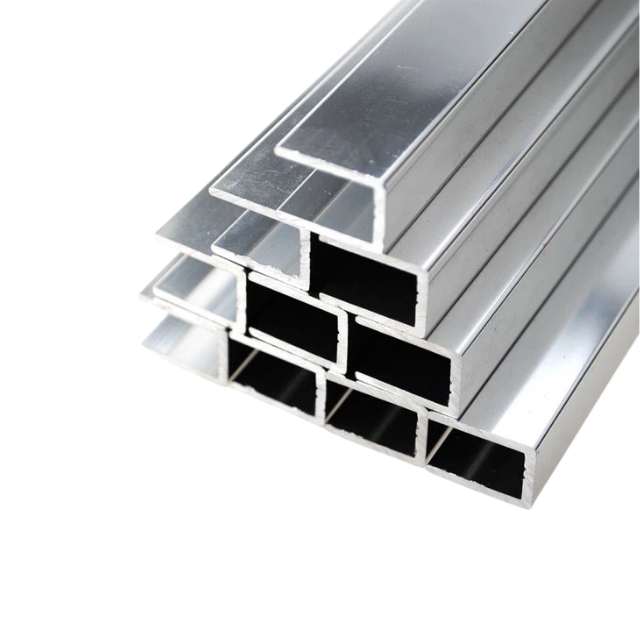
At Xingyong, our aluminum extrusion profiles (also called extruded aluminum shapes) balance lightweight strength with long-term durability. They are metal shapes created by pushing heated aluminum billets through a steel die, similar to squeezing toothpaste from a tube. This process turns raw metal into consistent cross-sections used in everything from window systems and telescopic poles to machine frames. Because extruded aluminum is rust-proof, easy to machine, and infinitely recyclable, it has become the default building block for modern industrial and architectural design.
PROFILE LIBRARY
Types of Aluminum Extrusion Profiles
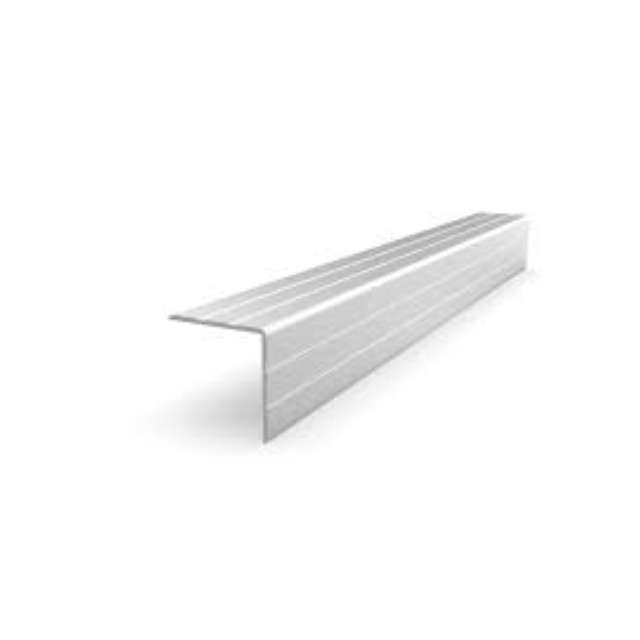
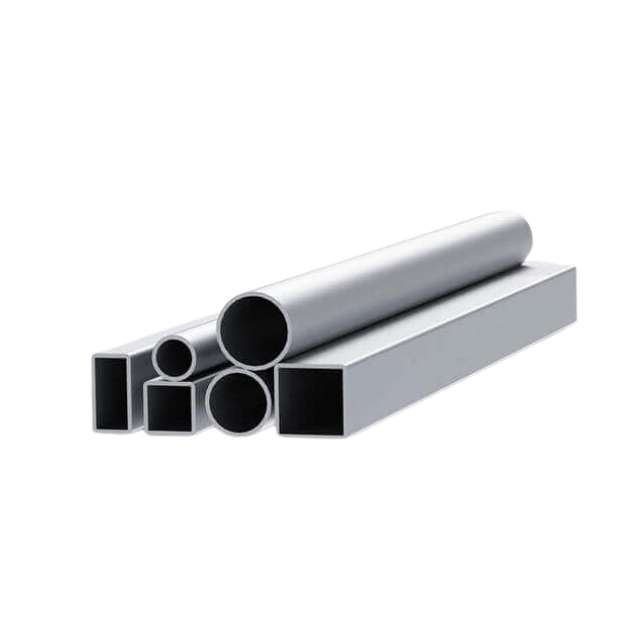
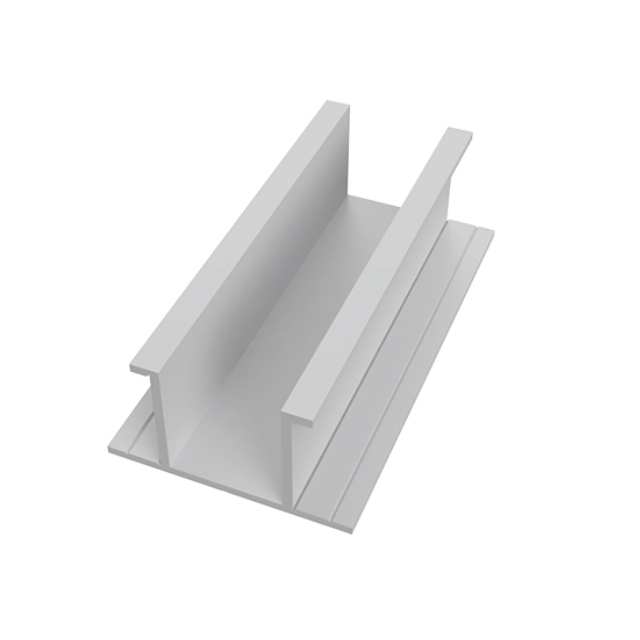
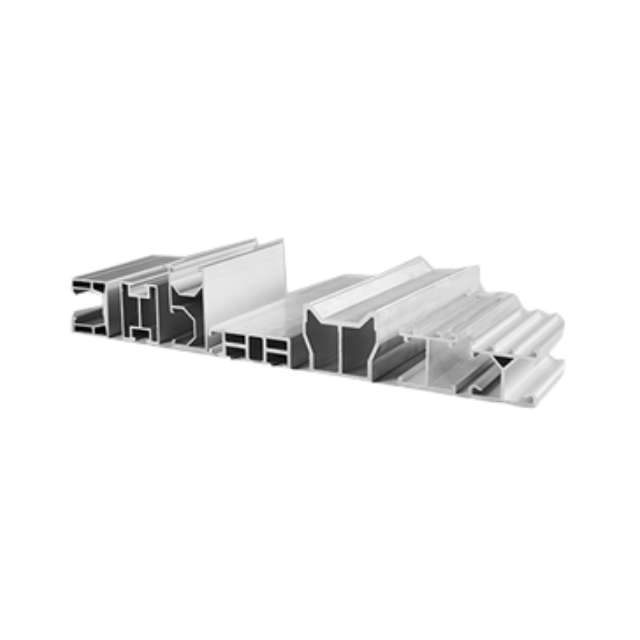
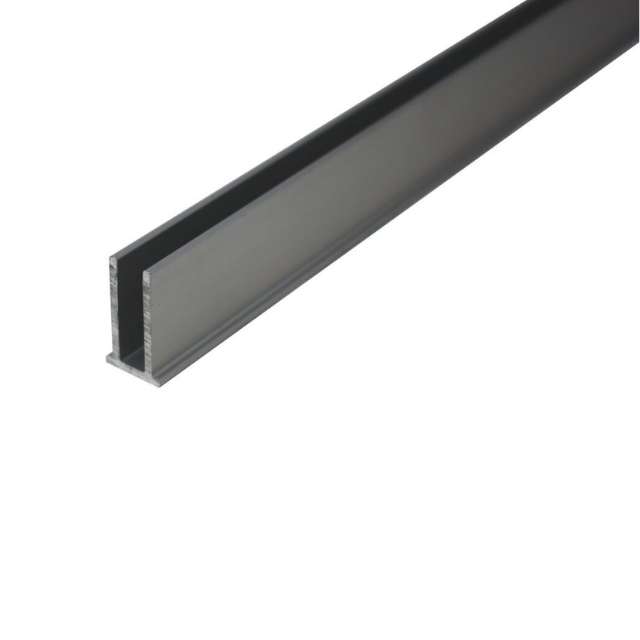
Finding the exact profile for your project shouldn’t be a hassle. At Xingyong, you get a massive library of standard aluminium extrusions plus the freedom to design unique cross-sections. Whether you are building heavy industrial machinery, assembling a cleanroom, or stocking a warehouse with general supplies, we have the right fit — from lightweight aluminum structural profiles to heavy-duty beams, with consistent dimensions and premium surface quality across every batch. Buyers often review Aluminum Extrusion Profiles together with telescopic pole manufacturer, extension pole manufacturer, custom aluminum telescopic poles, standard aluminum extrusion, and precision aluminum tube manufacturing so alloy, tolerance, surface finish, and assembly details stay aligned. The material notes can also be aligned with Aluminum Association material resources, ISO 9001 quality management, and ASTM B221 aluminum extrusion standard when engineering and purchasing teams confirm the final specification.
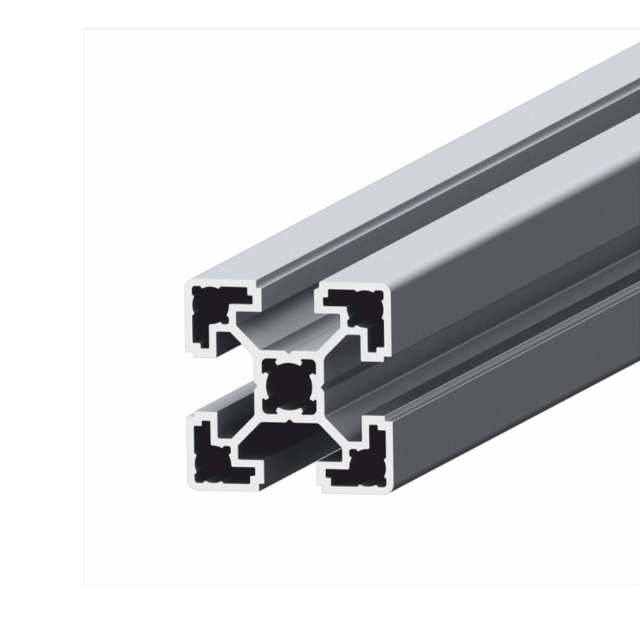
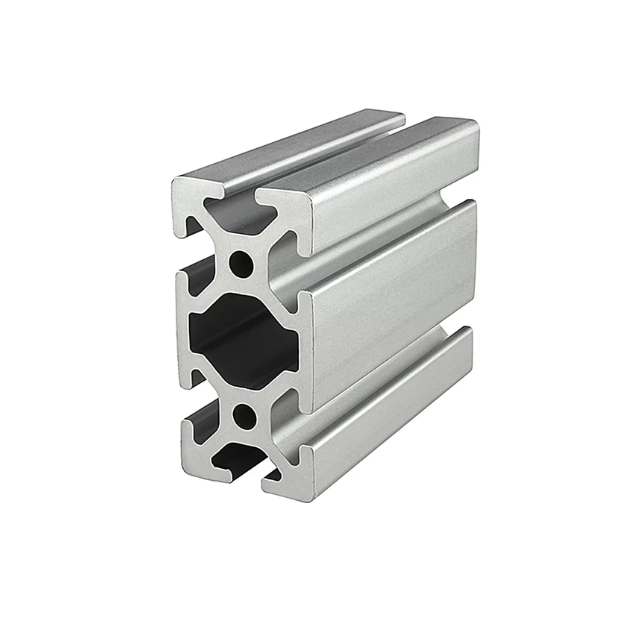
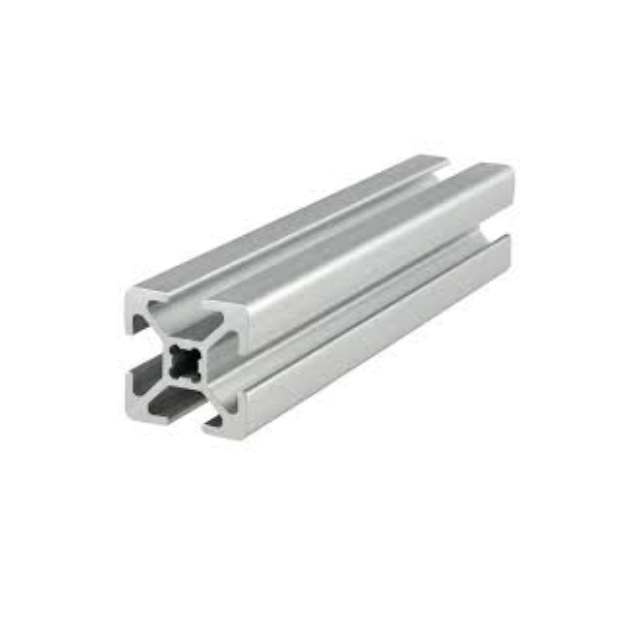
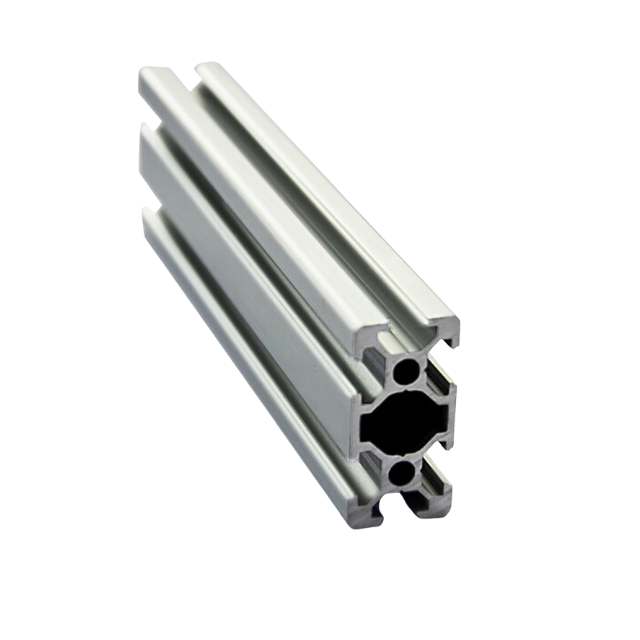
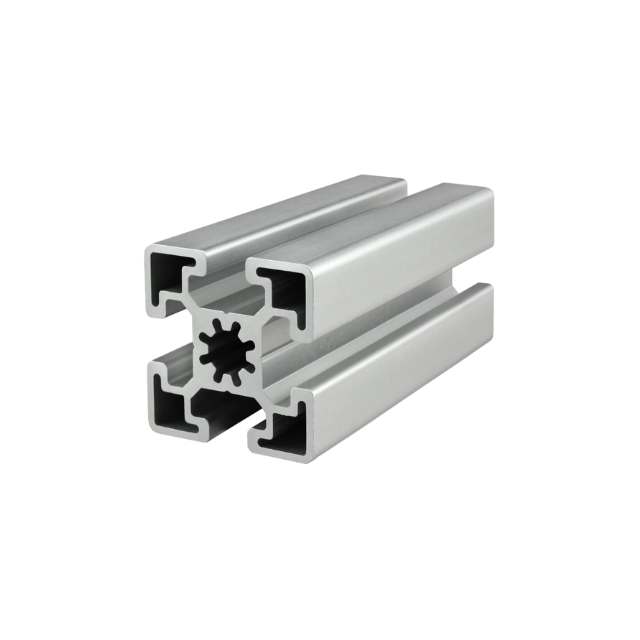
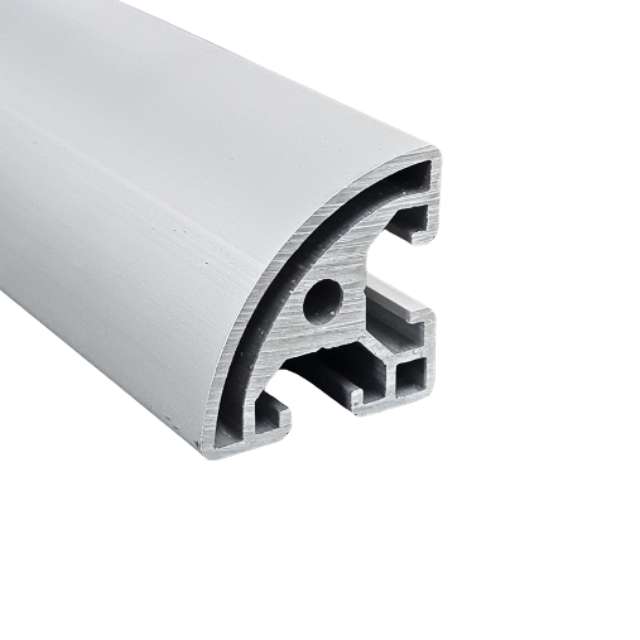
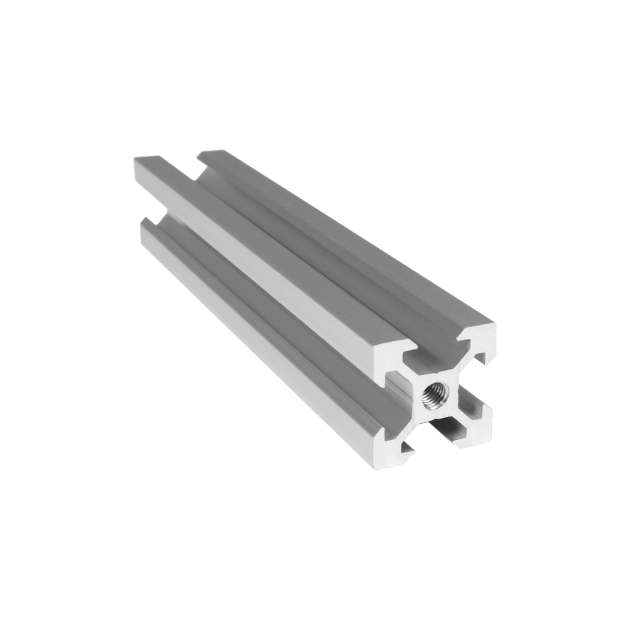
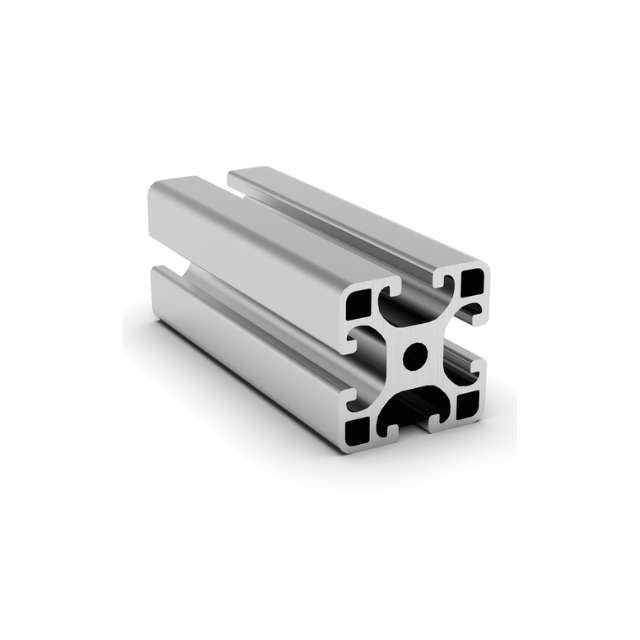
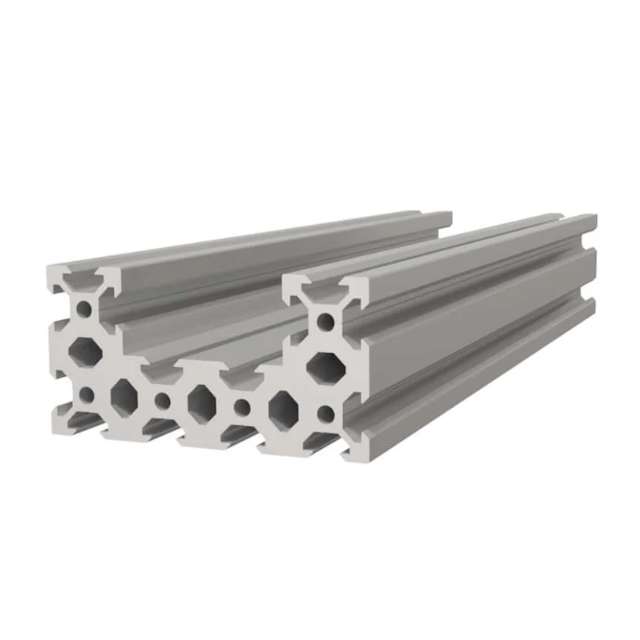
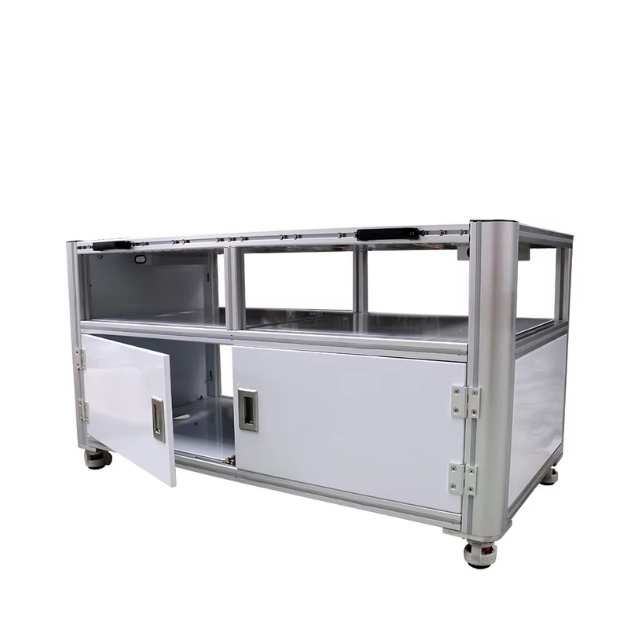
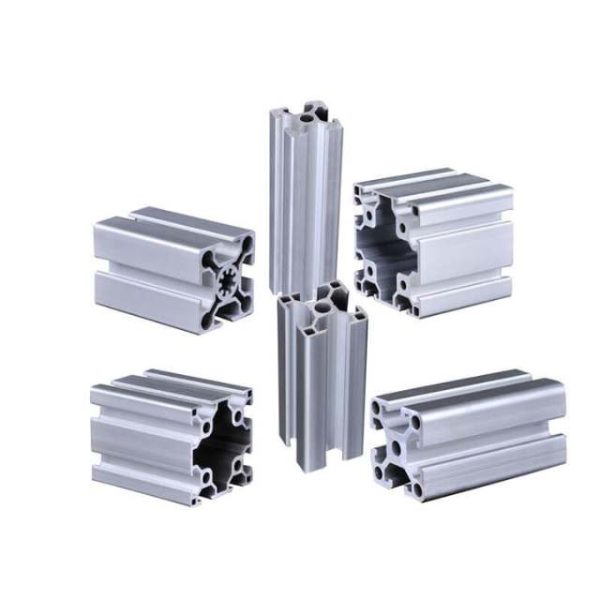
Industrial T-Slot Aluminium Extrusion Framing Systems
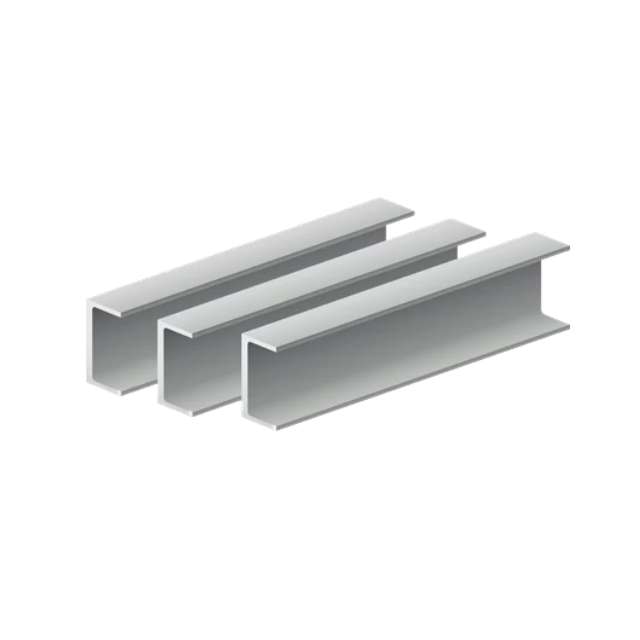
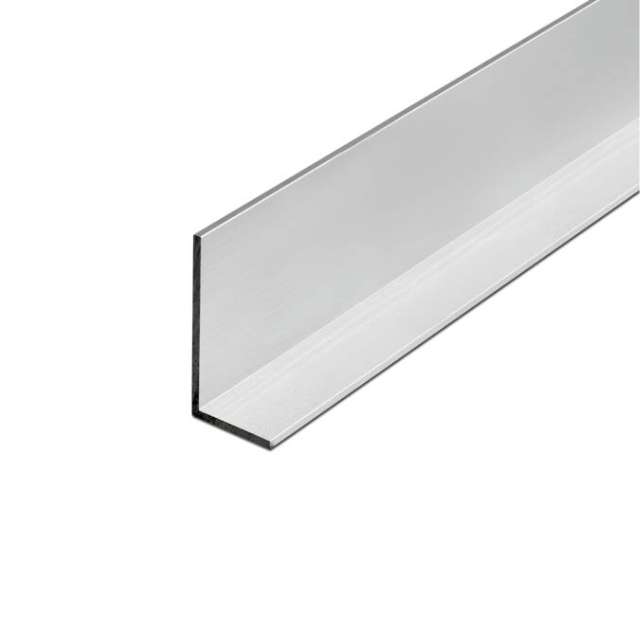
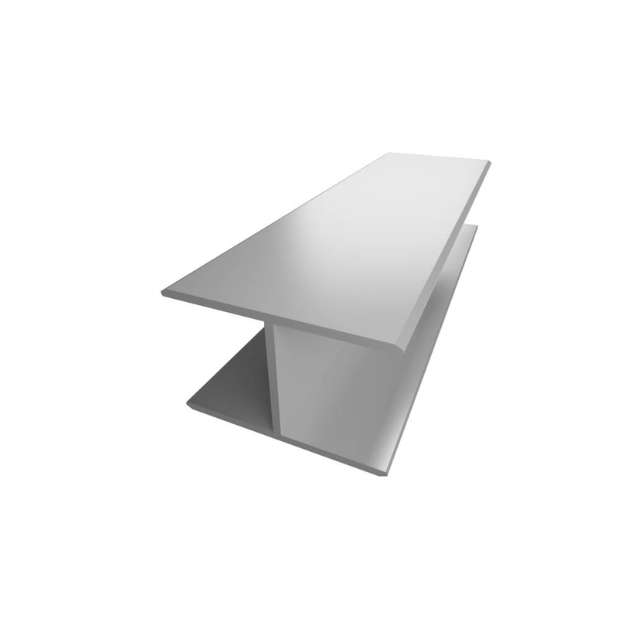
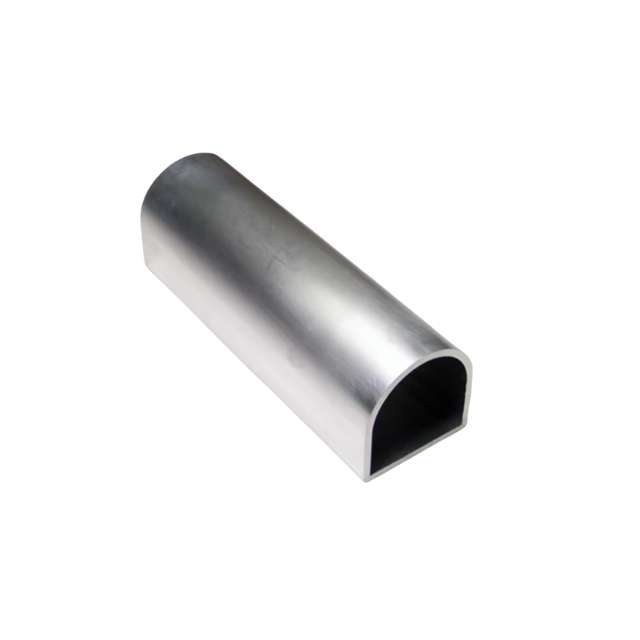
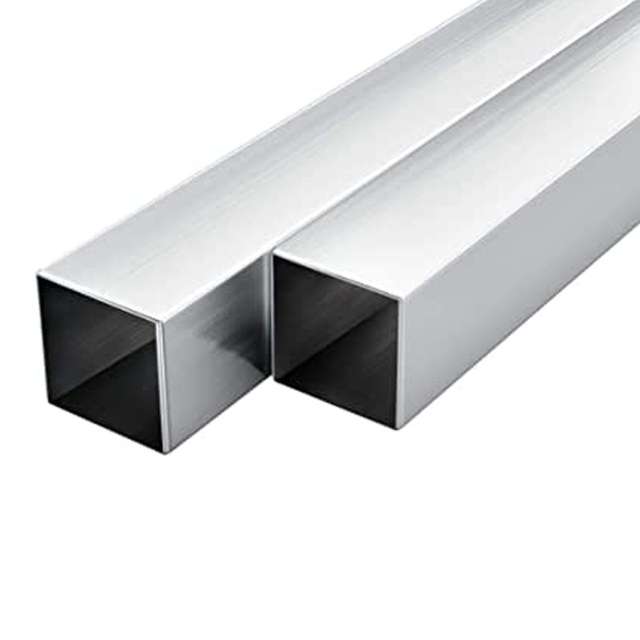
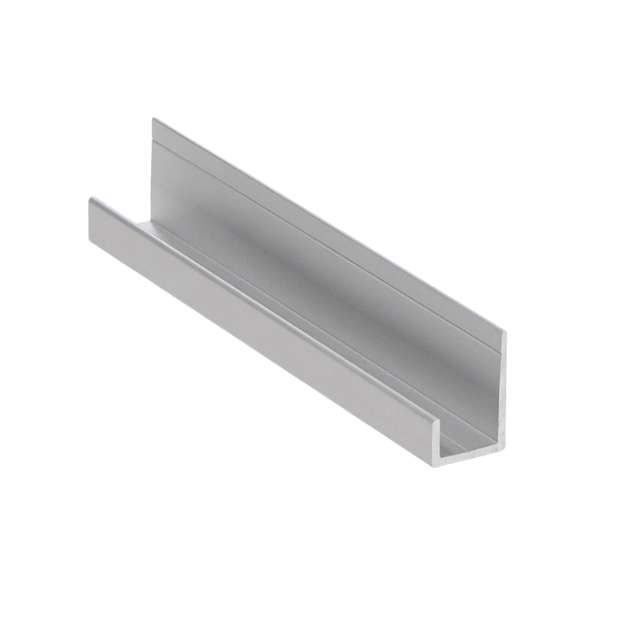
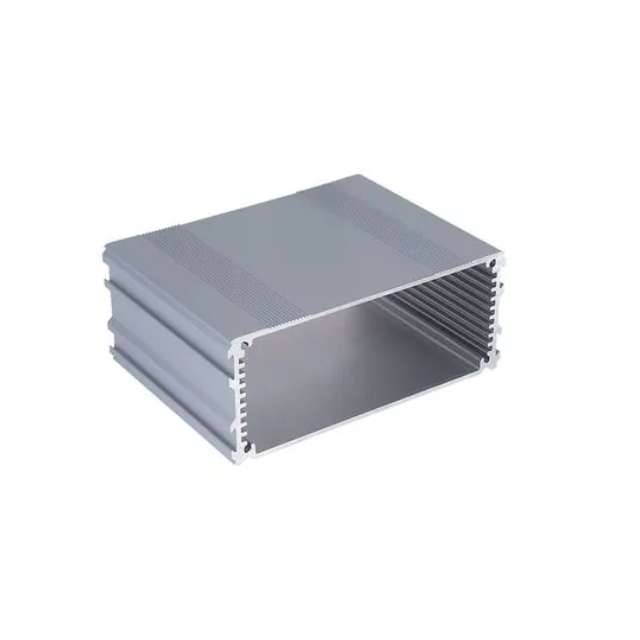
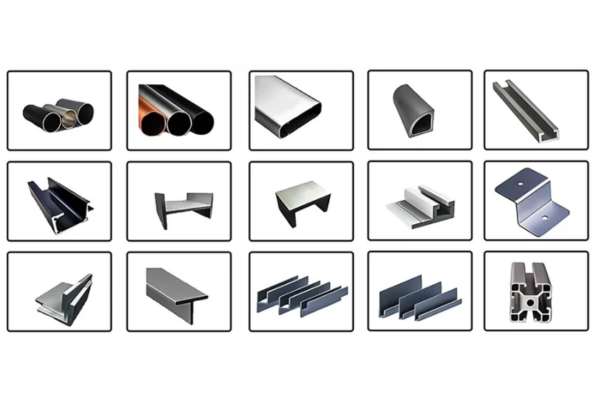
Standard Aluminium Extrusion Shapes
INDUSTRY APPLICATIONS
Aluminum Extrusion Profiles By Application
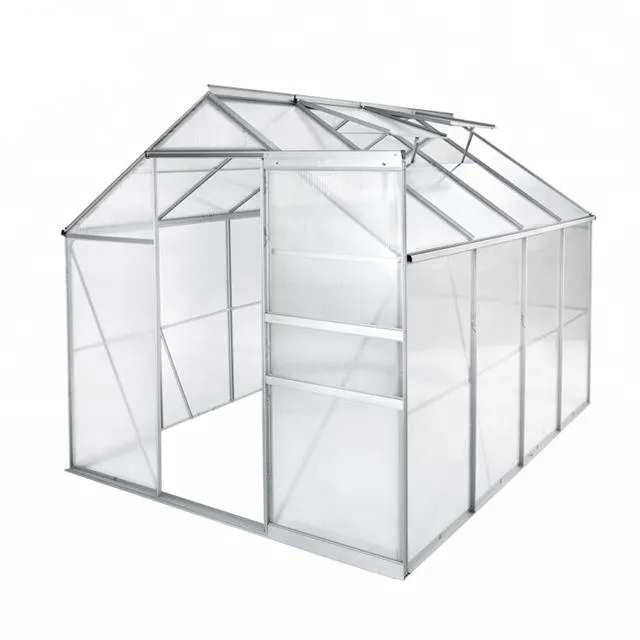
From architectural glazing to aerospace structures, our aluminum extrusion profiles serve 24+ vertical markets. Each application below links to a purpose-built profile we tool, extrude, and finish in-house — so distributors, contractors, and OEMs get one consistent supplier across product lines.
OEM CAPABILITIES
Custom Aluminum Extrusion: Drawing, Die, Temper and Finish
Custom and Precision Aluminum Extrusion Profiles
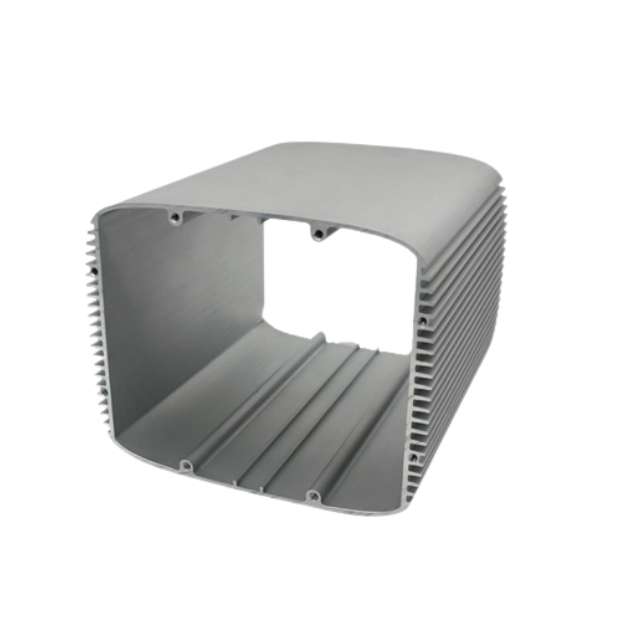
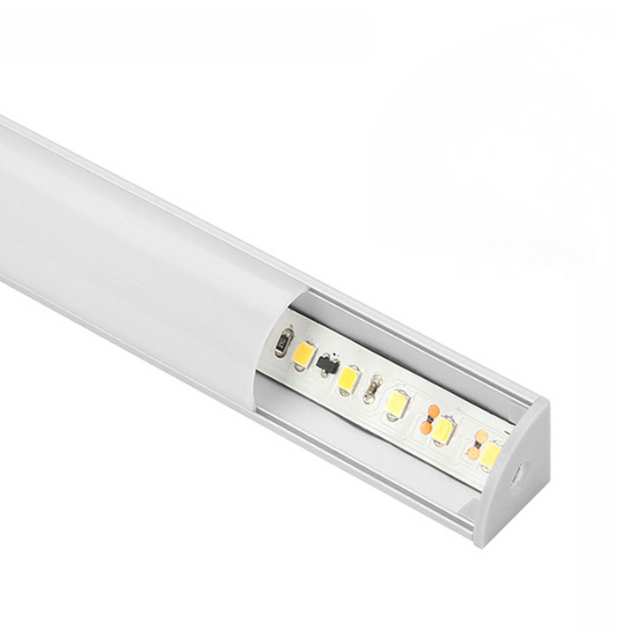
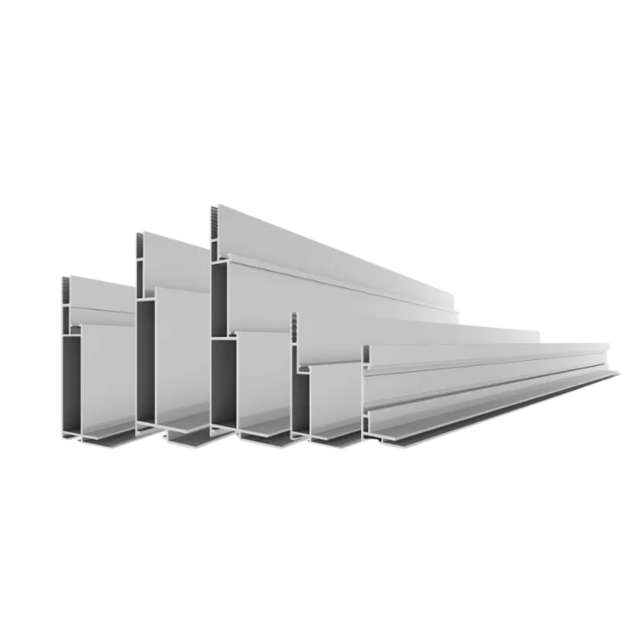
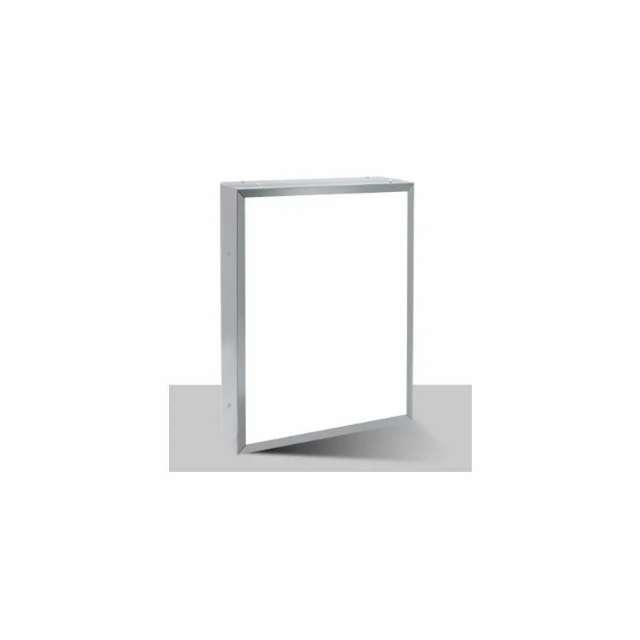
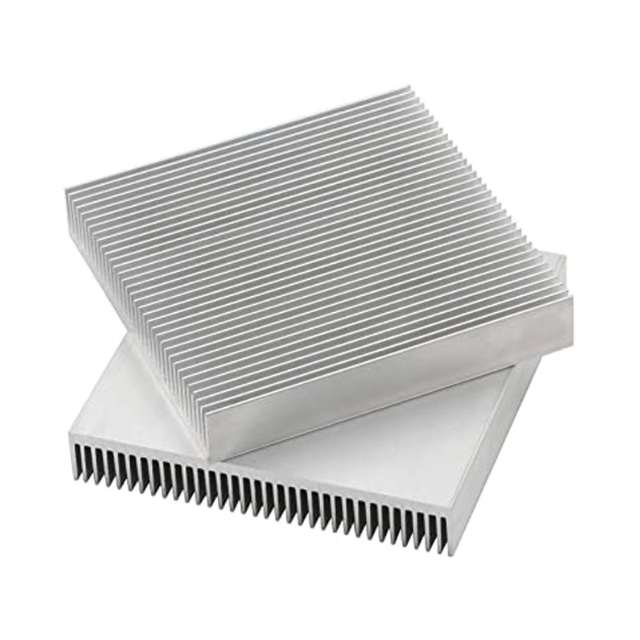
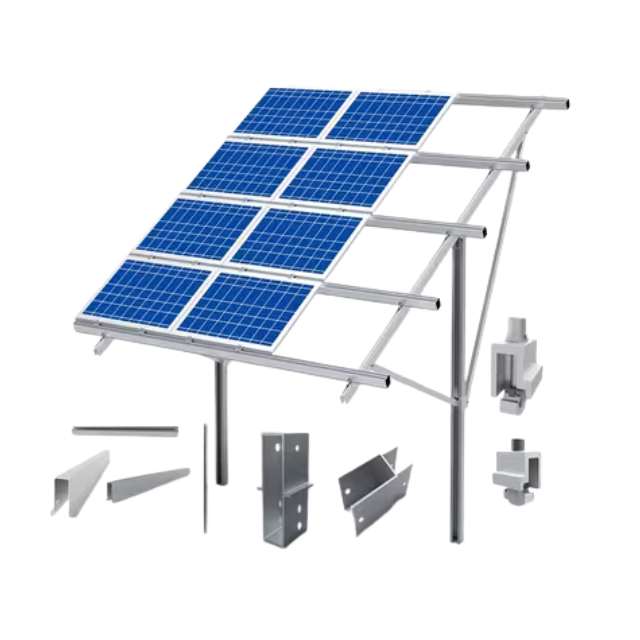
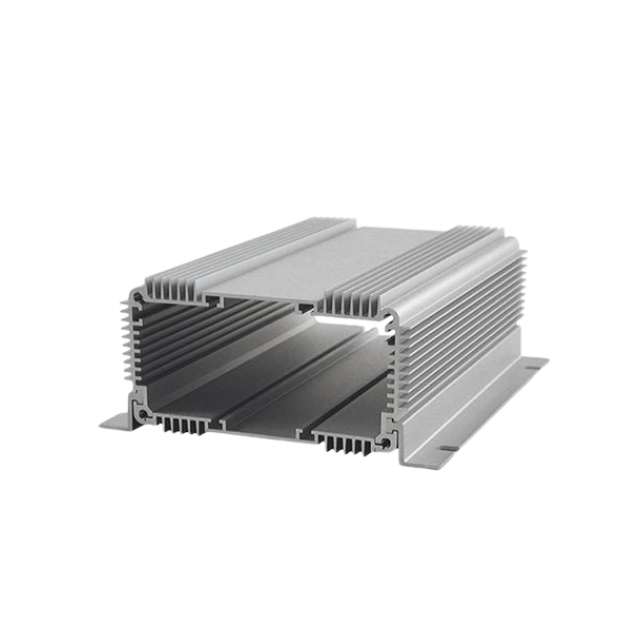
When off-the-shelf parts won’t work, our custom aluminum extrusions service brings your design to life. We handle complex cross-sections, including intricate aluminium extrusion heat sink profiles with high fin density for electronics. Our engineering team assists with designing aluminum extrusions that optimize weight, stiffness, and tool life — from tiny precision aluminium extrusion parts to large aluminum extrusion structural beams. Whether it’s an automotive component or a solar panel frame, we follow your drawings exactly.
- Full capability for heavy duty aluminium extrusion.
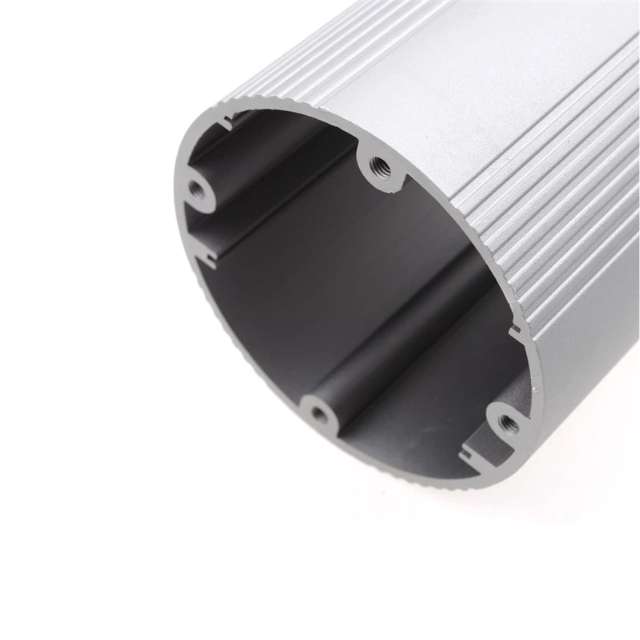
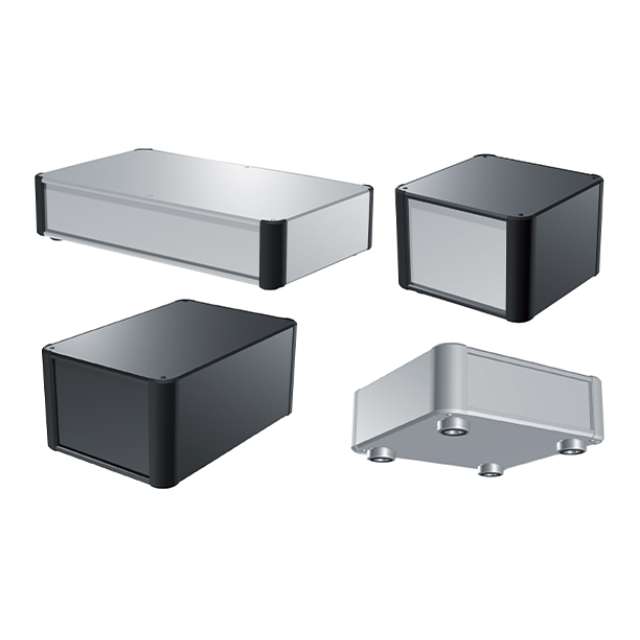
- Precision aluminum motor housing and aluminum screen extrusions.
- Support for aircraft aluminum extrusion grades (2024, 7075).
Surface Finishes and Aesthetics of Aluminum Extrusion Profiles
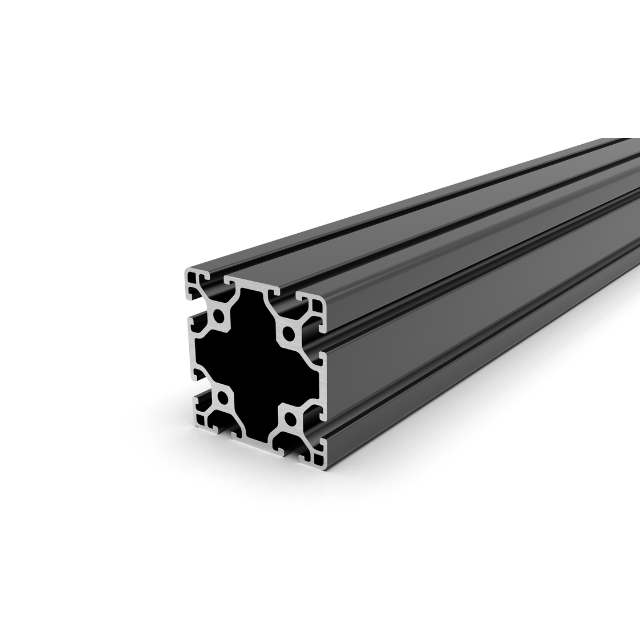
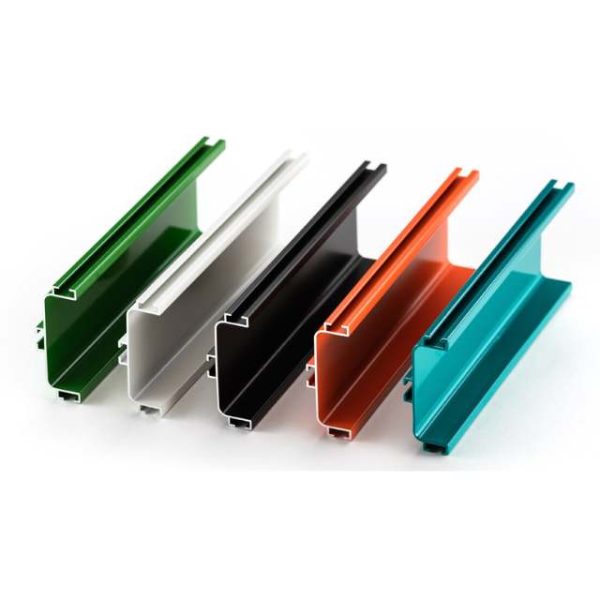
The look of your product matters as much as its function. We offer a full finish matrix to match your brand palette. Anodized aluminum extrusion provides a hard, corrosion-resistant layer — typically clear silver or matte. For a modern look, our black aluminum profile is a top seller for gaming setups and high-end furniture. We also deliver powder-coated aluminium extrusions in any RAL color for architectural projects.
- Durable black t slot aluminum finishes with matte or gloss options.
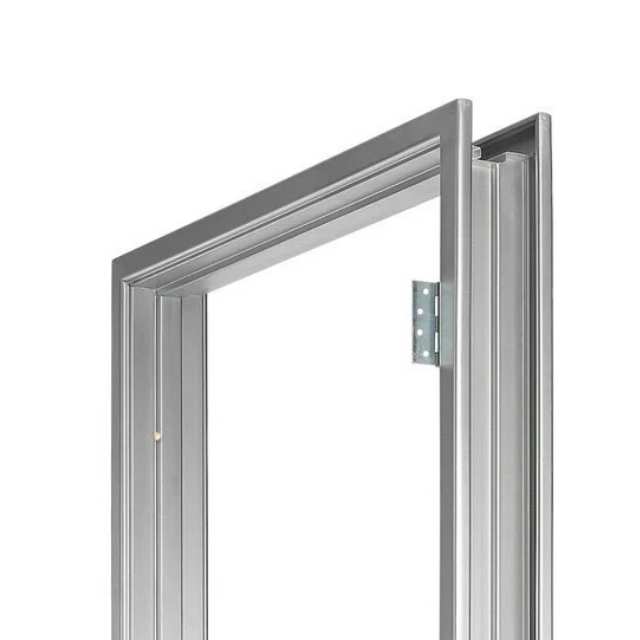
- Weather-resistant coatings for aluminum exterior trim.
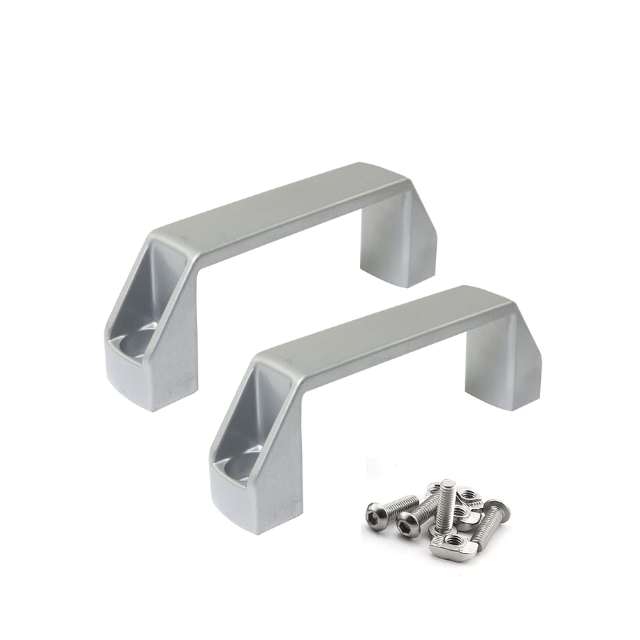
- Brushed and polished finishes for aluminium handle extrusion.
WHY XINGYONG
Why Choose Xingyong Aluminum Extrusion Profiles
You need a manufacturing partner that delivers consistent quality at scale. Xingyong combines premium billets, massive press capacity, and strict quality control so every structural aluminium profile or precision component performs in your application. Whether you’re a distributor sourcing a dependable aluminum profile supplier or an OEM needing complex fabrication, our ISO-certified factory scales with your growth.
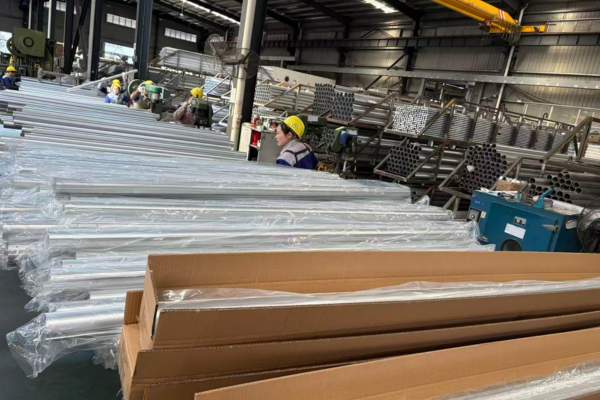
01 · SCALE
Massive Production Capacity
Large orders ship on time, every time. Our factory operates 14 extrusion presses from 350T to 2000T, producing everything from tiny precision aluminium extrusion parts to heavy-duty large aluminum extrusion beams on the same site.
- Capacity: 3,000 tons per month minimizes lead times.
- Flexibility: 350T to 2000T presses cover all sizes.
- Efficiency: Automated run-out tables for straighter profiles.
02 · MATERIAL
Premium Raw Materials
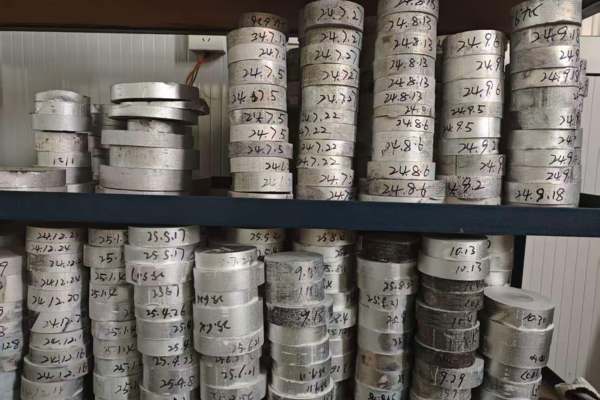
We use high-grade 6000 series alloys (6063, 6061, 6005) so your aluminum extrusion profiles get excellent mechanical properties and smooth surface quality. Unlike suppliers running recycled scrap, our rigorous billet sourcing ensures every anodized aluminum extrusion takes color evenly and resists corrosion for years.
- Purity: Primary billets for consistent hardness.
- Alloys: Specialized in 6061, 6063, and 6005.
- Finish: Smoother surfaces for better anodizing results.
03 · CUSTOMIZATION
Deep Customization & OEM
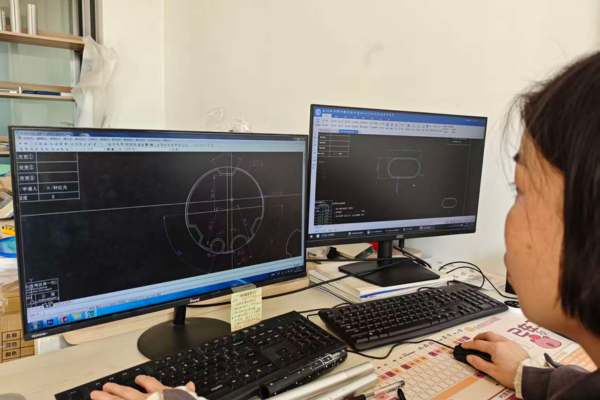
We open new dies, adjust tempers, and run pilot batches to prove fit before mass production. Match an existing SKU or launch a new retail SKU — you control the shape, finish, fabrication, and branding end to end.
- Custom die opening in 15–25 days with DWG / STP / IGS files.
- Logo printing, laser marking, and private-label packaging.
- Length cutting, CNC machining, drilling, tapping, bending.
04 · QUALITY LAB
Certified Quality Control Lab
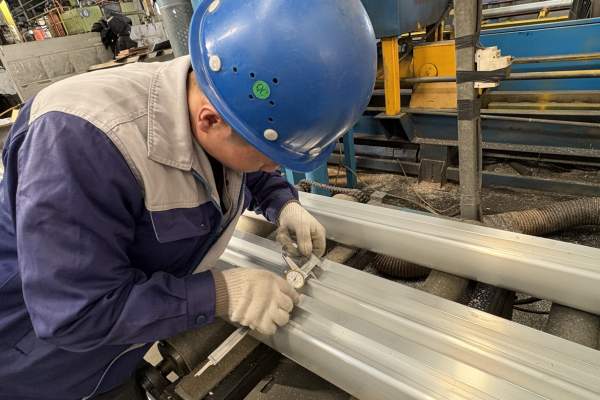
Every batch of standard aluminium extrusions is audited for dimensional accuracy and alloy composition. With IATF 16949:2016 and ISO 9001:2015 certification, your t slot aluminium extrusion meets international safety and performance standards.
- Testing: Chemical spectrometry + tensile / hardness analysis.
- Standards: REACH, RoHS, ISO 9001, IATF 16949 compliance.
- Precision: Strict tolerance checks for assembly fit.
05 · LOGISTICS
Supply Chain Stability
Stable supply for your aluminum profile 40×40 and other inventory staples. Our team manages the whole process — from extrusion to powder-coated aluminium extrusions, packing, and container loading — so you can focus on sales instead of chasing orders.
- Reliability: Proven track record with major international buyers.
- Logistics: Efficient packing, container loading, FOB / CIF terms.
- Service: Dedicated English-speaking project managers.
FAQ
FAQ of Aluminum Extrusion Profiles
Can you manufacture custom aluminum extrusions based on my drawing?—
Yes, absolutely. We specialize in custom aluminum extrusions for OEM clients. Our engineering team assists with designing aluminum extrusions that are manufacturable and cost-effective. We open new dies for your specific shape — whether a complex aluminum heat sink extrusion or unique architectural trim. We accept CAD files (DWG, STP, IGS) and provide first-article samples before mass production.
Do you have standard T-slot profiles in stock?+
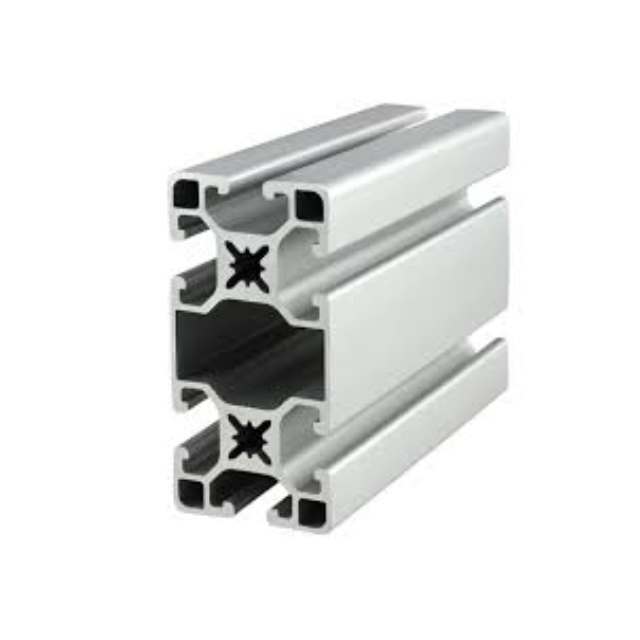
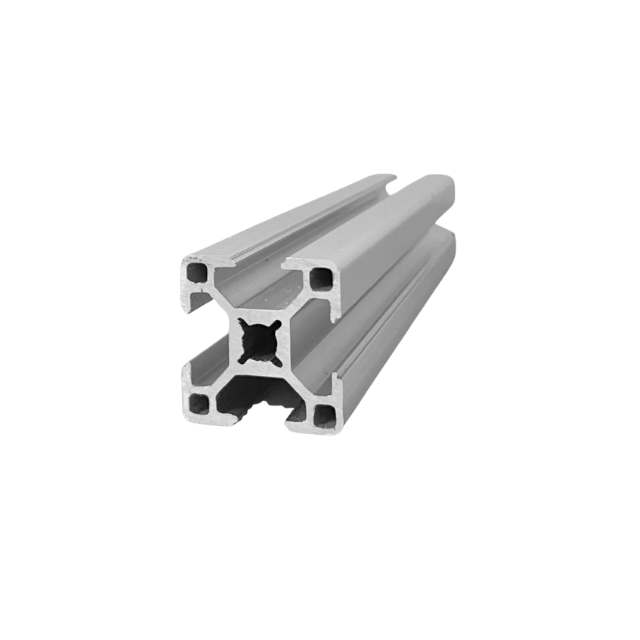
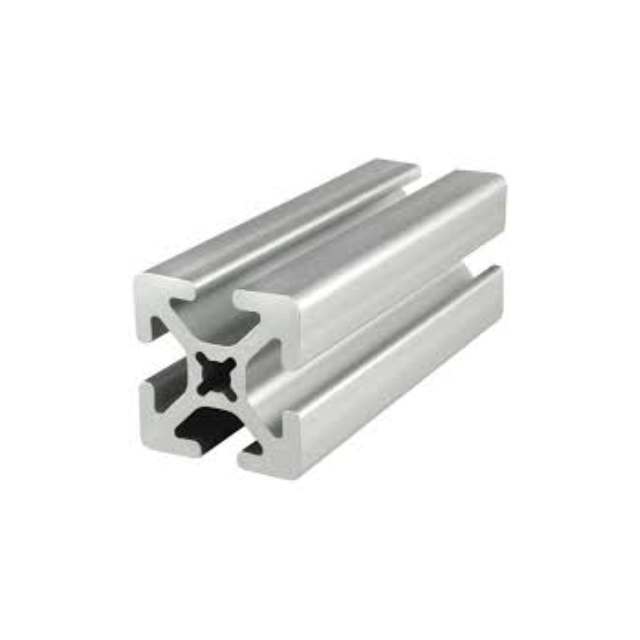
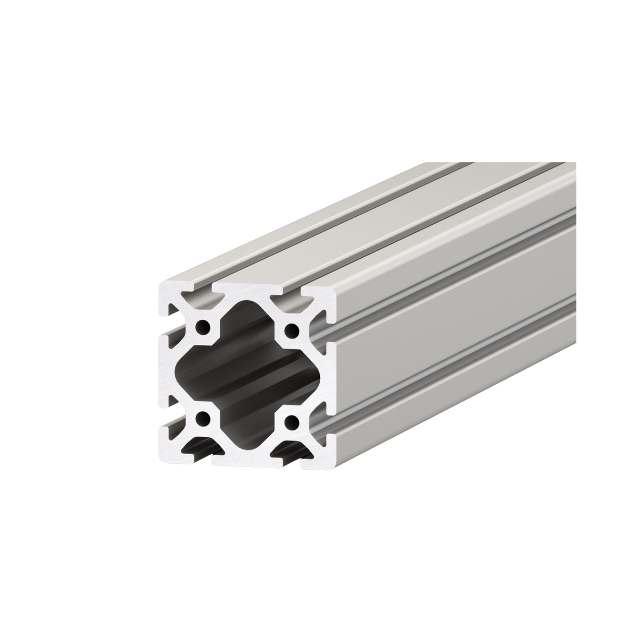
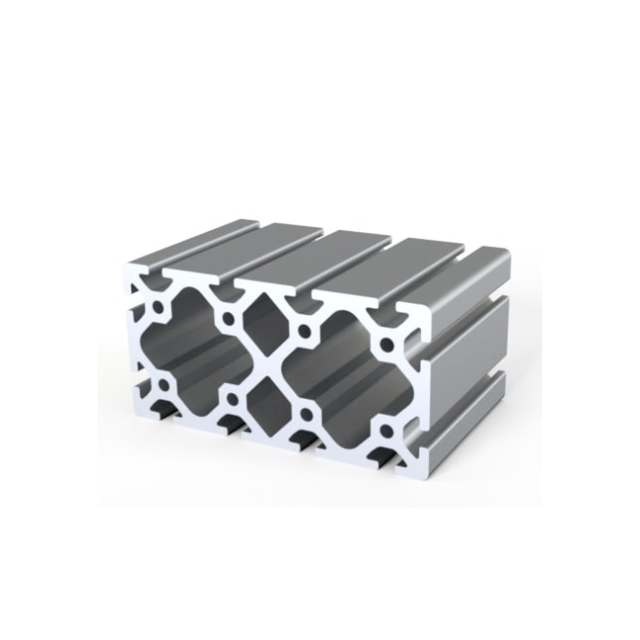
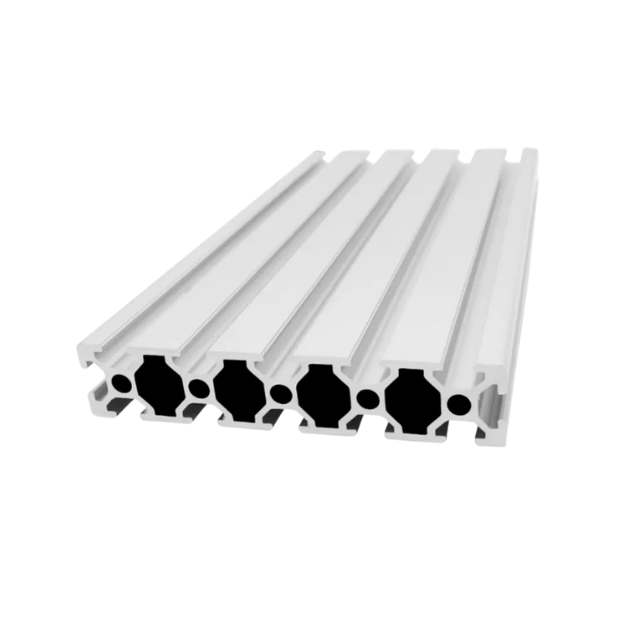
We keep extensive dies for standard aluminium extrusions, including the popular t slot aluminium extrusion series — 2020, 3030, 4040, 8020, and heavy-duty 80×160 profiles. We primarily manufacture to order for fresh surface quality, but can set up dedicated stocking programs for long-term partners needing regular shipments of aluminum framing extrusion systems.
What surface finishes can you provide?+
We run a full in-house finish matrix to protect and beautify your profiles. Two automated lines produce high-quality anodized aluminum extrusion in clear, matte, or colored films (8–25μm). Our sleek black aluminum profile is popular in display frames and electronics. We also provide powder-coated aluminium extrusions in any RAL color, plus sandblasting, wood-grain transfer, and PVDF effects.
What is the maximum size profile you can extrude?+
Our 2000-ton press produces large aluminum extrusion shapes up to 250mm CCD (shape-dependent). At the other end, our 350-ton and 500-ton presses handle tiny precision aluminium extrusion parts with thin walls and tight tolerances. This range makes us a versatile aluminum profile supplier for both delicate electronics and heavy structural projects.
How do you handle packing and shipping for export?+
Aluminum extrusion profiles can be damaged in transit if mishandled. We use protective film, EPE foam, Kraft paper, and custom wooden crates or pallets depending on product type. For aluminum tube extrusion and polished items, we add extra anti-scratch layers. Containers are loaded directly at our factory so goods arrive at your warehouse in original condition.
Technical Support
Related Aluminum Extrusion Profiles Blog Guides
Explore practical buying, specification and application guidance related to this product.
 English
  Español
  Français
  Deutsch
  Português