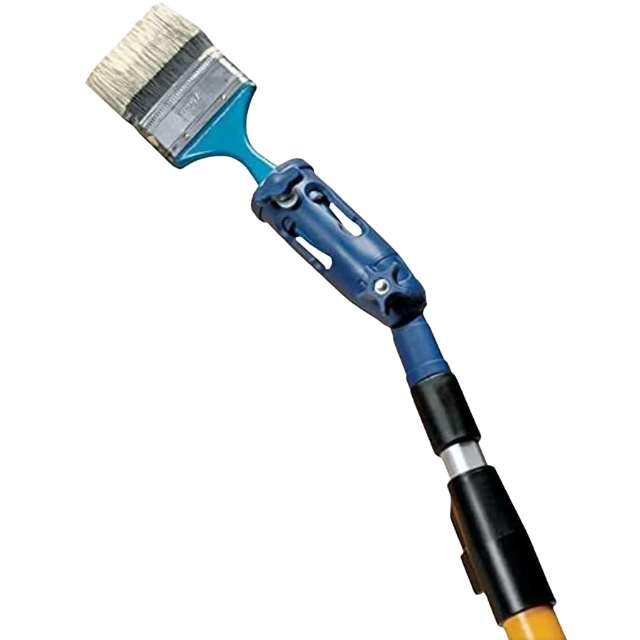
Painting & Roller Tools
Pole structures for rollers and brushes used on ceilings, walls and elevated painted surfaces.
View Painting Poles →
Brush Extension Pole Factory
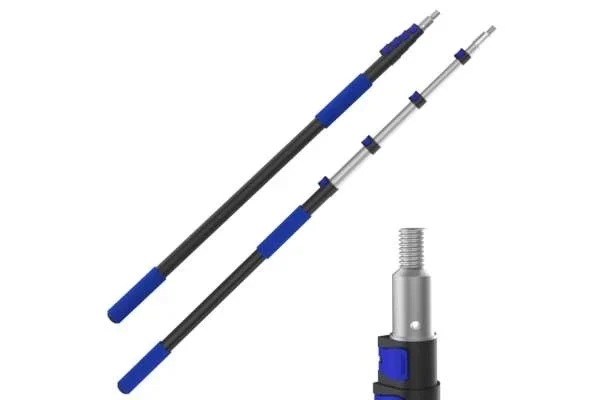
Xingyong develops aluminum brush extension poles for cleaning, painting and maintenance brands. The tube, lock and brush interface are matched around your target reach, working load, surface environment and packaging plan.
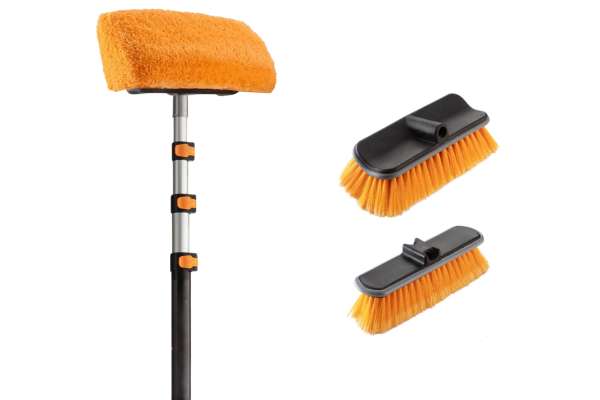
Product Overview
A brush extension pole lets operators work at reach while retaining control over the brush head. The right solution depends on the tool interface, brush weight, push force, operating height and the environment—dry painting, wet washing, vehicle care or exterior maintenance.
Xingyong builds aluminum pole structures that connect securely to the intended brush head. Buyers can specify the section count, lock method, thread or push-fit connection, surface finish, grip and product presentation for their market.
Why Us
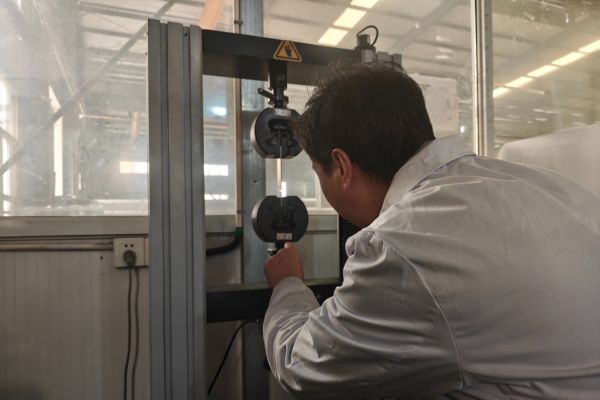
Brush work creates side force, rotation and repeated pushing loads. A generic pole can feel unstable or put unnecessary stress on the head connection, so we develop the critical interfaces together.
Review lock and connector matching and anodizing and surface finishes when developing the final specification.
Applications
Pole structures for rollers and brushes used on ceilings, walls and elevated painted surfaces.
View Painting Poles →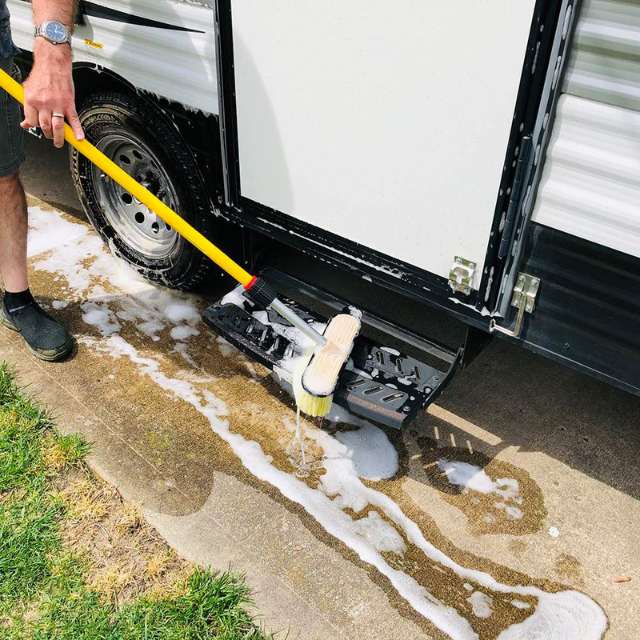
Matched poles for wash-brush programs that require controlled reach across larger vehicle surfaces.
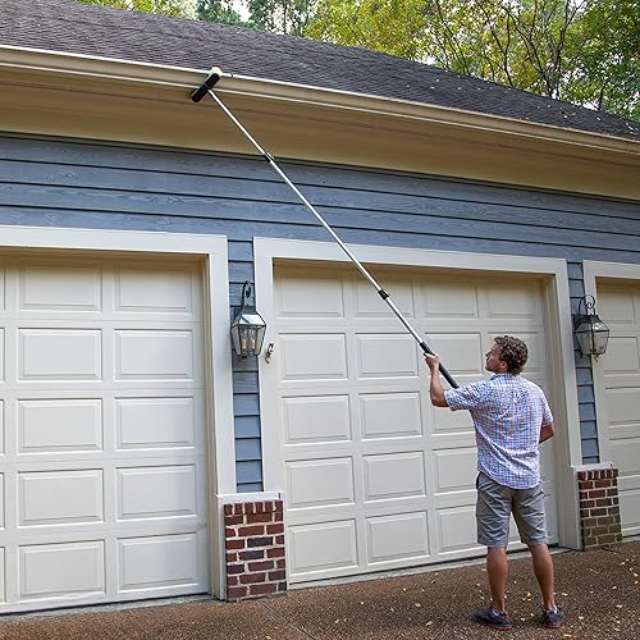
Long-reach pole configurations for exterior brush work where safe ground-level access is important.
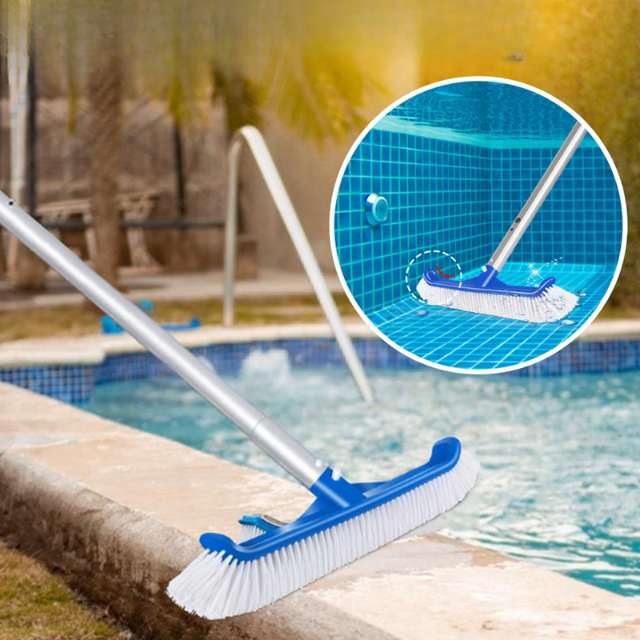
Anodized aluminum poles for brush heads and other pool-maintenance accessories.
View Pool Brush Poles →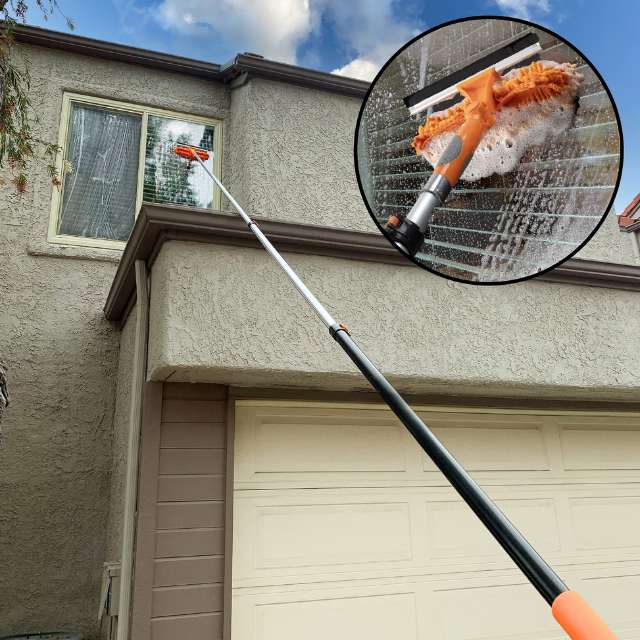
Lightweight brush-pole structures for glass, frames and other elevated cleaning surfaces.
View Window Cleaning Poles →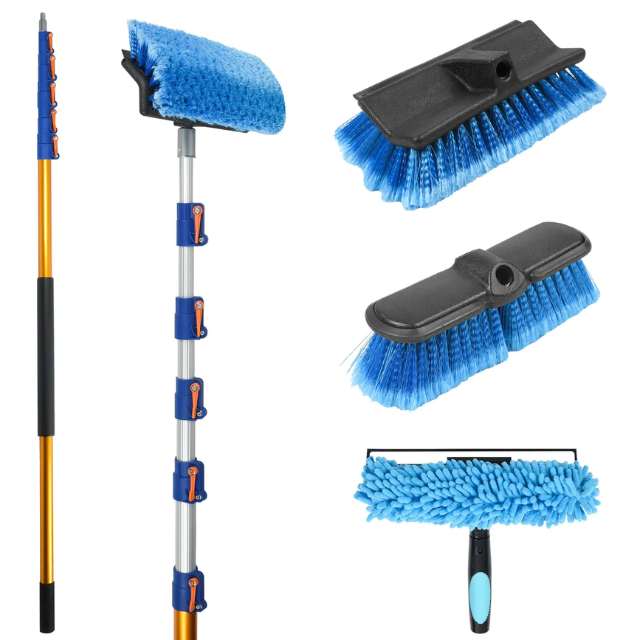
Tube and lock configurations selected for demanding scrubbing, deck and floor cleaning tasks.
Specifications
| Selection Area | Typical Options | What to Confirm |
|---|---|---|
| Pole structure | Fixed, sectional or telescopic | Working reach and storage requirement |
| Tube configuration | Specified diameter and wall thickness | Brush weight, side force and user handling |
| Lock system | Twist, flip or matched lock design | Adjustment preference and holding requirement |
| Tool interface | Threaded, push-fit, taper or custom | Actual brush-head sample or dimensions |
| Finish | Anodized, coated or specified surface | Corrosion, appearance and wet-use conditions |
| OEM details | Grip, cap, color, logo and packaging | Brand positioning and retail channel |
OEM Development
Share the brush head, adapter or drawing so the thread and connection geometry can be reviewed.
Set the working and collapsed length, tube structure and lock behavior around the use case.
Approve the sample, finish, branding and packaging before release into the production plan.
Connection options can include threaded, tapered, push-fit and custom interfaces. Provide the actual brush or a dimensioned drawing to confirm compatibility.
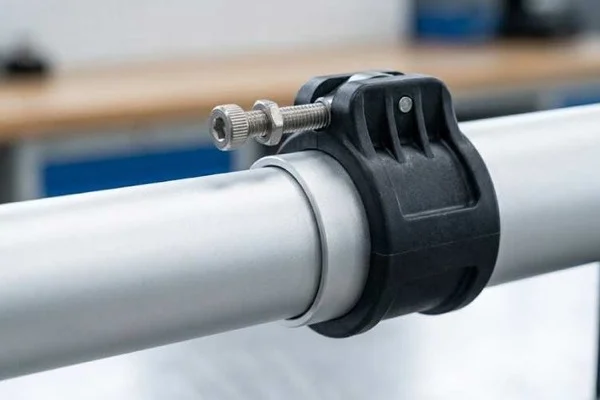
The best lock depends on required reach, working force and adjustment method. We compare the tube and brush load with the lock interface during specification review.
Yes, when the material, finish and end components are selected for the water exposure and cleaning environment.
Yes. OEM programs can include the required pole dimensions, finish, grip, marking and retail or bulk packaging.
Yes. A sample can be used to approve the pole-to-brush fit, handling and customer-facing details before production is released.
Related Products
Technical Support
Explore practical buying, specification and application guidance related to this product.
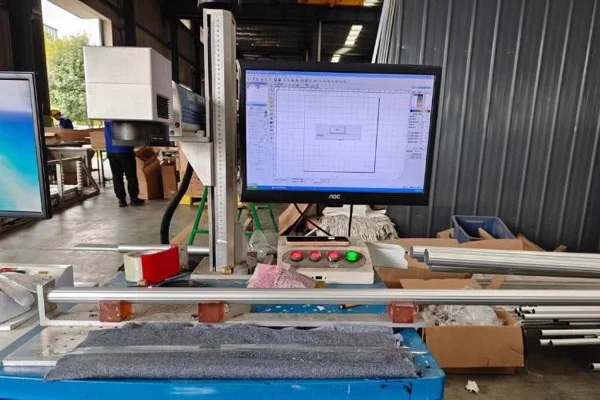
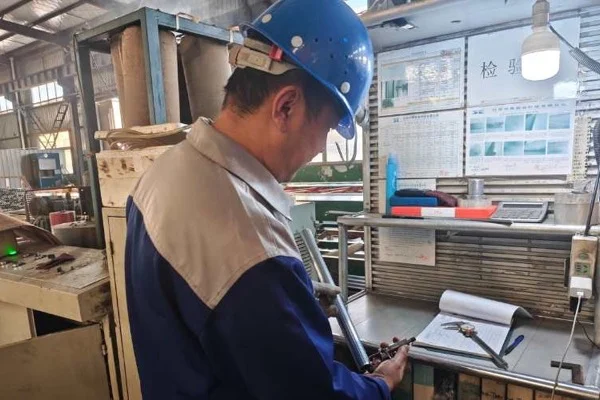
Send a brush-head sample, target reach and product brief. We will help define the pole structure and OEM requirements for your quotation.
 English English
  Español
 Français
 Deutsch
 Português