When people search for the melting point of aluminum, they usually expect a single number.
They often find 660 °C (1220 °F) — and stop there.
But in real manufacturing, that number alone is not enough.
If you work with aluminum extrusion, welding, anodizing, or powder coating, the way aluminum behaves near its melting point matters far more than the textbook value.
This is where many production problems — and buyer misunderstandings — begin.
What Is the Melting Point of Pure Aluminum?
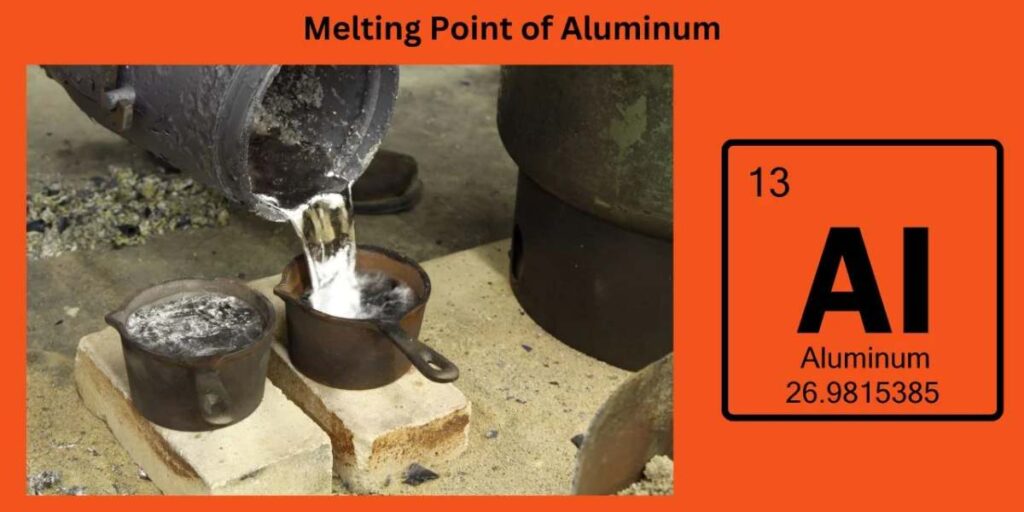
Pure aluminum melts at 660.3 °C (1220.5 °F) under normal atmospheric pressure.
This value is well established and referenced by standards bodies and sources.
However, pure aluminum is rarely used for structural or industrial products.
Why?
- It is soft and easily deforms
- It has low mechanical strength
- It cannot meet most load or durability requirements
Pure aluminum is mainly used in:
- Electrical conductors
- Foil and packaging
- Chemical or laboratory applications
For most real products, aluminum alloys are the norm.
Aluminum Alloys Do Not Have a Single Melting Point
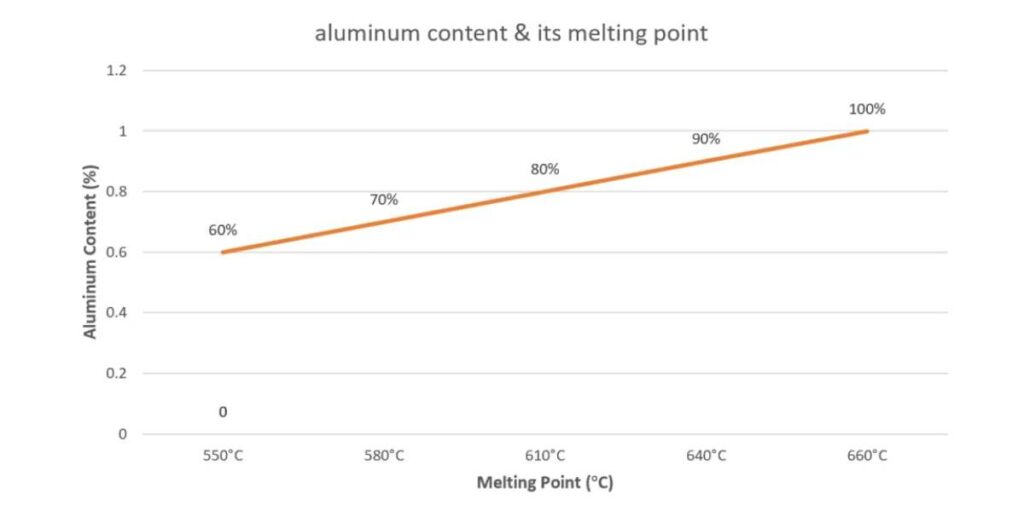
Unlike pure aluminum, aluminum alloys melt over a temperature range, not at one fixed point.
Typical melting ranges:
- 475–650 °C, depending on alloy composition
This happens because alloying elements such as:
change how the metal transitions from solid to liquid.
Why this matters in production:
- Partial melting can occur before full melting
- Surface structure can weaken without obvious visual signs
- Dimensional stability can be lost before the metal “looks melted.”
This is critical in extrusion, welding, and heat-based finishing.
Why Melting Point Matters in Aluminum Extrusion
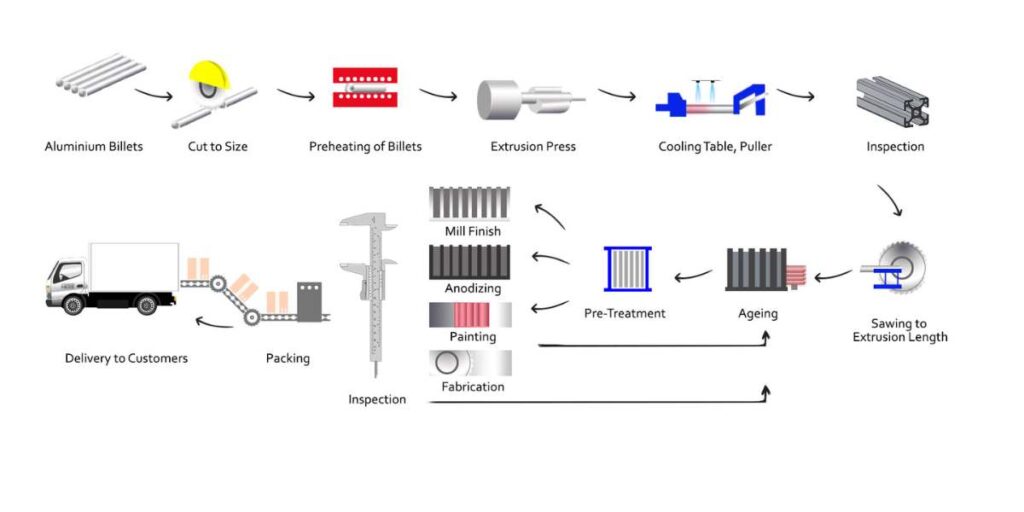
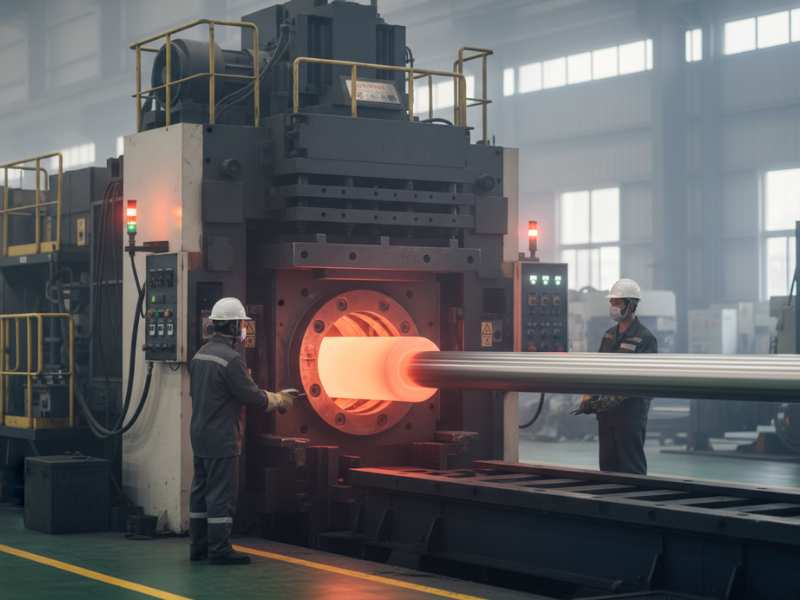
In aluminum extrusion, billets are heated close to — but never at — their melting range.
Typical billet temperatures:
- 430–500 °C, depending on alloy and profile design
If temperatures are too low:
- Material flow becomes unstable
- Surface tearing increases
- Tool wear accelerates
If temperatures are too high:
- Grain structure grows too large
- Surface defects appear
- Profiles can twist or collapse
This is why experienced factories tightly control:
- Billet temperature
- Die temperature
- Press speed and pressure
At Xingyong, this control is supported by 14 extrusion lines (350T–2000T), allowing different alloys and cross-sections to run within safe thermal windows instead of forcing one setup to fit all.
Melting Point vs. Welding Reality
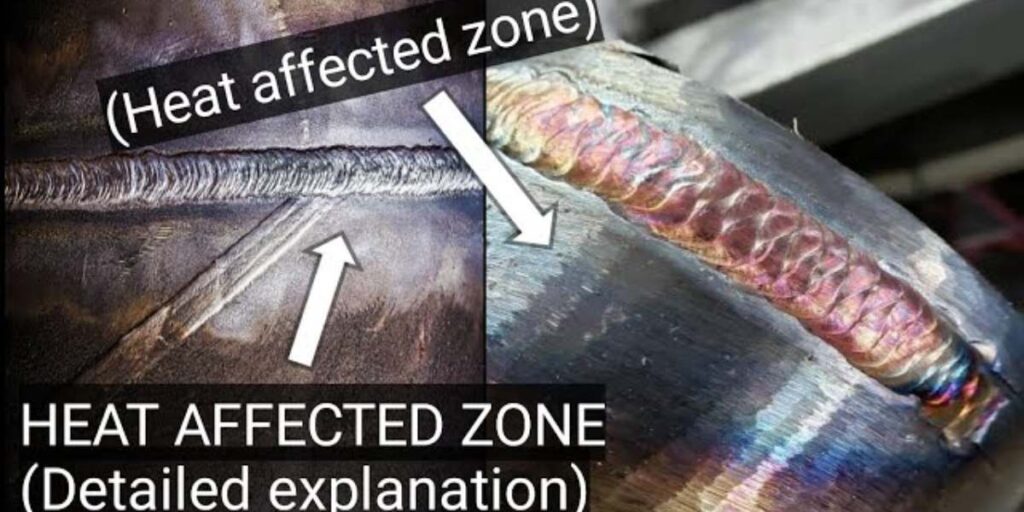
Many buyers are surprised by how fast aluminum fails during welding.
This is not because aluminum has a “low” melting point — but because:
- It conducts heat very quickly
- It has no clear color change before melting
- The solid-to-liquid transition is abrupt
Common welding issues caused by poor heat control:
- Burn-through
- Sudden collapse of thin sections
- Weak joints despite the correct filler material
Understanding the effective melting range of the alloy helps prevent these failures.
Does Anodizing or Powder Coating Risk Melting Aluminum?
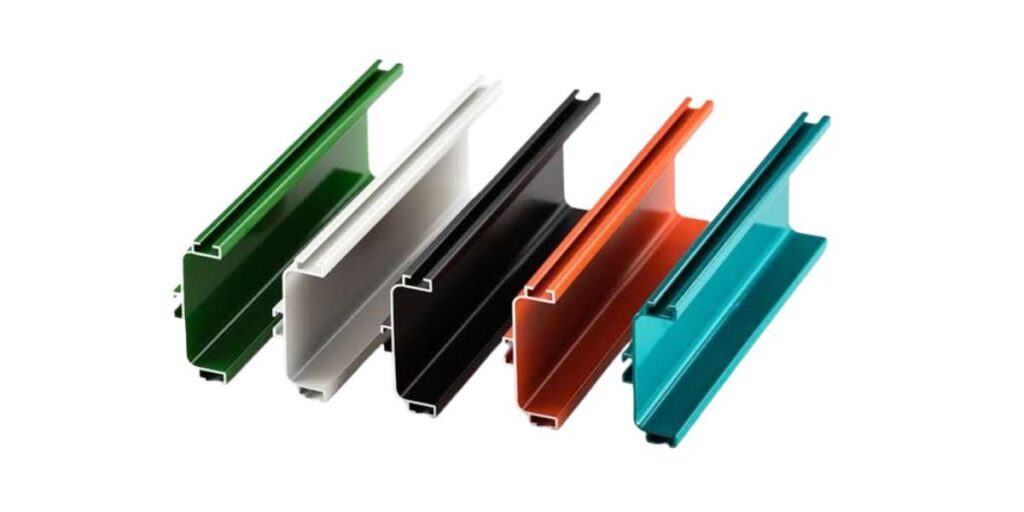
In surface finishing, melting point is often misunderstood.
Anodizing
- Process temperatures are typically 20–30 °C
- Far below any melting risk
- The real risks are chemical balance and surface prep, not heat
Powder Coating
- Curing temperatures are usually 180–200 °C
- Still safely below aluminum’s melting range
However, problems can occur when:
- Thin-wall profiles heat unevenly
- Alloy selection is incorrect
- Profiles were already stressed during extrusion
This is why alloy choice and upstream process control matter as much as the coating itself.
Real Manufacturing Failures Linked to Misunderstanding Melting Point
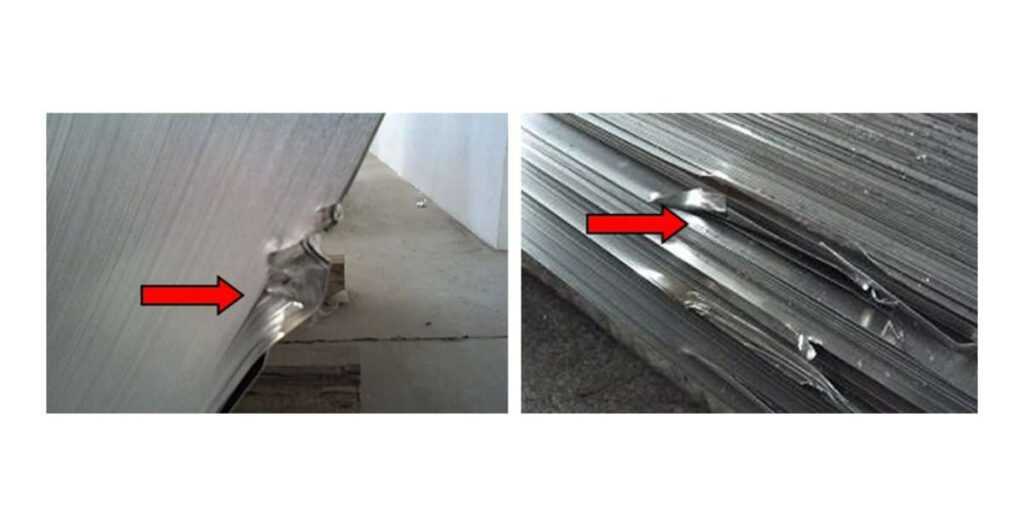
In factory environments, melting-point misunderstandings often show up as:
- Profile deformation after heat treatment
- Warping during powder curing
- Surface collapse near weld seams
- Inconsistent straightness in long telescopic tubes
These failures are expensive because they:
- Appear late in production
- Cannot be fixed by rework
- Lead to scrap, delays, or rejected shipments
They are rarely caused by “bad aluminum” — but by incorrect thermal assumptions.
What Buyers Should Ask Their Aluminum Supplier
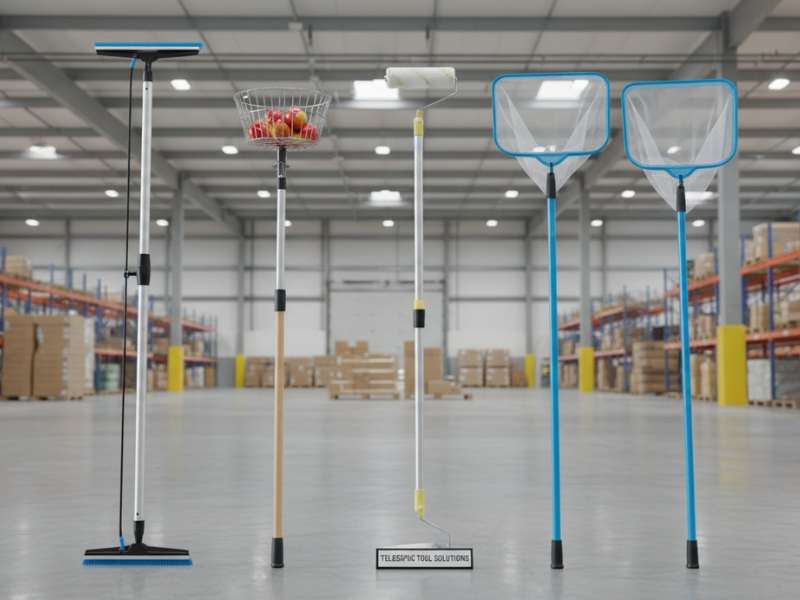
If you source aluminum telescopic poles or pool equipment components, these questions matter more than the melting-point number:
- Which alloy is used, and why?
- What extrusion temperature range is controlled?
- How is batch-to-batch consistency verified?
- How thin can wall thickness go without deformation?
- What testing confirms stability after finishing?
At Xingyong, these answers are backed by:
- An in-house testing center with spectrometers and hardness testers
- Monthly output of 3,000 tons
- Certifications including ISO 9001, ISO 14001, and IATF 16949
Summary: Melting Point Is a Reference, Not a Guarantee
The melting point of aluminum is easy to look up.
Building stable, repeatable aluminum products is not.
What separates reliable suppliers from risky ones is:
- Alloy knowledge
- Temperature control
- Process discipline
- Verification at every stage
If you want aluminum telescopic poles that stay straight, strong, and consistent, the melting point is just the starting line.
Ready to Go Further?
- Request a sample
- Contact our export team
Learn more about our aluminum telescopic poles and manufacturing capabilities on poolpole.com.