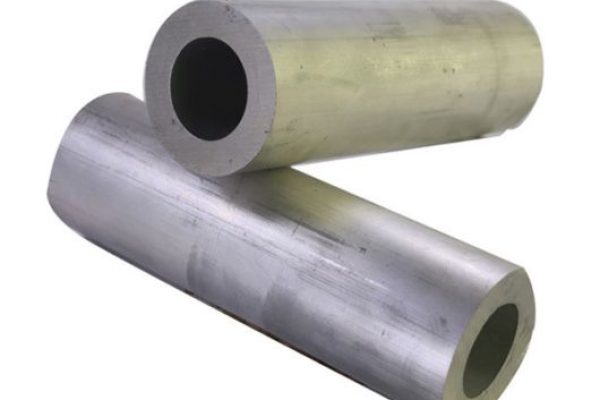
Choosing the right aluminum alloy affects more than strength. It impacts extrusion yield, surface finish, lead time, and long-term supply stability.
If you’re deciding between 6061 and 7075 for aluminum extrusion profiles, this guide breaks it down in practical, factory-level terms—so you can make a confident choice.
The Short Answer: “Better” Depends on How You Use It
Many buyers ask one simple question: Which alloy is better?
The real question is: Better for what?
- For most aluminum extrusion profiles, 6061 is the better choice.
- 7075 is stronger on paper, but rarely practical for extrusion.
- For OEM and retail programs, consistency often matters more than peak strength.
Understanding why saves time, cost, and rework.
6061 and 7075: A Quick Material Snapshot
Here’s a simple comparison to set the context.
6061 Aluminum
- Aluminum–magnesium–silicon alloy
- Designed for extrusion and forming
- Good strength, excellent workability
- Stable anodizing and surface finish
7075 Aluminum
- Aluminum–zinc–magnesium–copper alloy
- Very high strength
- Designed mainly for machining, not extrusion
- Limited forming window
Both are proven alloys—but built for different jobs.
Strength vs Manufacturability: Where Confusion Starts
7075 clearly wins on strength numbers.
- 7075-T6 tensile strength: ~570 MPa
- 6061-T6 tensile strength: ~310 MPa
On paper, 7075 looks superior.
In extrusion reality, strength is only part of the story.
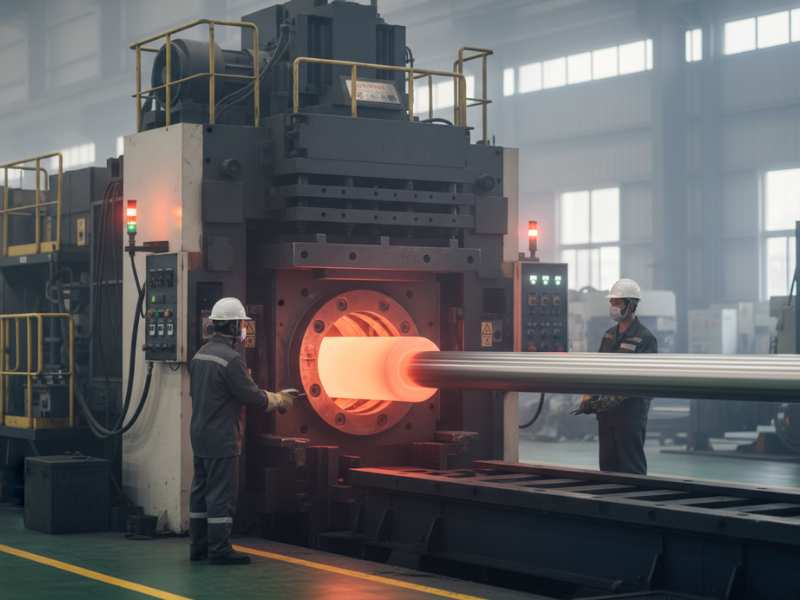
- Higher-strength alloys resist metal flow
- Poor flow increases extrusion pressure
- Higher pressure raises cracking and scrap risk
That’s where 7075 runs into trouble.
Why 6061 Is the Workhorse of Aluminum Extrusion Profiles
6061 is used across construction, industrial tools, and consumer products for good reason.
Key advantages for extrusion:
- Smooth metal flow through complex dies
- High yield rates on long and thin profiles
- Stable dimensions across large batches
- Consistent anodizing and powder coating results
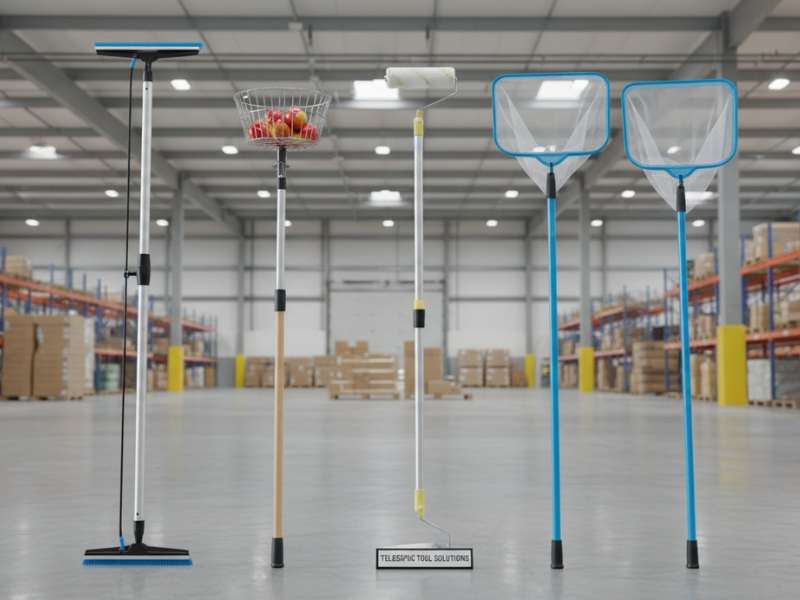
For products like aluminum telescopic poles, pool cleaning poles, and structural profiles, 6061 delivers predictable results.
At Xingyong, most extrusion programs run 6061 because it supports volume production without surprises.
Why 7075 Is Rarely Used for Extrusion Profiles
Can 7075 be extruded? Technically, yes.
Should it be used for most profiles? Usually, no.
Common extrusion challenges with 7075:
- Narrow processing window
- High risk of surface cracking
- Shorter die life
- Difficulty holding tight tolerances on long profiles
These issues raise costs fast—especially for repeat orders.
Real Manufacturing Trade-Offs Buyers Should Know
From a factory perspective, the differences are clear.
- Die life: 6061 dies last significantly longer
- Scrap rate: 6061 runs cleaner in mass production
- Batch consistency: 6061 maintains stable mechanical properties
- Lead time: 6061 profiles move faster from extrusion to finishing
These factors directly affect your landed cost and delivery schedule.
Typical Applications: What Each Alloy Is Actually Used For
Where 6061 Makes Sense
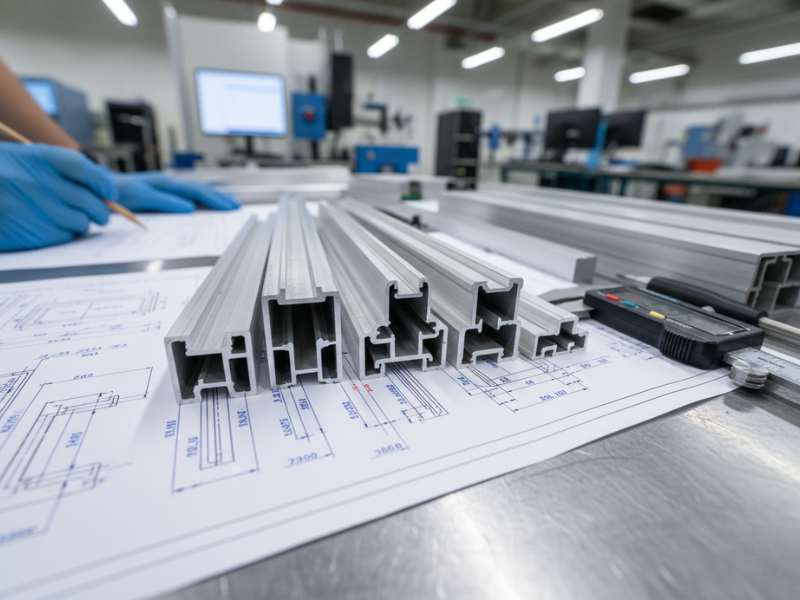
- Aluminum extrusion profiles
- Telescopic poles and tubes
- Pool cleaning equipment
- Structural frames and rails
- Retail-ready aluminum products
Where 7075 Is a Better Fit
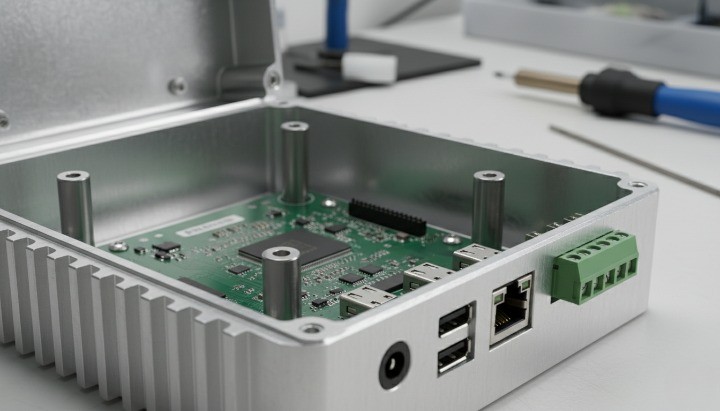
- CNC-machined blocks
- Aerospace fittings
- High-load mechanical parts
- Short, solid components
Different alloys. Different jobs.
Which One Should You Choose for Your Extrusion Project?
In most cases, 6061 is the right answer if:
- You need long or complex profiles
- Surface finish matters
- The product goes through anodizing
- You want stable pricing and supply
7075 only makes sense if:
- The part is short and machined
- Extreme strength is required
- Volume is low, and cost is secondary
Many buyers over-specify strength and pay for it later.
What OEM Buyers and Retail Programs Care About Most
For large programs, alloy choice is only one piece of the puzzle.
OEM and retail buyers focus on:
- On-time delivery
- Batch-to-batch consistency
- Low defect rates
- Long-term supply reliability
That’s why 6061 dominates extrusion-based products worldwide.
Work with an Extrusion Partner Who Knows the Difference
At Xingyong, extrusion decisions start with your application—not just a datasheet.
- 14 aluminum extrusion lines (350T–2000T)
- Monthly capacity of 3,000 tons
- Full in-house anodizing and deep processing
- OEM support from drawing review to mass production
If you’re planning aluminum extrusion profiles and want fewer risks, we’re here to help.
Contact our export team to discuss your project
FAQ
Can 7075 aluminum be extruded?
Yes, but it’s difficult and costly. It’s rarely used for long or complex profiles.
Is 6061 strong enough for structural applications?
Yes. For most consumer and industrial products, 6061 provides more than enough strength.
Why do most aluminum extrusion factories recommend 6061?
Because it offers the best balance of strength, manufacturability, surface finish, and supply stability.