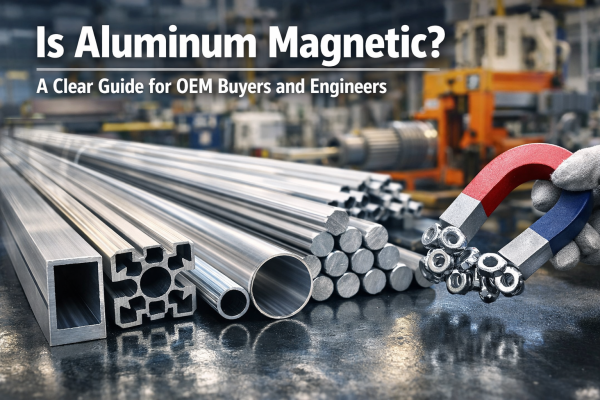
If you source aluminum parts for OEM production, this question is not theoretical: is aluminum magnetic?
We’ve seen real situations where batches were delayed, inspections slowed down, or supplier discussions became complicated — all because aluminum’s magnetic behavior was misunderstood. In modern factories, magnetism is often used for sorting and quick checks. When expectations are wrong, problems follow.
This article gives you a clear answer, explains what really happens on the production floor, and shows why this detail matters when you buy aluminum poles, tubes, and extruded components.
Short Answer: Aluminum Is Not Magnetic
Aluminum does not stick to a magnet like steel or iron.
- Permanent magnets do not attract aluminum
- Aluminum does not hold magnetism
- In real-world use, aluminum is treated as non-magnetic
This is why aluminum is widely used in applications where magnetic interference, corrosion, or excess weight would cause trouble.
Why Aluminum Is Non-Magnetic (Without Physics Headaches)
Magnetism depends on how atoms behave inside a metal.
- In steel, tiny magnetic regions line up and lock together
- In aluminum, those regions never lock in place
- The result: no lasting magnetic attraction
You may see aluminum move near a strong magnet. That movement comes from temporary electrical effects, not true magnetism. Once the magnet is gone, aluminum returns to normal.
Why This Matters in Manufacturing and Sourcing
In real factories, magnetism is more than a science topic. It’s a practical tool — and a common source of confusion.
- Material sorting: Magnetic separators remove steel from aluminum streams. Aluminum’s non-magnetic nature allows clean separation when operators know what to expect.
- Incoming inspection: Some buyers wrongly expect aluminum to react to magnets. This can lead to false rejections and unnecessary back-and-forth.
- Mixed-material products: When aluminum and steel are used together, magnet checks help confirm correct material placement — but only if standards are clear.
- Automation lines: Non-magnetic aluminum parts work smoothly around sensors, tools, and automated handling systems.
For OEM buyers, misunderstanding magnetism can slow inspections, increase rejection rates, and delay shipments.
Aluminum vs Steel: A Difference That Impacts Your Product
Magnetism is only one part of the decision, but it often points to bigger differences.
- Weight: Aluminum weighs about one-third as much as steel
- Corrosion resistance: Aluminum does not rust
- Handling: Easier lifting, faster assembly, lower freight cost
- Maintenance: No rust flakes or magnetic buildup over time
For long products like telescopic poles, these factors directly affect usability, shipping efficiency, and service life.
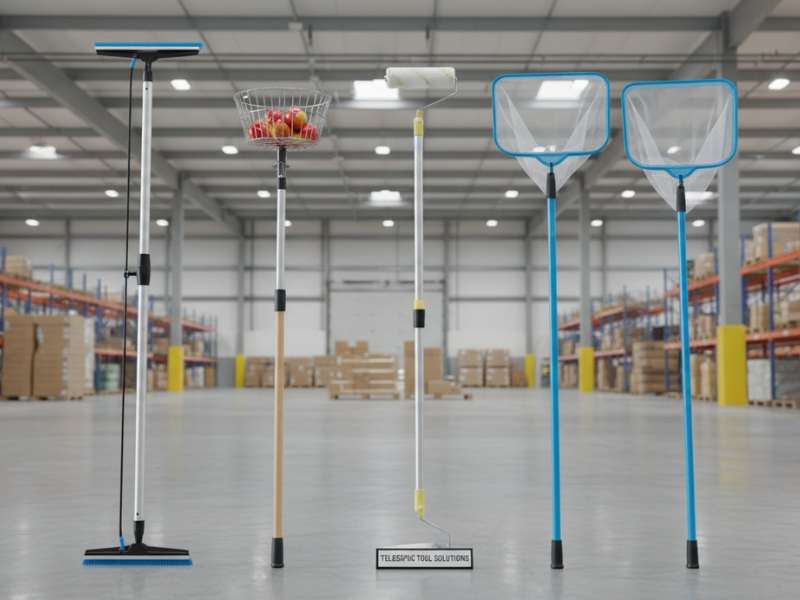
Real-World Example: Aluminum Pool Poles and Telescopic Handles
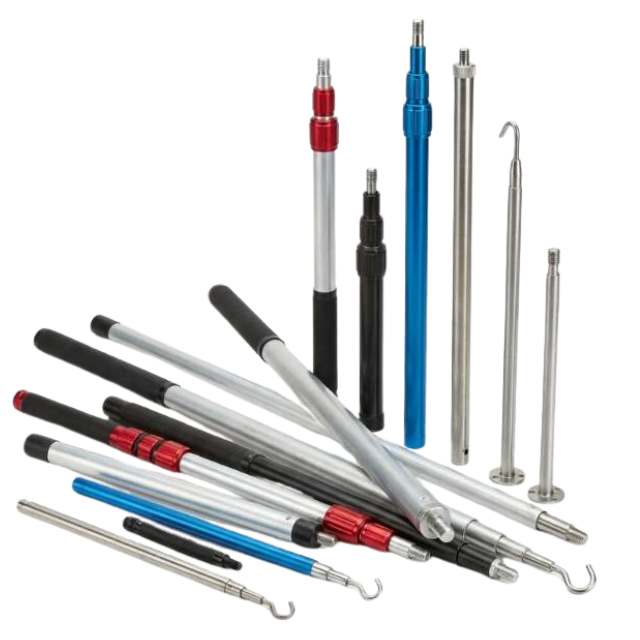

In pool and cleaning equipment, aluminum is the preferred material.
- Non-magnetic behavior avoids interference with tools and attachments
- Lightweight construction reduces operator fatigue
- Corrosion resistance performs well in wet and chemical environments
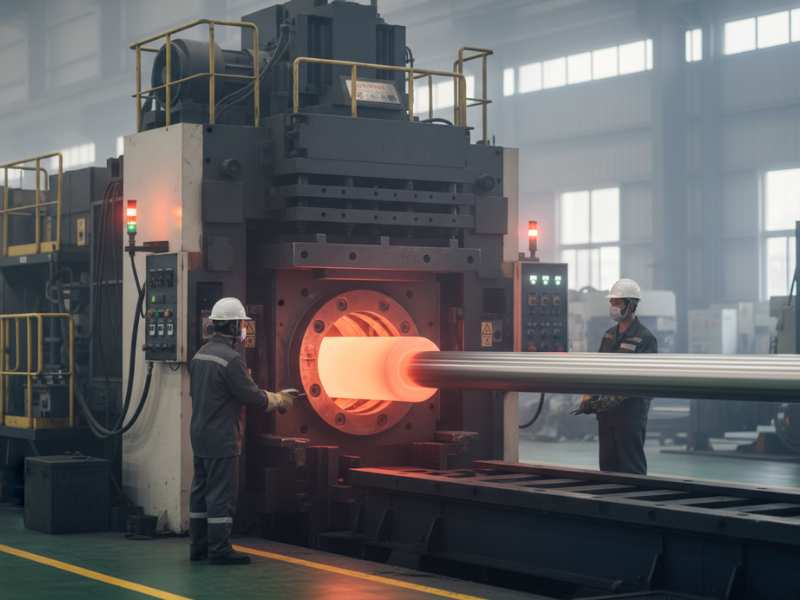
At Xingyong, we have manufactured aluminum telescopic poles since 2002. With a monthly output of around 3,000 tons, we manage mixed-material production every day. Aluminum’s non-magnetic behavior is one reason it remains stable and predictable across large OEM programs.
Common Myths About Aluminum and Magnets
These misunderstandings come up often during sourcing discussions.
- “Aluminum sticks to magnets sometimes.”
Movement near a magnet is not attraction. - “Aluminum alloys become magnetic.”
Standard extrusion alloys remain non-magnetic. - “Surface treatment adds magnetism.”
Anodizing, sandblasting, and polishing do not change magnetic behavior.
Clear understanding here helps avoid incorrect material substitutions.
FAQ: Questions Buyers Commonly Ask
Is aluminum foil magnetic?
No. Aluminum foil is non-magnetic.
Can aluminum interfere with magnetic tools or sensors?
No. Aluminum does not block or distort magnetic fields.
Does anodizing affect magnetism?
No. Anodizing only changes surface protection and appearance.
Is aluminum safe near electronic inspection equipment?
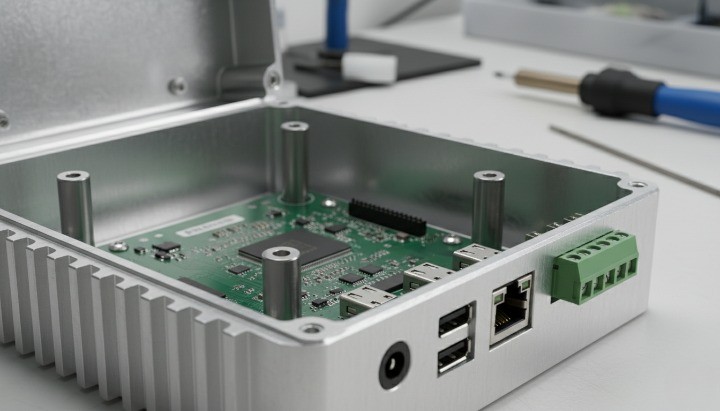
Yes. Aluminum is widely used around sensitive sensors.
How to Specify Aluminum for Non-Magnetic Applications
When magnetism matters, keep your specifications simple and clear.
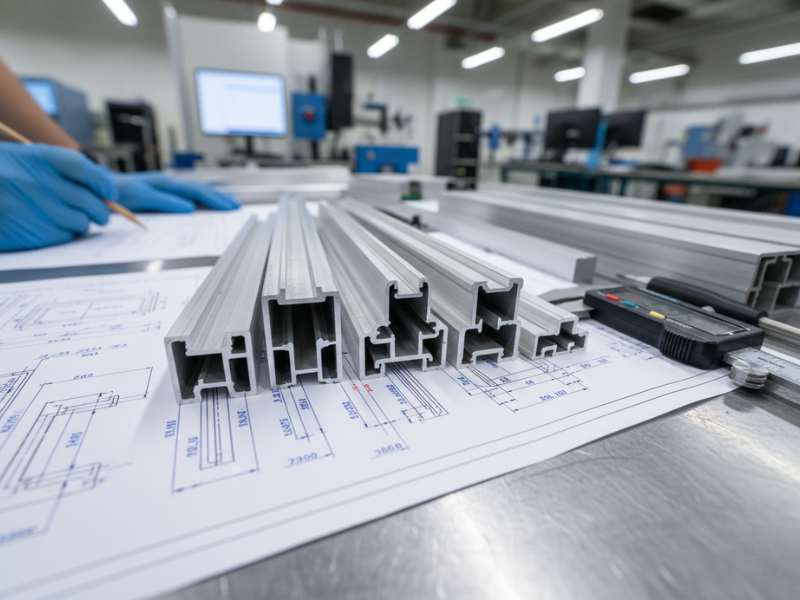
- Define the aluminum alloy clearly
- Confirm consistent composition across batches
- Align inspection methods with non-magnetic behavior
- Work with suppliers who test and document materials
Clear specs reduce inspection disputes and speed up approvals.
Work with a Manufacturer Who Understands These Details
Xingyong operates 14 aluminum extrusion lines, advanced anodizing facilities, and a full inspection center. We support OEM buyers, brand manufacturers, and large retail supply chains with consistent output and clear documentation.
If you source aluminum telescopic poles, pool cleaning handles, or custom extrusions:
- Request a sample
- Download technical specifications
- Contact our export team to discuss your project