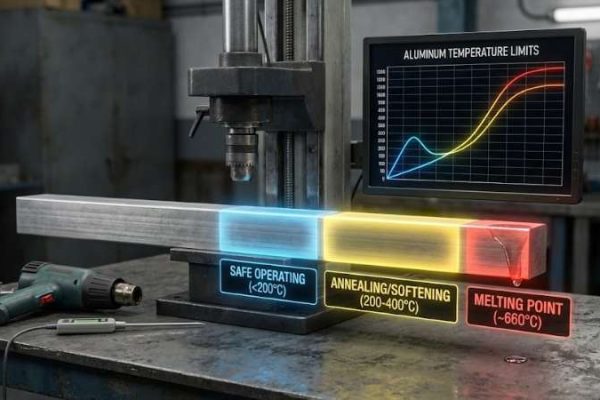
Aluminum is used everywhere—from building frames to pool poles—, but heat changes how it behaves.
So the real question is not “When does aluminum melt?” but “At what temperature does aluminum stop being reliable for your product?”
This guide explains the difference in clear, practical terms, especially for manufacturers, buyers, and OEM decision-makers.
Aluminum Melting Point vs Real-World Use
Aluminum melts at about 660 °C (1220 °F). That number is correct, but often misleading.
- The melting point only tells you when aluminum turns liquid
- Most aluminum products fail long before melting
- Strength, stiffness, and shape stability drop as temperature rises
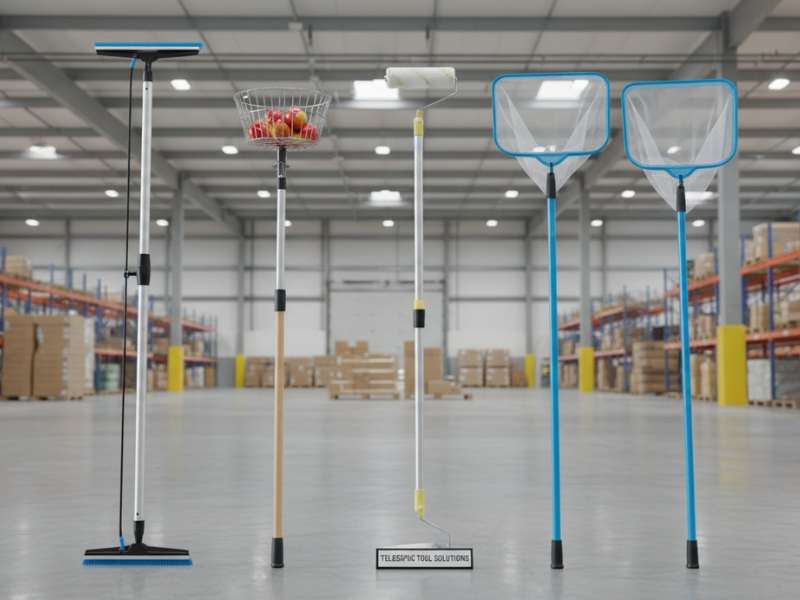
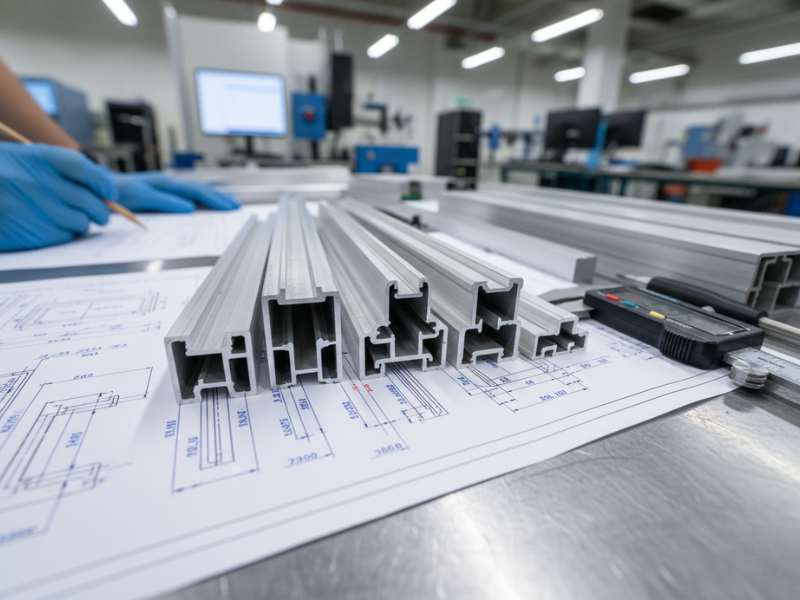
For real products—extruded profiles, telescopic poles, structural tubes—the usable temperature limit is much lower.
What Happens to Aluminum as Temperature Rises
Heat changes aluminum gradually, not suddenly.
- Below 100 °C (212 °F):
Mechanical properties stay largely stable - 150–200 °C (300–390 °F):
Yield strength begins to drop noticeably - Above 200 °C (390 °F):
Strength loss can reach 30–50%, depending on the alloy - Long exposure:
Softening, creep, and permanent deformation become real risks
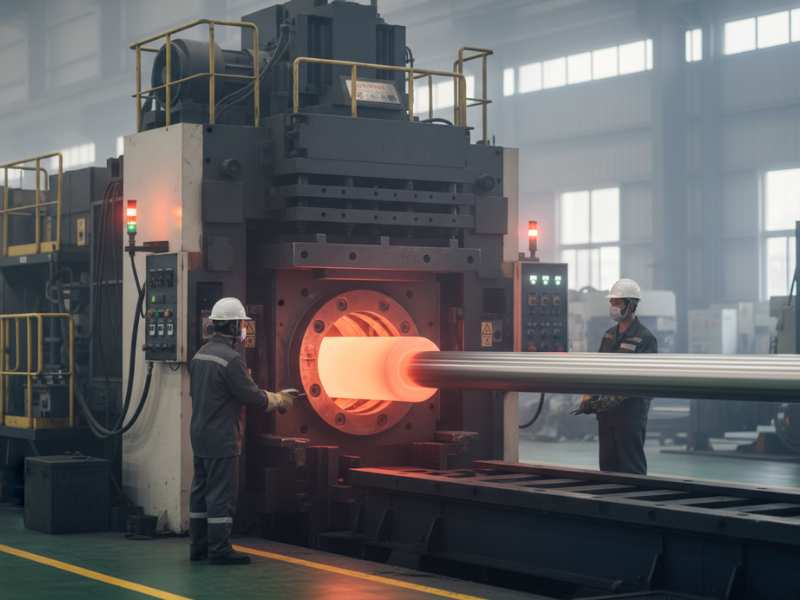
This is why aluminum rarely fails by melting—it fails by losing strength under load.
Short-Term Heat vs Long-Term Operating Temperature
Not all heat exposure is equal.
- Short heat spikes are usually acceptable
- Continuous heat is the real concern
- Time + temperature + load determine failure
For most extruded aluminum products, engineers focus on continuous operating temperature, not peak temperature.
Typical Safe Temperature Ranges for Common Aluminum Alloys
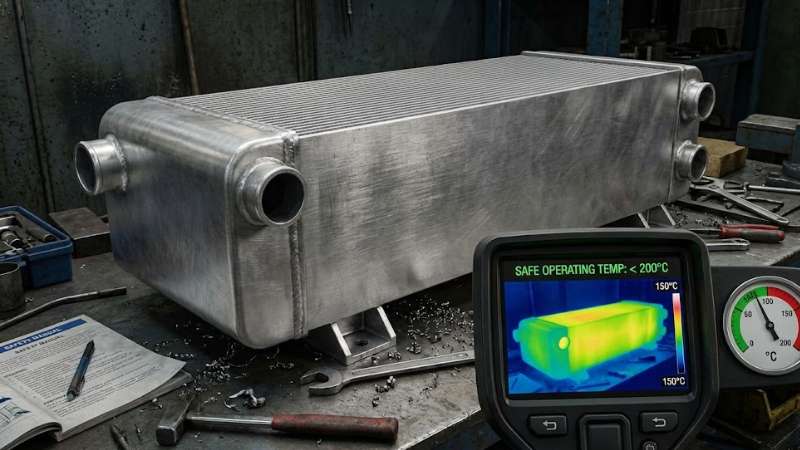
Different alloys behave differently, but practical limits are similar.
- 6063 / 6061 / 6005 extrusions
- Recommended long-term use: ≤100–120 °C
- Short exposure is possible above this range
- Structural stability matters more than absolute strength
- Wall thickness and profile design affect tolerance
For consumer and industrial products, designers usually stay conservative.
Does Anodized Aluminum Handle Heat Better?
Anodizing improves the surface, not the core metal.
- Improves corrosion and wear resistance
- Does not significantly raise heat resistance
- Color stability can be affected above ~120 °C
Anodized aluminum performs well in outdoor and sun-exposed environments, but it should not be treated as a high-temperature solution.
Real Applications — When Aluminum Is (and Isn’t) the Right Choice
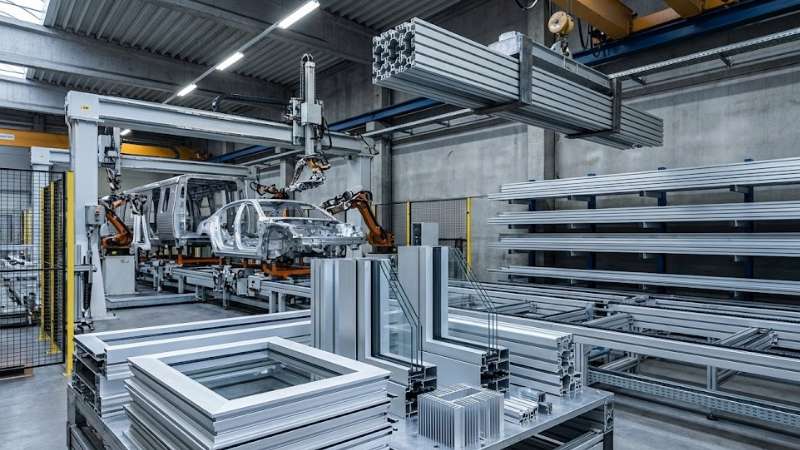
Aluminum works well in many heat-exposed uses—but not all.
Well-suited applications
- Outdoor equipment
- Pool poles and pool accessories
- Hand tools and frames
- Lightweight structural components
Not ideal for
- Continuous high-heat industrial zones
- Applications above ~150 °C under load
- Environments requiring long-term dimensional stability at high temperature
Understanding this boundary helps avoid costly redesigns.
Practical Guidance for Buyers and Product Designers
When evaluating aluminum for a product, ask the right questions.
- What is the continuous operating temperature?
- Is the part under load while heated?
- How long is the exposure—minutes or years?
- Which alloy and wall thickness are used?
Experienced extrusion suppliers design profiles with these factors in mind.
Why Manufacturers Care More About Stability Than Melting Point
In real production, failure usually looks like this:
- Bending or sagging
- Locking mechanisms are losing alignment
- Telescopic sections sticking
- Dimensional drift over time
That’s why professional manufacturers focus on thermal stability, not just material data sheets.
At Xingyong, extrusion design, alloy selection, and surface treatment are matched to real working conditions—not theoretical limits.
Final Takeaway
Aluminum is not “too hot” when it melts.
It’s too hot when it can no longer do its job safely and consistently.
- Melting point: ~660 °C
- Practical long-term limit for most products: ~100–120 °C
- Strength loss—not melting—is the real constraint
If you’re unsure whether aluminum fits your application, the right conversation starts long before temperature becomes a problem.