If you sell aluminum products across borders, the spelling question comes up sooner than you expect. Some buyers insist on “aluminum.” Others correct you to “aluminium.”
The good news is simple: both are correct. The better news is that choosing the right one can improve clarity, trust, and SEO.
This guide explains the difference, when to use each term, and what works best for international B2B trade.
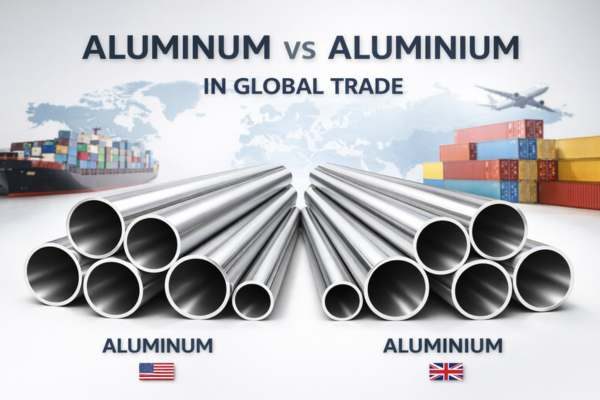
Aluminum vs Aluminium: The Simple Explanation
Aluminum and aluminium refer to the same metal. There is no difference in composition, grade, or performance.
The difference is language convention, not material science.
Aluminum
- American English spelling
- Used in the United States and widely in global trade
- Common in ASTM standards, purchase orders, and U.S. retail supply chains
Aluminium
- British English spelling
- Used in the UK, EU, Australia, and New Zealand
- Common in EN standards and EU-facing technical documents
Both spellings are accepted internationally. Problems only arise when usage is inconsistent.
Why the Spelling Choice Matters in B2B Sales
In consumer marketing, spelling differences rarely matter. In B2B manufacturing and procurement, they do.
Here’s why buyers notice:
Search behavior differs by region
U.S. buyers search “aluminum telescopic pole.”
EU buyers often search “aluminium telescopic pole.”Standards and documents follow language norms
ASTM documents use aluminum.
EN and ISO documents often use aluminium.Consistency signals professionalism
Mixed spelling on one page can feel careless to procurement teams.
A clear, intentional choice builds confidence.
What We Use at Xingyong — and Why
At Xingyong, we use Aluminum as our primary term.
This decision is based on real trade conditions, not preference.
- Our products serve U.S. retailers and global OEM buyers
- Most purchase orders, drawings, and contracts use American English
- “Aluminum” has a higher global search volume for industrial products
To support EU customers, we add clarification early in the content.
“Aluminum (also spelled aluminium in the UK and EU) is widely used in telescopic poles for its strength-to-weight ratio and corrosion resistance.”
This removes doubt without overexplaining.
Best Practice for International Websites
If your site targets multiple regions, follow this structure.
1. Primary Usage (SEO & Structure)
- Use Aluminum in:
- H1 title
- URL slug
- Meta title and description
- Product names
2. Secondary Clarification (Once Is Enough)
- Mention aluminium once in the introduction
- Do not alternate spellings throughout the page
This keeps the page clean and readable.
3. Localized Assets (Optional)
- EU-only brochures: Aluminium
- EN-standard datasheets: Aluminium
- Global catalogs: Aluminum with a note
Why Aluminum Is Ideal for Telescopic Poles
Regardless of spelling, the material choice is the same.
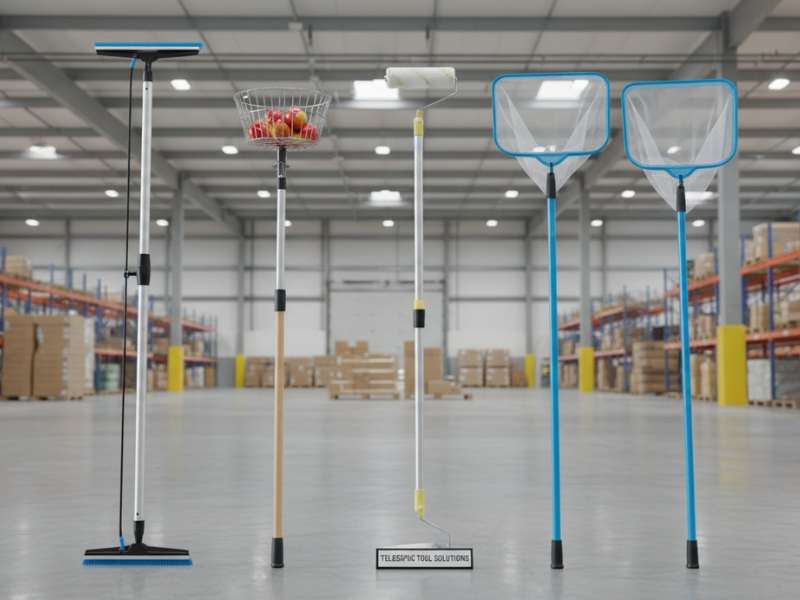
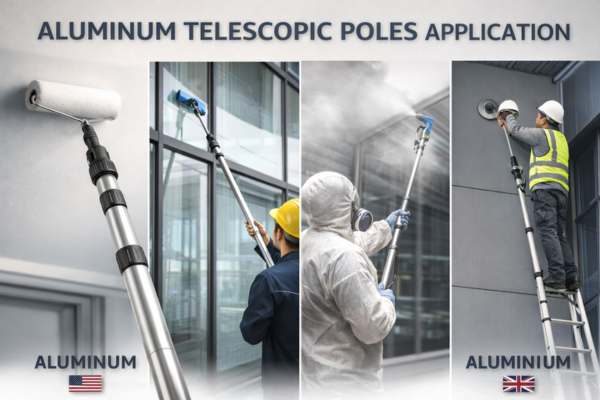
Aluminum is widely used in telescopic poles because it offers:
Low weight
Easier handling for pool cleaning and outdoor useHigh strength-to-weight ratio
Stable extension at long lengths without bendingCorrosion resistance
Reliable performance in wet and chlorinated environmentsExcellent surface finishing
Anodizing and powder coating for durability and appearance
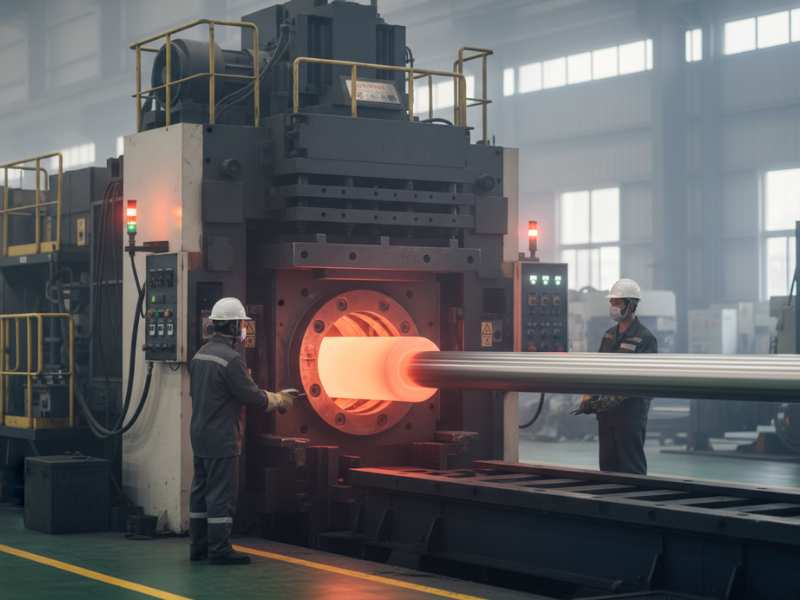
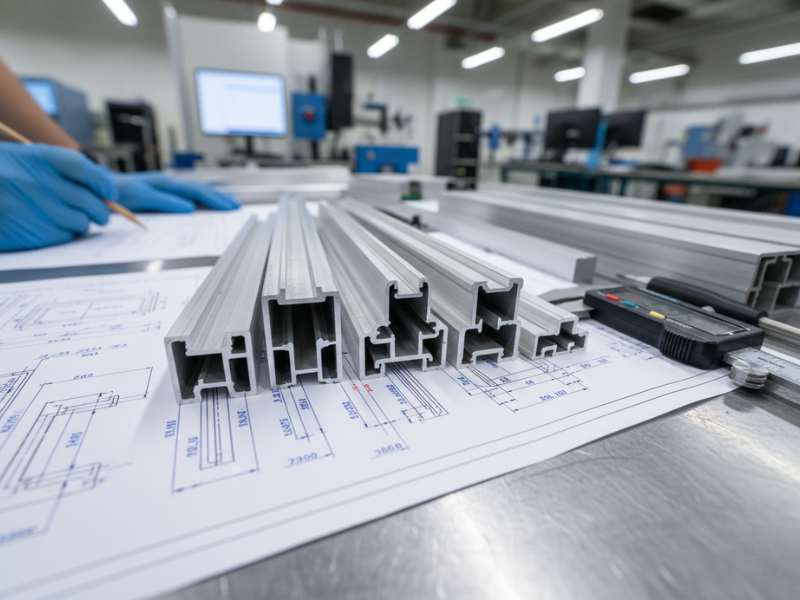
At Xingyong, these properties are matched with controlled extrusion, anodizing, and inspection to ensure consistency at scale.
Common Mistakes to Avoid
When writing product content, avoid these issues:
- Switching between aluminum and aluminium randomly
- Using both spellings in headings
- Overexplaining the difference multiple times
- Treating them as different materials
Clarity always wins.
Summary: Which One Should You Use?
- Both spellings are correct
- The metal is the same
- Aluminum works best for global B2B trade and SEO
- A single clarification keeps EU buyers comfortable
If you sell internationally, consistency matters more than the spelling itself.
Call to Action
- Request a sample of our aluminum telescopic poles
- Download the spec sheet for extrusion sizes and finishes
- Contact our export team to discuss OEM or private-label projects
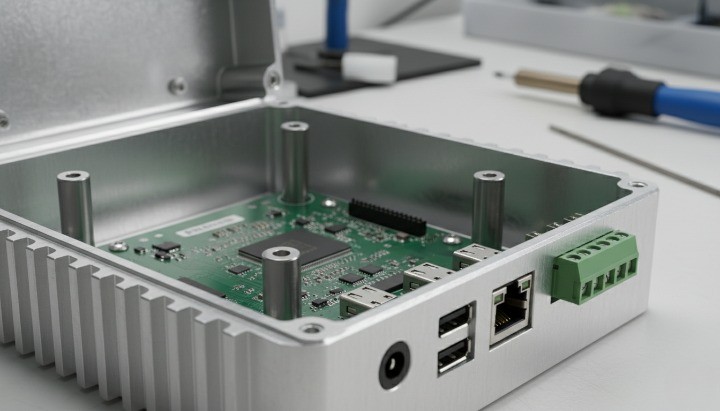
Xingyong has been manufacturing aluminum products since 2002, with a monthly capacity of 3,000 tons and full in-house extrusion, anodizing, machining, and inspection.
You get clear specs, a stable supply, and a team that understands global trade.