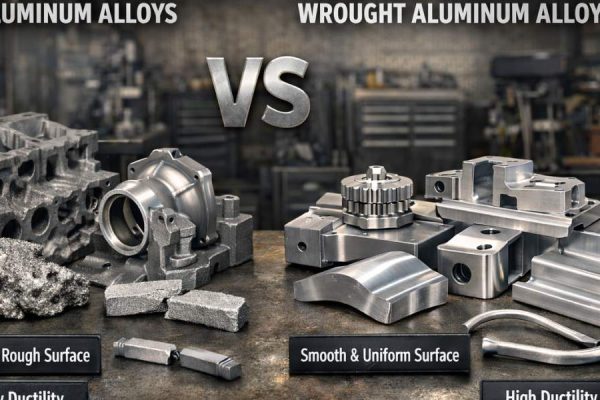
Choosing the right aluminum alloy is not a small detail. For OEM buyers, product managers, and sourcing teams, the difference between cast and wrought aluminum directly affects strength, surface finish, consistency, and long-term cost. This guide explains those differences in plain language, with real numbers and manufacturing context, so you can make decisions with fewer surprises later.
What Is Cast Aluminum?
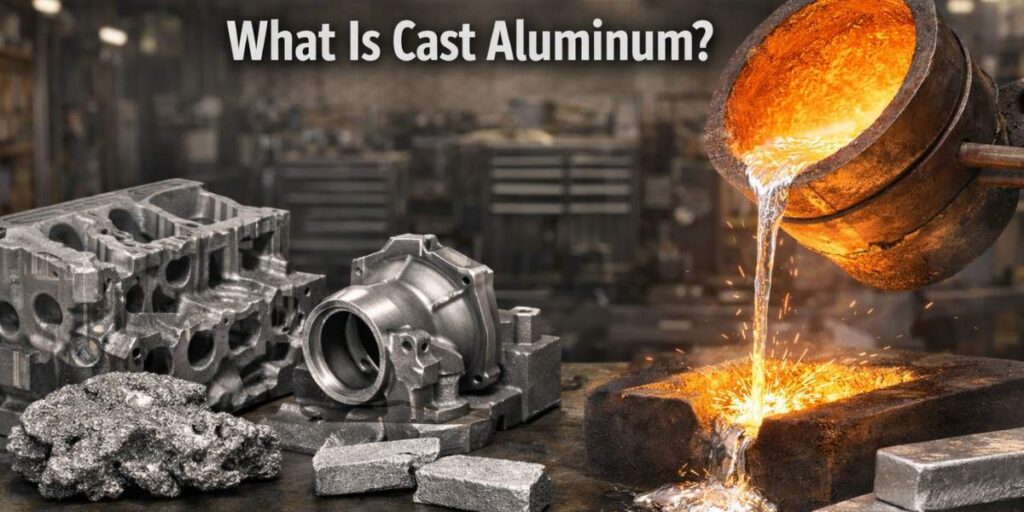
Cast aluminum is made by melting aluminum and pouring it into a mold, where it cools and solidifies into shape. The geometry comes from the mold, not from mechanical deformation.
Key characteristics of cast aluminum alloys:
- Common alloy series: 3xx and 4xx (such as A356)
- Typical tensile strength: 150–250 MPa
- Elongation: often 1–5%
- Good for complex shapes with thick sections
- Lower tooling cost for intricate geometries
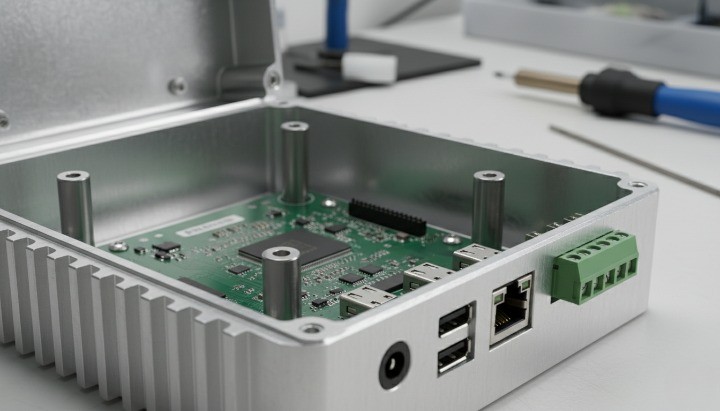
In practice, casting works well when shape complexity matters more than mechanical performance. Think of housings, brackets, or decorative parts where loads are limited.
What Is Wrought Aluminum?
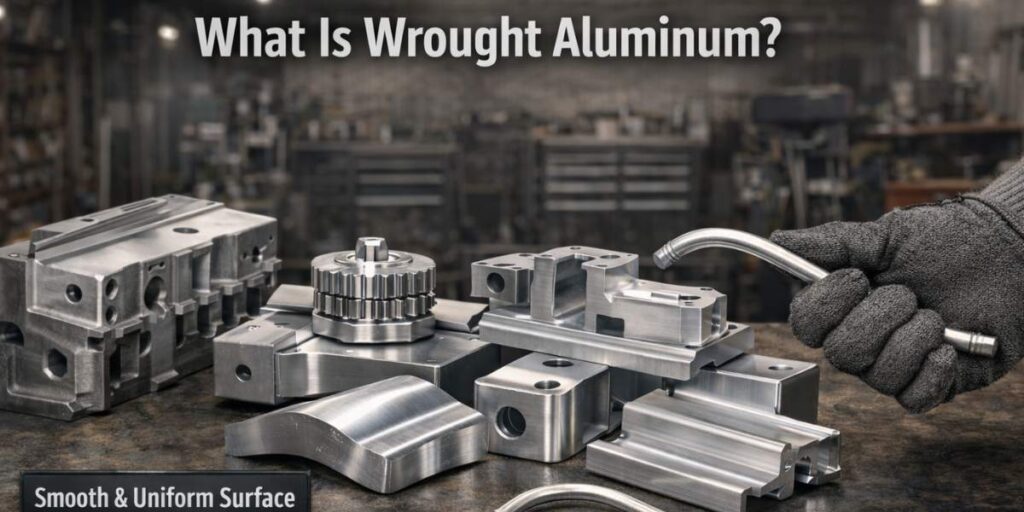
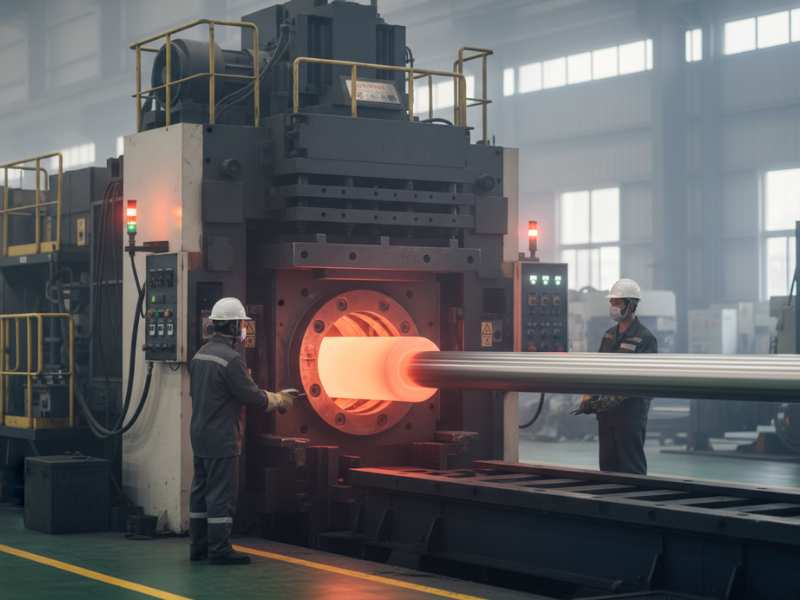
Wrought aluminum is shaped by mechanical working after solidification. Common processes include extrusion, rolling, and forging. The metal is pushed, pulled, or compressed into its final form.
Key characteristics of wrought aluminum alloys:
- Common alloy series: 6xxx, 5xxx, 7xxx
- Typical tensile strength (6xxx): 240–320 MPa
- Elongation: often 8–20%
- Directional grain structure improves strength and fatigue resistance
- Excellent consistency for long or thin-wall products
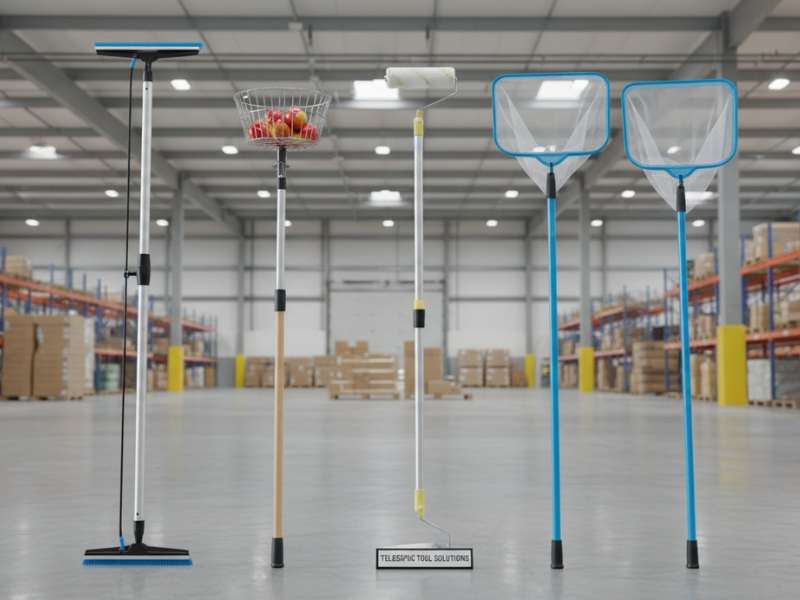
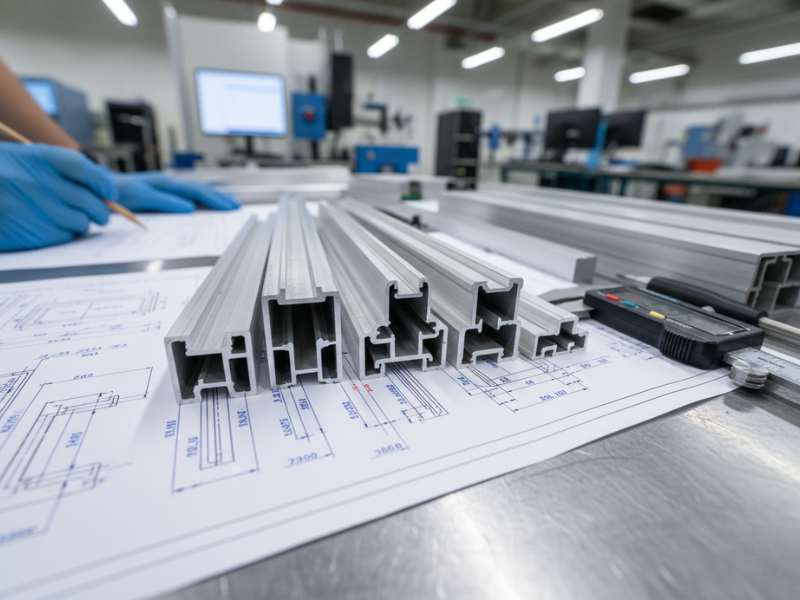
For products like tubes, profiles, and telescopic components, wrought aluminum is usually the default choice.
Cast vs Wrought Aluminum: Side-by-Side Comparison
| Factor | Cast Aluminum | Wrought Aluminum |
|---|---|---|
| Manufacturing method | Mold casting | Extrusion / rolling / forging |
| Typical strength | Lower | Higher |
| Elongation | Very limited | Much higher |
| Dimensional consistency | Medium | High |
| Surface after anodizing | Often uneven | Uniform and stable |
| Best for | Complex, thick shapes | Structural, long, thin profiles |
This difference shows up clearly in production. Wrought alloys tolerate bending, impact, and repeated use far better than cast alloys.
How Manufacturing Method Drives Alloy Choice
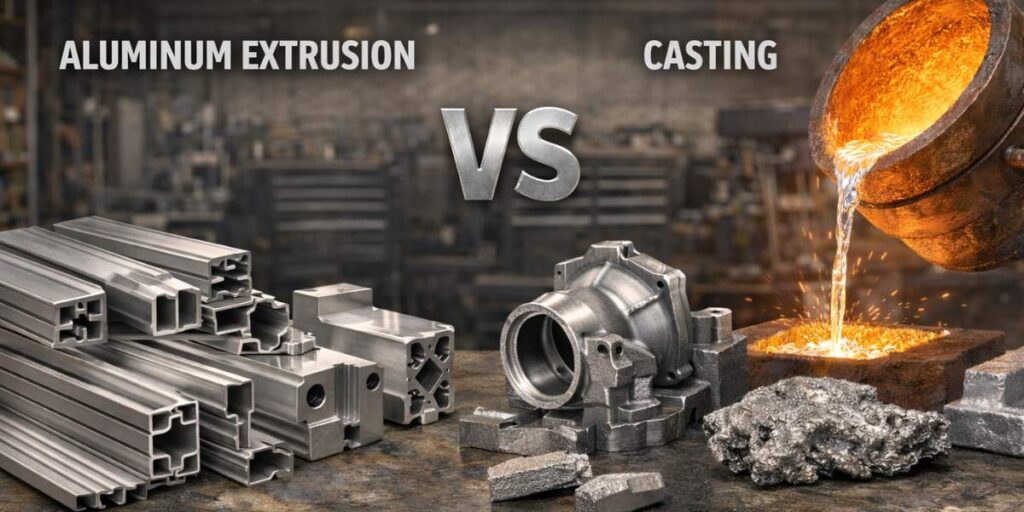
The alloy choice is closely tied to how your product is made.
Extrusion
- Requires wrought aluminum
- Produces straight, consistent profiles
- Ideal for tubes, rails, and telescopic poles
Casting
- Cannot produce long, thin sections reliably
- Higher risk of internal porosity
- Limited performance under bending or cyclic load
Anodizing
- Wrought aluminum delivers more even color and film thickness
- Cast aluminum often shows color variation due to uneven microstructure
If appearance and consistency matter, wrought aluminum reduces rejection rates and rework.
Cost Differences: Tooling vs Total Cost
Cast aluminum often looks cheaper at first glance. The reality is more nuanced.
Cast aluminum cost profile:
- Lower raw material utilization efficiency
- Tooling cost depends on mold complexity
- Higher scrap risk in thin or stressed parts
Wrought aluminum cost profile:
- Higher material cost per kg
- Lower defect rate in mass production
- Better yield for long-run OEM programs
For high-volume export projects, the total landed cost of wrought aluminum is often lower once defects, returns, and rework are considered.
Application-Based Guidance
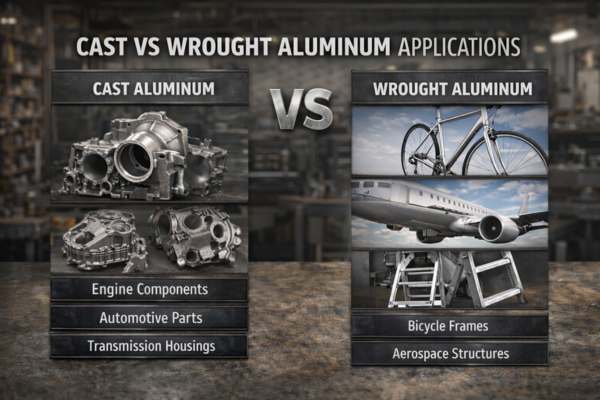
Here is a practical way to think about selection:
Choose cast aluminum when:
- The part has complex geometry
- Load requirements are low
- Cosmetic finish is not critical
Choose wrought aluminum when:
- The part is structural or load-bearing
- You need long or thin-wall profiles
- Surface finish and consistency matter
- Products are used outdoors or repeatedly
This is why most aluminum telescopic poles, rails, and frames rely on wrought alloys.
Practical Example: Aluminum Telescopic Poles
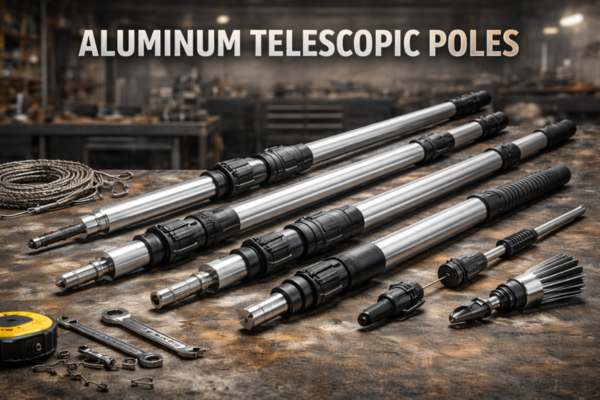
In telescopic poles for pool cleaning or covers, material choice is critical.
What happens with wrought aluminum:
- Tubes stay straight after extrusion
- Locks hold securely under load
- Anodized finish remains consistent across batches
What happens with cast aluminum:
- Higher risk of bending or cracking
- Poor tolerance control between sections
- Visible color variation after anodizing
In export programs supplying large retailers, these issues often translate into higher return rates and stricter audits.
Key Takeaways for Buyers
- Cast and wrought aluminum are not interchangeable
- Wrought aluminum offers better strength, consistency, and finish
- Cast aluminum fits non-structural, complex shapes
- For OEM and retail programs, wrought alloys reduce long-term risk
If you are sourcing aluminum components, confirm the alloy series, manufacturing method, and surface treatment performance before placing volume orders.
FAQ: Cast vs Wrought Aluminum
Is cast aluminum stronger than wrought aluminum?
No. Wrought aluminum generally has higher tensile strength and much better elongation.
Can cast aluminum be extruded?
No. Extrusion requires wrought aluminum billets.
Why does anodizing look uneven on some aluminum parts?
Cast aluminum has a less uniform microstructure, which affects oxide layer growth.
Which aluminum is better for outdoor use?
Wrought aluminum with proper anodizing performs more consistently outdoors.
Ready to Choose the Right Aluminum?
- Request a sample
- Contact our export team