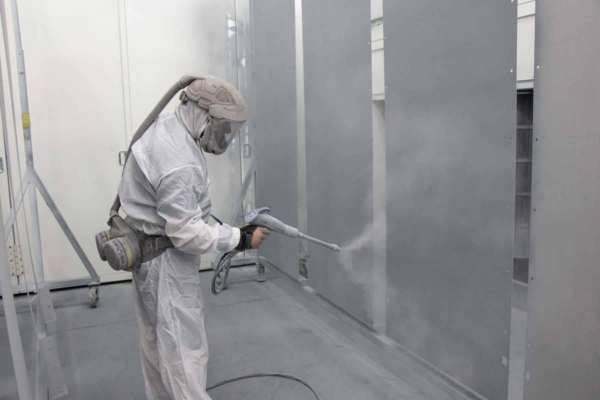
Powder coating aluminum is one of the most widely used finishing methods for outdoor and structural aluminum products. If you are sourcing aluminum parts for pool poles, telescopic poles, or retail-ready components, understanding how powder coating really works — beyond surface-level definitions — helps you avoid quality issues, delays, and costly rework.
This guide explains the process, technical factors, and real-world manufacturing considerations, with a clear focus on OEM buyers and brand owners.
What Powder Coating Aluminum Really Means in Manufacturing
Powder coating aluminum is not just spraying color onto metal. It is a controlled system that combines surface preparation, electrostatic application, heat curing, and inspection.
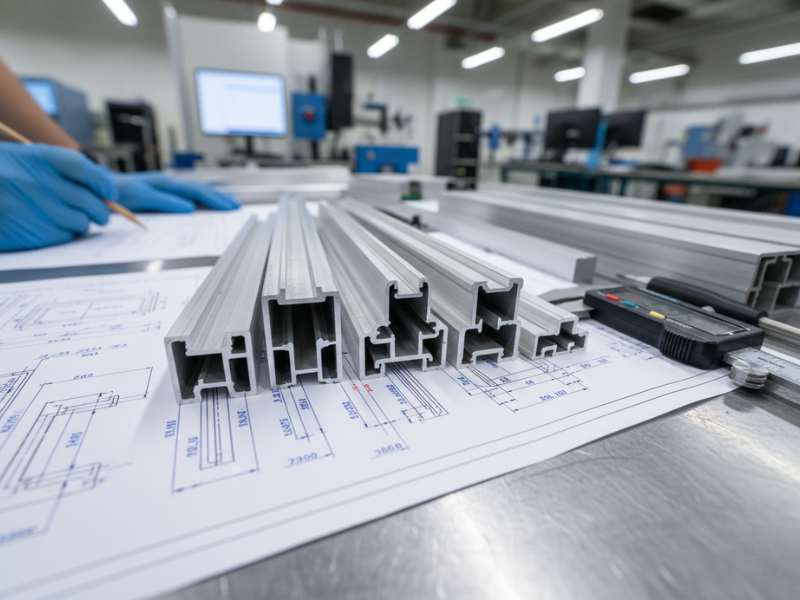
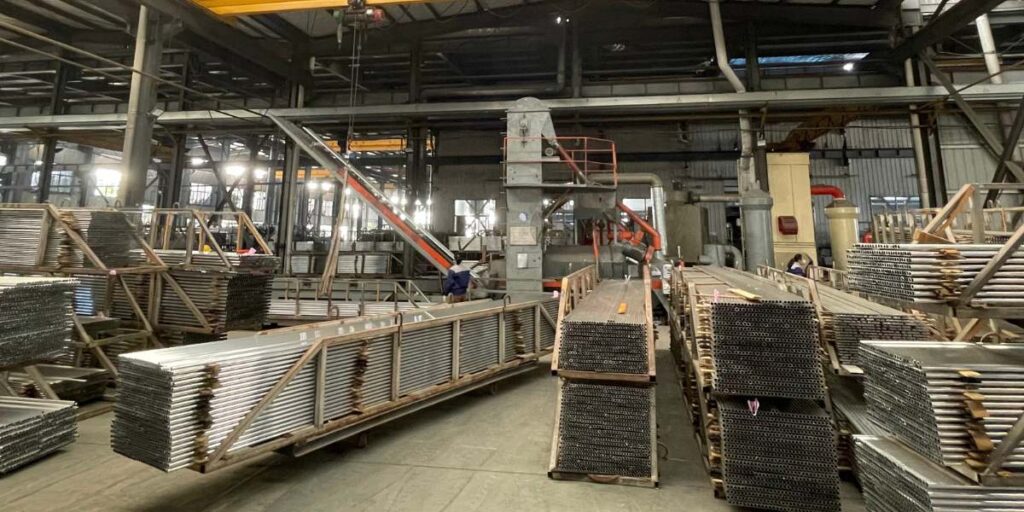
In real production, the coating quality depends as much on the aluminum extrusion itself as on the powder. Profile geometry, wall thickness, and surface cleanliness all affect adhesion and appearance.
For example:
- Thin-wall aluminum tubes heat up faster during curing
- Deep grooves create spray shadow areas
- Inconsistent extrusion leads to uneven film thickness
That is why factories with both aluminum extrusion and powder coating in-house typically achieve higher consistency than outsourced setups.
Why Aluminum Is Both Ideal — and Challenging — for Powder Coating
Aluminum is popular for powder coating because it is lightweight, corrosion-resistant, and easily shaped. But it also presents challenges that are often overlooked.
Key advantages:
- Natural corrosion resistance for outdoor use
- Strong bond with powder after proper pretreatment
- Wide color and texture options
Key challenges:
- Aluminum oxidizes quickly if not treated correctly
- Sharp edges attract thicker powder buildup
- Complex profiles reduce coating uniformity
In outdoor products like pool poles, these challenges directly affect appearance and long-term durability.
The Aluminum Powder Coating Process (Factory-Level View)
1. Surface Cleaning & Pretreatment
- Degreasing to remove oils and extrusion residue
- Mechanical or chemical pretreatment
- Conversion coating to improve adhesion
This step alone can determine up to 70% of coating performance.
2. Powder Application
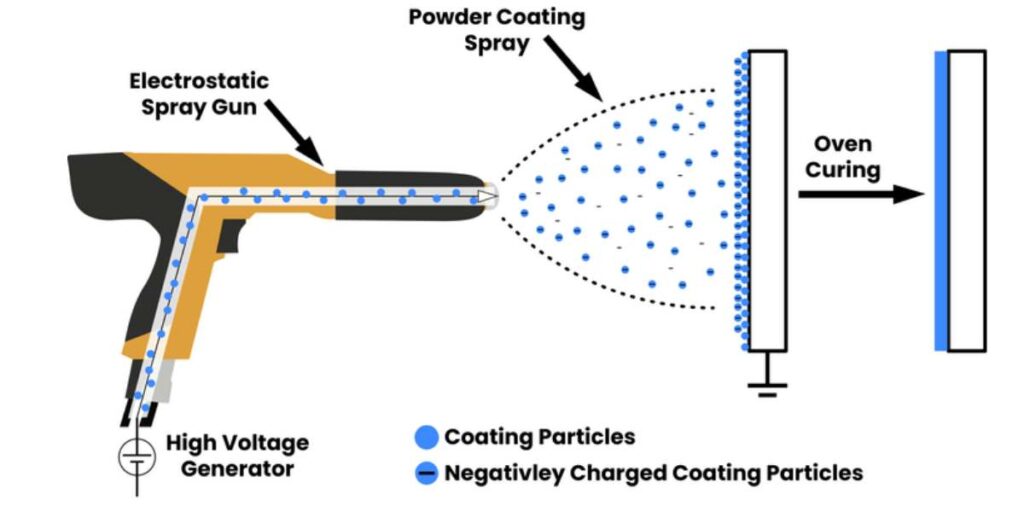
- Electrostatic spray guns apply charged powder
- Aluminum parts are grounded to attract powder evenly
- Operators adjust gun distance, voltage, and flow rate
3. Curing
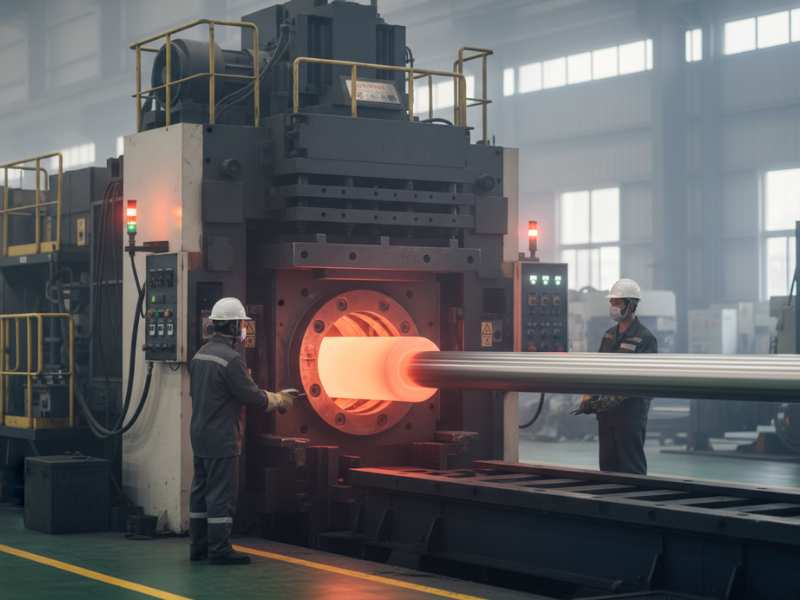
- Typical curing temperature: 180–200°C
- Time depends on wall thickness and part size
- Under-curing leads to weak adhesion; over-curing affects color
4. Cooling & Inspection
- Controlled cooling to avoid surface defects
- Film thickness, color consistency, and adhesion testing
Key Technical Factors That Decide Quality (Often Ignored)
Film Thickness Control
- Typical range: 60–100 μm
- Too thin: poor corrosion resistance
- Too thick: orange peel texture
Profile Design
- Round tubes coat more evenly than complex sections
- Telescopic poles require special attention to the inner edges
Batch Consistency
- Same powder batch
- Same curing curve
- Same extrusion alloy
These factors matter more in mass production than in small sample runs.
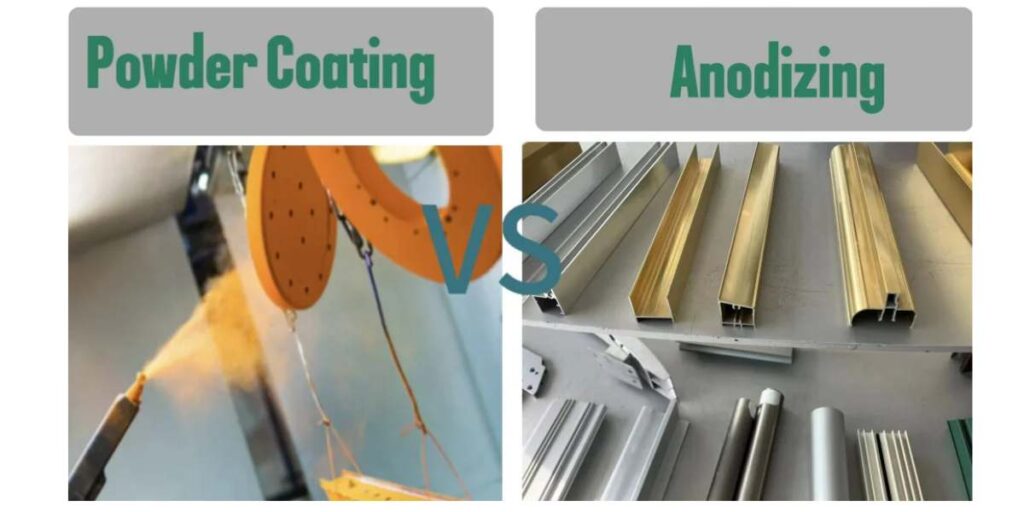
Powder Coating vs Anodizing for Aluminum
| Factor | Powder Coating | Anodizing |
|---|---|---|
| Color options | Very wide | Limited |
| Scratch repair | Easier | Difficult |
| Outdoor use | Excellent with proper prep | Very good |
| Cost | Moderate | Higher |
| Thickness | 60–100 μm | 10–25 μm |
For pool poles and outdoor telescopic products, powder coating is often chosen for its color flexibility and surface feel.
Common Problems in Powder Coated Aluminum — and Why They Happen
- Orange peel: incorrect curing temperature or powder flow
- Color mismatch: mixed powder batches or uneven curing
- Poor adhesion: insufficient pretreatment
- Edge buildup: sharp corners without design adjustment
Most of these issues appear during scale-up, not during sampling.
How OEM Buyers Evaluate Powder Coated Aluminum Products
Retail buyers and large distributors focus on:
- Visual consistency across cartons
- Color tolerance under different lighting
- Scratch resistance during transport
- Repeatability across orders
For large retailers, even small color shifts can trigger rejections, especially for branded consumer-facing products.
Applications Where Powder Coated Aluminum Makes Sense
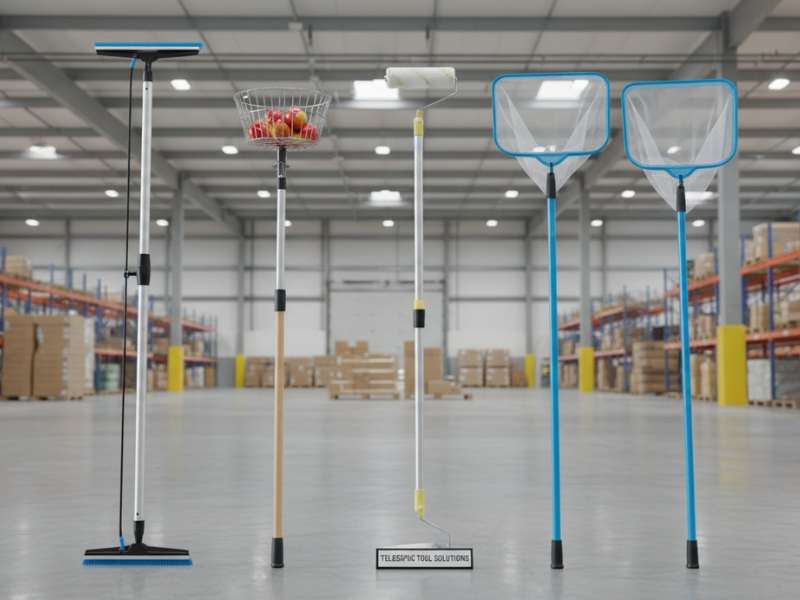
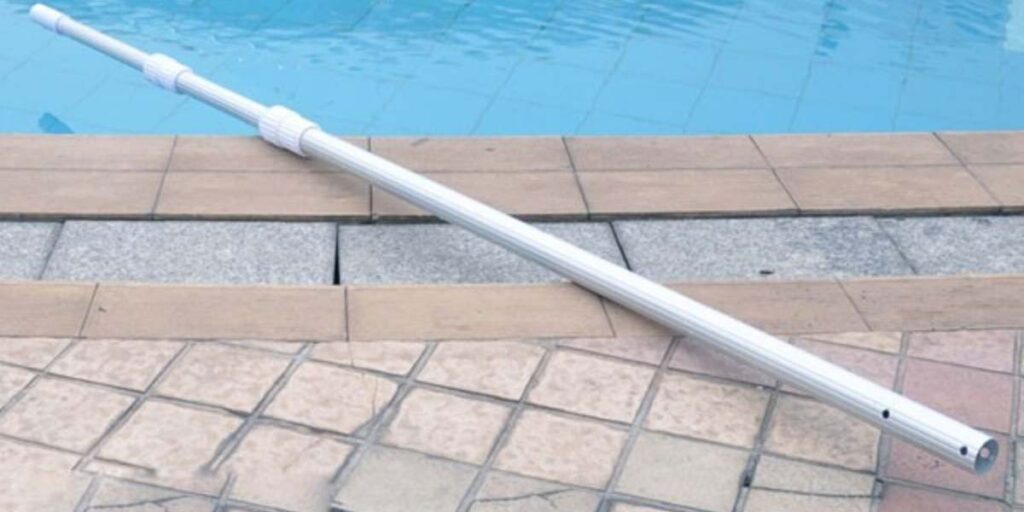
- Pool cleaning telescopic poles
- Pool cover reels
- Outdoor extension poles
- Garden and utility aluminum tools
These products benefit from powder coating’s balance of durability, appearance, and cost control.
FAQs About Powder Coating Aluminum
How long does powder coating last on aluminum?
With proper pretreatment, powder coating can last 10–20 years outdoors.
Is powder coating suitable for saltwater environments?
Yes, when combined with proper surface treatment and corrosion-resistant powders.
Can powder-coated aluminum be repaired?
Minor scratches can be touched up, but full recoating requires stripping.
Why the Manufacturer Matters More Than the Process
Two factories may use the same powder and equipment, yet deliver very different results. The difference lies in:
- Extrusion quality
- Process control
- Inspection standards
- Experience with complex aluminum profiles
At Xingyong, powder coating is integrated with aluminum extrusion, machining, and inspection — reducing variation and improving consistency across large orders.
Ready to Source Powder Coated Aluminum with Confidence?
- Request a sample
- Contact our export team
Reliable powder coating starts long before the spray booth. It begins with the right aluminum and the right manufacturing partner.