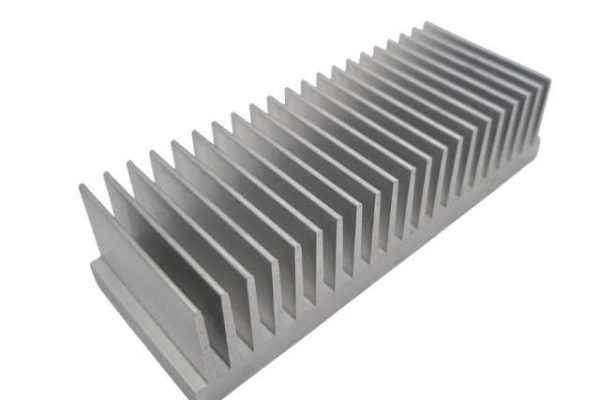
An extruded heat sink is one of the most common cooling solutions used in electronics today. You’ll find it in LED lighting, power supplies, industrial controllers, and many everyday electronic products. If you are an OEM buyer, product manager, or sourcing manager, understanding how extruded heat sinks work helps you control cost, lead time, and thermal performance from the start.
This guide explains what an extruded heat sink is, how it’s made, where it works best, and what you should check before placing an order.
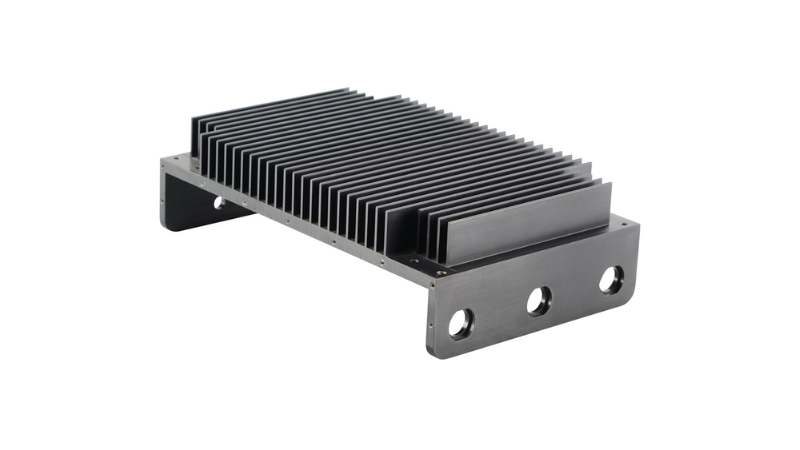
What an Extruded Heat Sink Actually Is
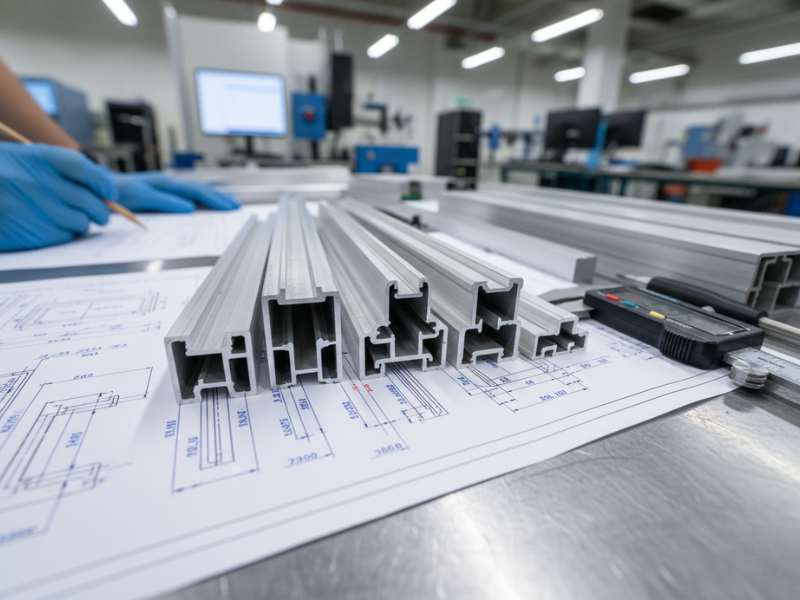
An extruded heat sink is a cooling component made by pushing heated aluminum through a shaped steel die. The result is a long aluminum profile with fins that increase surface area and help dissipate heat into the air.
In simple terms:
- Extruded means the shape is formed by aluminum extrusion.
- Heat sink means it pulls heat away from electronic components.
Because the profile is continuous, manufacturers can cut it to different lengths, making it ideal for high-volume OEM production.
How an Extruded Heat Sink Is Made
The extrusion process is straightforward but highly controlled:
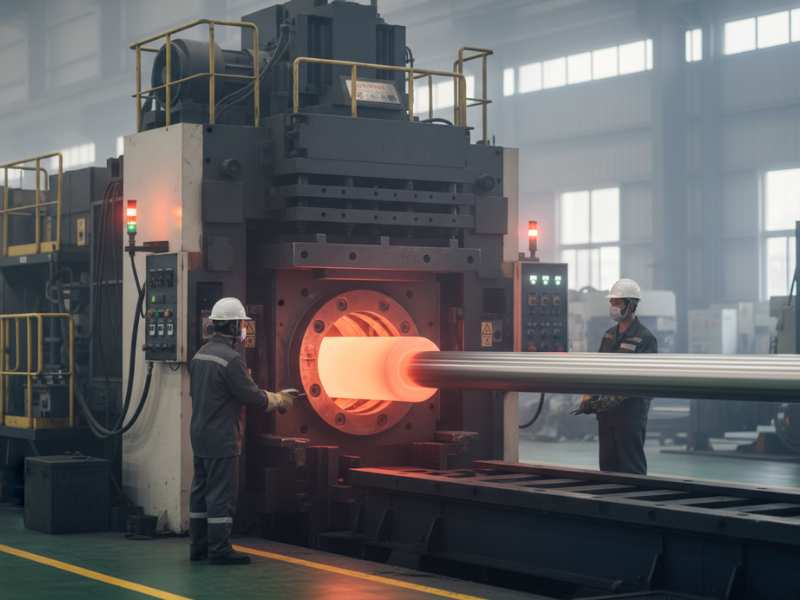
- Aluminum billets are heated to make them soft enough for forming
- The billet is pushed through a precision die under high pressure
- A continuous profile with fins comes out of the die
- The profile is cooled, straightened, and cut to length
For factories like Xingyong, different extrusion presses (350T to 2000T) allow different profile sizes and fin structures. Higher tonnage supports wider or thicker heat sink designs.
Why Aluminum Is Used for Extruded Heat Sinks
Aluminum is the standard material for extruded heat sinks for several reasons:
- Good thermal conductivity (around 200–220 W/m·K for common alloys)
- Lightweight, which reduces shipping and assembly costs
- Excellent corrosion resistance, especially after anodizing
- Easy to extrude, keeping tooling and unit costs under control
Common alloys include:
- 6063 aluminum: better surface finish, widely used for heat sinks
- 6061 aluminum: higher strength, used when extra rigidity is needed
Key Advantages of Extruded Heat Sinks
Extruded heat sinks remain popular because they balance performance and cost well.
Main advantages include:
- Lower tooling cost compared to die casting
- Stable quality for long production runs
- Easy to customize length and add secondary machining
- Compatible with anodizing for improved appearance and protection
For many OEM projects, extrusion offers the best total cost over the product lifecycle.
Limitations You Should Know Before Choosing Extrusion
Extrusion is not perfect for every application. Understanding its limits avoids redesign later.
Key constraints include:
- Fin height and fin spacing are limited by extrusion physics
- Extremely thin or very tall fins reduce yield
- Not ideal for ultra-high-power or compact designs
If your product needs very dense fins or complex 3D shapes, other heat sink types may perform better.
Extruded Heat Sink vs Other Heat Sink Types
Here’s a practical comparison for buyers:
Extruded vs Die Cast
- Extruded: better thermal performance, lower tooling cost
- Die cast: complex shapes, but lower conductivity
Extruded vs Skived
- Extruded: lower cost, better for medium power
- Skived: higher fin density, higher cost
For most LED and power electronics below medium power levels, extrusion is usually the most economical option.
Typical Applications for Extruded Heat Sinks
Extruded heat sinks are widely used in:
- LED lighting fixtures and drivers
- Power supplies and inverters
- Industrial automation equipment
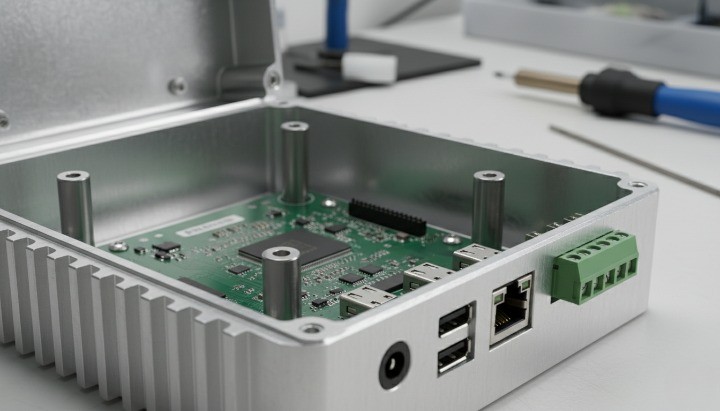
- Consumer electronics housings
These products benefit from long, uniform profiles and predictable thermal performance.
What OEM Buyers Should Check Before Ordering
Before placing an order, experienced buyers usually confirm:
- Die cost and ownership (one-time tooling)
- MOQ for production runs
- Length tolerance and cutting accuracy
- Surface finish (raw, clear anodized, black anodized)
- Lead time for samples and mass production
These details directly affect your launch schedule and unit cost.
Can You Customize an Extruded Heat Sink?
Yes. Extrusion supports a wide range of customization:
- Custom cross-section design
- CNC drilling, tapping, or milling
- Surface treatments for appearance or corrosion resistance
In many cases, a custom extrusion profile reduces total cost by eliminating extra parts or assembly steps.
Conclusion: When an Extruded Heat Sink Is the Right Choice
An extruded heat sink is a reliable choice when you need consistent cooling, controlled cost, and scalable production. For OEM buyers working on LED, power, or industrial electronics, extrusion offers a practical balance between performance and manufacturability.
If your design stays within extrusion limits, it is often the simplest and most cost-effective solution.
Contact Us
Looking for a custom extruded heat sink for your next project?
Contact our engineering team to review your drawings, recommend profiles, and provide a clear cost breakdown.