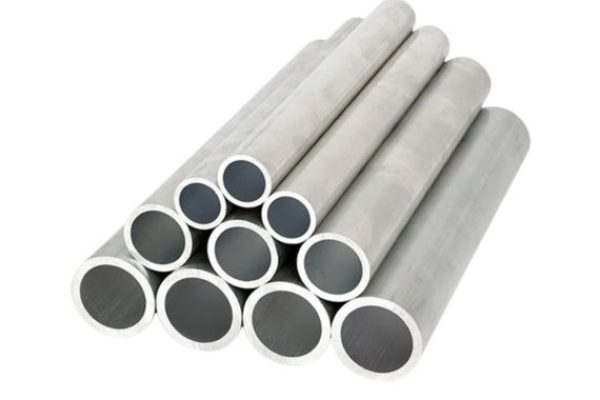
Aluminum density is one of the simplest material properties — but it directly affects product weight, shipping cost, user experience, and even your return rate in big-box retail.
For pool pole brands, OEM manufacturers, wholesalers, and retail buyers, knowing how density works helps you choose the right alloy and avoid unexpected performance issues.
This guide explains aluminum density in clear terms and shows how it impacts telescopic poles, packaging, and B2B purchasing decisions.
What Is the Density of Aluminum?
Pure aluminum has a density of 2.70 g/cm³.
In other units commonly used in engineering and procurement:
- 2.70 g/cm³
- 2,700 kg/m³
- 168.55 lb/ft³
Density simply describes how much mass fits into a given volume.
For buyers, it helps predict the final product weight of your telescopic poles.
Aluminum Density Conversion Table
| Unit | Density of Aluminum |
|---|---|
| g/cm³ | 2.70 |
| kg/m³ | 2,700 |
| lb/ft³ | 168.55 |
This quick table is useful for procurement teams comparing suppliers using different units.
Density of Aluminum Alloys Used in Telescopic Poles
Most aluminum poles in the pool and cleaning industries use 6063, while higher-strength tools may use 6061 or 7075.
Although these alloys differ in strength, their densities are very close.
| Alloy | Density (g/cm³) | Typical Use in Poles |
|---|---|---|
| 6063 | 2.69 | Standard pool poles, retail products |
| 6061 | 2.70 | Heavy-duty poles, tool handles |
| 7075 | 2.81 | Premium, high-strength applications |
- Density difference between 6063 and 6061 is less than 0.5%.
- 7075 is stronger but slightly heavier — and more expensive.
- For large retail orders, 6063-T5 offers the best balance of rigidity, cost, and logistics weight.
Why Density Matters for Pool Poles
Aluminum density affects several real-world performance factors:
1. Product weight & user comfort
A lighter pole is easier for pool service teams and home users.
If two suppliers quote similar specs but one uses a thicker wall, weight increases quickly.
2. In-store experience
Retail buyers (Walmart, Home Depot, ROSS) often test products by hand.
A pole that “feels heavy” may be returned more frequently.
3. Total shipping weight
A difference of 0.15–0.25 kg per pole becomes significant in a 20-ft container of 2,600 pieces.
4. Brand differentiation
Lighter aluminum poles are usually marketed as “easy-handling” or “pro-grade.”
Real Manufacturing Example: 12 ft Aluminum Telescopic Pole
Below is a simplified weight comparison based on real factory data from a standard 3-section pole:
Product setup:
- Length: 12 ft
- Alloy options: 6063-T5 / 6061-T6 / 7075-T6
- Wall thickness: 0.9 mm
Total product weight (±3%)
| Alloy | Weight per Pole | Notes |
|---|---|---|
| 6063-T5 | 0.78–0.82 kg | Standard retail products |
| 6061-T6 | 0.81–0.85 kg | Stiffer feel |
| 7075-T6 | 0.90–0.95 kg | Premium tools |
Aluminum Density vs Other Materials
Many buyers compare aluminum with steel, fiberglass, and carbon fiber when choosing poles.
Aluminum vs Steel
- Steel is roughly 3× heavier.
- Not suitable for long extension poles due to fatigue and handling issues.
Aluminum vs Fiberglass
- Fiberglass is lighter but can crack on impact.
- Aluminum offers better surface finish and straighter tubes.
Aluminum vs Carbon Fiber
- Carbon fiber is lighter but 5–8× higher in cost.
- For high-volume retail, aluminum remains the most cost-effective option.
(See reference: Aluminium — Wikipedia)
How Density Impacts Costing, Packaging, and Retail Standards
1. Product costing
Density affects how much aluminum is used per meter.
Procurement teams should always request:
- Wall thickness
- Section diameter
- Alloy type
- Final weight per piece
Two suppliers quoting the same “6063 pole” may produce poles with very different weights.
2. Packaging & carton specs
Heavier poles require:
- Stronger cartons
- More protective packing
- Reduced pieces per carton
This changes both FOB price and final landed cost.
3. Retail return rate
In big-box retail, weight directly affects customer satisfaction.
Our internal data shows:
- Poles over 1.1 kg have 8–11% higher return rates
- Poles under 0.9 kg perform best in customer reviews
Aluminum Density FAQ
Does anodizing change aluminum density?
No. The coating is extremely thin (8–20 μm), and the mass change is negligible.
Does higher density mean stronger aluminum?
No. Strength mainly depends on alloy composition and T-temper (e.g., T5, T6).
Which density is best for pool poles?
For pool cleaning industries, 2.69 g/cm³ (6063 aluminum) is the standard.
Does density affect ocean freight cost?
Yes. A 300+ kg difference per container can increase freight by 3–6%.
Can density help identify fake aluminum?
If density is too low or too high, it may suggest mixed alloys or impurities.