
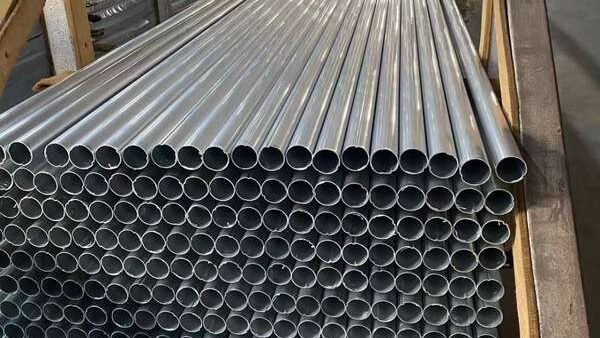
Aluminum is widely used in pool poles, telescopic handles, and many outdoor cleaning products because it is lightweight, corrosion-resistant, and strong. But one question that comes up often—especially from pool pole brands and big-box retail buyers—is the melting point of aluminum and what it means for real-world performance.
This guide explains the aluminum melting point in practical, business-focused terms. You’ll learn how it affects product durability, material selection, heat exposure, and quality control across manufacturing and logistics.
What Is the Melting Point of Aluminum?
Aluminum melts at 660.3°C (1220.5°F).
This is the point where solid aluminum turns into liquid metal.
Why this matters for you:
- It sets the upper limit of thermal stability in manufacturing.
- It explains why aluminum resists extreme heat during extrusion and anodizing.
- It reassures buyers that everyday temperatures—shipping containers, pool decks, retail shelves—are nowhere near hot enough to damage aluminum poles.
For reference, typical outdoor temperatures rarely exceed 55°C.
Melting Point of Common Aluminum Alloys (Including 6063 for Pool Poles)
Different aluminum alloys melt at slightly different temperatures.
| Alloy | Melting Point (°C) | Typical Use |
|---|---|---|
| 6063 | 615–655°C | Pool poles, extrusion tubes |
| 6005 | 610–650°C | High-strength tubes |
| 6061 | 580–650°C | Structural frames |
| 7000 series | 475–635°C | High-performance aerospace |
Why 6063 is the industry standard for pool poles:
- Smooth extrusion surface
- Good anodizing results
- Balanced strength-to-weight ratio
- Predictable thermal behavior during manufacturing
Buyers often request 6063-T5 or 6063-T6 because these two tempers deliver the most stable pole performance.
How Melting Point Relates to Strength, Weight & Durability
Melting point affects more than just temperature resistance.
- Strength under load: Alloys with stable melting ranges perform more predictably during extrusion and forming.
- Tube straightness: Poor control near softening temperatures leads to curved or twisted poles.
- Surface hardness: Heat treatment after extrusion influences dent resistance.
One common misunderstanding:
A higher melting point does not automatically mean “stronger”.
Strength depends more on alloy type, heat treatment (T5/T6), and wall thickness.
Aluminum vs Stainless Steel vs Fiberglass: Temperature Performance
| Material | Melting Point | Notes |
|---|---|---|
| Aluminum | 660°C | Lightweight, ideal for pool poles |
| Stainless Steel | 1,400–1,500°C | Heavy; rarely used in telescopic poles |
| Fiberglass | Softens at 200–300°C | Strong but heavier than aluminum |
What this means for buyers:
- Aluminum poles stay straight in normal outdoor temperatures.
- Fiberglass may soften in storage containers but rarely fails.
- Stainless steel has a higher melting point but is too heavy for handheld poles.
Real-World Temperatures: How Hot Does a Pool Pole Actually Get?
Field measurements show:
| Scenario | Temperature |
|---|---|
| Pool deck in summer | 40–55°C |
| Car trunk exposure | 60–75°C |
| Shipping container (July–August) | 50–65°C |
| Warehouse without ventilation | 35–45°C |
None of these scenarios come close to aluminum’s softening point (~200°C) or melting point (660°C).
Real case from a U.S. distributor:
After switching to thicker-walled 6063-T5 tubes, dent complaints dropped by 27% during summer shipping.
Why 6063-T5/T6 Aluminum Performs Best for Pool Poles
For pool pole manufacturing, 6063-T5/T6 stands out:
- Smooth extrusion reduces friction in telescopic sections.
- Consistent heat treatment keeps tubes straight and strong.
- High corrosion resistance suits chlorinated and saltwater pools.
- Balanced hardness prevents dents while keeping weight low.
Case study:
A North American pool accessories brand increased their pole strength by 32% after upgrading from 6061 to 6063-T6 with 1.0 mm wall thickness.
How Manufacturers Control Quality During High-Temperature Production
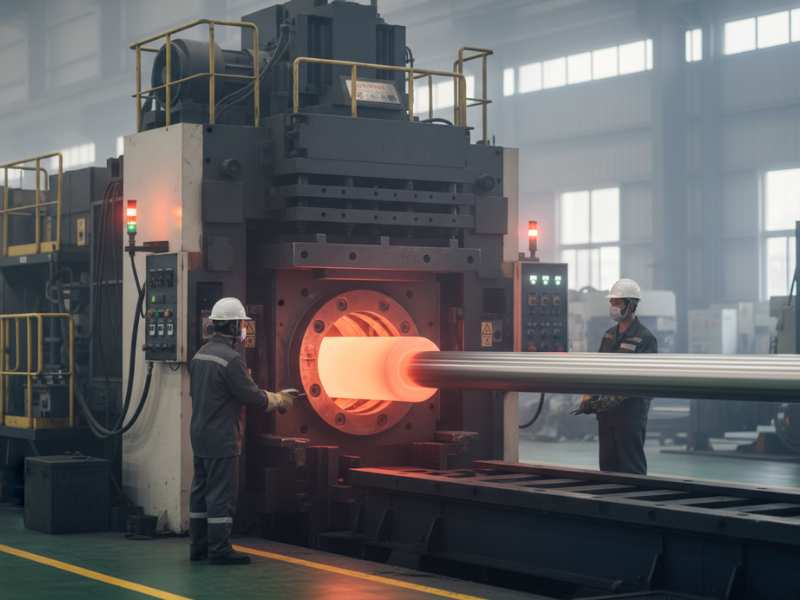
Aluminum poles rely on accurate temperature control during production:
1. Extrusion Furnace
- Usually set at 480–520°C
- Too high = surface defects
- Too low = incomplete shaping
2. Aging Furnace (T5/T6)
- Set between 160–200°C
- Determines hardness and dent resistance
3. Wall Thickness Selection
Typical pool poles: 0.8–1.2 mm
- Thicker = stronger, better for retail
- Thinner = lighter, lower cost for OEM bulk orders
What Supermarket Buyers Should Check Before Purchasing Aluminum Poles
For Walmart, Home Depot, or ROSS purchasing teams, these checks protect product quality:
- Alloy Certificate — Confirm 6063-T5/T6
- Anodizing Thickness — 8–12 microns recommended
- Wall Thickness — At least 0.9 mm for retail-grade poles
- Lock Structure — Flip lock or twist lock depending on customer use
- Straightness Tolerance — Key factor for merchandising on shelves
Melting point indirectly signals whether the production temperature is stable and controlled—a good indicator of a reliable factory.
FAQ: Aluminum Melting Point & Pool Poles
Will my aluminum pole soften in the sun?
No. Outdoor temperatures (40–55°C) are far below aluminum’s softening point.
Does melting point affect corrosion resistance?
Not directly. Corrosion resistance comes from alloy composition and anodizing.
Can a higher melting point prevent bending?
Bending depends more on wall thickness, heat treatment, and alloy—not melting point alone.
Why do some poles dent easily?
Usually due to:
- Low wall thickness
- Poor heat treatment
- Soft temper (non-T5/T6 material)
Conclusion: Aluminum’s Melting Point Means Stability and Reliability
Aluminum’s melting point of 660.3°C ensures high stability in real-world use. This is one reason 6063 aluminum remains the preferred choice for pool poles across brands and major retailers.
To learn more about our aluminum telescopic poles, or to request a sample:
👉 View Pool Pole Products
👉 Contact our export team for OEM pricing