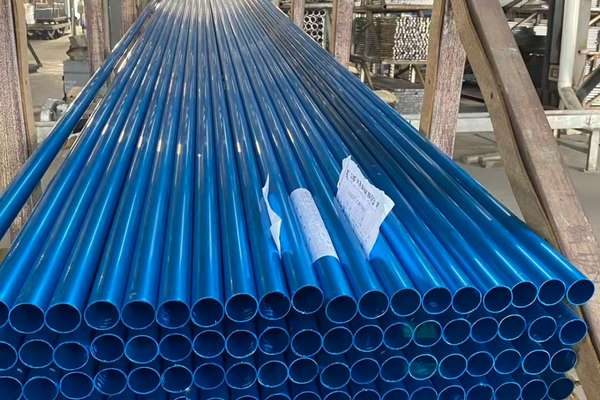
Anodized aluminum is aluminum that has been electrochemically treated to create a hard, corrosion-resistant oxide layer on its surface.
For OEM brands and bulk buyers, this process is not about appearance alone. It directly affects product lifespan, batch consistency, and after-sales risk.
If your aluminum products are used outdoors, near water, or handled frequently—such as telescopic pool poles—anodizing is often the difference between repeat orders and repeat complaints.
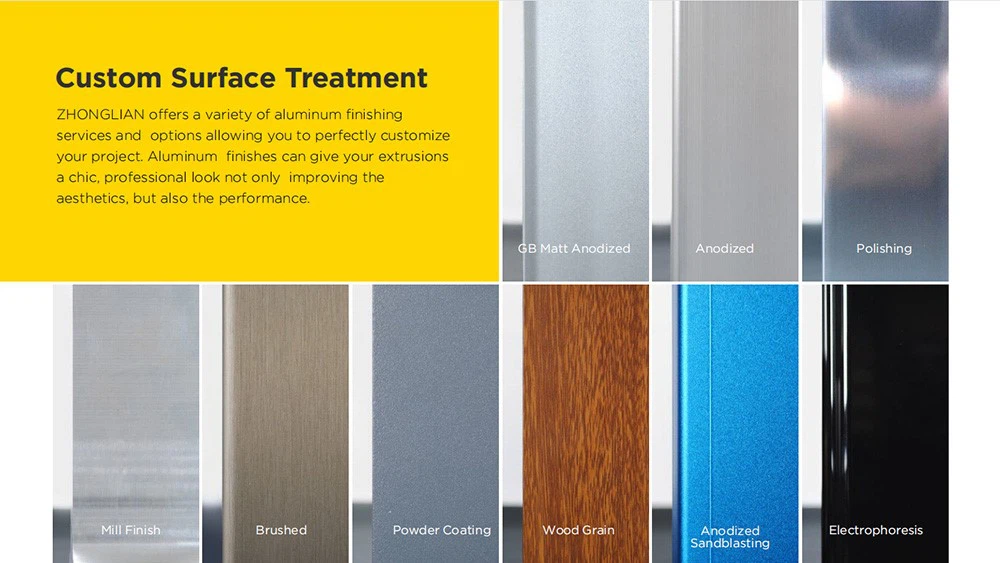
What “Anodized” Really Means (Beyond the Textbook Definition)
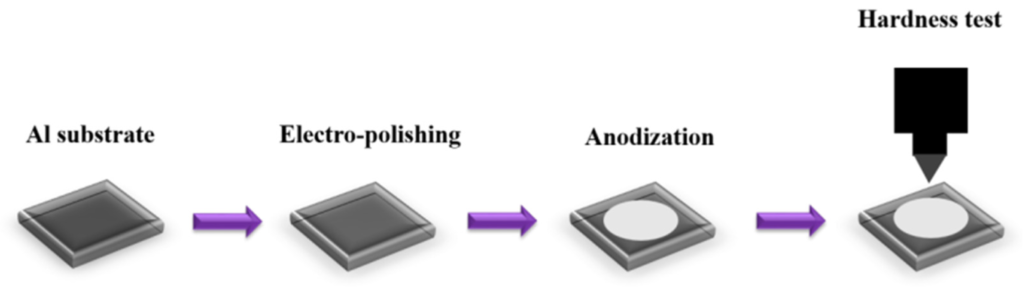
In manufacturing terms, anodizing converts the aluminum surface into aluminum oxide through an electrochemical reaction.
Unlike paint or powder coating, this oxide layer is grown from the aluminum itself, not applied on top.
What this means for you in practice:
- The surface will not peel or flake
- Corrosion resistance increases significantly
- Color becomes part of the surface, not a fragile top layer
For buyers supplying major retailers, this stability is critical for passing long-term quality audits.
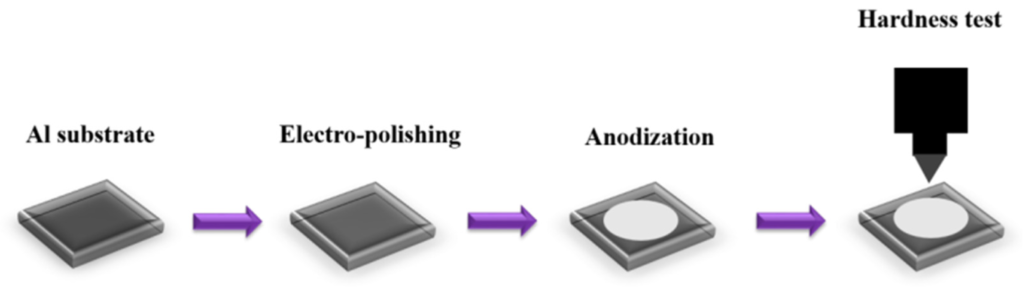
How the Anodizing Process Impacts Real Product Quality
From a factory perspective, anodizing quality depends on process control—not just equipment.
A stable industrial process includes:
- Pre-treatment cleaning
Incomplete cleaning leads to uneven oxide layers and visible defects. - Controlled electrochemical oxidation
Current density and bath composition directly affect oxide thickness. - Color absorption (if required)
Poor control causes batch-to-batch color variation. - Sealing
Insufficient sealing reduces corrosion resistance and shortens service life.
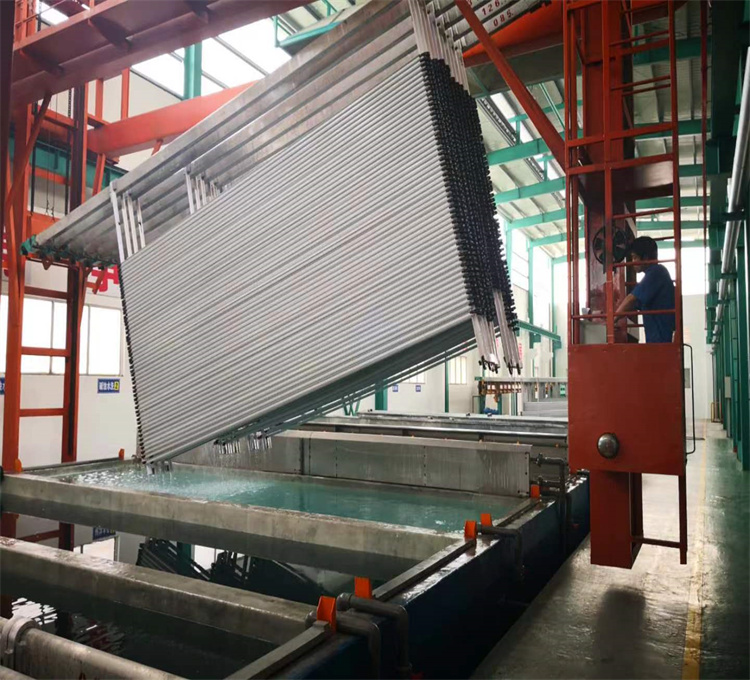
Factories using automated anodizing lines achieve tighter tolerance and better repeatability than manual or semi-manual operations.
Typical Anodized Aluminum Thickness—and Why It Matters
Thickness is one of the most overlooked purchasing criteria.
In most outdoor aluminum products:
- 10–15 μm: Light indoor or decorative use
- 15–25 μm: Standard outdoor applications
- 25 μm+: High-wear or harsh environments
A thinner oxide layer may look acceptable at delivery but often fails within 12–24 months outdoors.
For poolside or cleaning tools, insufficient thickness is a common cause of early corrosion and customer complaints.
What Happens When Anodizing Quality Is Too Low
This is where many sourcing decisions go wrong.
Poor anodizing often leads to:
- Visible corrosion spots after short outdoor exposure
- Color fading or uneven appearance across shipments
- Higher return rates from retailers
- Brand damage that cannot be fixed by rework
These issues usually appear after the first shipment—when replacement and recall costs are already locked in.
Anodized Aluminum vs Painted Aluminum (Buyer Reality Check)
Painted aluminum may reduce upfront cost, but it introduces long-term risk.
Painted aluminum:
- Coating sits on the surface
- Vulnerable to chipping and peeling
- Shorter outdoor lifespan
Anodized aluminum:
- Oxide layer is integrated with the metal
- No peeling or flaking
- More stable appearance over time
For OEM programs and retailer supply chains, anodized aluminum is often specified to reduce warranty exposure.
Where Anodized Aluminum Is Commonly Used
Because of its durability and clean finish, anodized aluminum is widely applied in:
- Aluminum telescopic poles
- Swimming pool cleaning tools
- Pool cover reels
- Outdoor structural components
- Consumer products requiring long service life
In pool environments, resistance to moisture, chlorine, and UV exposure is especially important.
How Buyers Can Evaluate Anodized Aluminum Quality
Before placing bulk orders, experienced buyers usually verify:
- Oxide layer thickness (μm)
Measured with coating thickness gauges. - Color consistency
Checked under standardized lighting. - Surface uniformity
No streaks, spots, or patchy areas. - Inspection capability
In-house testing reduces quality risk. - Quality systems
ISO and automotive-grade systems improve consistency.
These checks help avoid issues that only surface after large-scale distribution.
Why Long-Term OEM Buyers Prefer In-House Anodizing
Factories that control anodizing internally offer advantages that outsourced processing cannot.
For OEM buyers, this means:
- Better batch-to-batch consistency
- Faster response to color or thickness adjustments
- Shorter lead times for repeat orders
- Lower after-sales and compliance risk
At Xingyong, anodizing is integrated into production planning, supported by automated lines, inspection equipment, and quality systems built for long-term supply programs—not one-off orders.
FAQ About Anodized Aluminum
Does anodized aluminum rust?
No. Aluminum does not rust like steel, and anodizing further improves corrosion resistance.
Is anodized aluminum safe for consumer products?
Yes. It is widely used in household, outdoor, and industrial applications.
How long does anodized aluminum last outdoors?
With proper thickness and sealing, anodized aluminum can perform reliably for many years.
Can anodized aluminum be produced in custom colors?
Yes. Color anodizing allows stable, repeatable shades for branded products.
Sourcing Anodized Aluminum with Lower Risk
If you are sourcing anodized aluminum telescopic poles or related products, surface treatment quality should be part of your supplier evaluation—not an afterthought.
- Request samples with verified oxide thickness
- Review inspection methods and quality systems
- Discuss consistency requirements for repeat orders
Anodized aluminum is not just a finish. It is a long-term quality decision that directly affects your product performance and brand reputation.