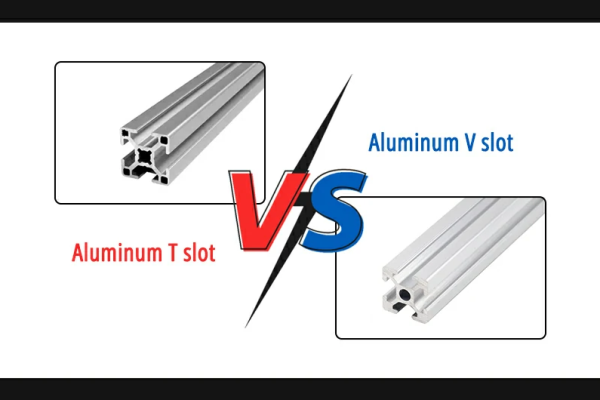
Ao projetar uma estrutura industrial de alumínio, o perfil escolhido impacta significativamente a resistência, o tempo de montagem, o custo e a possibilidade de expansão futura.
Os perfis de alumínio com ranhura em T e ranhura em V podem parecer semelhantes à primeira vista, mas servem a propósitos distintos em aplicações industriais reais.
Este guia explica a diferença entre Ranhura em T e Ranhura em V de um Ponto de vista prático do comprador OEM e industrial, Assim, você pode escolher o sistema certo com confiança.
O que é extrusão de alumínio com ranhura em T?
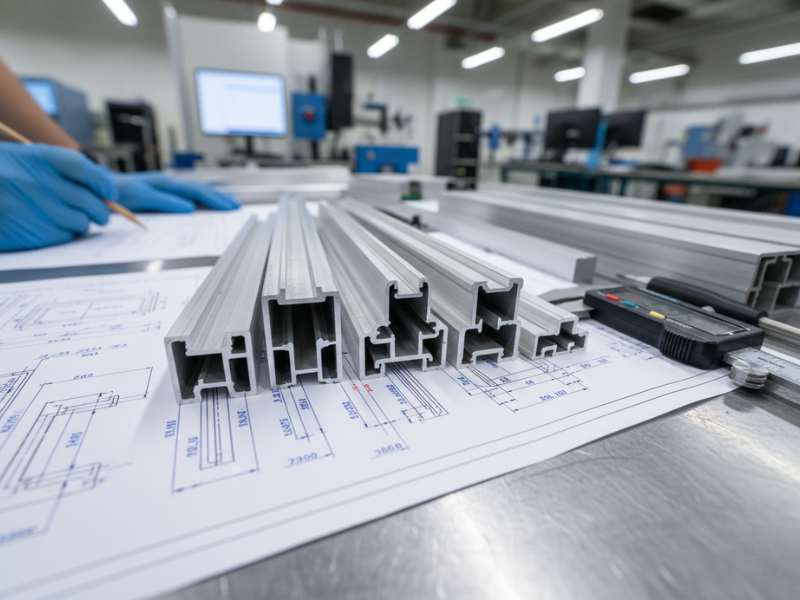
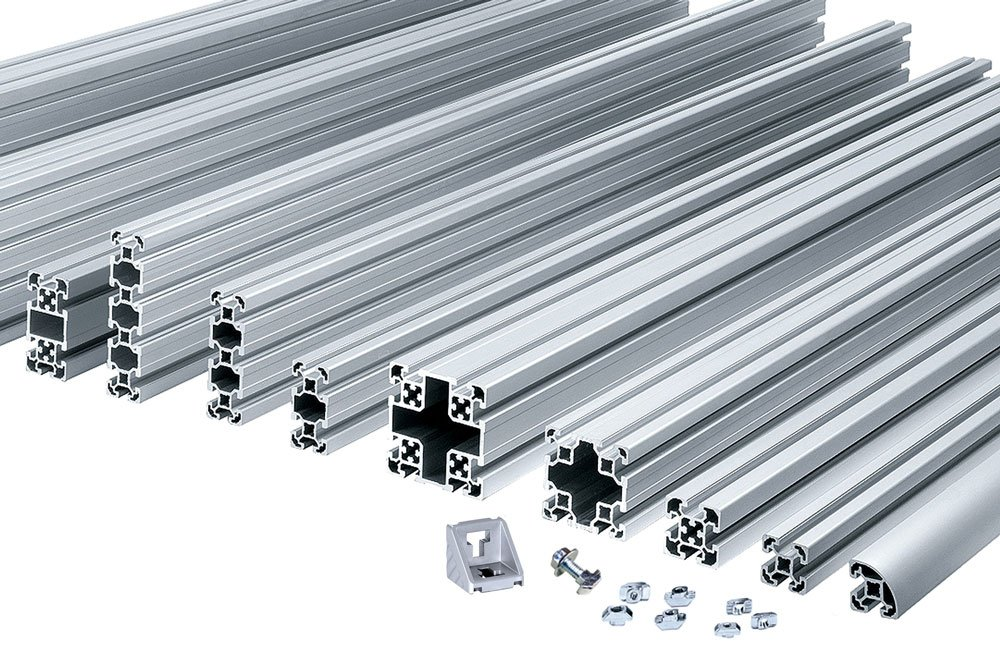
A extrusão de alumínio com ranhura em T utiliza um ranhura em forma de T Projetado para aceitar porcas T, parafusos e suportes padrão.
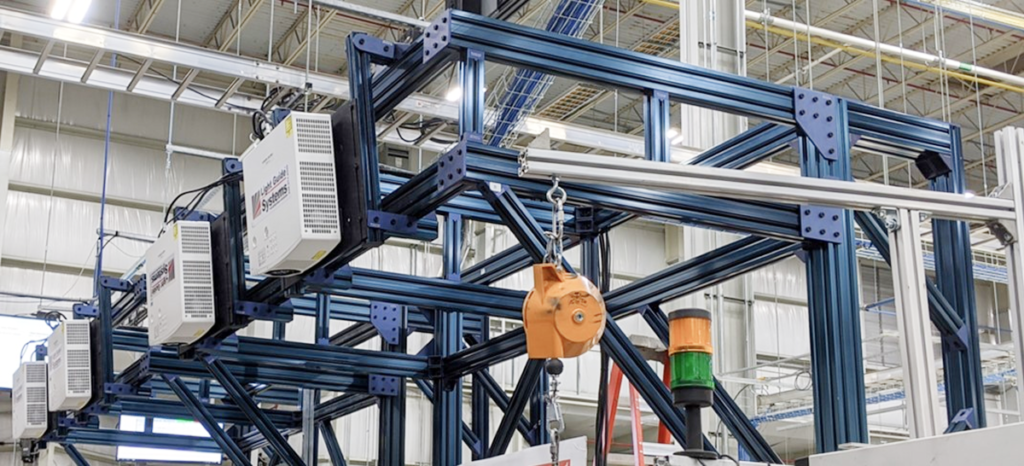
É amplamente utilizado em equipamentos industriais, estruturas de automação, estações de trabalho e sistemas estruturais onde resistência e flexibilidade são importantes.
Por que os compradores industriais escolhem o perfil T?
- Projetado para cargas estáticas e semiestáticas
- Suporta conjuntos pesados sem reforço adicional.
- Fácil de modificar ou expandir durante mudanças na produção.
Usos industriais típicos
- Estruturas de máquinas e sistemas de proteção
- Automação e estruturas de transporte
- Mesas de montagem e estações de inspeção
Os perfis de ranhura em T focam em estabilidade estrutural em primeiro lugar, não movimento.
O que é extrusão de alumínio com ranhura em V?
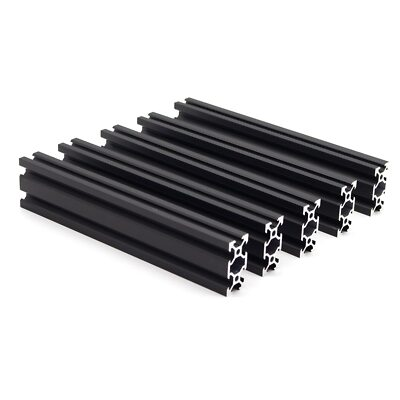
A extrusão de alumínio com ranhura em V apresenta um ranhura em forma de V que também funciona como pista para rodas em V.
Esse design permite que o perfil funcione tanto como uma moldura quanto como um guia linear.
Por que existe o slot em V?
- Combina estrutura e movimento em um único perfil.
- Reduz a necessidade de trilhos lineares separados.
- Funciona melhor para sistemas de movimentação de carga leve
Aplicações comuns
- Máquinas CNC e automação de mesa
- impressoras 3D
- Plataformas de movimento ajustáveis
A ranhura em V é frequentemente escolhida para sistemas compactos com movimentação frequente, não estruturas industriais pesadas.
Ranhura em T vs. Ranhura em V: Diferenças estruturais que importam
A principal diferença não está na aparência. É como cada perfil lida com carga e movimento.
Diferenças estruturais fundamentais
- O perfil em T distribui a carga através de fixadores e suportes.
- A ranhura em V concentra a carga ao longo das bordas da ranhura em V.
- Os sulcos em forma de V sofrem desgaste com o tempo quando usados como trilhos.
Para uso industrial a longo prazo, essa diferença afeta diretamente a vida útil e o custo de manutenção.
Comparação de Capacidade de Carga e Estabilidade
Muitos compradores perguntam qual perfil é "mais forte".“
A pergunta mais pertinente seria: Mais forte para quê?
Vantagens do encaixe em T
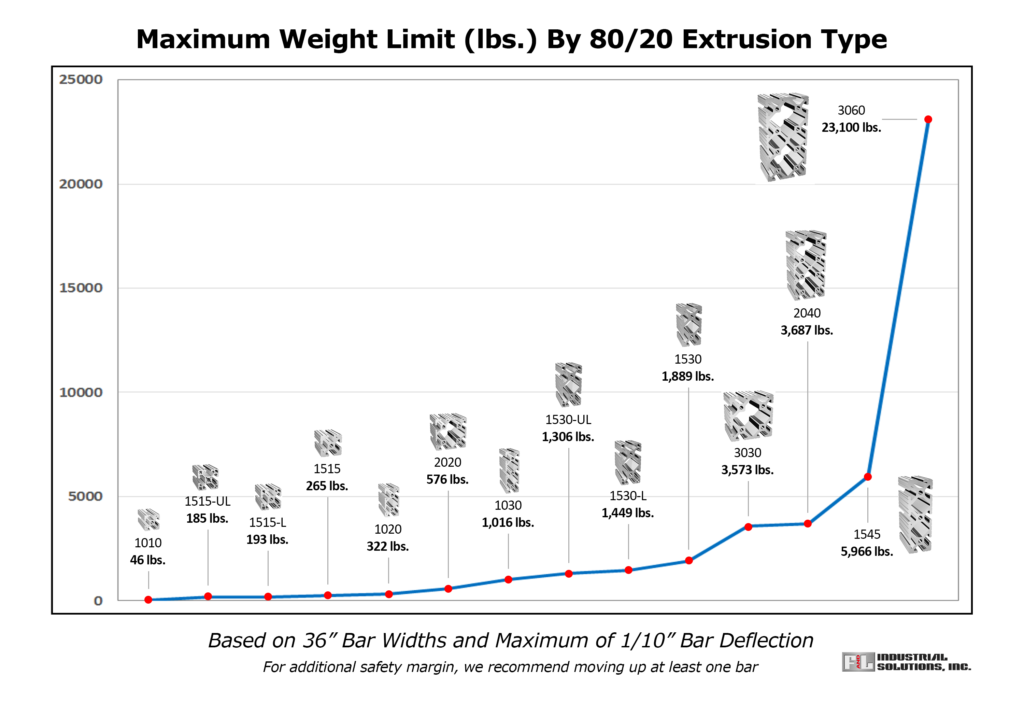
- Melhor para cargas pesadas, estáticas ou irregulares.
- Lida com vibrações e impactos de forma mais confiável.
- Mantém o alinhamento em grandes vãos da estrutura.
Limitações do slot em V
- Não foi projetado para suportar cargas estruturais pesadas.
- O desgaste das ranhuras pode reduzir a precisão ao longo do tempo.
- Requer alinhamento preciso para evitar danos às rodas.
Para equipamentos de produção ou estruturas relacionadas à segurança, o perfil T geralmente é a opção mais segura.
Montagem e modificação em ambientes industriais
Nas fábricas, os projetos mudam com frequência. O sistema de perfis deve se adaptar sem interrupções.
Vantagens da montagem com ranhura em T
- Utiliza hardware padrão amplamente disponível.
- Permite retrabalho sem desmontar toda a estrutura.
- Compatível com diversos acessórios industriais
Considerações sobre a ranhura em V
- A montagem deve levar em consideração o alinhamento das rodas.
- As modificações podem afetar a precisão do movimento.
- Menos tolerante em ambientes adversos
Para projetos OEM com ciclos de vida longos, o perfil T-slot oferece mais flexibilidade.
Considerações sobre custos para fabricantes de equipamentos originais (OEM) e compradores de grande volume.
O custo do perfil não se resume apenas ao preço por metro.
O que afeta o custo total?
- Consistência das ferramentas e da extrusão
- Disponibilidade de acessórios
- Tempo de usinagem e montagem
- Manutenção a longo prazo
Tendência geral de custos
- Perfil com ranhura em T: custo ligeiramente superior, menor risco.
- Ranhura em V: menor custo inicial, maior exigência de precisão
Para programas de fornecimento de grande volume ou longo prazo, o desempenho previsível importa mais do que economias de curto prazo.
Casos típicos de uso industrial
Escolha o perfil T se o seu projeto envolver
- estruturas de equipamentos pesados
- Linhas de automação
- Enclausuramentos de segurança
- Estruturas que devem durar anos
Escolha o perfil V-slot se o seu projeto envolver
- Sistemas de movimento leves
- Plataformas CNC compactas
- Movimento linear frequente
Muitos compradores de OEMs usam ambos os sistemas em diferentes partes da mesma máquina.
Erros comuns cometidos por compradores industriais
Até mesmo compradores experientes cometem erros evitáveis.
Problemas frequentes
- Utilizando perfil V como estrutura de suporte de carga
- Ignorando o desgaste das ranhuras em sistemas de movimento contínuo
- Selecionar perfis sem considerar a expansão futura.
Esses erros frequentemente levam a reformulações, atrasos e custos totais mais elevados.
Como a Xingyong apoia projetos de perfis industriais de alumínio
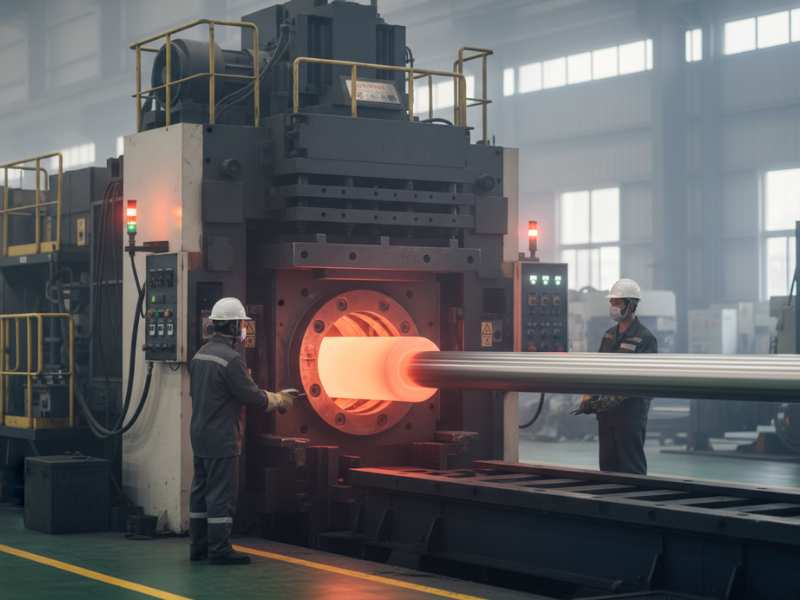
Desde 2002, a Xingyong tem apoiado compradores OEM e industriais com um fornecimento estável de extrusão de alumínio e processamento interno.
O que você ganha
- Capacidade mensal de 3.000 toneladas
- 14 prensas de extrusão de 350T a 2000T
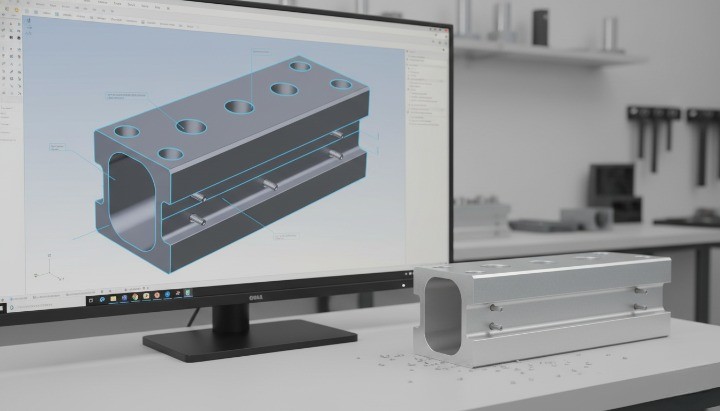
- Usinagem CNC, corte, furação e acabamento em uma única fábrica.
- Controle de qualidade rigoroso com equipamentos de inspeção completos
Nós ajudamos você a escolher o perfil adequado para o trabalho, não se trata apenas de vender alumínio.
Explore nossas capacidades de extrusão de alumínio.
Recomendação final
Ranhuras em T e ranhuras em V são ferramentas, não concorrentes.
Se o seu projeto for estrutural, de longo prazo ou industrial, A ranhura em T geralmente é a melhor base..
Se o seu projeto se concentra em movimentos controlados e cargas leves, O perfil em V pode simplificar o design..
A escolha certa reduz riscos, custos e dores de cabeça futuras.
Pronto para começar seu projeto?
- Solicite uma discussão técnica.
- Solicite um perfil de exemplo.
- Obtenha a revisão dos desenhos prontos para usinagem.
Entre em contato com nossa equipe de exportação hoje mesmo.
Referência externa
Para informações gerais sobre extrusão de alumínio:
https://en.wikipedia.org/wiki/Aluminium_extrusion