
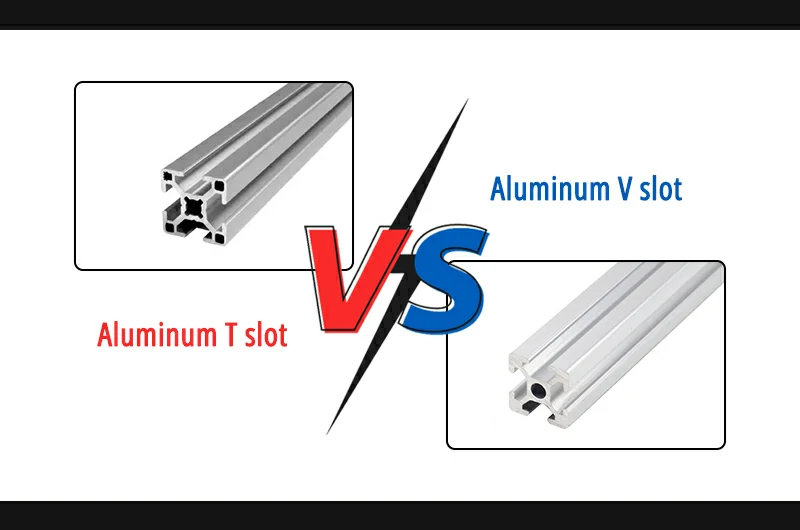
When designing an industrial aluminum structure, the profile you choose significantly impacts strength, assembly time, cost, and future expansion.
T-slot and V-slot aluminum extrusions may appear similar at first glance, but they serve distinct purposes in real-world industrial applications.
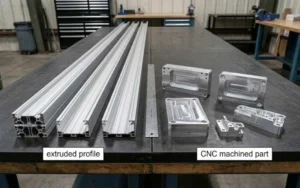
To make the article actionable, convert the key takeaway into an RFQ line item, compare it against standard aluminum extrusion capabilities, and use CNC machining for aluminum pole components for the production route. For external technical context, use Aluminum Association material resources.
This guide explains the difference between T-slot and V-slot from a practical OEM and industrial buyer’s point of view, so you can choose the right system with confidence.
What Is T-Slot Aluminum Extrusion
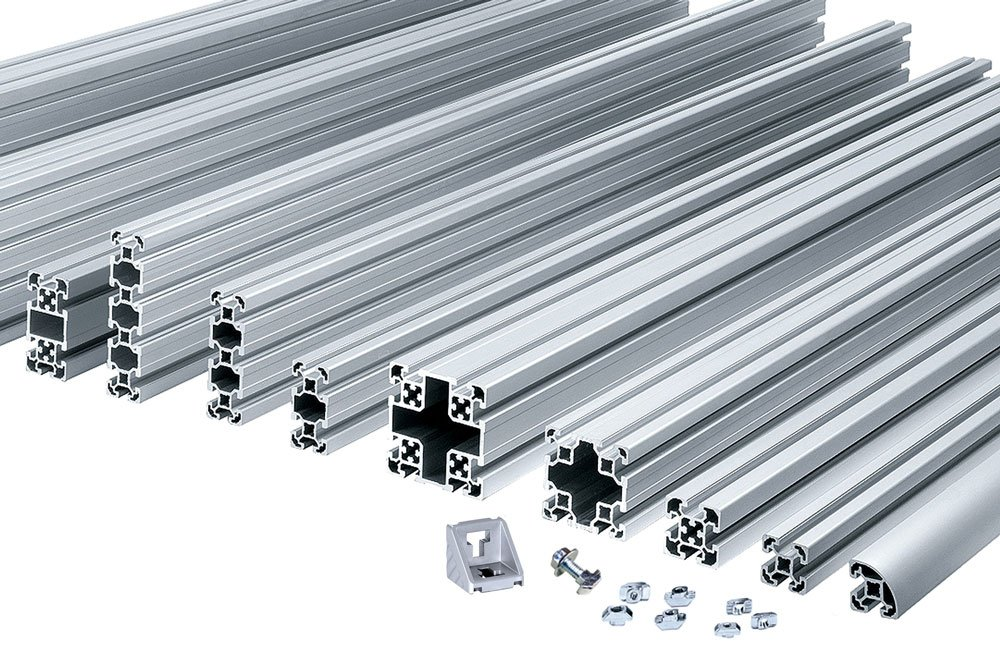
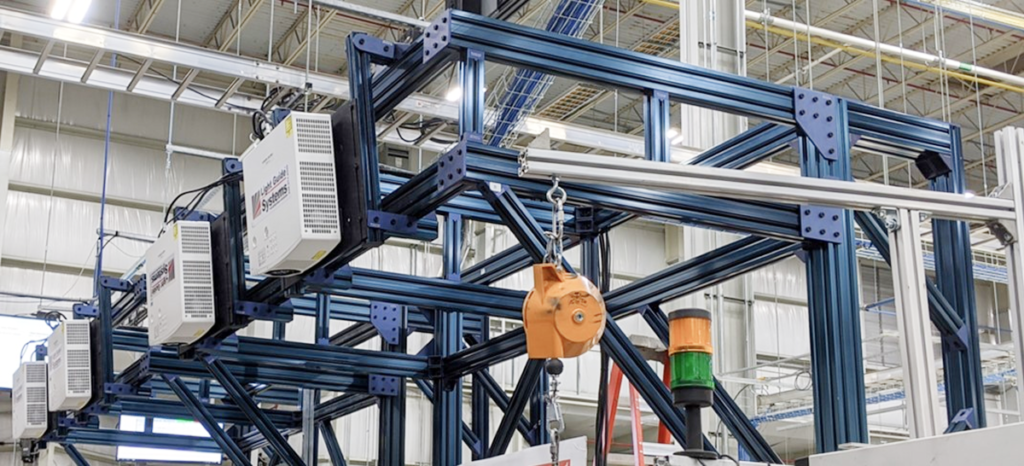
T-slot aluminum extrusion uses a T-shaped groove designed to accept standard T-nuts, bolts, and brackets.
It is widely used in industrial equipment, automation frames, workstations, and structural systems where strength and flexibility matter.
Why industrial buyers choose T-slot
- Designed for static and semi-static loads
- Supports heavy assemblies without extra reinforcement
- Easy to modify or expand during production changes
Typical industrial uses
- Machine frames and guarding systems
- Automation and conveyor structures
- Assembly tables and inspection stations
T-slot profiles focus on structural stability first, not motion.
What Is V-Slot Aluminum Extrusion
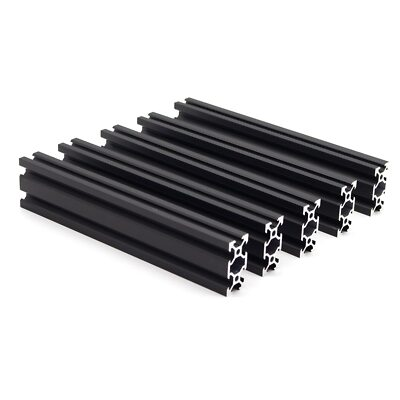
V-slot aluminum extrusion features a V-shaped groove that also works as a track for V-wheels.
This design allows the profile to act as both a frame and a linear guide.
Why V-slot exists
- Combines structure and motion in one profile
- Reduces the need for separate linear rails
- Works best for light-duty moving systems
Common applications
- CNC machines and desktop automation
- 3D printers
- Adjustable motion platforms
V-slot is often chosen for compact systems with frequent movement, not heavy industrial frames.
T-Slot vs V-Slot: Structural Differences That Matter
The key difference is not appearance. It is how each profile handles load and movement.
Core structural differences
- T-slot distributes load through fasteners and brackets
- V-slot concentrates load along the V-groove edges
- V-slot grooves wear over time when used as rails
For long-term industrial use, this difference directly affects service life and maintenance cost.
Load Capacity and Stability Comparison
Many buyers ask which profile is “stronger.”
The better question is: stronger for what purpose?
T-slot advantages
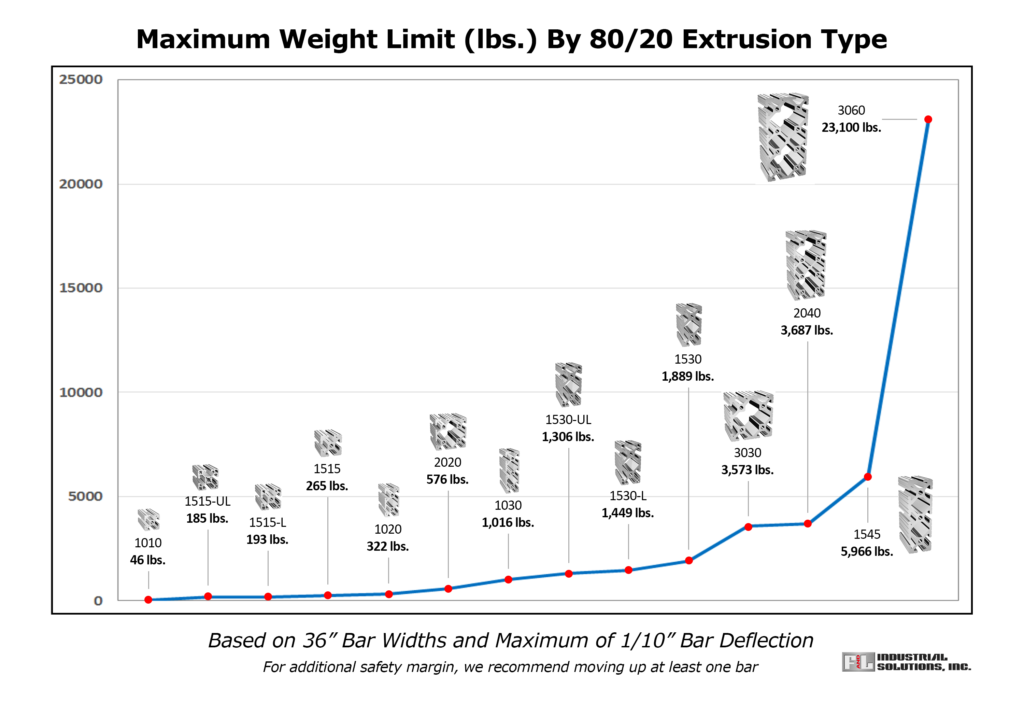
- Better for heavy, static, or uneven loads
- Handles vibration and impact more reliably
- Maintains alignment over long frame spans
V-slot limitations
- Not designed for heavy structural loads
- Groove wear can reduce accuracy over time
- Requires precise alignment to avoid wheel damage
For production equipment or safety-related structures, T-slot is usually the safer choice.
Assembly and Modification in Industrial Environments
In factories, designs often change. The profile system must adapt without downtime.
T-slot assembly benefits
- Uses widely available standard hardware
- Allows rework without disassembling the full frame
- Compatible with many industrial accessories
V-slot considerations
- Assembly must account for wheel alignment
- Modifications can affect motion accuracy
- Less forgiving in rough environments
For OEM projects with long lifecycles, T-slot offers more flexibility.
Cost Considerations for OEM and Volume Buyers
Profile cost is not only about price per meter.
What affects total cost
- Tooling and extrusion consistency
- Accessory availability
- Machining and assembly time
- Long-term maintenance
General cost trend
- T-slot: slightly higher profile cost, lower risk
- V-slot: lower initial cost, higher precision demand
For large-volume or long-term supply programs, predictable performance matters more than short-term savings.
Typical Industrial Use Cases
Choose T-slot if your project involves
- Heavy equipment frames
- Automation lines
- Safety enclosures
- Structures that must last for years
Choose V-slot if your project involves
- Lightweight motion systems
- Compact CNC platforms
- Frequent linear movement
Many OEM buyers use both systems in different parts of the same machine.
Common Mistakes Industrial Buyers Make
Even experienced buyers make avoidable errors.
Frequent issues
- Using V-slot as a load-bearing frame
- Ignoring groove wear in continuous motion systems
- Selecting profiles without considering future expansion
These mistakes often lead to redesigns, delays, and higher total cost.
How Xingyong Supports Industrial Aluminum Profile Projects
Since 2010, Xingyong has supported OEM and industrial buyers with a stable aluminum extrusion supply and in-house processing.
What you gain
- Monthly capacity of 3,000 tons
- 14 extrusion presses from 350T to 2000T
- CNC machining, cutting, drilling, and finishing in one factory
- Strict quality control with full inspection equipment
We help you choose the right profile for the job, not just sell aluminum.
Explore our aluminum extrusion capabilities
Final Recommendation
T-slot and V-slot are tools, not competitors.
If your project is structural, long-term, or industrial, T-slot is usually the better foundation.
If your project focuses on controlled movement and light loads, V-slot can simplify design.
The right choice reduces risk, cost, and future headaches.
Ready to Start Your Project?
- Request a technical discussion
- Ask for a sample profile
- Get machining-ready drawings reviewed
Contact our export team today.
External Reference
For general background on aluminum extrusion:
https://en.wikipedia.org/wiki/Aluminium_extrusion
Quick Comparison
| Feature | T-slot | V-slot |
|---|---|---|
| Channel shape | T-shaped | V-shaped |
| Connection | T-nuts and bolts | V-wheels roll plus T-nuts |
| Rolling wheels | No | Yes |
| Best for | Framing, fixtures, guards | Linear motion, gantries, CNC |
| Debris | Traps debris | Self-clearing V |
Frequently Asked Questions
What is the difference between T-slot and V-slot aluminum extrusion?
T-slot has a T-shaped channel for T-nuts and bolts, ideal for framing and fixtures. V-slot adds a V-shaped groove so wheels can roll along it, making it suited to linear-motion systems like CNC gantries and 3D printers.
Can you use wheels on T-slot extrusion?
Not smoothly. T-slot is designed for fastening with T-nuts, not for rolling wheels. V-slot's angled groove is made for V-wheels, so for motion applications V-slot is the correct choice.
Is V-slot stronger than T-slot?
Strength is similar for the same profile size and alloy; the difference is function, not strength. Choose T-slot for static framing and V-slot when parts need to slide or roll along the rail.
Which is better for machine framing?
T-slot is the standard for static machine framing, guards, and workstations because T-nuts give strong, repositionable bolted joints. V-slot is better when the frame doubles as a motion track.
T-Slot vs V-Slot Extrusion: Compatibility Checklist
T-slot and V-slot extrusion may look similar, but the choice affects rolling components, fasteners, stiffness and future modification. T-slot is the general-purpose industrial framing option. V-slot adds angled track surfaces intended for compatible V-wheels, making alignment and wear at the running surface part of the specification.
| Check | T-slot focus | V-slot focus |
|---|---|---|
| Motion system | Linear rails, carriages or accessories mounted to the slot | V-wheel angle, preload and track finish |
| Fasteners | T-nut series, slot opening and insertion method | Wheel clearance plus compatible slot hardware |
| Structural load | Profile size, wall distribution, span and joint stiffness | Same structural checks plus local wheel-contact stress |
| Maintenance | Joint access and modular changes | Track cleanliness, wheel wear and alignment |
| Machining | End taps, access holes and bracket interfaces | Track protection during cutting and handling |
Before approving an interchangeable profile
- Match the complete cross-section drawing, not only the nominal profile width.
- Confirm slot opening, internal cavity, corner radius and T-nut compatibility.
- For V-wheel motion, test wheel geometry, preload and travel over the full assembled length.
- Calculate deflection using the supplier’s section properties and the real support spacing.
- Approve surface finish, straightness, cut length and machining tolerances on a sample.
For custom sections or project-specific machining, review our aluminum extrusion profile capabilities and CNC machining guidance.
Related Comparisons & Guides
Apply This Material Guidance to Your Pole Specification
When applying the T-Slot vs V-Slot Aluminum Extrusions guidance to a finished aluminum pole, confirm the length, load, surface exposure and processing requirements. Send the target alloy, tube dimensions, finish and order quantity through the Xingyong engineering inquiry form for a manufacturability review.
Related products: Explore related products and review matching solutions.

 English
  Español
  Français
  Deutsch
  Português