Telescopic extension poles have become essential tools across cleaning, construction, agriculture, facility maintenance, and outdoor industries. These adjustable poles allow workers to safely reach ceilings, glass façades, rooftops, trees, and solar panels without using ladders.
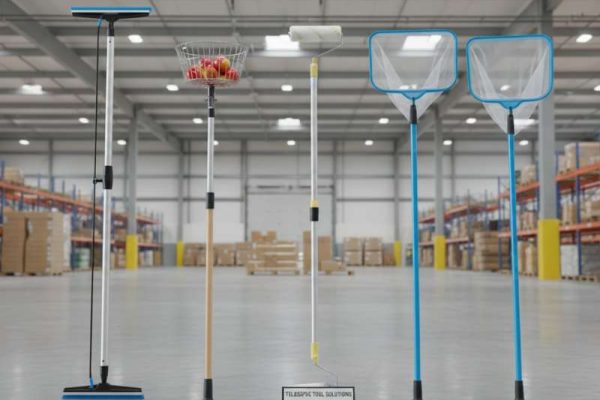
Because of this versatility, extension poles are a major product category for cleaning equipment brands, gardening tool companies, and retail chains. Products range from window cleaning poles and solar panel cleaning poles Zu fruit picking poles, painting extension poles, pool poles, and pole saw systems.
However, sourcing high-quality Teleskopstangen requires more than choosing the lowest price supplier. Weak aluminum tubing, poor locking systems, or inconsistent manufacturing tolerances can lead to bending, slipping sections, or premature corrosion.
Dieser Leitfaden erklärt die entire telescopic extension pole industry, including:
- 20+ extension pole application scenarios
- extension pole materials comparison
- pole diameter and wall thickness design
- telescopic pole manufacturing process
- how to choose a reliable OEM extension pole supplier
By understanding these factors, buyers can build a stable supply chain and launch competitive extension pole products.
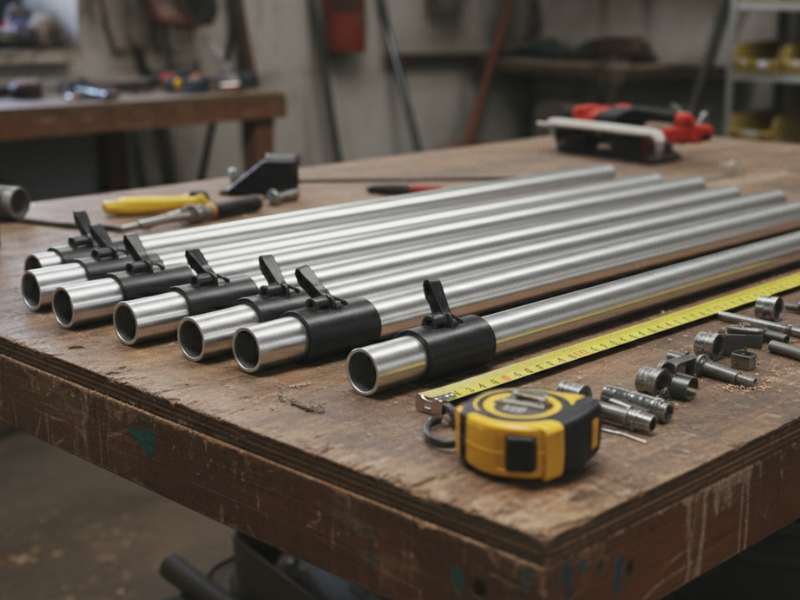
What Is a Telescopic Extension Pole
A telescopic extension pole is an adjustable pole made from multiple nested tubes that slide inside one another. Each section extends outward and locks in place using a mechanical locking system.
The design allows the pole to:
- extend reach safely
- collapse for storage and transport
- adapt to different working heights
- support multiple tool attachments
Most telescopic poles are manufactured using extruded Aluminiumrohre, which provides:
- high strength-to-weight ratio
- Korrosionsbeständigkeit
- consistent dimensional accuracy
- scalable mass production
Laut der Aluminum Association, Aluminium-Extrusion enables lightweight structural components with high mechanical strength and precise tolerances.
Because of these advantages, aluminum telescopic poles dominate professional cleaning, maintenance, and outdoor tool markets.
Telescopic Extension Pole Applications by Industry
Extension poles are used in many industries. Understanding these applications helps brands identify product opportunities.
Professional Cleaning Equipment
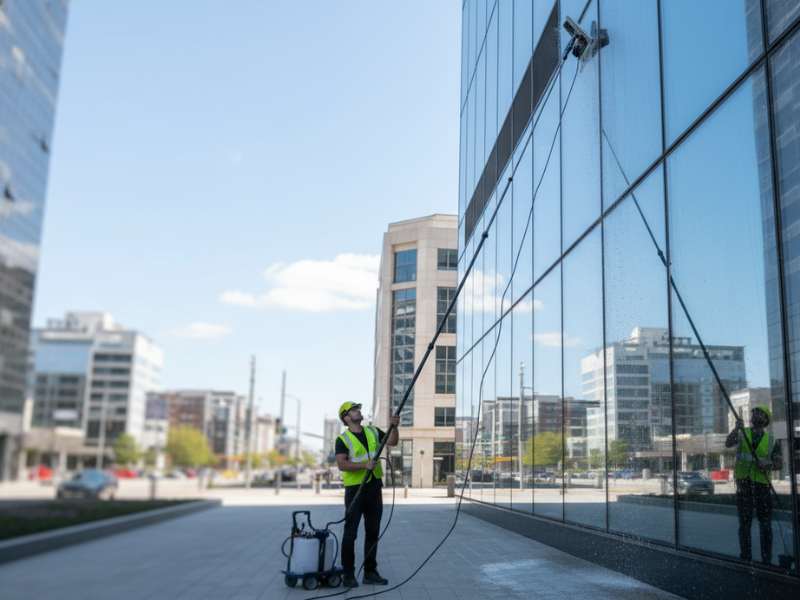
Cleaning tools represent the largest global market for telescopic poles.
Typical products include:
- Fensterputzstange
- Teleskop-Waschstange
- Reinigungsstange für Solarmodule
- Abzieher-Verlängerungsstange
- Bürstenverlängerungsstange
- Verlängerungsstange zum Abstauben
- Aluminium-Moppstiel
These poles require lightweight aluminum tubing and corrosion-resistant Anodisieren.
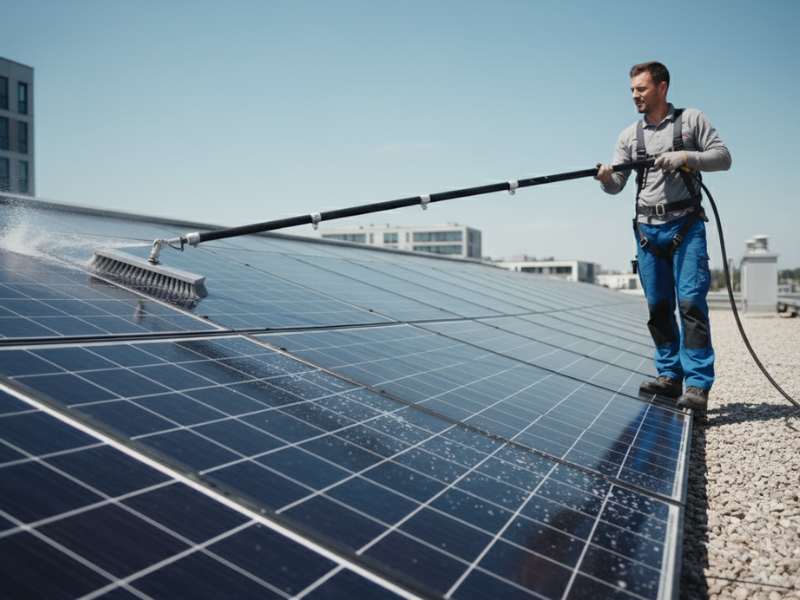
Facility Maintenance and Household Tools
Many telescopic poles are used in building maintenance and household cleaning.
Common tools include:
These poles prioritize ergonomic grip and lightweight handling.
Gardening and Agricultural Tools

Agriculture tools frequently rely on telescopic poles to reach trees and plants.
Examples include:
These applications require thicker aluminum tubes and stronger locking systems.
Construction and Painting Tools
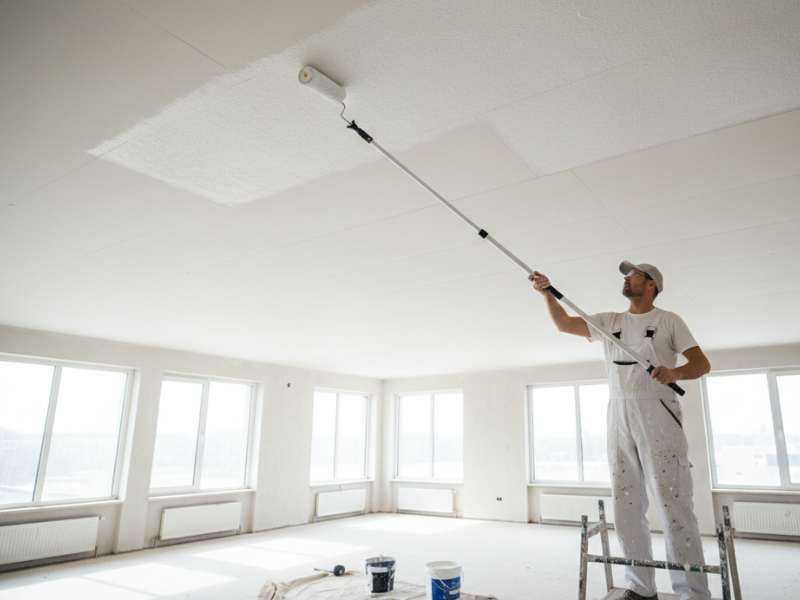
Construction professionals often use extension poles for painting ceilings or tall walls.
Typical products include:
These poles must remain rigid even when fully extended.
Pool Maintenance Equipment

Swimming pool tools rely heavily on telescopic poles.
Typical examples include:
These poles require corrosion-resistant anodized aluminum.
Outdoor and Camping Equipment
Telescopic aluminum tubes are also used in outdoor gear.
Examples include:
These poles must balance strength and lightweight portability.
Telescopic Extension Pole Length Guide
Extension poles are manufactured in various lengths depending on the intended application.
| Verlängerte Länge | Typische Anwendungen |
|---|---|
| 3–4 m | household cleaning |
| 5–6 m | Fensterreinigung |
| 7–9 m | building maintenance |
| 10–12 m | Reinigung von Solarmodulen |
| 15 m+ | professional high-reach cleaning |
Longer poles require larger tube diameters and thicker walls to maintain rigidity.
Extension Pole Diameter and Wall Thickness Guide
Tube dimensions determine the pole’s structural strength.
| Verlängerte Länge | Rohrdurchmesser | Wandstärke |
|---|---|---|
| 3–5 m | 22–26 mm | 0.8–1.0 mm |
| 6–9 m | 26–32 mm | 1.0–1.2 mm |
| 10–12 m | 32–38 mm | 1.2–1.5 mm |
These specifications help balance weight, rigidity, and durability.
Extension Pole Materials Comparison
Extension poles can be produced using several materials depending on application requirements.
| Material | Vorteile | Typische Anwendungen |
|---|---|---|
| Aluminium | lightweight, corrosion resistant, cost-efficient | cleaning poles |
| Fiberglas | electrical insulation | utility maintenance |
| Kohlenstofffaser | extremely lightweight and stiff | professional window cleaning |
Aluminum remains the most widely used material because it offers the best balance of performance and manufacturing cost.
Telescopic Pole Locking Systems
Locking mechanisms ensure that telescopic poles remain stable during use.
Drehverschluss
The most common system used in cleaning poles.
Vorteile:
- simple design
- leicht
- cost efficient
Klappverschluss
Flip clamps provide stronger locking force and faster extension adjustment.
Clamp Lock
Clamp locks are used in heavy-duty poles such as pole saws and tree pruning tools.
Telescopic Extension Pole Manufacturing Process
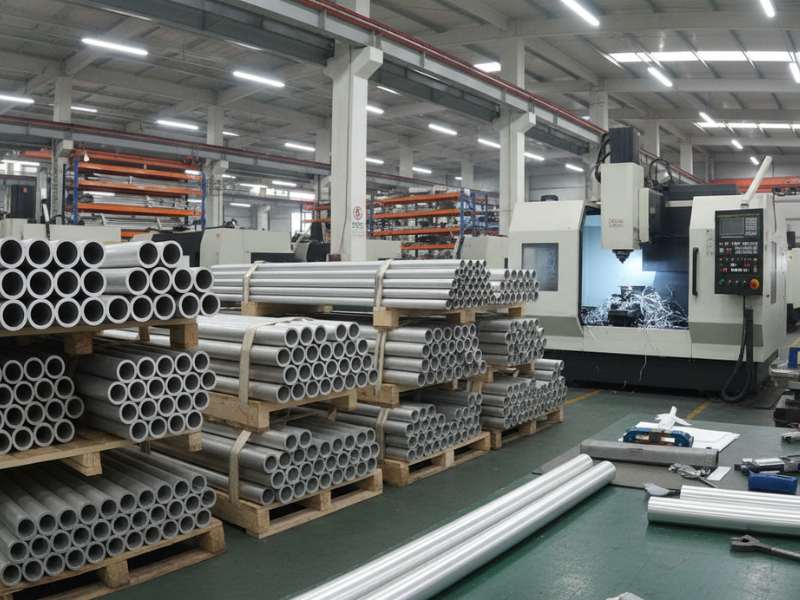
Understanding the manufacturing process helps buyers evaluate suppliers.
Aluminium-Strangpressprofil
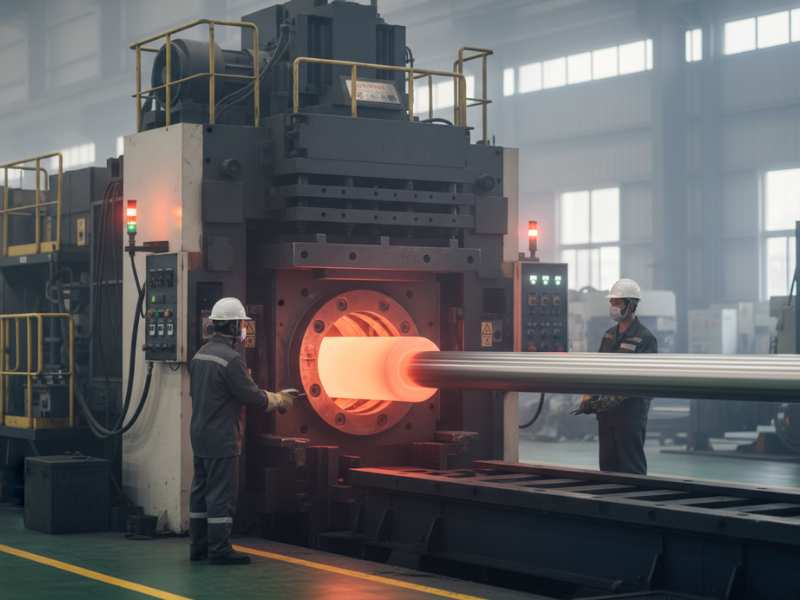
The process begins with aluminum extrusion to produce precise tube profiles.
Zu den Schlüsselfaktoren gehören:
- extrusion press capacity
- Aluminiumlegierung selection (commonly 6063)
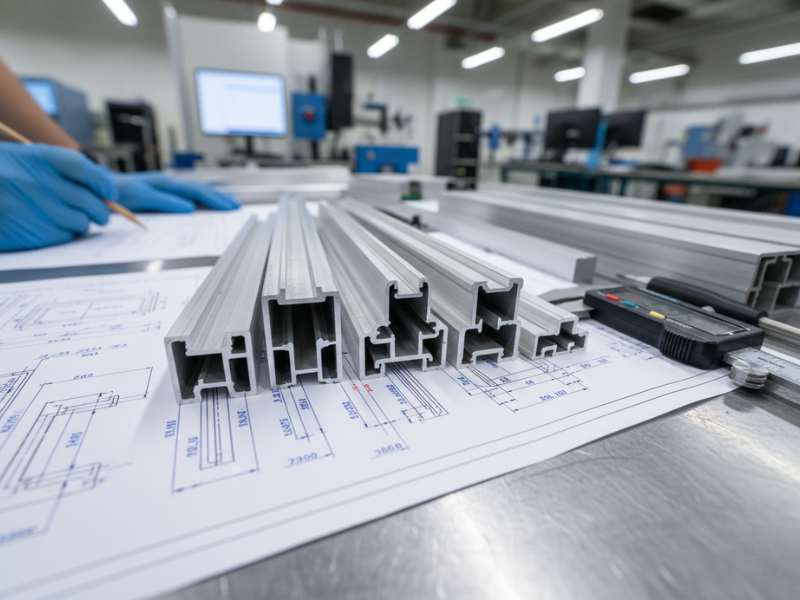
- dimensional tolerance control
Tube Cutting and CNC Machining
Extruded tubes undergo machining operations such as:
- CNC drilling
- tube expansion
- threading
- deburring
Oberflächenbehandlung
Surface finishing improves corrosion resistance and product appearance.
Common treatments include:
- Anodisieren
- Sandstrahlen
- polishing
Assembly
Final assembly installs locking systems, connectors, and accessories.
Quality inspection ensures stable extension and locking performance.
Telescopic Pole vs Fixed Pole
| Besonderheit | Teleskopstange | Fixed Pole |
|---|---|---|
| length adjustment | adjustable | fixed |
| storage | compact | long |
| applications | multi-purpose | single task |
| manufacturing complexity | higher | lower |
Telescopic poles offer greater flexibility, which explains their widespread use in professional tools.
Extension Pole Buyer Guide: How to Choose the Right Supplier
Selecting the right supplier requires evaluating several capabilities.
Manufacturer vs Trading Company
| Faktor | Manufacturer | Trading Company |
|---|---|---|
| cost | lower | higher |
| customization | strong | limited |
| engineering support | verfügbar | rare |
| production control | direct | indirect |
For OEM production, manufacturers usually provide better cost control and engineering support.
Manufacturing Capability
Buyers should confirm whether the factory provides:
- aluminum extrusion presses
- CNC machining equipment
- surface treatment lines
- assembly facilities
Factories with integrated production processes can ensure consistent quality.
Quality Control Systems
Reliable suppliers operate inspection laboratories including:
- tensile testing machines
- hardness testers
- coating thickness gauges
These systems help ensure consistent product performance.
Zertifizierungen
Factories supplying international markets often maintain:
ISO standards help ensure standardized manufacturing processes.
Common OEM Customization Options
Extension pole manufacturers usually support customization including:
- custom pole lengths
- tube diameter and wall thickness
- locking mechanism designs
- anodized surface colors
- private label packaging
These options allow brands to differentiate their products.
Common Sourcing Mistakes
Buyers often encounter problems because they:
- select suppliers based only on price
- ignore extrusion capability
- skip factory verification
- fail to test product samples
A structured supplier evaluation process helps reduce these risks.
Häufig gestellte Fragen
What aluminum alloy is used for telescopic extension poles
6063 aluminum alloy is commonly used because it offers good extrusion quality and corrosion resistance.
What is the typical MOQ for extension poles
Minimum order quantities typically range from 200 to 1000 units, depending on customization.
How long does OEM production take
Typical production lead time ranges from 30 to 45 days including extrusion, machining, and surface finishing.
Start Your Telescopic Extension Pole OEM Project
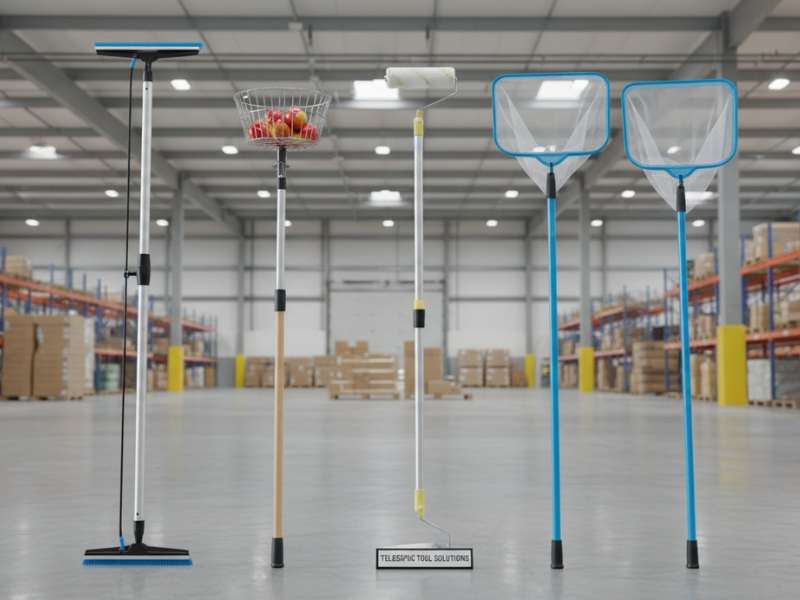
If you are developing cleaning equipment, gardening tools, or outdoor gear, working with an experienced aluminum manufacturer can simplify your sourcing process.
A professional supplier can support:
- Brauch Aluminium-Strangpressprofile
- telescopic pole engineering
- OEM branding and packaging
- stable production capacity for large retail orders
Send your product specifications or drawings to discuss your project requirements.