O alumínio não possui uma cor única e fixa.
O que você vê depende da liga metálica, do acabamento da superfície e de como o produto é fabricado. Para marcas OEM e compradores de varejo, entender isso ajuda a reduzir reclamações sobre cores, devoluções e retrabalho.
Este guia explica alumínio’A cor natural, como os acabamentos alteram sua aparência e como especificar a cor em pedidos em grande quantidade.
A cor natural do alumínio
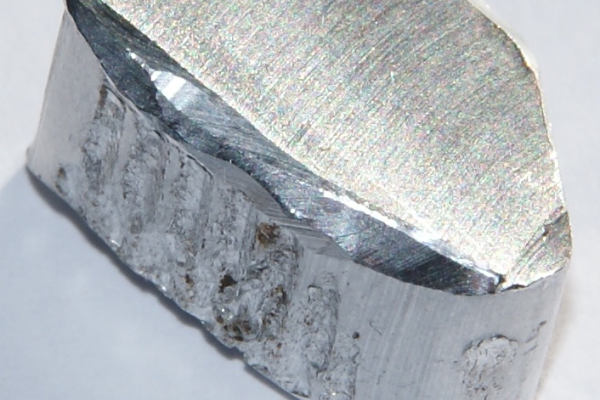
Em seu estado não tratado, o alumínio parece cinza-prateado claro.
- O alumínio recém-cortado tem uma aparência brilhante e metálica.
- Uma fina camada de óxido natural se forma instantaneamente no ar.
- Essa camada de óxido protege o alumínio, mas suaviza ligeiramente o brilho.
Diferentes ligas refletem a luz de maneiras diferentes. Por exemplo, Alumínio 6063 geralmente parece mais suave e brilhante do que 6061, mesmo antes do tratamento da superfície.
Para os compradores, isto significa: “"Cor natural do alumínio" é uma descrição visual, não um padrão controlado.
O alumínio é prateado ou cinza?
Ambas as descrições estão corretas, mas incompletas.
- Prata descreve a refletividade
- Cinza descreve o tom base
- A iluminação e a textura da superfície afetam o que seus olhos veem.
Em termos de aquisição, “prata” é não é uma especificação. Dois fornecedores podem enviar "alumínio prateado" que pareça diferente quando colocados lado a lado.
Se a cor é importante para o seu produto ou marca, você precisa de mais detalhes do que uma única palavra.
Alumínio com acabamento natural: cor versus realidade
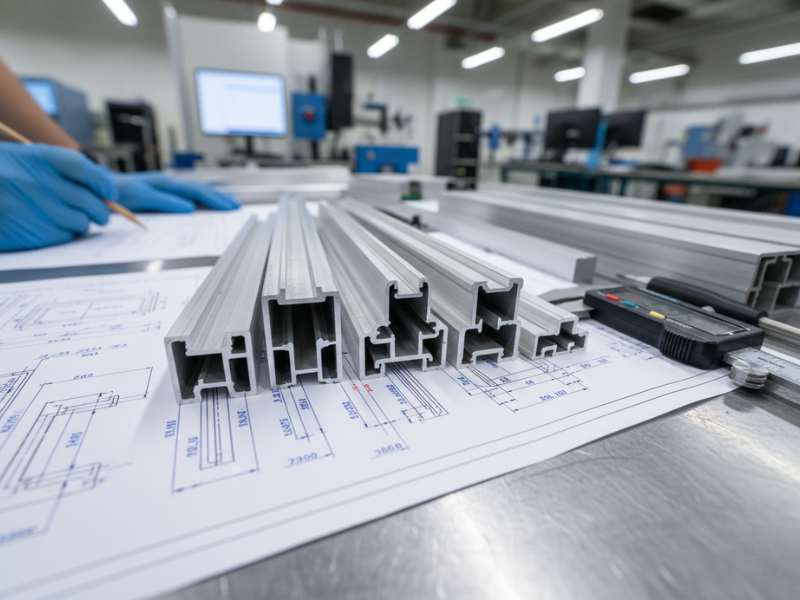
O alumínio com acabamento de fábrica é alumínio. ao sair do processo de extrusão, sem nenhum tratamento de superfície adicional.
Aparência típica do acabamento de fábrica:
- Tom cinza-prateado claro
- Linhas de extrusão finas
- ligeira variação de brilho ao longo do comprimento.
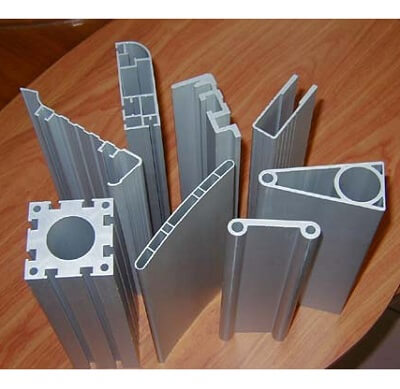
Para produtos OEM e de varejo, o acabamento de fábrica apresenta riscos:
- A consistência da cor varia de lote para lote.
- As marcas na superfície são visíveis sob a iluminação da loja.
- Os clientes do varejo frequentemente o veem como "inacabado".“
O acabamento de fábrica é mais adequado para peças internas ou projetos com restrições de custo — não para postes de piscina destinados ao consumidor final.
Como os acabamentos de superfície alteram a cor do alumínio
O tratamento de superfície define a aparência final do alumínio mais do que o próprio metal.
Alumínio anodizado
A anodização engrossa a camada de óxido natural.
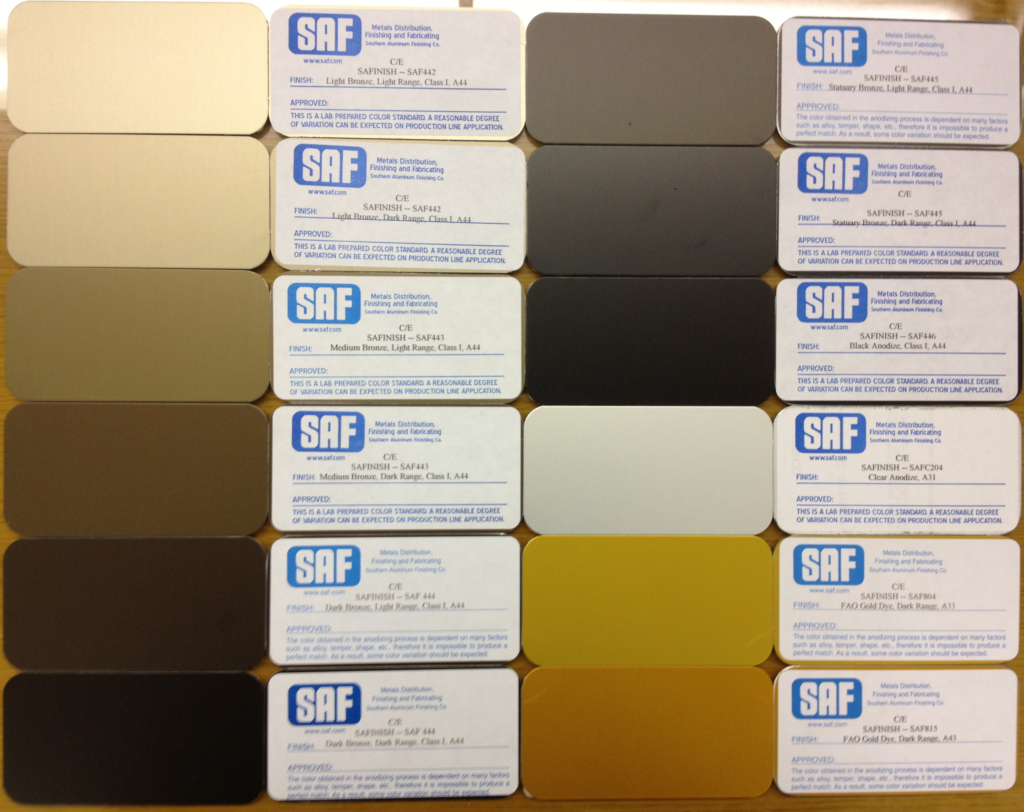
Para produtos de uso externo, como postes de piscina, a anodização melhora a estabilidade da cor sob o sol e produtos químicos.
Revestimento em pó ou alumínio pintado
Isso adiciona uma camada colorida sobre o metal.
- Maior variedade de cores
- Forte consistência visual
- Melhor opção para combinar com as cores da marca.
Desvantagem: custo mais elevado e quantidade mínima de encomenda (MOQ) mais alta.
Por que a consistência de cores é importante em pedidos de varejo e OEM
A variação de cor é uma das Principais causas de rejeição no varejo.
As causas comuns incluem:
- Diferentes lotes de alumínio
- Tanques ou tempos de anodização diferentes
- Variação da liga entre fornecedores
Compradores profissionais evitam problemas ao:
- Aprovação de amostras físicas
- Definir claramente o tipo de acabamento
- Definição de tolerância de cor aceitável (ΔE)
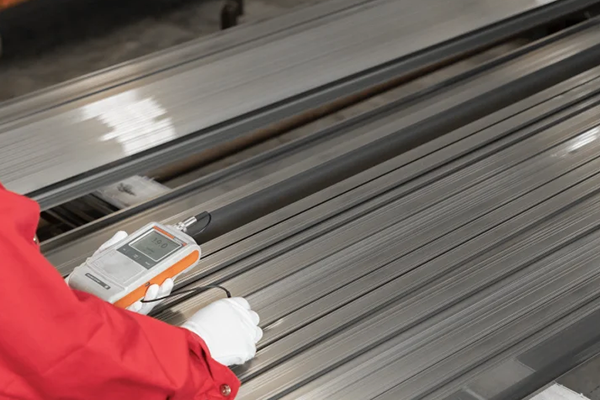
Na Xingyong, a consistência da cor é verificada usando iluminação controlada e ferramentas de medição antes do envio.
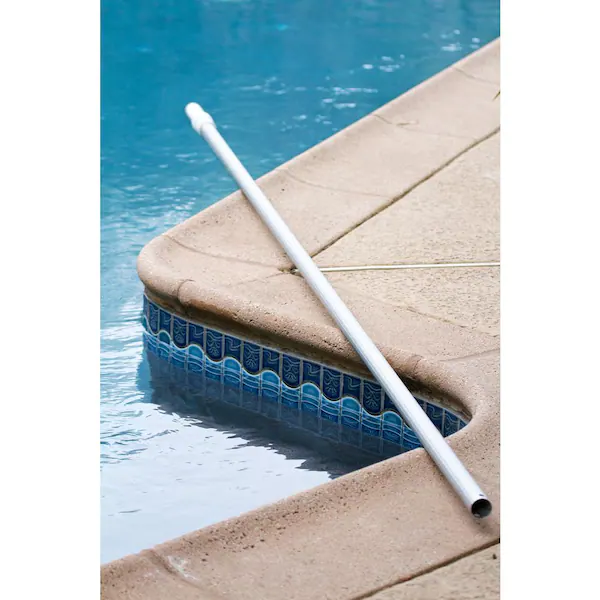
Exemplo real: postes de alumínio para piscinas de uso externo
Cabos de limpeza de piscinas ficam expostos a:
- luz solar UV
- Água clorada
- manuseio constante
Sem tratamento de superfície adequado:
- As cores perdem o brilho com o tempo.
- A superfície fica calcária.
- A discrepância visual entre as seções é evidente.
A anodização de alta qualidade reduz esses problemas e mantém a aparência uniforme do poste nas prateleiras das lojas.
Como especificar a cor do alumínio em pedidos OEM
Evite termos vagos como “alumínio prateado.”
Use uma destas opções:
- “Alumínio 6063, anodizado transparente, acabamento fosco.”
- “Alumínio anodizado, cor champanhe, amostra aprovada”
- “Alumínio com revestimento em pó, RAL 9006”
Sempre confirme com:
- Amostras de pré-produção
- Referências de cores aprovadas
- Descrição do acabamento por escrito no pedido de compra.
Isso economiza tempo, dinheiro e evita disputas futuras.
Perguntas frequentes: Dúvidas comuns dos compradores sobre a cor do alumínio
O alumínio é sempre prateado?
Não. Sua aparência depende do tratamento da superfície.
O alumínio muda de cor com o tempo?
O alumínio sem tratamento perde o brilho. O alumínio anodizado mantém-se estável por mais tempo.
Por que dois postes de alumínio têm aparências diferentes?
Diferentes lotes, ligas ou processos de acabamento.
O alumínio anodizado é mais escuro que o alumínio bruto?
Geralmente sim, mas a espessura e o tipo de acabamento importam.
Por que trabalhar com um fabricante de alumínio experiente?
Em projetos de varejo e OEM de grande volume, o controle de cores não é opcional.
A Xingyong produz artigos de alumínio desde 2002, com processos internos de extrusão, anodização, usinagem e inspeção. Isso permite um controle mais rigoroso sobre a aparência, a consistência e a entrega.
👉 Saiba mais sobre a nossa fabricação de postes de alumínio para piscinas.
Chamada à ação
- Solicite uma amostra de cor.
- Discuta seus requisitos de acabamento OEM.
- Obtenha orientação técnica antes da produção em massa.
Entre em contato com nossa equipe de exportação para evitar problemas dispendiosos de cor em seu próximo pedido.