
Si vous comparez types de piscines, En réalité, vous prenez deux décisions à la fois : la construction et l’entretien. La structure de la piscine influe sur le temps de nettoyage, le choix des outils les plus adaptés et la durée de conservation de l’aspect neuf des surfaces.
Ce guide couvre les principaux points. types de piscines Utilisé aux États-Unis et en Europe. Vous recevrez également une liste de contrôle d'entretien simple qui vous aidera à choisir le bon modèle. brosse, vide tête, et télescopique poteau de billard pour votre type de piscine.

Réponse rapide : les 4 configurations de piscine les plus populaires auprès des acheteurs
La plupart des propriétaires finissent par se retrouver avec l'une de ces combinaisons :
1) Coulée + béton (béton projeté)
2) Enterrée + coque en fibre de verre
3) Piscine enterrée avec revêtement en vinyle (UE : “ piscine à revêtement ”)
4) Piscine hors sol (avec revêtement)
Ensuite, vous choisissez un système de traitement de l'eau (chlore, eau salée ou eau naturelle) et un style (nage en longueur, piscine à débordement, etc.). Remarque : “ piscine d'eau salée ” désigne généralement… système d'assainissement, pas une structure de piscine.
Types de piscines selon l'installation
L'installation est le moyen le plus rapide de restreindre vos options. Elle modifie également votre façon de nettoyer (profondeur, portée et fréquence d'utilisation d'une longue perche).
Piscines enterrées
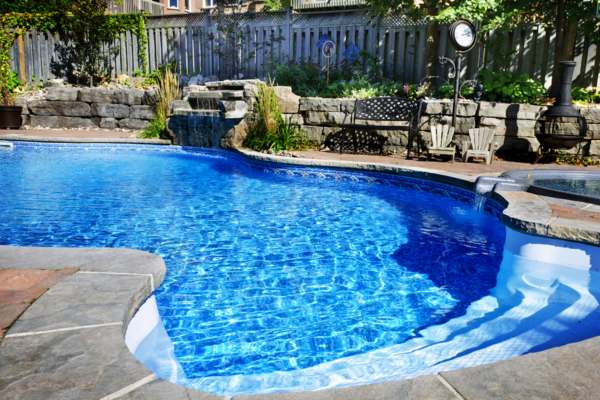
Les piscines enterrées sont des constructions permanentes et offrent une grande flexibilité en matière de conception.
- Idéal pour : résidences à long terme, formes personnalisées, zones de nage profondes
- Besoins de nettoyage typiques :
- Plus de surface murale à brosser
- Les zones plus profondes nécessitent souvent une perche télescopique plus longue.
- Plus de raccords et de coins qui accumulent les débris
- Décisions courantes :
- Choix du matériau (béton, fibre de verre ou revêtement)
- Conception des margelles et de la terrasse (influence sur l'accumulation de saletés)
Piscines hors sol
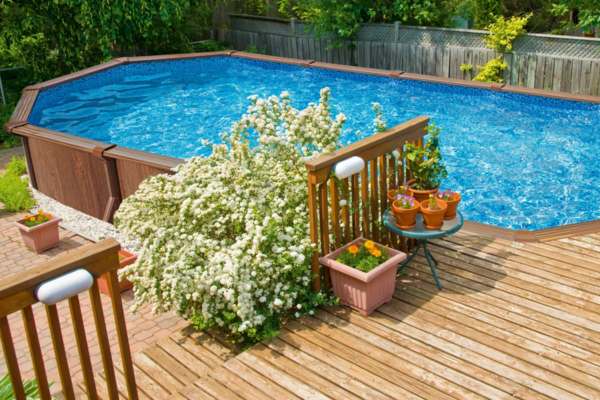
Les piscines hors sol sont plus rapides à installer et coûtent généralement moins cher à l'achat.
- Idéal pour : une utilisation saisonnière, les petits budgets, les installations temporaires
- Besoins de nettoyage typiques :
- Têtes de brosse adaptées aux eye-liners (éviter les poils trop rigides)
- Des perches plus courtes peuvent convenir si la piscine est petite.
- Une attention particulière doit être portée aux coutures et à la zone de la ligne de flottaison.
- Attention :
- Usure de la doublure due à un brossage agressif
- Zones de rails et d'échelles où la saleté s'accumule
Piscines semi-enterrées
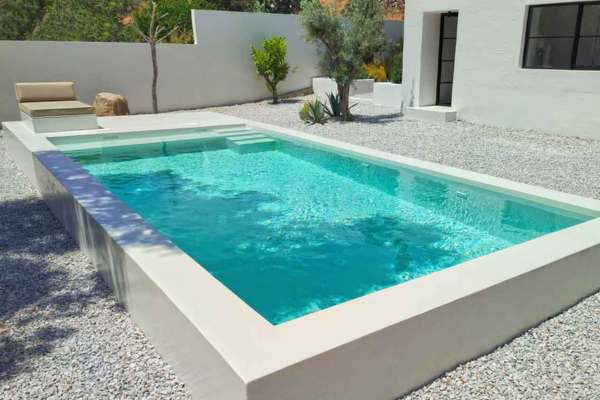
Les piscines semi-enterrées sont partiellement enterrées. Elles sont souvent utilisées sur des terrains en pente.
- Idéal pour : les jardins irréguliers, les budgets moyens
- Besoins de nettoyage typiques :
- Similaire à l'entretien des revêtements de sol hors sol
- Similaire à l'enfouissement pour la portée (selon la profondeur)
- Attention :
- Drainage et soutènement mural autour de la section enterrée
- Le ruissellement de terre sera plus important si l'aménagement paysager n'est pas bien réalisé.
Types de piscines selon leur structure et leurs matériaux
Cette section a une incidence majeure sur la maintenance à long terme et le choix de vos outils. Elle explique également les différences linguistiques entre les États-Unis et l'Union européenne (par exemple, “ gunite ” est courant aux États-Unis, tandis que “ liner pool ” est largement utilisé dans certaines régions d'Europe et au Royaume-Uni).
Piscines en béton (États-Unis : gunite/shotcrete)
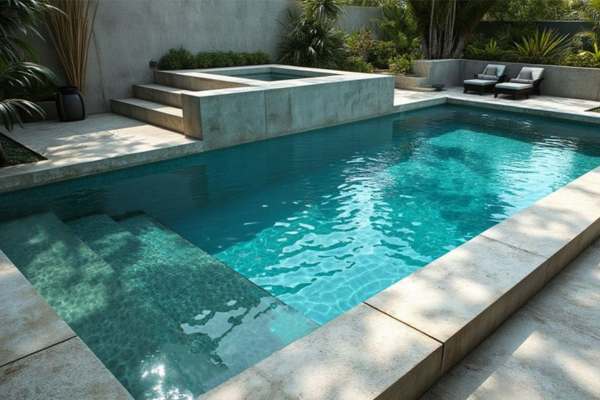
Les piscines en béton sont construites sur place. Sur le marché américain, on entend souvent dire : gunite ou béton projeté, qui décrivent comment le béton est appliqué.
- Avantages
- Formes et tailles personnalisées
- Structure robuste et sensation haut de gamme
- Peut être resurfacé ultérieurement (option de prolongation de la durée de vie)
- Cons
- La surface peut être plus rugueuse, selon la finition
- Un brossage plus fréquent peut être nécessaire pour éviter la prolifération d'algues.
- Les réparations/le resurfaçage peuvent constituer un projet plus important
- Conseils de nettoyage (béton)
- Utilisez une tête de brosse de dureté moyenne à ferme, adaptée à votre finition.
- Brossez régulièrement les murs et les marches (les coins sont importants).
- Une perche télescopique à verrouillage stable contribue à maintenir une pression constante des brosses.
Piscines en fibre de verre
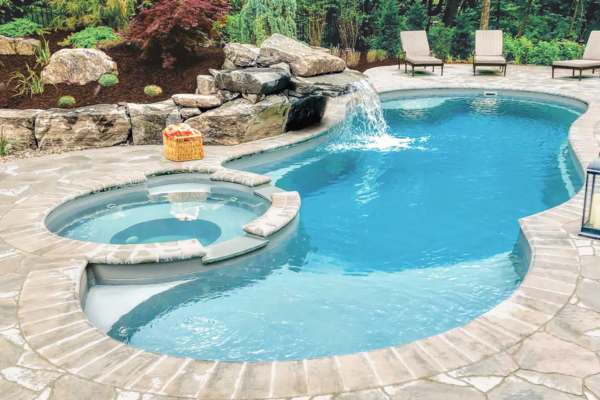
Fibre de verre Les piscines sont des structures préfabriquées installées dans le sol.
- Avantages
- Surface lisse (souvent plus facile à brosser)
- Généralement, moins de brossage quotidien
- Installation plus rapide que de nombreuses constructions en béton
- Cons
- Les options de forme et de taille peuvent être limitées.
- Questions relatives au transport et à l'accès au site
- Les réparations nécessitent les matériaux appropriés et un service qualifié.
- Conseils de nettoyage (fibre de verre)
- Les têtes de brosse souples à moyennes protègent la finition
- Concentrez-vous sur la ligne de flottaison où s'accumulent les huiles.
- Une perche télescopique légère réduit la fatigue lors de nettoyages fréquents et rapides.
Piscines à revêtement vinyle (UE/Royaume-Uni : “ piscine à revêtement ”)
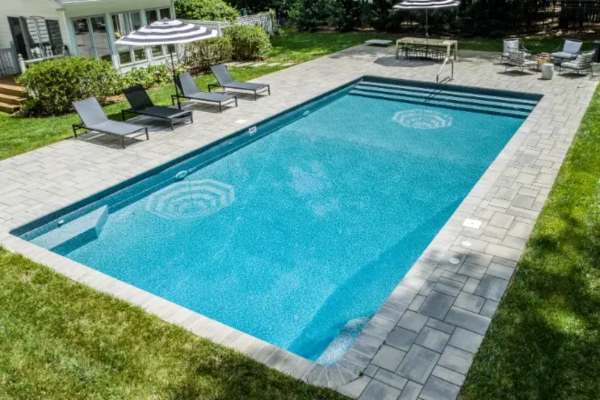
Les piscines à revêtement vinyle utilisent une membrane de revêtement comme barrière contre l'eau.
- Avantages
- Surface confortable
- Souvent moins coûteux au départ que le béton sur mesure
- De nombreux modèles utilisent des panneaux avec un système de doublure (variable selon les pays).
- Cons
- Les doublures peuvent être percées ou éraflées.
- Les coutures et les ajustements nécessitent une attention particulière.
- Le remplacement de la doublure est un événement normal du cycle de vie.
- Conseils de nettoyage (vinyle/doublure)
- Utilisez des brosses douces et des têtes d'aspirateur compatibles avec les tapis de souris.
- Évitez les bords tranchants des outils et des extrémités des perches.
- Contrôler le sable et les gravillons (les gravillons sont ce qui raye les revêtements).
Note sur la comparaison entre les États-Unis et l'Europe : Dans les contenus relatifs à l'Europe et au Royaume-Uni, vous trouverez davantage d'expressions telles que “ piscine à revêtement ” et, sur certains marchés, une plus grande importance accordée aux structures en béton armé associées à des revêtements. Veillez à utiliser une terminologie cohérente lors de l'achat d'outils ou de la rédaction de spécifications destinées à la distribution dans les deux régions.
Types de piscines selon le système d'eau
On les décrit souvent comme des “ types de piscine ”, mais il s'agit plutôt de systèmes d'exploitation. Ils influent sur le risque de corrosion, l'exposition aux produits chimiques et la durée de vie du matériel.
Chlore piscines
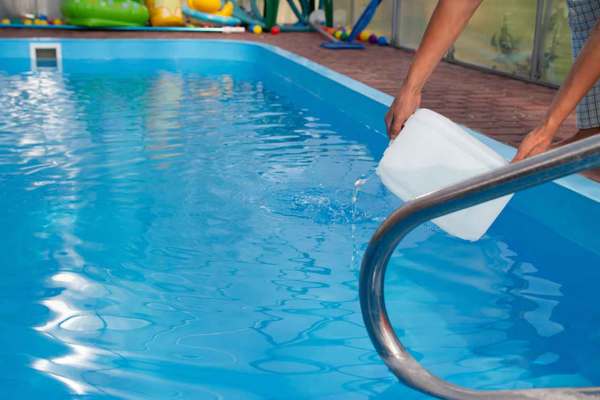
Le chlore est un produit courant dans le monde entier et bien connu de la plupart des équipes d'intervention.
- Avantages
- Large disponibilité des produits chimiques et des pièces
- Des routines d'entretien simples et largement comprises
- Cons
- Problèmes d'odeur/d'irritation chez certains utilisateurs
- Nécessite des tests et des dosages réguliers
- Impact du nettoyage
- Exposition chimique normale pour les outils et les poteaux
- Privilégiez les serrures robustes et les pièces d'usure remplaçables.
Piscines d'eau salée (générateur de chlore au sel)
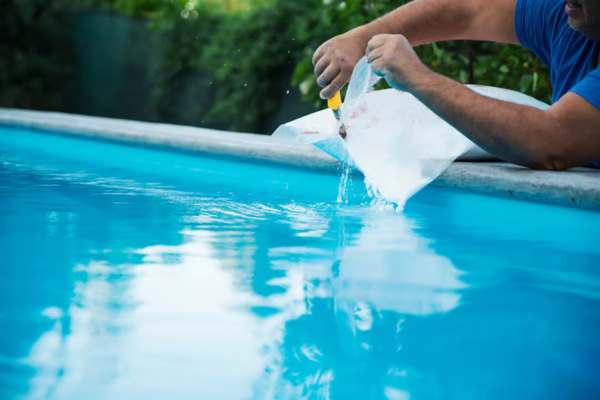
Les installations à eau salée transforment le sel en chlore à l'aide d'un générateur.
- Avantages
- Les niveaux de chlore sont souvent plus stables une fois réglés.
- De nombreux propriétaires apprécient la “ sensation ” de l'eau
- Cons
- Le sel peut augmenter le risque de corrosion sur certains métaux.
- Le remplacement des cellules du générateur représente un coût à long terme
- Impact du nettoyage (important)
- Choisissez des éléments de fixation résistants à la corrosion (en particulier les colliers, les goupilles et les attaches).
- Rincez les outils après utilisation si vous vous trouvez près d'un air marin ou si vous êtes exposé à une forte salinité.
- Un verrouillage constant des poteaux est important car un glissement peut causer des dommages accidentels à la surface.
Piscines naturelles
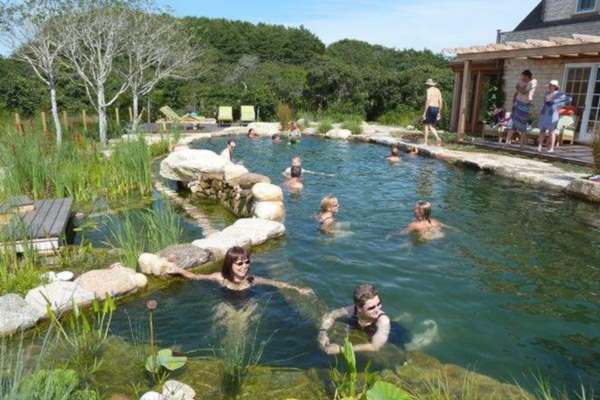
Les piscines naturelles utilisent des zones de filtration biologique (la conception varie selon les régions).
- Avantages
- approche à faible chimie
- Fort attrait pour le “ paysage ”
- Cons
- Encombrement plus important (nécessite souvent une zone de filtration dédiée)
- L'approche en matière d'entretien est différente de celle des piscines standard.
- Impact du nettoyage
- L'enlèvement des débris et le nivellement de la surface peuvent être fréquents.
- Les outils permettant de manipuler les matières végétales et les débris fins sont utiles (options filet + aspirateur).
Types de piscines selon leur style et leur utilisation
Le style, c'est la raison d'être de la piscine. Il influence la façon dont les débris se déplacent, où la saleté se dépose et la longueur de la piscine nécessaire.
Piscines à nageurs
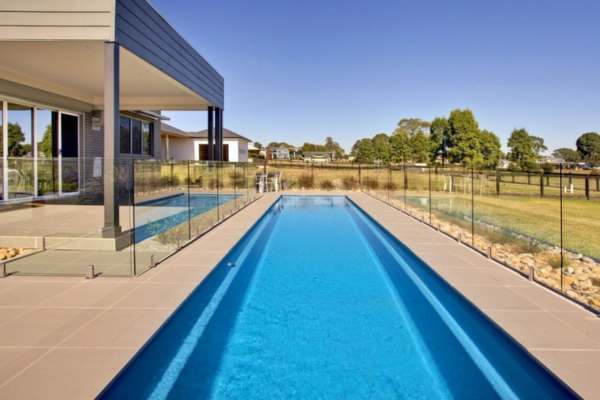
Longue et étroite, conçue pour l'exercice.
- Idéal pour : les acheteurs soucieux de leur forme physique, les jardins de largeur limitée
- Modèle de nettoyage :
- Des débris s'accumulent le long des longs murs et des bords de ruelles.
- Le brossage est répétitif (les bâtons légers réduisent la fatigue)
- Passer l'aspirateur est simple mais fréquent
Bassins de détente et petites piscines de jardin
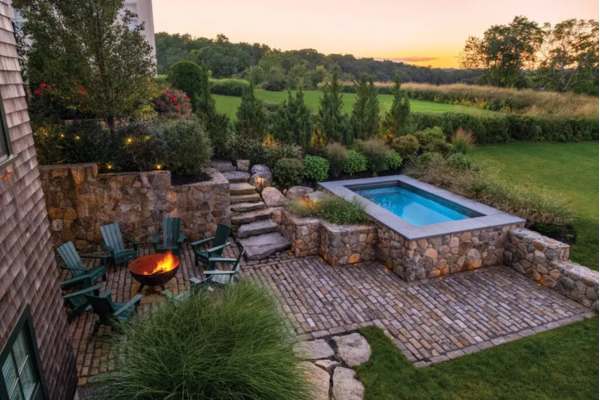
Des bassins plus petits, conçus pour se rafraîchir et se détendre.
- Idéal pour : les espaces extérieurs compacts
- Modèle de nettoyage :
- Un faible volume signifie que la chimie de l'eau change plus rapidement.
- La saleté peut apparaître rapidement sur les sols.
- Une perche plus courte peut convenir, mais une bonne maîtrise est essentielle.
Piscines à débordement
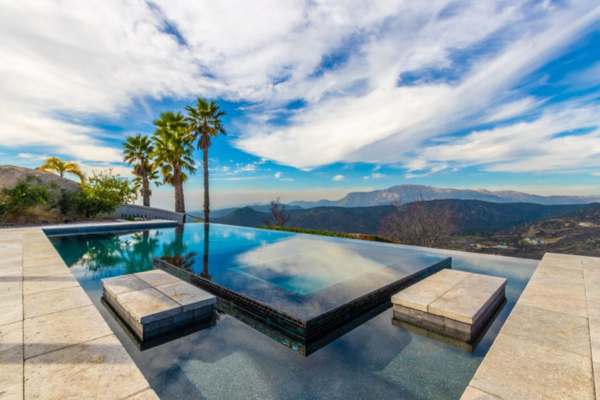
Ces dispositifs utilisent un bord de débordement ou un effet de déversoir (les conceptions varient).
- Idéal pour : propriétés avec vue, constructions haut de gamme
- Modèle de nettoyage :
- La ligne de flottaison et la zone de bordure nécessitent une attention particulière.
- Des débris fins peuvent s'accumuler près des points de débordement.
- Utilisez des outils qui n'abîment pas les finitions près des bords.
Piscines intérieures
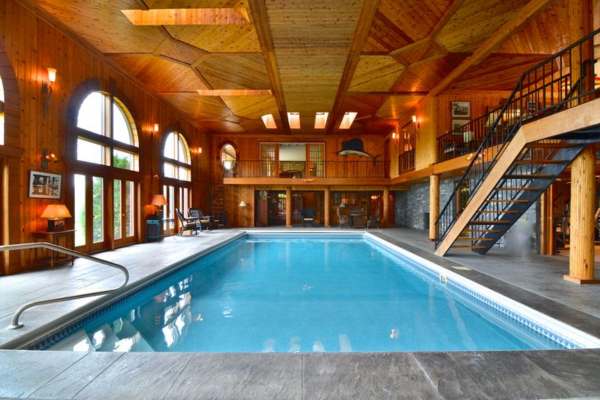
Les piscines intérieures réduisent les débris de feuilles, mais augmentent les besoins en humidité et en ventilation.
- Idéal pour : une utilisation tout au long de l'année
- Modèle de nettoyage :
- Moins de débris organiques, plus de sébum et de film hydrolipidique.
- Un nettoyage léger et fréquent est courant
- Un brossage doux et l'utilisation d'outils pour la ligne d'eau sont plus importants qu'une aspiration en profondeur.
Comment choisir le type de piscine adapté (outil d'aide à la décision simple)
Posez-vous ces cinq questions. Vos réponses vous indiqueront le type de construction de piscine le mieux adapté à votre situation.
1) Souhaitez-vous une piscine enterrée permanente ou une installation flexible ?
- Matériaux permanents : matériaux enterrés (béton, fibre de verre, revêtement)
- Flexible : hors sol
2) Combien de temps consacrerez-vous au ménage chaque semaine ?
- Gain de temps : la fibre de verre est souvent plus facile à travailler au quotidien.
- Plus de personnalisation : béton, mais prévoyez un brossage régulier.
3) Avez-vous des enfants, des animaux de compagnie ou organisez-vous souvent des fêtes ?
- Usage intensif : privilégier les surfaces durables et un accès facile au nettoyage
- Pensez à l'ergonomie des outils (vous les utiliserez plus souvent).
4) Votre jardin est-il venteux, poussiéreux ou proche d'arbres ?
- Débris importants : vous utiliserez plus souvent des filets et de longues perches.
- Tenez compte de la rigidité du poteau et utilisez des verrous de sécurité pour éviter les oscillations.
5) Distribution aux États-Unis et en Europe : avez-vous besoin d’une terminologie et de références communes ?
- Si oui : normaliser les spécifications relatives à l’installation, aux matériaux et au système d’eau
- Ajouter la dénomination US/UE sur l'emballage et les manuels
Liste de contrôle pour le nettoyage et l'entretien (où la perche télescopique de piscine est utile)
La plupart des guides SERP expliquent les matériaux pour piscines, mais s'arrêtent avant la question pratique : “ Que dois-je acheter pour la garder propre ? ” Cette liste de contrôle comble cette lacune.
Opérations de nettoyage hebdomadaires (la plupart des piscines)
- Écrémer les feuilles et les débris flottants (filet + perche)
- Brosser les murs et les marches (tête de brosse + manche)
- Passer l'aspirateur sur le sol (avec une tête d'aspirateur manuelle et un tuyau, ou avec un robot aspirateur).
- Nettoyer la ligne d'eau (brosse ou éponge)
- Vérifiez la pression du filtre et videz les paniers.
Outil adapté à la surface de la piscine (tableau rapide)
| surface de la piscine | Tête de brosse | tête d'aspiration | Ce qu'il faut éviter |
|---|---|---|---|
| Béton / plâtre | Moyen à rigide (finition assortie) | Tête d'aspirateur standard | Des poteaux trop flexibles qui “ rebondissent ” |
| Fibre de verre | Souple à moyen | Tête d'aspirateur à bords lisses | Des pinceaux très rigides qui donnent un fini voilé |
| Doublure en vinyle | Doux, compatible avec les doublures | Bord lisse et sans danger pour les doublures | Angles vifs, frottement agressif |
Choisir une perche télescopique pour piscine : les spécifications pratiques
Quand les acheteurs disent qu'une perche est “ bonne ”, ils veulent généralement dire qu'elle remplit trois conditions : elle reste bien fixée, elle est stable et elle dure plusieurs saisons.
Rechercher:
- stabilité du système de verrouillage
- Verrouillage par rotation ou à verrouillage par pince, selon vos préférences de marché
- Aucun glissement sous la pression des brosses
- Atteindre
- Choisissez la longueur en fonction de la largeur et de la profondeur de la piscine.
- Si vous nettoyez une piscine profonde ou commerciale, une plus grande portée réduit les étirements dangereux.
- Poids et rigidité
- Des poteaux plus légers réduisent la fatigue lors du brossage hebdomadaire
- Des manches plus rigides offrent un meilleur contrôle pour passer l'aspirateur et brosser les coins.
- Détails relatifs à la corrosion (en particulier en eau salée)
- Faites attention aux pinces, aux goupilles et aux fixations.
- Rincez après utilisation si vous êtes exposé à une forte salinité ou à l'air marin.
- Compatibilité
- Interfaces de fixation standard pour brosses, filets et têtes d'aspirateur
- Les pièces d'usure remplaçables permettent aux acheteurs de réduire les coûts à long terme
Si vous recherchez des produits pour la vente au détail ou la distribution de marques, établissez une fiche technique concise comprenant :
- Options de longueur de poteau (replié + déployé)
- Type de verrouillage et comportement à la charge (l'allégation d'antidérapant doit être testée)
- Emballage (résistance du carton, emplacement du code-barres, encarts)
- Plan de pièces de rechange (pinces, embouts, poignées)
Idée de lien interne (à adapter à votre site) :
Notes d'achat pour les distributeurs et importateurs (États-Unis et UE)
Si vous vendez aux États-Unis et en Europe, le vocabulaire du marché des piscines varie. Vos fiches produits doivent être traduites dans la langue locale.
- Mots-clés pour les annonces américaines :
- “ types de piscines enterrées ”, “ piscine en béton projeté ”, “ piscine en béton projeté ”, “ perche d’aspirateur de piscine ”
- Mots-clés pour les annonces UE/Royaume-Uni :
- “ piscine à liner ”, “ piscine à revêtement vinyle ”, “ perche de nettoyage de piscine ”, “ perche télescopique ”
- Emballage et manuels :
- Afficher les noms US/UE côte à côte pour réduire les retours et les demandes d'assistance
- Conformité et audit :
- De nombreux grands détaillants et acheteurs de marques exigent des audits sociaux et des certifications de systèmes de gestion avant toute intégration.
Aperçu des capacités du fournisseur (pour les perches télescopiques de piscine OEM)
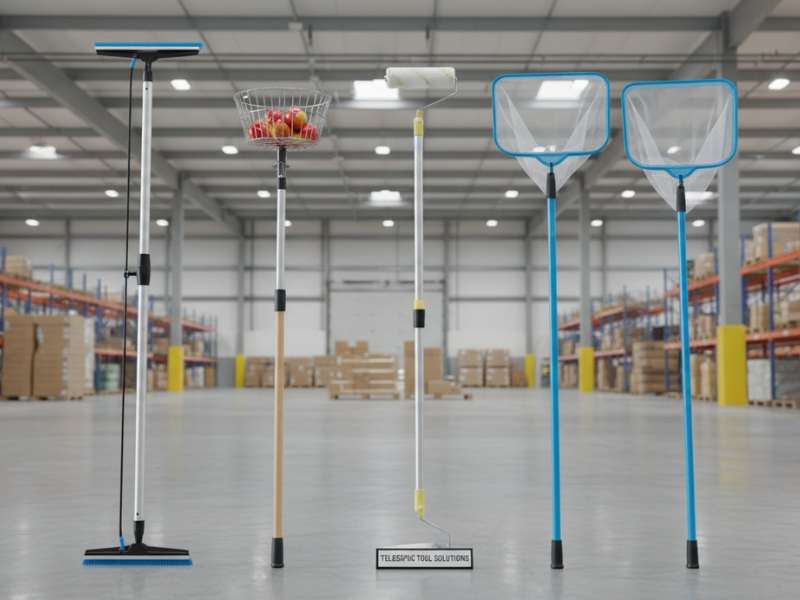
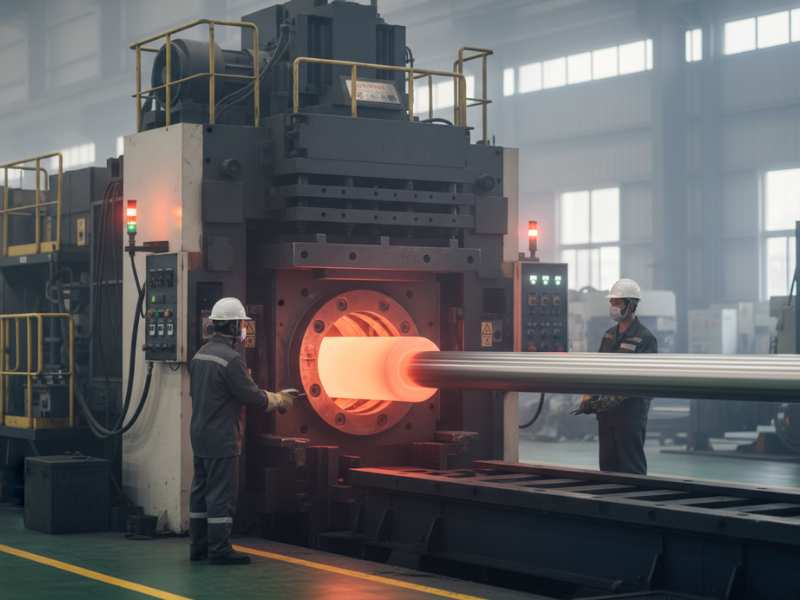
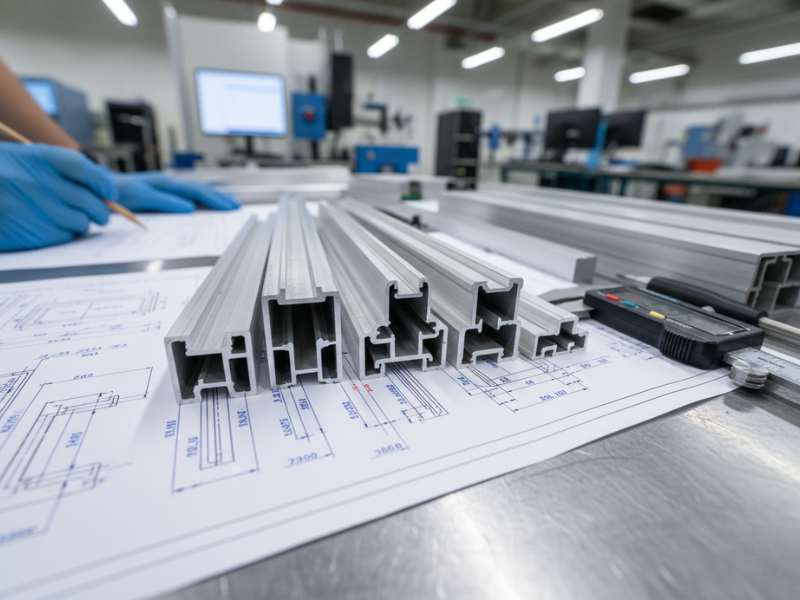
Si vous développez une gamme de perches (marque blanche ou OEM), la constance de la production et la qualité des équipements de test sont essentielles. Xingyong (usine fondée en 2002) fabrique des produits en aluminium, notamment des perches télescopiques pour le nettoyage de piscines, et propose un service OEM basé sur le traitement de plans, d'échantillons et de matériaux. L'usine dispose de 14 presses d'extrusion (350 à 2 000 tonnes), de lignes d'anodisation automatisées multicolores et d'un centre de test équipé d'analyseurs de spectre et d'équipements d'essais mécaniques. Elle est certifiée ISO 9001, ISO 14001, ISO 45001, ISO 50001, ISO 9001:2015 et IATF 16949, et a réalisé des audits sociaux/BSCI. Sa capacité de production mensuelle est de 3 000 tonnes.
Ce que cela signifie pour vous en tant qu'acheteur :
- Vous pouvez standardiser les spécifications des poteaux et les finitions de surface pour les emballages destinés aux États-Unis et à l'UE.
- Vous pouvez demander des enregistrements de contrôle qualité cohérents (dimensions, épaisseur du revêtement, dureté, tests d'arrachement).
- Vous pouvez planifier des programmes multi-références (longueurs, serrures, couleurs différentes) avec une capacité stable
Demander un échantillon ou un devis OEM
Si vous vous approvisionnez perches télescopiques en aluminium pour le nettoyage de piscine Pour les États-Unis ou l'Europe, envoyez ces trois informations et vous obtiendrez un devis plus rapide et plus clair :
Plage(s) de longueur(s) de poteau souhaitée(s) (replié + déployé)
Préférence pour le type de verrouillage (verrouillage par rotation ou verrouillage par pince)
Marché cible et besoins en matière d'emballage (prêt à la vente, boîte brune, expédition sur palette)
Demander un échantillon : Contactez notre équipe export
Télécharger la fiche technique : Fiche technique de la perche télescopique
Présentation du programme OEM : Options de marque privée
FAQ : types de piscines (et choix d’outils)
Quels sont les principaux types de piscines ?
La plupart des acheteurs commencent par le type d'installation (enterrée ou hors sol), puis choisissent un matériau de structure (béton/gunite/béton projeté, fibre de verre ou vinyle/liner), puis un système d'alimentation en eau (chlore, eau salée ou eau naturelle).
Quels types de piscines sont les plus faciles à entretenir ?
De nombreux propriétaires trouvent que les surfaces en fibre de verre sont plus rapides à brosser car elles sont lisses, mais la facilité de nettoyage dépend aussi des débris présents dans votre maison, de la configuration de votre filtre et de la régularité de votre routine hebdomadaire.
Les piscines d'eau salée constituent-elles un type de piscine à part ?
L'appellation « eau salée » fait généralement référence à un système de production de chlore (électrolyseur au sel), et non à un type de piscine. Vous pouvez toujours choisir le matériau principal de construction : béton, fibre de verre ou liner.
Quelle est la différence entre le gunite et le béton projeté ?
Ces deux termes décrivent des méthodes d'application du béton dans la construction de piscines. Leur utilisation varie selon les régions et les entreprises ; il est donc préférable de se renseigner sur la finition et le plan d'entretien plutôt que de se fier uniquement à l'étiquette.
Quel type de piscine est le mieux adapté aux petits jardins ?
Les bassins de petite taille et les coques compactes en fibre de verre sont des options courantes pour les petits jardins. Le choix optimal dépend de l'accessibilité pour l'installation, de la forme du jardin et de vos préférences : privilégier la longueur de nage ou l'espace de détente.
Comment le type de piscine influence-t-il les outils de nettoyage ?
Le matériau de la surface influe sur la rigidité de la brosse recommandée, et la taille/profondeur de la piscine détermine la longueur et la rigidité de la perche télescopique. Les surfaces en vinyle ou à liner nécessitent des outils plus doux que la plupart des finitions en béton.
Quelle longueur de perche télescopique de piscine me faut-il ?
En règle générale, il vous faut une perche qui vous permette d'atteindre votre point le plus éloigné sans vous étirer excessivement. Les grandes piscines et les parties profondes nécessitent souvent une perche plus longue. Pour les petites piscines, une perche plus courte offre une meilleure prise en main.
Où puis-je trouver plus d'informations sur les piscines en général ?
L'aperçu de Wikipédia est un bon point de départ pour les définitions générales et l'historique :
https://en.wikipedia.org/wiki/Swimming_pool