El aluminio no tiene un color fijo.
Lo que se ve depende de la aleación, el acabado superficial y el proceso de fabricación del producto. Para las marcas OEM y los compradores minoristas, comprender esto ayuda a reducir las quejas por color, las devoluciones y las repeticiones de trabajos.
Esta guía explica aluminio’El color natural, cómo los acabados cambian su apariencia y cómo debes especificar el color en pedidos al por mayor.
El color natural del aluminio
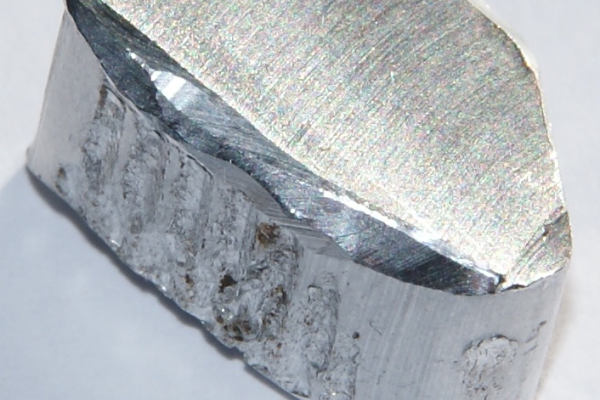
En su estado sin tratar, el aluminio aparece gris plateado claro.
- El aluminio recién cortado luce brillante y metálico.
- Una fina capa de óxido natural se forma instantáneamente en el aire.
- Esta capa de óxido protege el aluminio pero suaviza ligeramente el brillo.
Las distintas aleaciones reflejan la luz de forma distinta. Por ejemplo, aluminio 6063 Generalmente se ve más suave y brillante que 6061, incluso antes del tratamiento de la superficie.
Para los compradores, esto significa: “Color de aluminio natural” es una descripción visual, no un estándar controlado.
¿El aluminio es plateado o gris?
Ambas descripciones son correctas, pero incompletas.
- Plata describe la reflectividad
- Gris describe el tono base
- La iluminación y la textura de la superficie afectan lo que ve el ojo.
En términos de adquisiciones, “plata” es no es una especificación. Dos proveedores pueden enviar “aluminio plateado” con apariencia diferente uno al lado del otro.
Si el color es importante para su producto o marca, necesita más detalles que una sola palabra.
Aluminio con acabado laminado: color vs. realidad
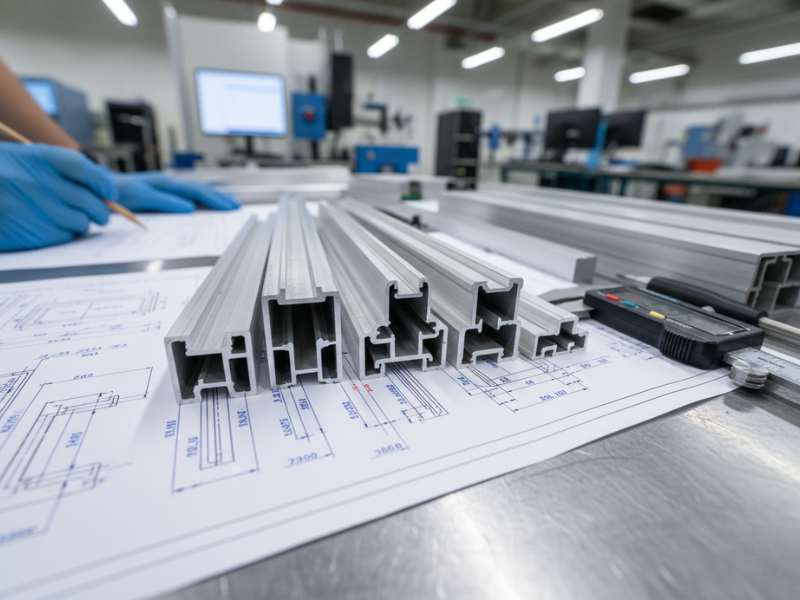
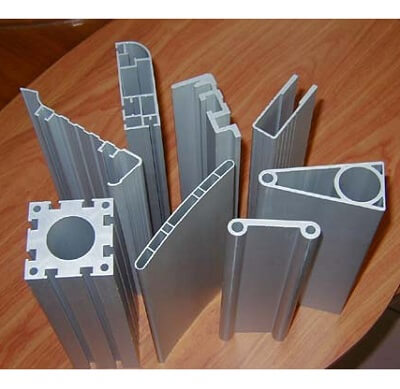
El aluminio con acabado laminado es aluminio. al salir del proceso de extrusión, sin ningún tratamiento superficial añadido.
Aspecto típico del acabado del molino:
- Tono gris plateado claro
- Líneas de extrusión fina
- Ligera variación de brillo a lo largo de la longitud.
Para los productos OEM y minoristas, el acabado laminado conlleva riesgos:
- La consistencia del color varía según el lote.
- Las marcas superficiales son visibles bajo la iluminación de la tienda.
- Los clientes minoristas a menudo lo ven como algo “inacabado”
El acabado laminado funciona mejor para piezas internas o proyectos sensibles a los costos, no para postes de piscinas orientados al consumidor.
Cómo los acabados superficiales cambian el color del aluminio
El tratamiento de la superficie define la apariencia final del aluminio más que el metal en sí.
Aluminio anodizado
El anodizado espesa la capa de óxido natural.
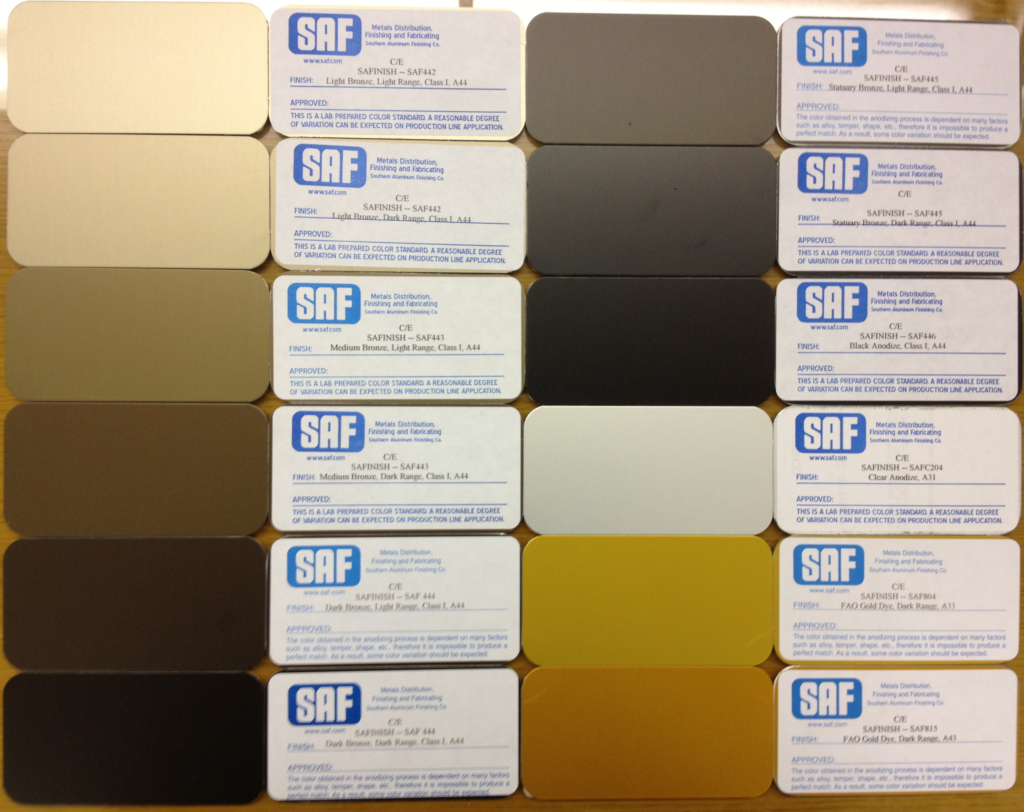
Para productos de exterior, como postes de piscina, el anodizado mejora la estabilidad del color bajo el sol y los productos químicos.
Recubierto de polvo o aluminio pintado
Esto agrega una capa de color sobre el metal.
- La más amplia selección de colores
- Fuerte consistencia visual
- La mejor opción para combinar colores de marca.
Desventajas: mayor coste y mayor MOQ.
Por qué es importante la consistencia del color en los pedidos minoristas y OEM
La variación de color es una de las principales causas del rechazo minorista.
Las causas comunes incluyen:
- Diferentes lotes de aluminio
- Diferentes tanques o tiempos de anodizado
- Variación de la aleación entre proveedores
Los compradores profesionales evitan problemas al:
- Aprobación de muestras físicas
- Definir claramente el tipo de acabado
- Configuración de la tolerancia de color aceptable (ΔE)
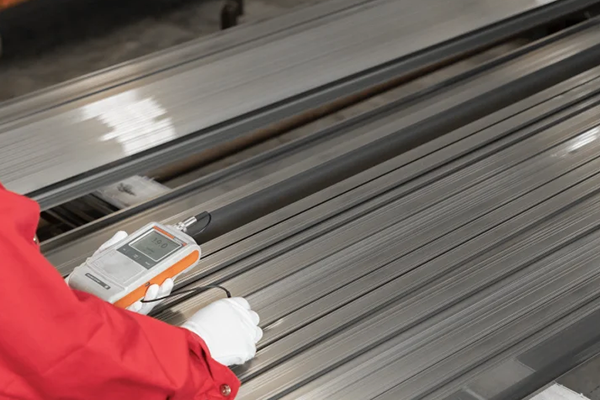
En Xingyong, la consistencia del color se verifica mediante iluminación controlada y herramientas de medición antes del envío.
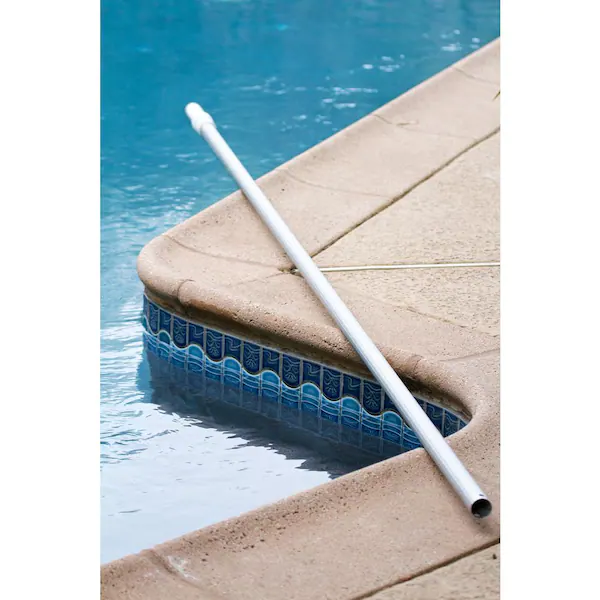
Ejemplo real: Postes de piscina de aluminio para uso exterior
Los postes de limpieza de piscinas están expuestos a:
- luz solar ultravioleta
- agua clorada
- Manejo constante
Sin un tratamiento superficial adecuado:
- El color se apaga con el tiempo
- La superficie se vuelve calcárea
- Aparece una discordancia visual entre las secciones
El anodizado de alta calidad reduce estos problemas y mantiene el aspecto uniforme del poste en los estantes de las tiendas minoristas.
Cómo especificar el color del aluminio en los pedidos OEM
Evite términos vagos como “aluminio plateado”.”
Utilice uno de estos en su lugar:
- “Aluminio 6063, anodizado transparente, acabado mate”.”
- “Aluminio anodizado, color champán, muestra aprobada.”
- “Aluminio con recubrimiento en polvo, RAL 9006”
Confirmar siempre con:
- Muestras de preproducción
- Referencias de color aprobadas
- Descripción escrita del acabado en la orden de compra
Esto ahorra tiempo, costes y disputas posteriores.
Preguntas frecuentes de los compradores sobre el color del aluminio
¿El aluminio es siempre plata?
No. Su apariencia depende del tratamiento de la superficie.
¿El aluminio cambia de color con el tiempo?
El aluminio sin tratar se opaca. El aluminio anodizado se mantiene estable por más tiempo.
¿Por qué dos postes de aluminio tienen un aspecto diferente?
Diferentes lotes, aleaciones o procesos de acabado.
¿El aluminio anodizado es más oscuro que el aluminio crudo?
Generalmente sí, pero el grosor y el estilo del acabado importan.
¿Por qué trabajar con un fabricante de aluminio experimentado?
En proyectos OEM y minoristas de gran volumen, el control del color no es opcional.
Xingyong fabrica productos de aluminio desde 2002, con extrusión, anodizado, mecanizado e inspección propios. Esto permite un control más estricto de la apariencia, la consistencia y la entrega.
👉 Obtenga más información sobre nuestra fabricación de postes de aluminio para piscinas.
Llamada a la acción
- Solicitar una muestra de color
- Analice sus requisitos de acabado OEM
- Obtenga orientación técnica antes de la producción en masa
Comuníquese con nuestro equipo de exportación para evitar costosos problemas de color en su próximo pedido.