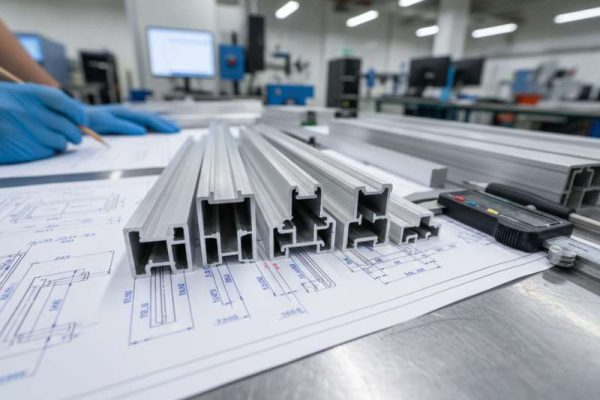
OEM aluminum projects fail more often than most buyers admit. Delayed tooling, unstable anodizing color, missed lead times, and inconsistent hardness can quietly damage your brand reputation. When retail buyers or distributors reject shipments, the cost is not just material — it is lost shelf space and trust.
The solution is not chasing the lowest price. It is choosing the right Aluminium-Extrusion manufacturer from the start. This guide shows you exactly how to evaluate production capacity, certifications, quality systems, tooling ability, and supply chain reliability before signing an OEM contract.
Wie man den richtigen Hersteller von Aluminiumprofilen für OEM-Projekte auswählt
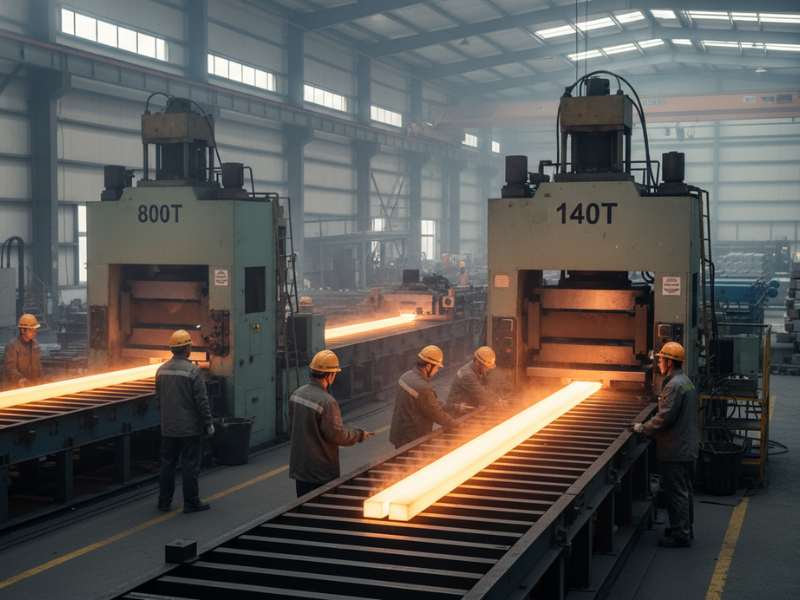
To choose the right aluminum extrusion manufacturer for OEM projects, you must evaluate five core areas:
- Production capacity and press tonnage
- Certifications and compliance systems
- Quality control and inspection equipment
- Tooling and engineering capability
- Lead time, MOQ, and supply chain stability
A qualified OEM aluminum extrusion factory should demonstrate transparent data, real equipment, verified certifications, and a clear production workflow. Anything less increases sourcing risk.
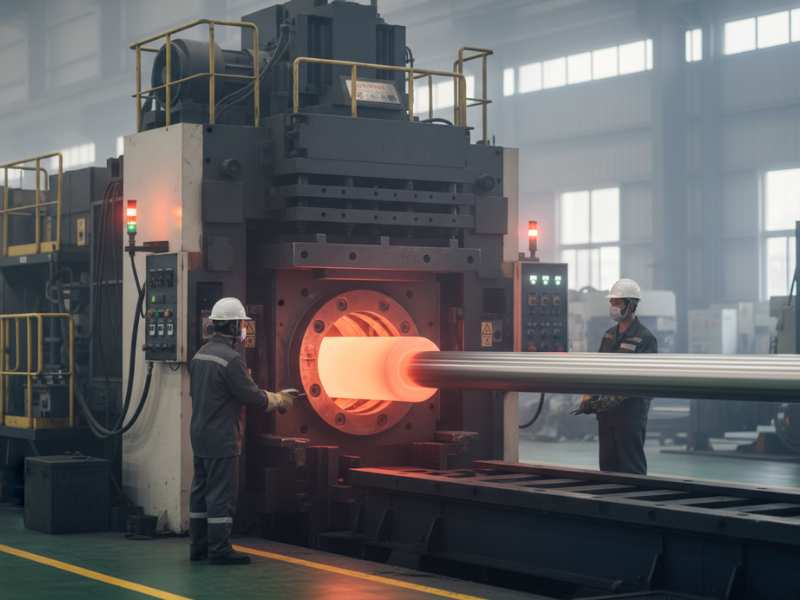
Evaluate Extrusion Production Capacity and Equipment
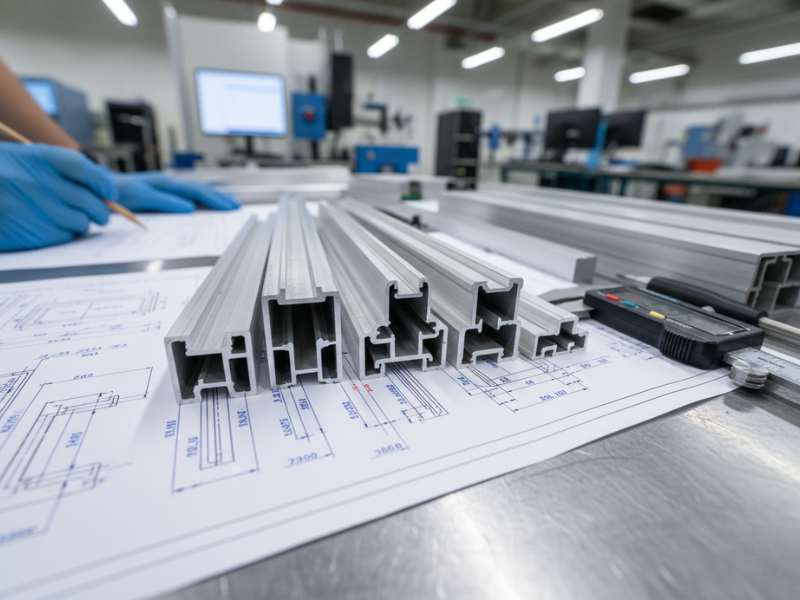
Production capacity determines whether your OEM project can scale.
An aluminum extrusion manufacturer should clearly state:
- Number of extrusion presses
- Tonnage range
- Monthly output
- Type of extrusion (forward or reverse)
For example, a factory operating 14 extrusion presses ranging from 350T to 2000T can handle both small precision profiles and complex heavy-duty cross sections. A monthly capacity of 3.000 Tonnen indicates stable supply capability.
Why Tonnage Matters
Extrusion press tonnage determines profile complexity and wall thickness control.
| Extrusion Press Tonnage | Typical Application | OEM-Eignung |
|---|---|---|
| 300T–600T | Thin wall, small profiles | Consumer goods, light-duty components |
| 800T–1400T | Medium structural profiles | Equipment frames, telescopic poles |
| 1600T–2000T | Large cross-sections | Industrial systems, load-bearing structures |
If your supplier lacks appropriate tonnage, profile deformation and tolerance issues become common.
Reference: The Aluminum Association explains how extrusion pressure affects profile integrity.
Check Certifications and Compliance Standards
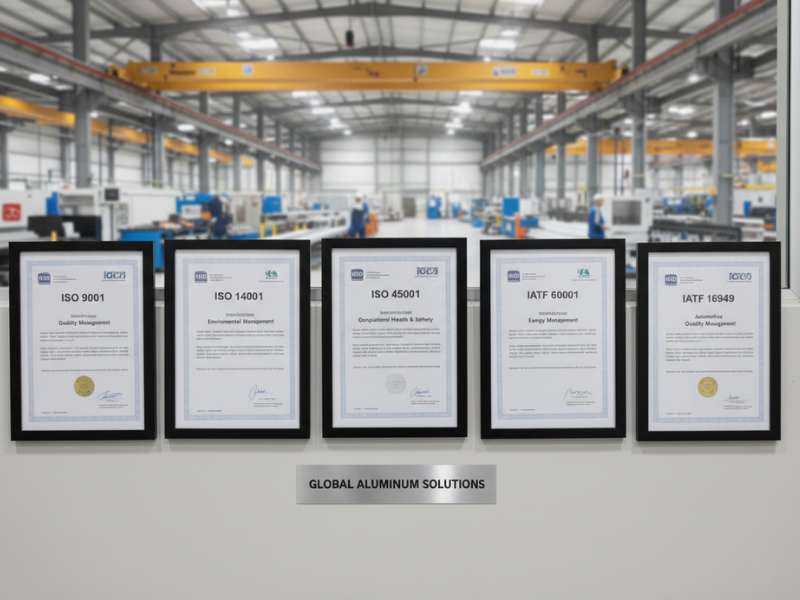
Certifications protect you from regulatory and audit risks.
A serious OEM aluminum extrusion manufacturer should hold:
- ISO 9001:2015 – Quality management
- ISO 14001:2015 – Environmental management
- ISO 45001:2018 – Occupational safety
- ISO 50001:2018 – Energy management
- IATF 16949:2016 – Automotive-grade quality system
- Social audits such as BSCI
Certification bodies such as the International Organization for Standardization define these systems.
Why this matters:
- Retailers like Walmart and Home Depot require compliance documentation.
- Environmental and wastewater management reduces customs or regulatory delays.
- Automotive-level certification indicates advanced process control.
If a factory cannot provide valid certificates, consider it a sourcing red flag.
Review Quality Control and Testing Equipment
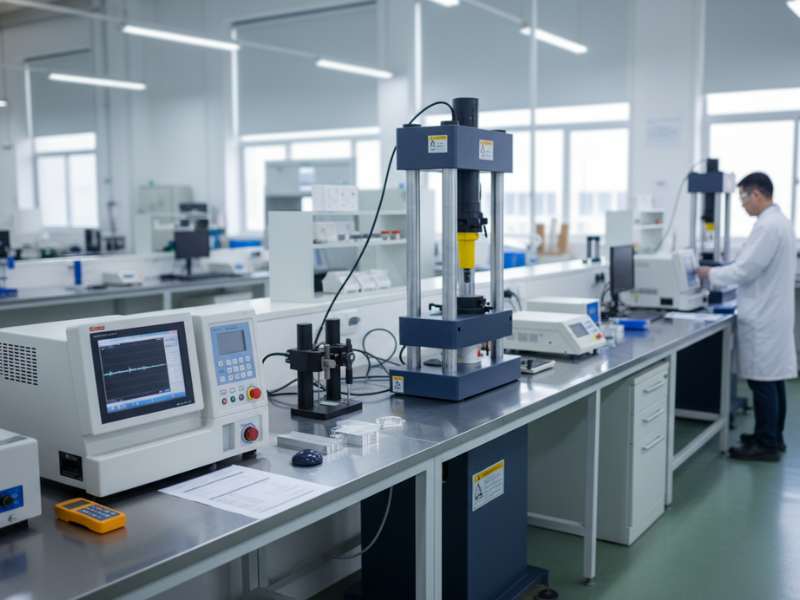
Quality control is where many suppliers fail.
A reliable aluminum extrusion factory should operate a dedicated inspection center equipped with:
- Spektrometer zur Legierungsprüfung
- Tensile testing machine
- Hardness testers (Rockwell, Webster, Barcol)
- Coating thickness meter
- Cross-section imaging scanner
- Microscopes for surface inspection
- Color comparison light box
Why This Matters for OEM Buyers
- Alloy composition affects mechanical strength.
- Film thickness impacts corrosion resistance.
- Hardness impacts durability and bending stability.
Entsprechend ASTM International, aluminum alloy testing standards ensure mechanical property compliance.
Without in-house testing, suppliers rely on outsourcing — increasing variability and delay.
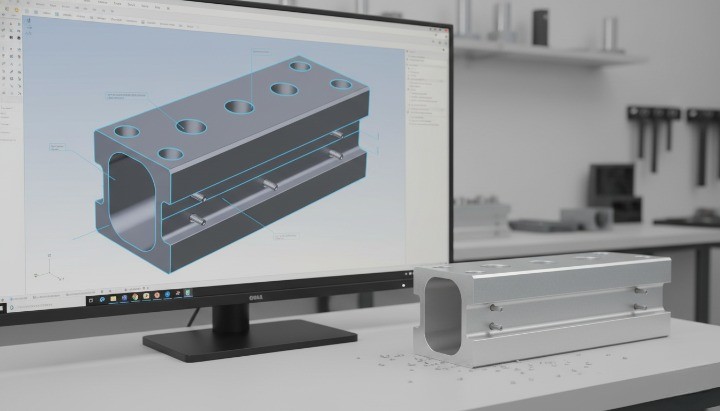
Assess Tooling and Die Development Capability
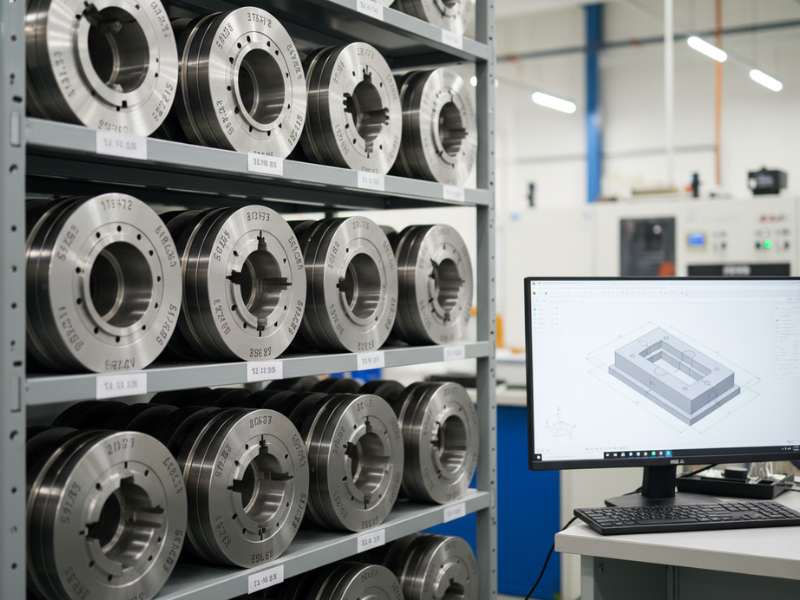
Extrusion dies determine profile precision.
Ask these questions:
- Is die design done in-house?
- What is tooling lead time?
- How often are dies maintained?
- Can they handle complex cross sections?
Typical die development timeline:
| Stage | Duration |
|---|---|
| Die design | 3–5 days |
| Die production | 7–10 Tage |
| First sample extrusion | 3–5 days |
| Adjustment (if needed) | 3–7 days |
A capable OEM aluminum extrusion manufacturer should complete tooling within 15–20 days for standard profiles.
Poor die design causes:
- Dimension deviation
- Surface drag lines
- Uneven wall thickness
Examine Surface Treatment and Finishing Stability
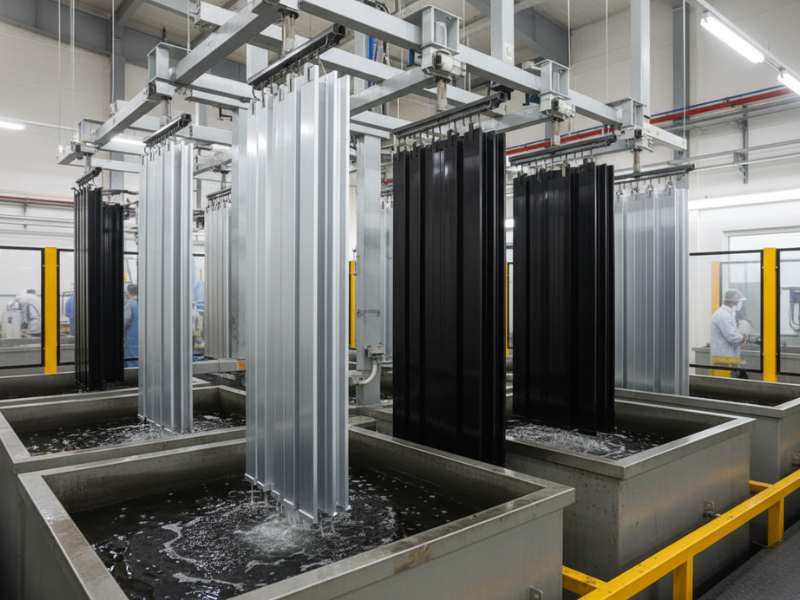
Surface treatment defines appearance and corrosion resistance.
Common OEM finishing options include:
- Anodizing (natural, black, custom colors)
- Sandstrahlen
- Zähneputzen
- Polishing
A factory operating automated anodizing lines and wastewater treatment systems demonstrates environmental compliance and production consistency.
Check:
- Film thickness control
- Color stability batch-to-batch
- Salt spray resistance reports
You can refer to corrosion resistance standards from NACE International.
!Aluminum eloxiert extrusion profiles in different colors on factory rack
Evaluate CNC and Secondary Processing Capability
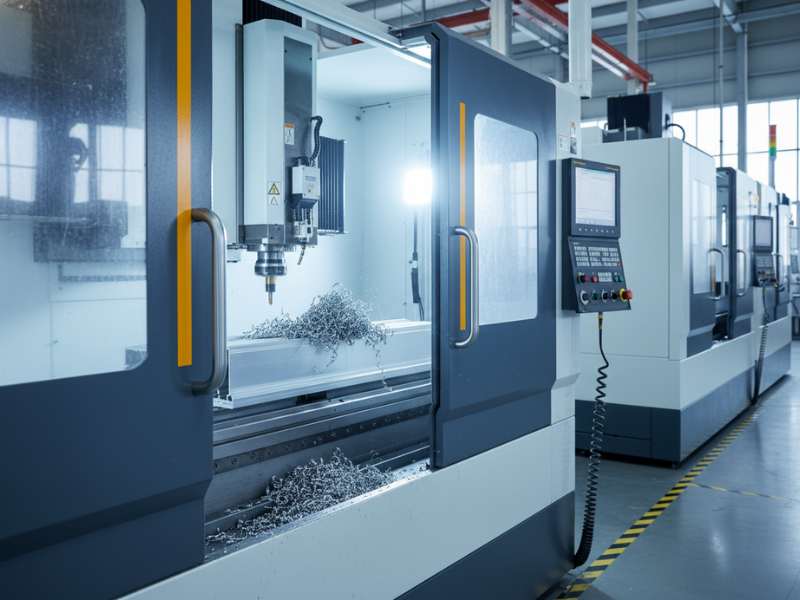
Integrated processing reduces supply chain complexity.
Look for in-house capabilities such as:
- CNC-Bearbeitung
- Drilling and milling
- Biegung
- Lasermarkierung
- Precision cutting
- Packaging systems
For OEM Teleskopstangen aus Aluminium oder Poolausrüstung components, integrated machining ensures better dimensional matching.
If extrusion and machining are separated between factories, quality risks increase.
Internal resource reference:
For example, Xingyong (established 2002) operates full extrusion, anodizing, and CNC workshops with integrated inspection capability :contentReference[oaicite:0]{index=0}.
Understand MOQ, Lead Time, and Supply Chain Reliability
MOQ and lead time directly impact cash flow.
Typical OEM aluminum extrusion timeline:
| Stage | Estimated Time |
|---|---|
| Tooling | 15–20 days |
| Sample confirmation | 7–10 Tage |
| Mass production | 15–25 days |
| Oberflächenbehandlung | 5–10 days |
| Export shipping | 20–35 days |
Key questions:
- What is minimum order quantity per profile?
- How many tons per month can be allocated to your project?
- Is raw material sourced locally or imported?
- What is scrap rate?
A stable supplier should clearly explain capacity allocation.
Questions to Ask Before Signing an OEM Contract
Use this checklist:
- What is your monthly extrusion output?
- What is your largest extrusion press tonnage?
- Can you provide QC reports with each shipment?
- What certifications do you hold?
- What is your die ownership policy?
- Can you support custom packaging?
- What markets do you export to?
If answers are vague, reconsider the partnership.
Common Red Flags in Aluminum Extrusion Sourcing
Avoid suppliers that:
- Cannot provide factory photos or audit reports
- Lack in-house QC equipment
- Offer unrealistically low pricing
- Have no extrusion presses (trading companies)
- Refuse third-party inspections
OEM sourcing is risk management, not price comparison.
Häufig gestellte Fragen
What is a typical MOQ for aluminum extrusion OEM projects?
MOQ depends on profile weight and die size. Most factories require 300–500 kg per profile for initial production.
How long does aluminum extrusion tooling take?
Standard die development takes 15–20 days, including testing and correction.
Is IATF 16949 necessary for non-automotive OEM?
Not always, but it indicates strong process control and traceability.
What affects aluminum extrusion pricing?
- Legierungsqualität
- Die complexity
- Oberflächenbehandlung
- Order volume
- Raw material price fluctuations
Making a Long-Term OEM Manufacturing Decision
Choosing the right aluminum extrusion manufacturer is about stability, transparency, and technical depth. Evaluate real production capacity, inspect quality systems, verify certifications, and confirm tooling capability.
When these elements align, your OEM aluminum extrusion project becomes predictable, scalable, and compliant with international retail standards.
Start Your OEM Aluminum Extrusion Evaluation Today
If you are sourcing an aluminum extrusion manufacturer for OEM projects, prepare your drawings or samples and request a full technical review.
Discuss:
- Required alloy
- Oberflächenbehandlung
- Mechanical requirements
- Expected annual volume
- Target markets
A structured evaluation today prevents production risk tomorrow.