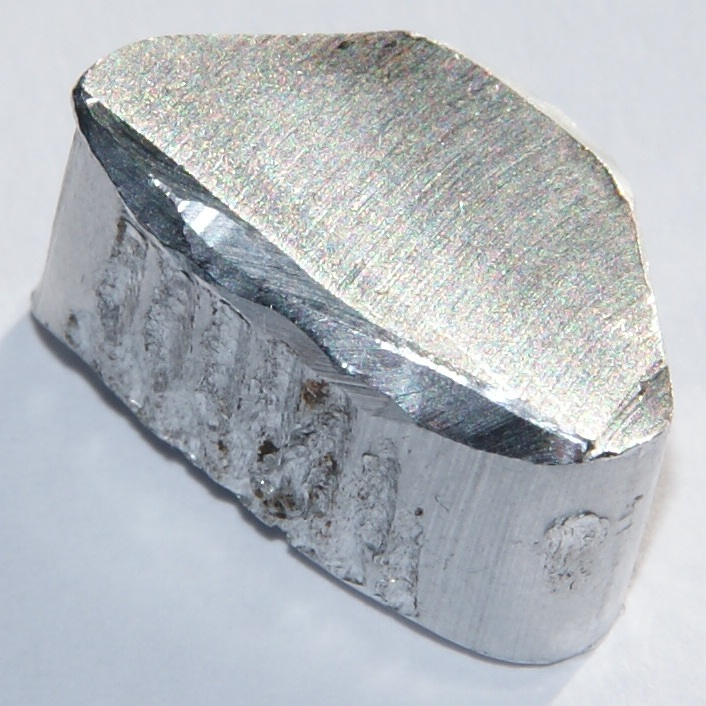
Aluminum is naturally silvery gray, but that answer is only the starting point. A bright-polished tube, a matte-etched tube, and a clear-anodized tube can all be made from the same alloy and still look noticeably different. For an OEM buyer, “silver aluminum” is therefore a description—not a complete finish specification.
This guide explains what creates aluminum’s visible color, how anodizing and surface preparation change it, why production batches can vary, and how to approve a finish for telescopic poles without relying on a screen image or a vague color name.
What Color Is Untreated Aluminum?
Clean, untreated aluminum usually appears light silver to silver-gray. Its metallic appearance comes from the way the surface reflects light. After exposure to air, an extremely thin natural oxide film forms on the metal. This film is transparent at normal viewing scale, but surface roughness, contamination, handling, and oxidation can make the finish look less bright over time.
There is no single universal shade called “natural aluminum.” The alloy, extrusion condition, die lines, heat treatment, cleaning method, and viewing angle all influence the result. Even the same tube can look brighter under directional retail lighting and flatter under diffuse inspection lighting.
Why “Silver” Is Not a Purchase Specification
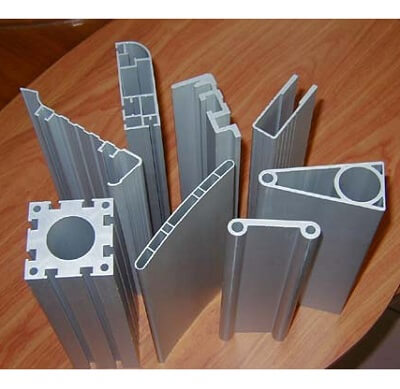
One supplier may interpret silver as mill finish, another as clear anodizing, and a third as metallic powder coating. Those finishes differ in texture, gloss, protection, cost, and repairability. A useful purchase specification needs to identify the material, surface preparation, finishing process, approved reference, and acceptance method.
For telescopic poles, the appearance must also be evaluated as an assembly. Nested tube sections may come from different extrusion lots or have different diameters, and a small color difference becomes easier to see when the sections are extended side by side.
How Surface Texture Changes the Color You See
Texture controls how light is reflected. A smooth surface produces stronger highlights and often appears brighter or darker depending on the angle. A uniformly rough surface scatters light and looks softer, more matte, and sometimes lighter. This optical effect is why two parts with similar measured color can still look different to the eye.
| Surface condition | Typical appearance | Buyer consideration |
|---|---|---|
| Mill finish | Metallic silver-gray with visible extrusion lines | Natural variation and handling marks remain visible |
| Polished | Bright, reflective, high-contrast highlights | Small scratches and dents are easier to notice |
| Brushed | Directional satin grain | Grain direction must match across assembled parts |
| Blasted or matte-etched | Diffuse, low-gloss silver | Texture must be controlled for consistent appearance |
| Powder coated | Opaque color in a selected gloss and texture | Coating hides the metallic substrate but adds film-build requirements |
Surface preparation should be approved before color approval because changing the texture can change the perceived shade. Buyers comparing standard aluminum extrusion options should define the cosmetic surface at the same time as tube dimensions and tolerances.
How Anodizing Changes Aluminum’s Appearance
Anodizing is an electrochemical process that grows a controlled oxide layer from the aluminum surface. Clear anodizing retains a metallic appearance, but “clear” does not mean visually identical to bare metal. Pretreatment, alloy chemistry, coating thickness, sealing, and the original extrusion surface can shift brightness and tone.
Colored anodized finishes can be produced by different process routes, including dyeing or electrolytic coloring. The selected route affects the available color range and service performance, so a color name alone does not define the process. ASTM’s B580 specification for anodic oxide coatings on aluminum provides coating classifications and requirements; it does not replace a project-specific approved appearance sample or automatically set a color tolerance for a finished pole.
Common Anodized Colors for Telescopic Poles
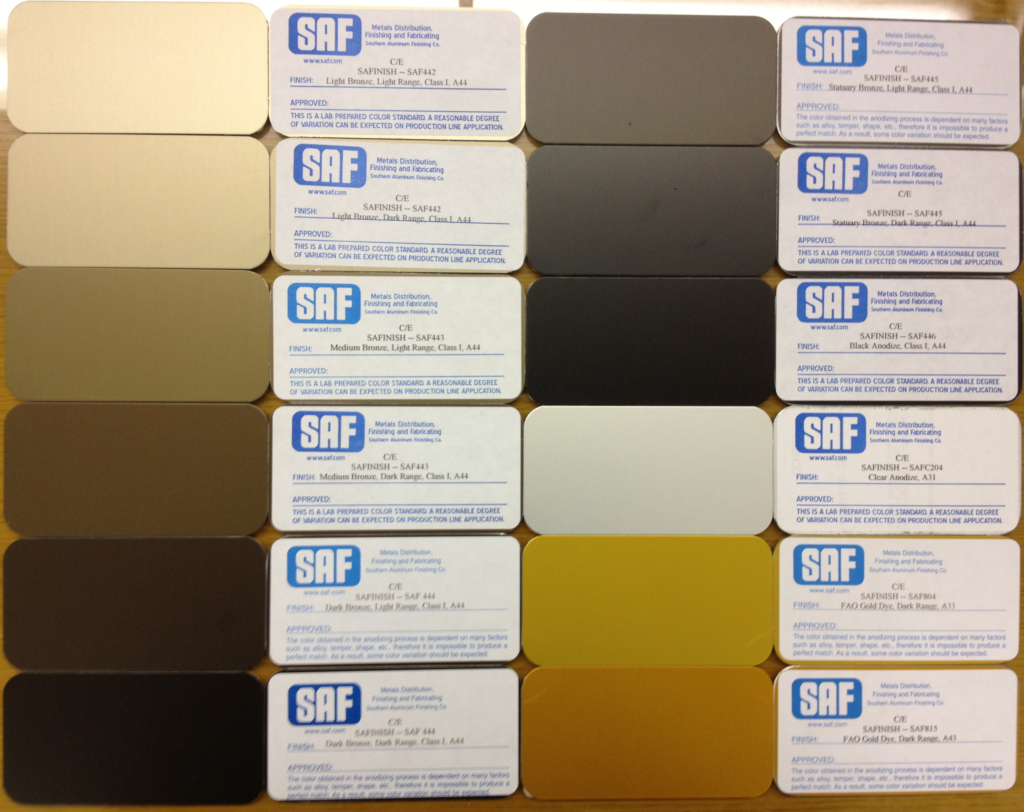
- Clear or natural: metallic silver with the substrate still visible.
- Black: a dark finish whose apparent depth can change with texture and lighting.
- Champagne or bronze: warm metallic tones that require an approved physical range.
- Custom colors: possible only after confirming the finishing route, quantity, target sample, and exposure requirements.
For a product used around water and cleaning chemicals, color is only one part of the finish decision. Review the broader corrosion-resistance guidance for telescopic poles before choosing a coating solely for appearance.
Why Anodized Color Varies Between Batches
Anodized aluminum is a process finish applied to a real metal surface, not printed ink on white paper. Variation can enter before, during, and after anodizing. The goal of production control is not to promise that every part is visually identical under every light; it is to keep agreed variation within an approved range.
| Variation source | What it can change | Practical control |
|---|---|---|
| Alloy and billet lot | Base tone and response to pretreatment | Keep the specified alloy and manage visible parts by lot |
| Extrusion surface | Lines, gloss, and reflected highlights | Define cosmetic surfaces and inspect before finishing |
| Mechanical or chemical pretreatment | Texture and brightness | Fix the preparation route in the approved process |
| Anodizing and coloring conditions | Shade, depth, and uniformity | Use controlled recipes and representative production samples |
| Part geometry and racking | Local appearance and contact marks | Agree acceptable rack locations and inspection zones |
| Sealing and post-treatment | Final tone and service behavior | Specify required finish performance, not color alone |
Mixing parts from different suppliers or finishing lines increases the risk of a visible mismatch. Where appearance is critical, visible tube sections should be produced and approved as a coordinated set rather than as unrelated components.
Physical Samples vs Pantone, RAL, and Screen Images
Pantone or RAL references are useful for communicating a design direction, especially for opaque paint or powder-coated aluminum tubing. They are less reliable as the only acceptance reference for a translucent metallic anodized finish. The substrate and texture remain visible, while a paper card or phone screen does not reproduce metallic reflection.
Use a real aluminum limit sample whenever color matters. The sample should use the intended alloy, surface preparation, and finishing process. Label it with approval date, finish code, gloss or texture description, and—when useful—an acceptable light and dark boundary. Protect master samples from scratching, contamination, and prolonged exposure.
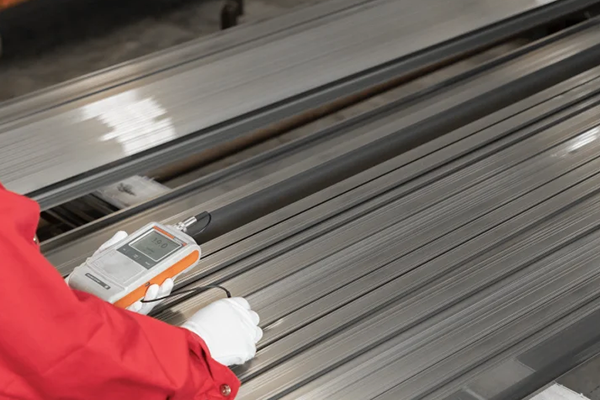
How to Set a Color Acceptance Method
A repeatable visual check needs agreed conditions. Define the inspection distance, viewing angle, lighting, background, comparison sample, and surfaces that are cosmetic. Also define whether telescoping sections are judged collapsed, extended, or both. Small rack marks may be acceptable in concealed zones but not on a consumer-facing tube.
If instrumental color measurement is required, do not write only “meet ΔE.” The specification should identify the color space, illuminant, observer angle, measurement geometry, locations, sample preparation, and tolerance. Metallic and directional surfaces can produce different readings as the instrument orientation changes. Instrument data should support—not silently replace—the approved visual method.
Will Anodized Aluminum Fade Outdoors?
No responsible specification should promise that every anodized color will “never fade.” Outdoor appearance depends on the coloring system, sealing quality, ultraviolet exposure, water chemistry, cleaners, abrasion, and service time. Clear, black, bronze, and decorative colors may not behave identically.
Tell the manufacturer where the pole will be sold and used, what chemicals may contact it, and how long the expected appearance must be maintained. If outdoor color retention is a critical claim, agree on a relevant test plan and acceptance criteria before production rather than inferring performance from the word “anodized.”
Packaging Is Part of Color Quality
A finish can pass production inspection and still arrive with rub marks, fingerprints, or scratches. Telescopic sections can contact each other, accessories, staples, or carton surfaces during transport. Protective sleeves, clean separators, controlled accessory placement, and a validated carton layout help preserve the approved appearance.
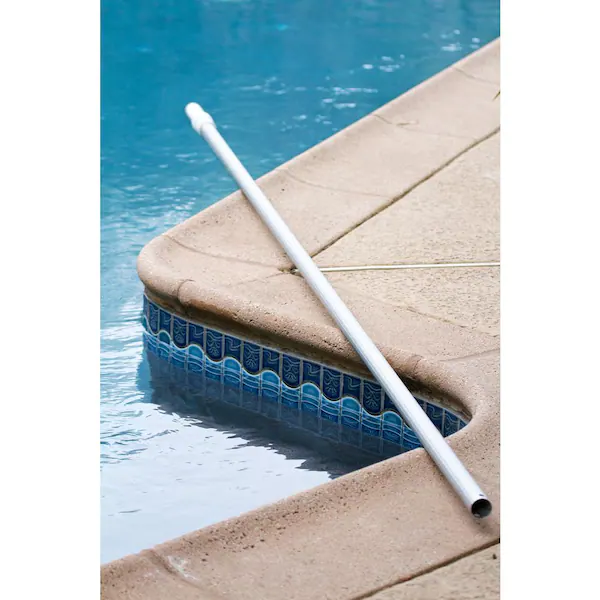
Packaging protection should be checked with the real production finish because a high-gloss surface and a matte surface may show rubbing differently. Review the complete assembly and packaging condition during the pre-production approval, not after the first container is packed.
OEM Aluminum Color Approval Workflow
- Define the use case: indoor or outdoor, exposure, target market, and cosmetic expectations.
- Lock the substrate: alloy, tube dimensions, extrusion source, and visible surface grade.
- Select the preparation: mill, polished, brushed, blasted, etched, or another agreed texture.
- Choose the finish: clear anodized, colored anodized, painted, or powder coated.
- Approve physical samples: compare representative tube sections, not only a flat color chip.
- Write the acceptance method: viewing conditions, cosmetic zones, boundary samples, and any measurement protocol.
- Confirm packaging: protect the approved surface through assembly, transport, and retail handling.
What to Include in Your RFQ
- Product drawing, tube diameters, wall thicknesses, and extended length
- Aluminum alloy and temper, if already specified
- Surface preparation and target gloss or texture
- Finish type and color reference
- Approved physical sample or request for sample development
- Cosmetic inspection zones and allowed rack/contact locations
- Outdoor, chemical, abrasion, and cleaning exposure
- Packaging format, order quantity, and target delivery schedule
When the finish is not yet finalized, send the application and appearance target instead of guessing a process. The manufacturer can then review color, durability, manufacturability, MOQ, and cost together. Use the engineering inquiry form to submit your telescopic-pole specification and request finish samples.
Frequently Asked Questions
Is aluminum naturally silver or gray?
Both descriptions are reasonable. Untreated aluminum is generally silvery gray, while texture, lighting, alloy, and surface condition determine whether it appears bright silver, dull gray, or somewhere between.
Is clear anodizing completely colorless?
No. It keeps a metallic appearance, but pretreatment, alloy, oxide coating, and sealing can alter brightness and tone compared with bare aluminum.
Can anodized aluminum match a Pantone color exactly?
A Pantone reference can communicate intent, but it should not be the only approval tool for a metallic anodized finish. Approve a representative aluminum sample and an acceptable visual range.
Why do two sections of one telescopic pole look different?
The sections may differ in extrusion lot, surface texture, geometry, pretreatment, or finishing conditions. Approving the extended assembly helps reveal a mismatch before mass production.
Should every OEM order specify a ΔE tolerance?
No. Use instrumental tolerances only when the measurement method and equipment are appropriate and fully defined. A controlled visual method with approved boundary samples may be more practical for reflective metallic parts.
Which finish is best for an outdoor pool pole?
There is no universal answer. Choose according to appearance, exposure, abrasion, water chemistry, cleaning agents, target life, quantity, and cost. Confirm those conditions before approving the finish.

 English
  Español
  Français
  Deutsch
  Português