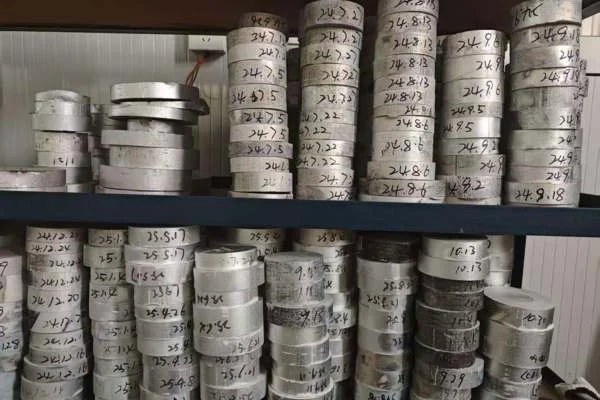
6063 aluminum
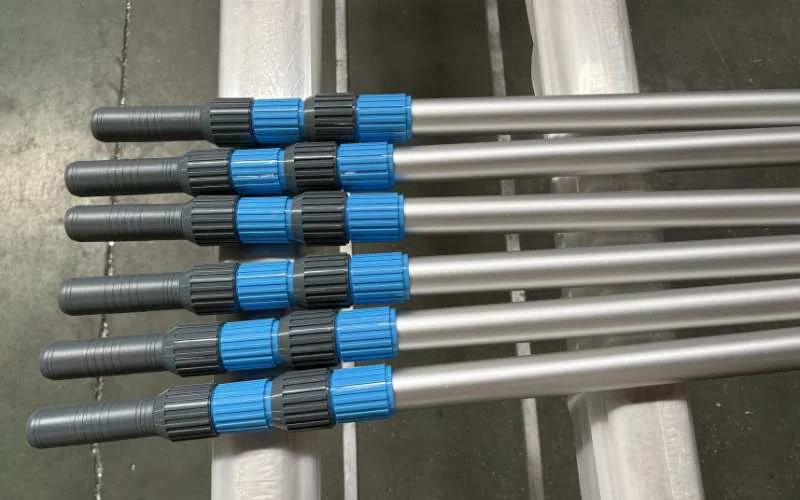
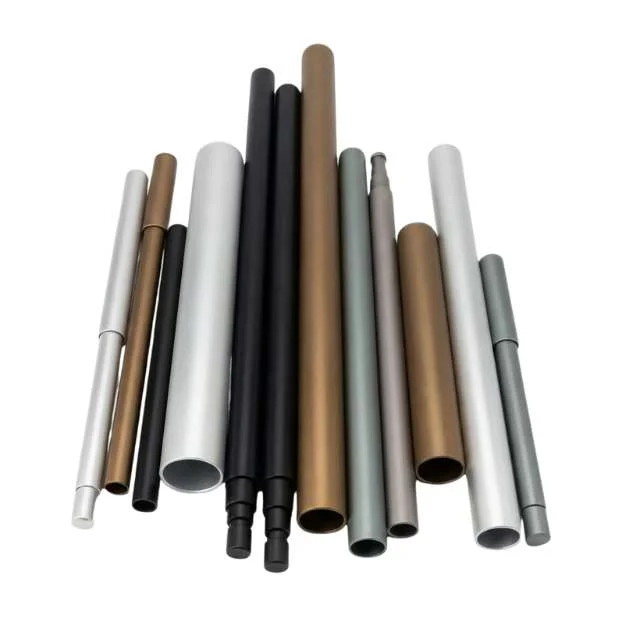
A medium-strength 6000-series alloy prized for excellent extrudability, a smooth surface, and strong corrosion resistance. It is the most common alloy for anodized telescopic and pool poles.
best aluminum alloy guide →Plain-language definitions of the alloys, dimensions, lock types, finishes, manufacturing, quality, and trade terms that come up when sourcing aluminum telescopic and pool poles — from Poolpole (Xingyong), a direct factory in Huai'an, Jiangsu, China.
Read the Alloy Guide

A medium-strength 6000-series alloy prized for excellent extrudability, a smooth surface, and strong corrosion resistance. It is the most common alloy for anodized telescopic and pool poles.
best aluminum alloy guide →
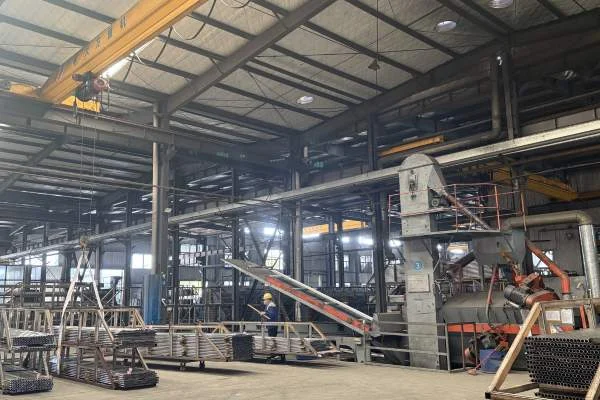
A stronger structural alloy (about 310 MPa tensile) with good corrosion resistance and weldability, used where a pole needs extra strength or stiffness.

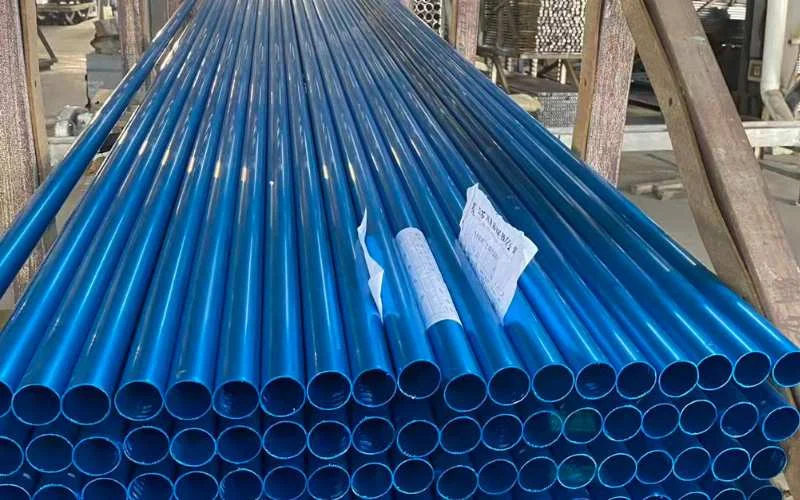
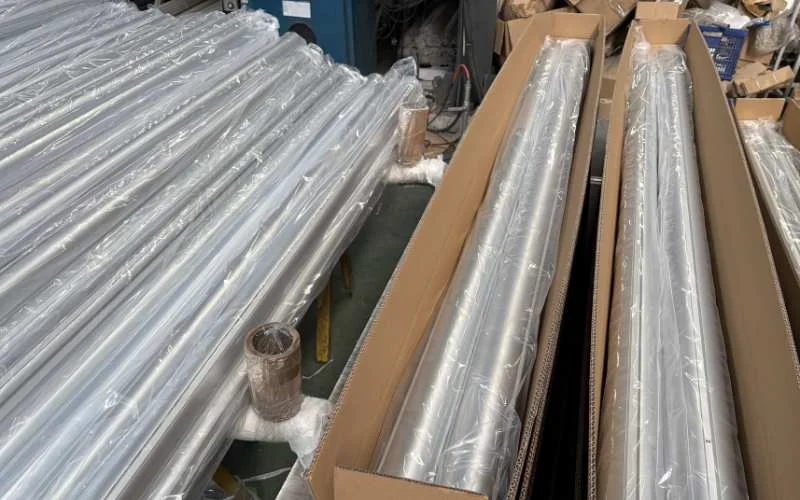
The solid cylindrical aluminum bar that is heated and pushed through a die to form extruded tubes and profiles.

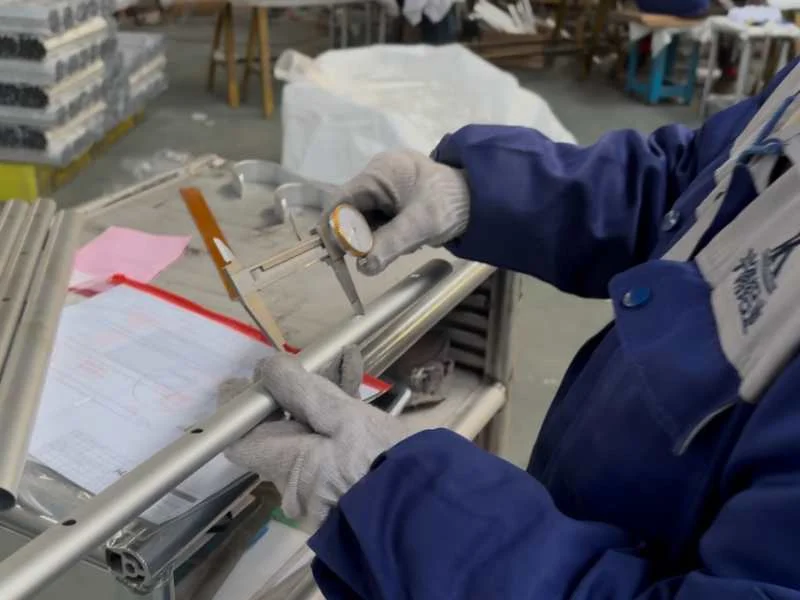
The thickness of the tube wall, commonly 0.8 to 1.5 mm for poles. It strongly affects strength and weight.

For telescopic poles, wall thickness and diameter usually affect rigidity more than the alloy grade itself.

The number of nesting tubes in a telescopic pole. More sections add reach but also add joints to lock and align.

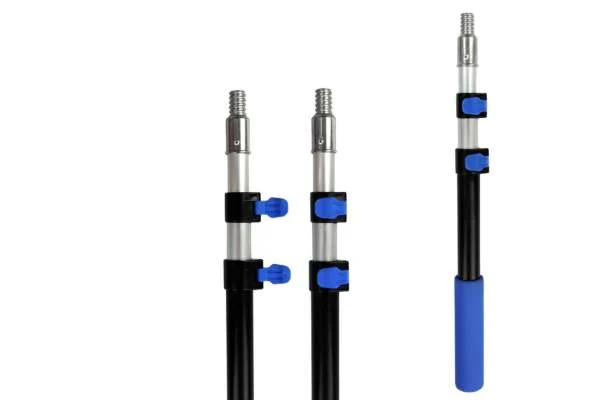
An external lever clamp that locks sections quickly and holds high loads.
flip-lock poles →
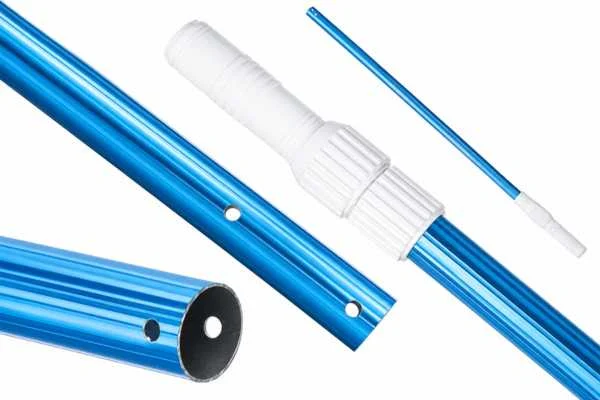
An internal expander activated by twisting adjacent sections; simple and low-cost.
twist-lock poles →
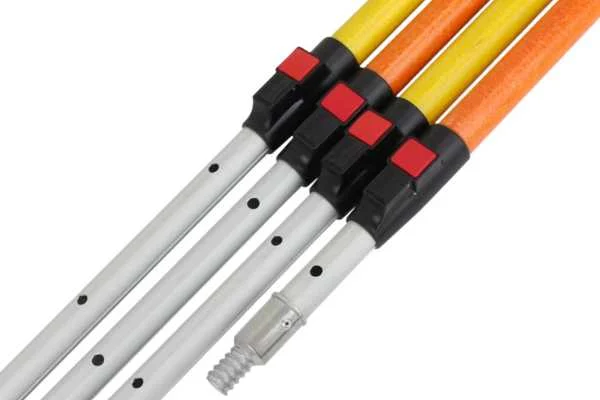
A spring-loaded pin that snaps into pre-set holes to fix the pole at specific lengths.
push-button poles →
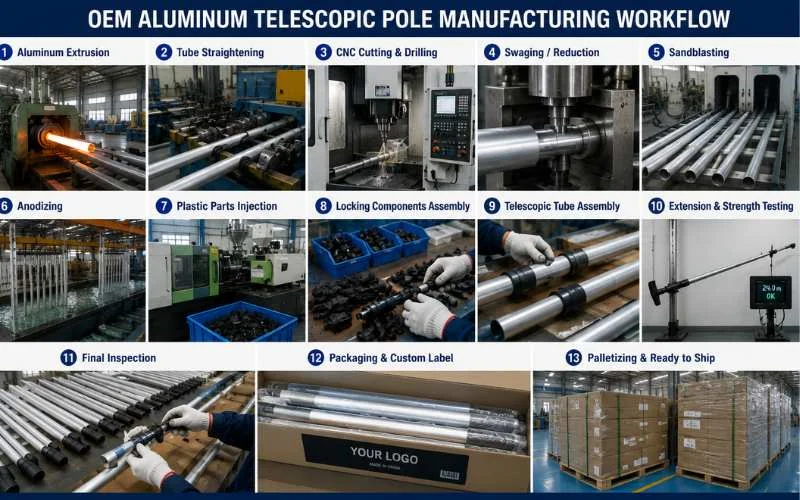
An electrochemical process that grows a hard, corrosion-resistant oxide layer on aluminum, often colored. It is the standard finish for poles.
anodizing service →
Blasting the surface with abrasive to create a uniform matte texture, often before anodizing.

A dry paint finish applied electrostatically and baked on. It offers many colors but less abrasion resistance than anodizing on sliding poles.

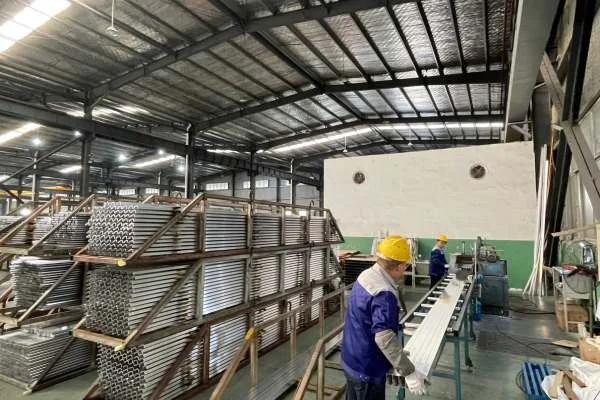
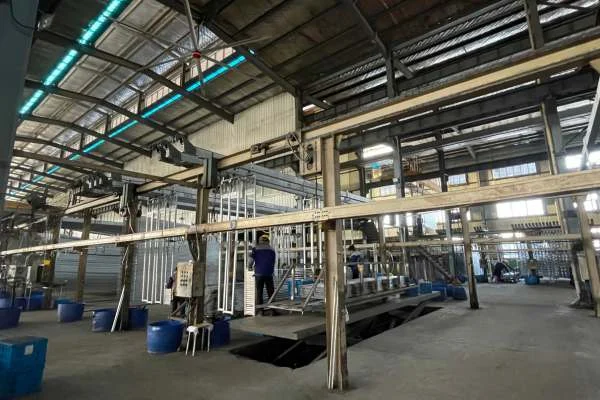
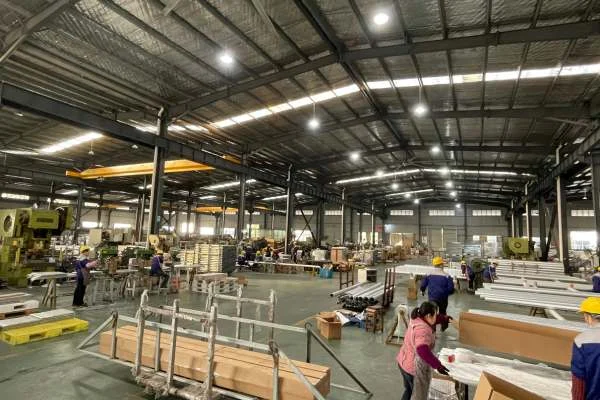
Forcing heated billet through a shaped steel die to produce tubes and profiles.
production capacity →
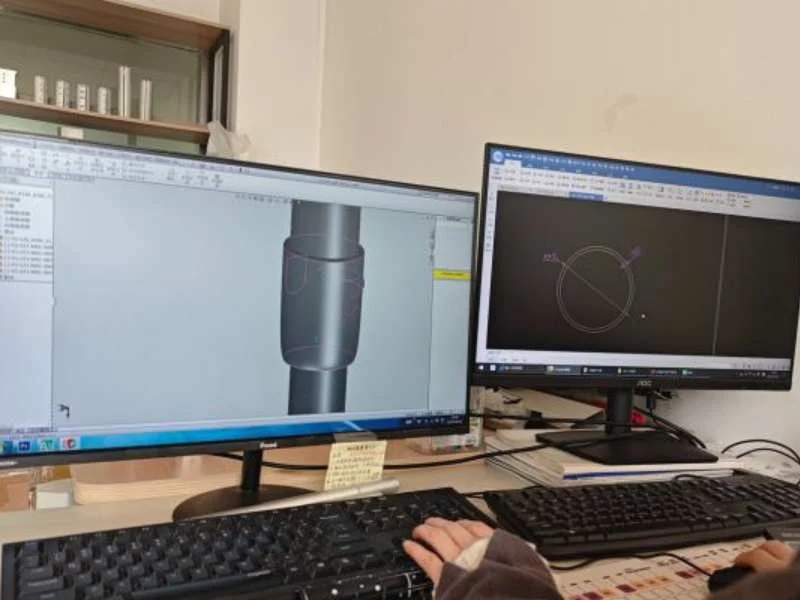
Reviewing a design for cost-effective, reliable production before tooling is cut.

Original Equipment Manufacturer: producing a product to the buyer's own specification.
OEM service →
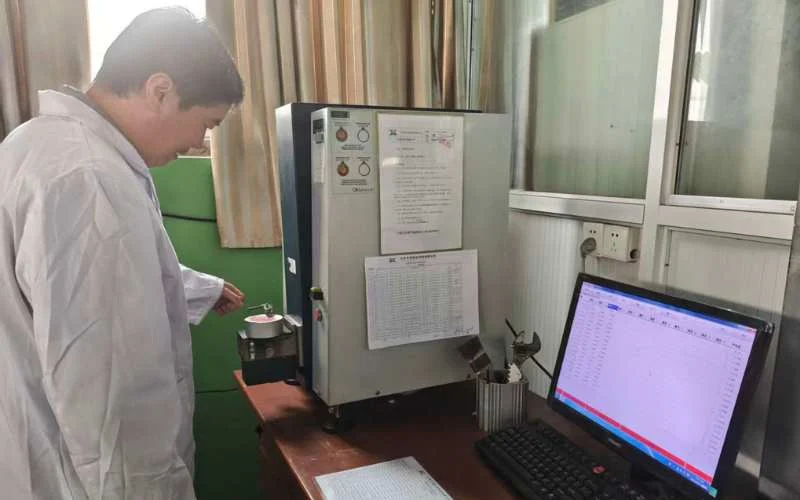
A standardized corrosion test that exposes parts to salt fog for a set number of hours, such as 500 or more.

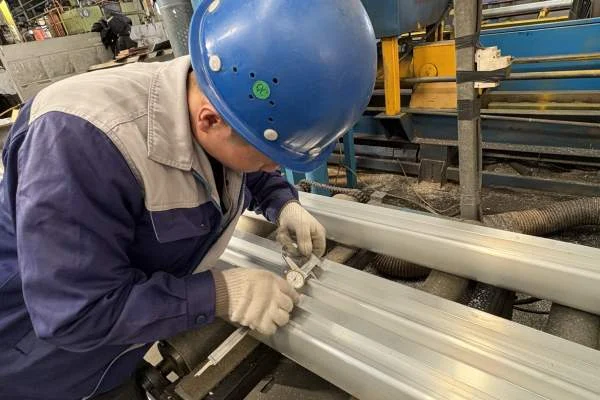
Acceptable Quality Limit, the sampling standard used for pre-shipment inspection, for example AQL 1.5.
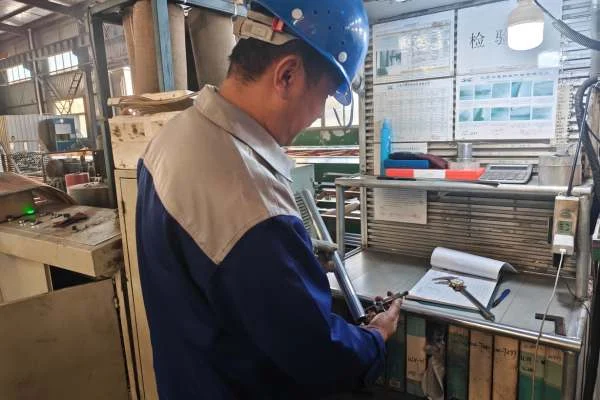
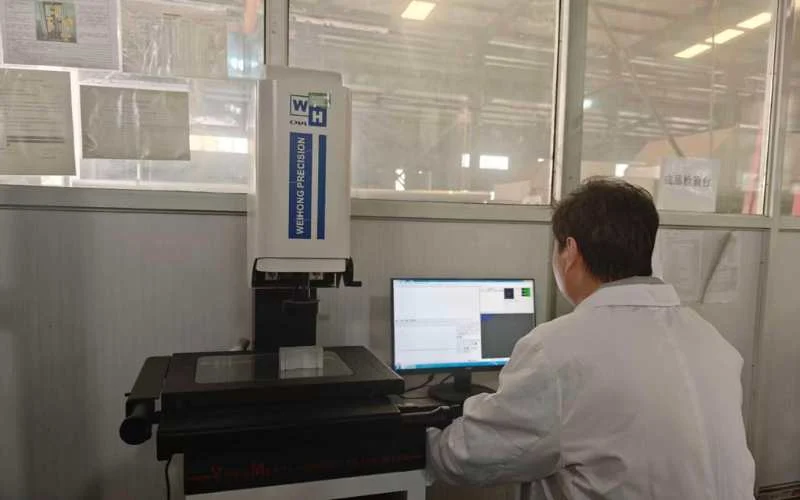
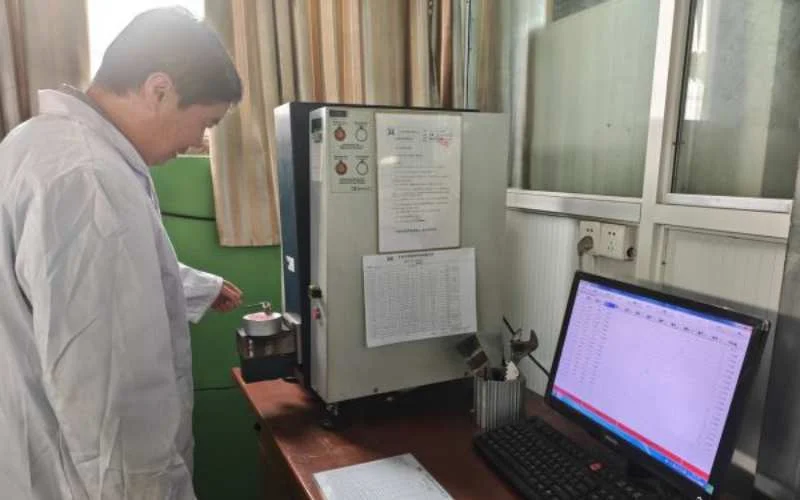
quality assurance →
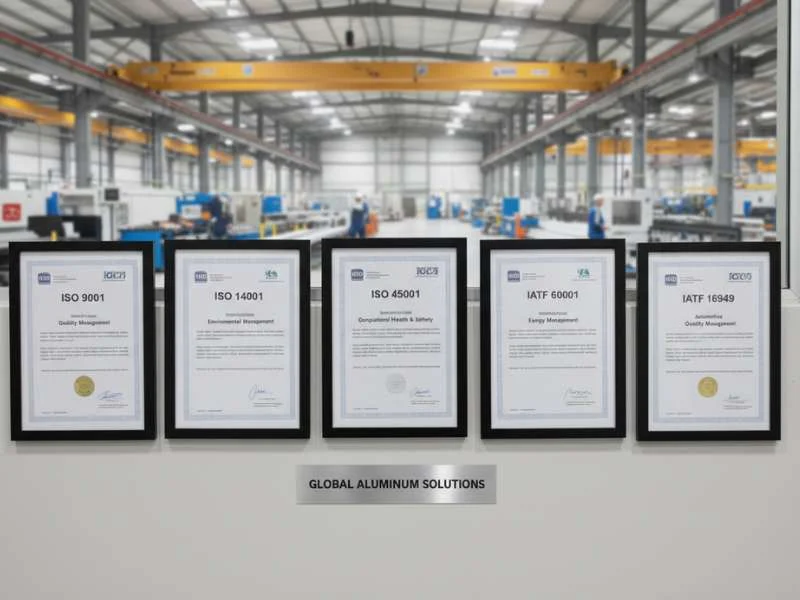
An automotive-grade quality-management standard that signals tight process control.

Free On Board: the seller delivers goods loaded at the port of origin; the buyer handles main freight onward.

Globally unique retail product barcodes required by most big-box retailers.

A widely used social-compliance auditing system for ethical manufacturing.
Our bilingual engineers answer spec and sourcing questions within 24 hours, 24/7.