Many telescopic pole failures don’t come from bad design—they come from choosing the wrong aluminum alloy. Poles bend under load. Locks slip. Surface corrosion appears within months. Then come returns, warranty claims, and damaged brand trust.
To make the article actionable, convert the key takeaway into an RFQ line item, compare it against telescopic pole manufacturing, and use custom aluminum telescopic poles for the production route. For external technical context, use Aluminum Association material resources.
The problem is simple: most buyers focus on price per meter, not performance per lifecycle. That’s where mistakes happen.
This guide breaks down exactly which aluminum alloy works best for telescopic poles—and why. You’ll see real engineering trade-offs, cost implications, and how to choose the right material for your market.
What Is the Best Aluminum Alloy for Telescopic Poles?
The best aluminum alloy for telescopic poles is 6063-T6 for most applications, while 6061-T6 is preferred for heavy-duty use, and 7075 is only used in specialized high-load scenarios.
- 6063-T6 → best overall choice (corrosion resistance + surface finish + cost efficiency)
- 6061-T6 → higher strength (industrial or long-reach poles)
- 7075 → extreme strength only (rare in commercial poles due to cost)
This matters. Because the wrong alloy increases bending risk, reduces lifespan, and raises total cost—not just material cost.
How the 6061 and 6063 Difference Plays Out on a Telescopic Pole
For a full, sourced comparison of the two alloys — chemistry, tempers, deflection math and anodized finish — see our 6061 vs 6063 aluminum guide. This section covers only how the difference shows up on a telescopic pole.
Mechanical Properties Comparison
| Property | 6061-T6 Aluminum | 6063-T6 Aluminum |
|---|---|---|
| Tensile Strength | ~310 MPa | ~241 MPa |
| Yield Strength | ~276 MPa | ~214 MPa |
| Elastic modulus (stiffness) | ~69 GPa | ~68 GPa — effectively the same |
| Extrusion Quality | Medium | Excellent |
Reference: MatWeb 6061 Data
Key Insight:
6061 is stronger—but strength alone does not define pole performance.
Surface Finish & Anodizing Performance
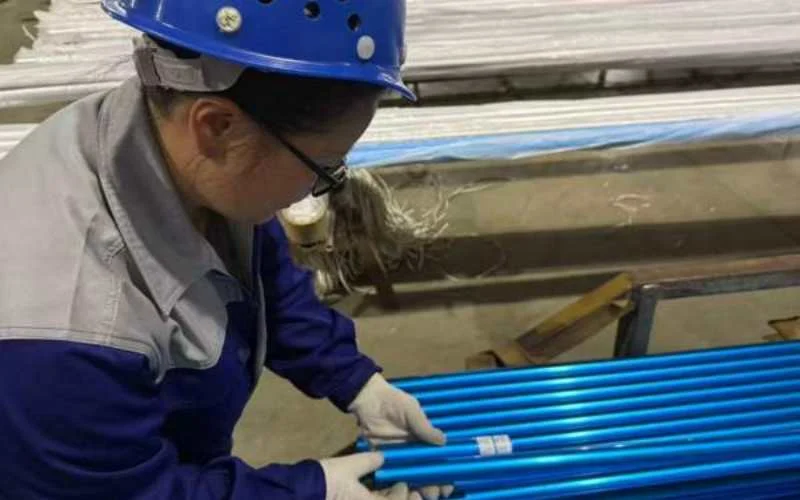
6063 is widely used because it produces clean, uniform anodized surfaces.
- Smooth extrusion surface → better sliding performance
- Consistent anodizing color → better retail appearance
- Lower friction → improved telescoping feel
According to the Aluminum Association, 6063 is often called an “architectural alloy” due to its superior finish.
Cost & Production Efficiency (Real B2B Impact)
Typical large-order impact:
| Factor | 6063 | 6061 |
|---|---|---|
| Extrusion Speed | Faster | Slower |
| Tool Wear | Lower | Higher |
| Scrap Rate | Lower | Higher |
| Cost Impact | Base | Higher; varies with profile |
Real B2B Insight:
Switching from 6061 to 6063 can reduce total production cost—not just raw material cost.
Wall Thickness vs Alloy Strength (Critical Engineering Rule)
Most buyers get this wrong.
Bending stiffness depends on tube diameter and wall thickness, not on alloy strength.
Engineering Comparison
- Increase wall thickness by 20% (1.2 → 1.44 mm on a 32 mm tube) → stiffness rises about 17%, for about 19% more weight
- Increase outside diameter from 32 to 35 mm at the same 1.2 mm wall → stiffness rises about 32%, for about 10% more weight
- Switch from 6063 → 6061 → stiffness rises only about 1–2% (elastic modulus ~68 vs ~69 GPa); what 6061 adds is yield strength, the resistance to permanent bending
- Calculated with the second moment of area I = π(D⁴ − d⁴)/64.
What this means:
- Thin 6061 pole → still bends
- Properly sized 6063 pole → stiffer than a thin 6061 pole in real use
Practical Rule for Buyers
- Long poles (>6m / 20 ft) → increase diameter or wall thickness first
- Medium poles → 6063 is sufficient
- Heavy-load poles → combine 6061 + thicker wall
This is where engineering beats marketing.
When to Use 7000 Series Aluminum (7075)
Where It Makes Sense
- High-load structural poles
- Military or aerospace applications
- Specialized industrial equipment
7075 offers strength close to steel. But that comes at a cost.
Trade-offs You Cannot Ignore
| Factor | 7075 Aluminum |
|---|---|
| Cost | Significantly higher than 6061 |
| Corrosion Resistance | Lower |
| Extrusion Difficulty | High |
| Availability in Tubing | Limited |
Reference: MakeItFrom 7075-T6 data
Why 7075 Is Rare in Telescopic Poles
- Over-engineered for most applications
- Not suitable for long extrusion runs
- Increases retail price significantly
Conclusion:
7075 solves problems most telescopic poles don’t have.
How Alloy Choice Affects Real Pole Performance
Bending & Stability
Performance depends on:
- Alloy type
- Wall thickness
- Tube diameter
The combination matters more than any single factor.
Locking System Compatibility
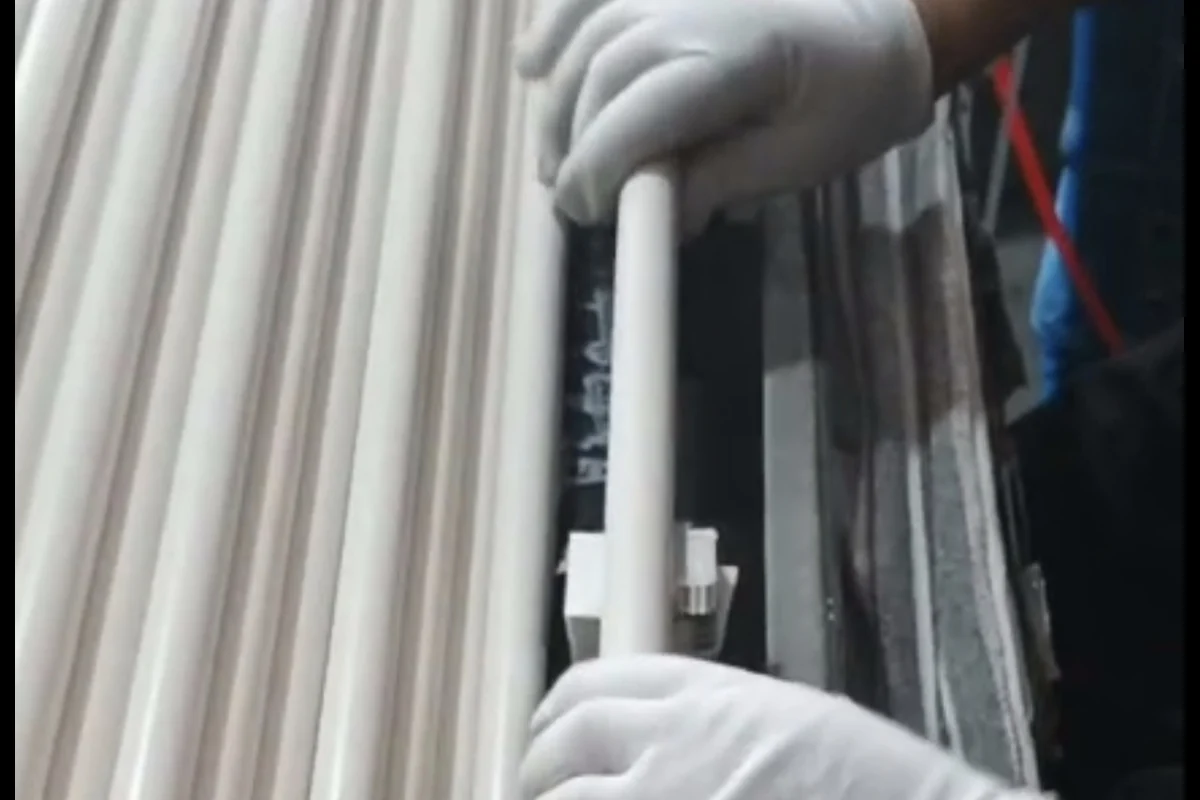
- Twist lock systems → require smooth surface → 6063 performs better
- Flip lock systems → clamp hard on the tube → 6061’s higher hardness helps on long, heavily loaded poles; rigidity itself comes from tube size
See also:
Twist Lock vs Flip Lock Telescopic Pole Guide
Corrosion Resistance (Outdoor & Pool Use)
Pool environments expose aluminum to:
- Chlorine
- UV
- Moisture cycles
Best solution:
- 6063 + anodizing
Reference: AZoM Corrosion Guide
Best Aluminum Alloy by Application
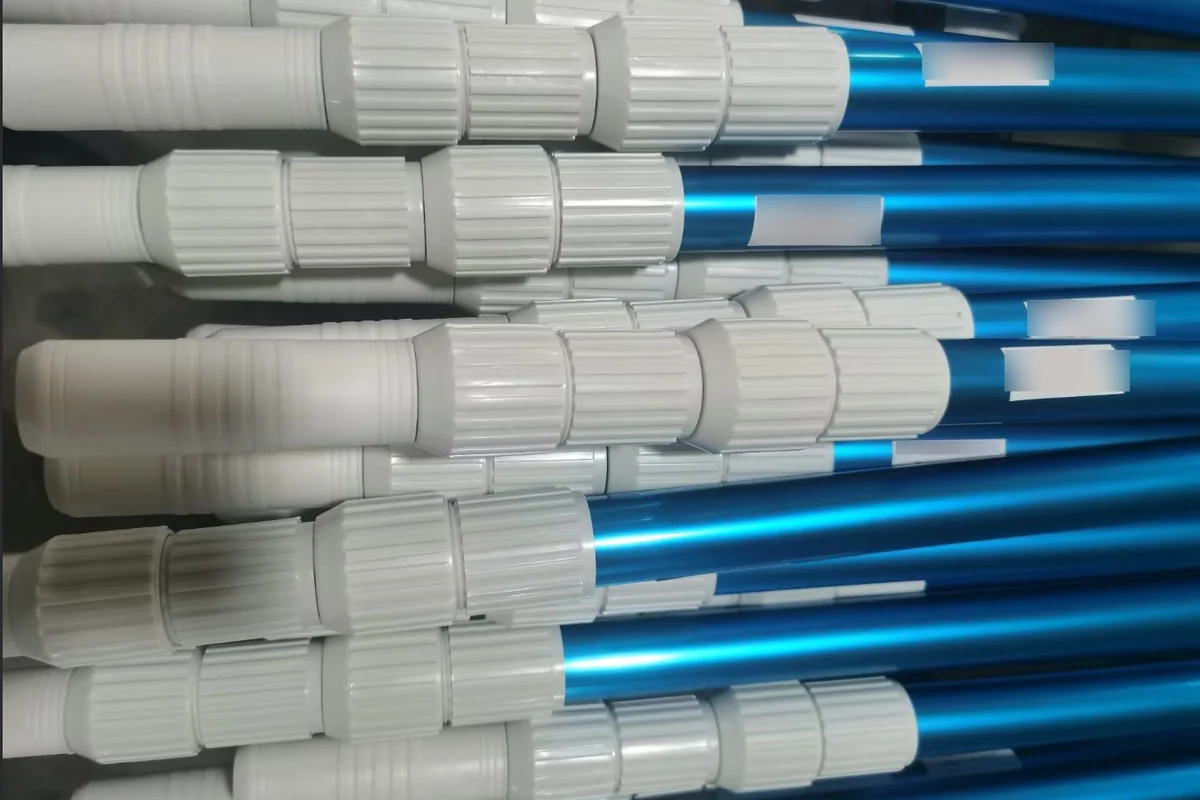
Pool Cleaning Telescopic Poles
- Alloy: 6063-T6
- Finish: Anodized
- Reason:
- Corrosion resistance
- Smooth sliding
- Lower cost
Window Cleaning / Extension Poles
- Alloy: 6063 or 6061 hybrid
- Reason:
- Balance between weight and rigidity
- Frequent extension cycles
Industrial / Heavy Duty Poles
- Alloy: 6061-T6
- Reason:
- Higher load capacity
- Better bending resistance
Application Selection Table
| Application | Alloy | Why |
|---|---|---|
| Pool Poles | 6063 | Corrosion + finish |
| Cleaning Poles | 6063/6061 | Balance |
| Industrial Poles | 6061 | Strength |
| Special High Load | 7075 | Extreme strength |
Surface Treatment Matters More Than Alloy Choice
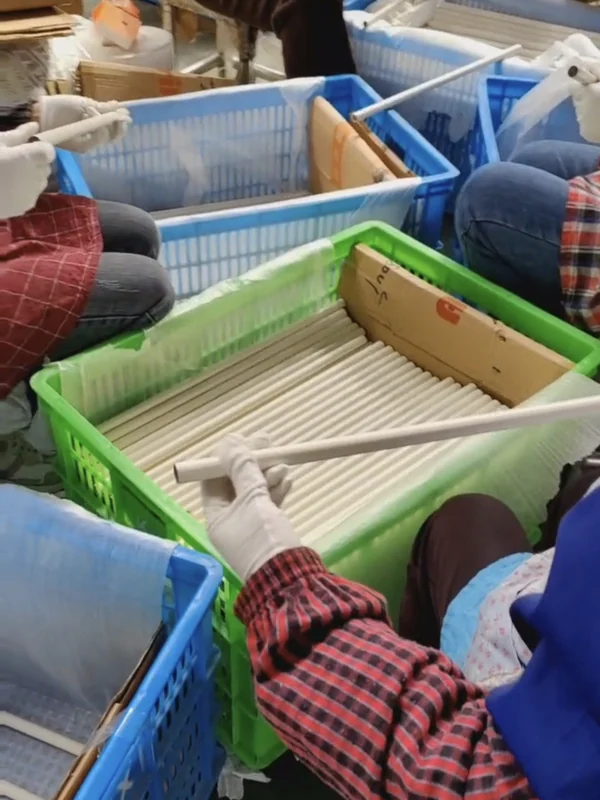
Anodizing (Recommended)
- Improves corrosion resistance
- Increases surface hardness
- Extends lifespan significantly
Sandblasting & Brushing
- Improves grip
- Enhances premium feel
- Helps coating adhesion
Powder Coating
- Cost varies with color and batch size
- Thicker layer
- Not ideal for sliding telescopic sections
B2B Buying Guide: How to Choose the Right Supplier
Material choice is only half the equation. Production capability defines consistency.
Production Capability
A reliable supplier should offer:
- In-house extrusion sized to your profiles
- Capacity for repeat orders at your volume
- Ability to handle complex profiles
This ensures stable supply and scalability.
Quality Control Systems
Look for:
- Spectrometer alloy verification
- Hardness testing
- Coating thickness inspection
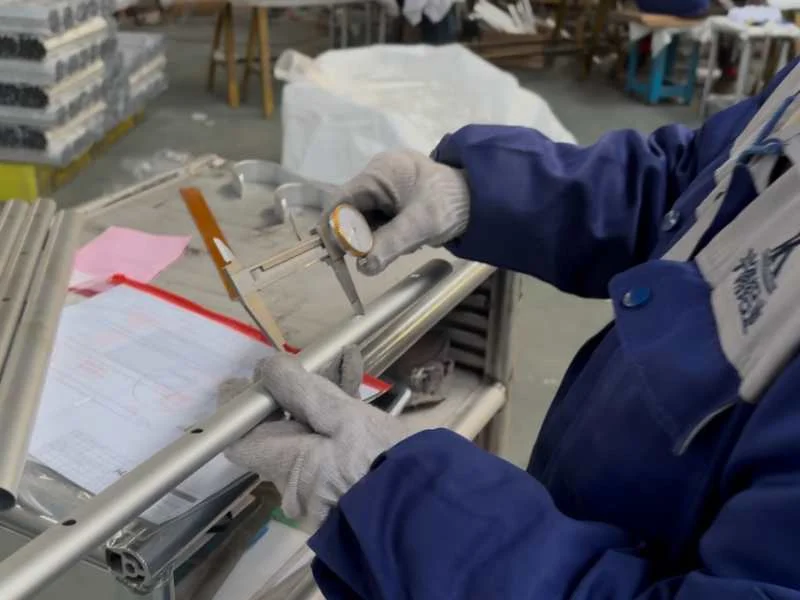
- Dimensional accuracy control
MOQ & Lead Time (What Buyers Care About)
What to confirm with any supplier (our terms shown):
- MOQ: depends on configuration — see our sample and MOQ policy
- Quotation: within 24 hours of a drawing
- Samples: 7–15 days
Common Mistakes When Choosing Aluminum for Telescopic Poles
- Choosing alloy based on price only
- Ignoring wall thickness design
- Over-specifying 6061 or 7075
- Skipping anodizing in outdoor products
- Mismatching alloy with locking system
Each mistake increases long-term cost.
FAQ
Is 6061 stronger than 6063?
Yes. 6061 has higher strength, but 6063 often performs better in telescopic applications due to surface quality and corrosion resistance. Stiffness is a separate question: both alloys share nearly the same elastic modulus, so a pole only stops flexing when the tube gets bigger.
Why is 6063 more common in telescopic poles?
Because it offers better extrusion quality, a smoother surface and better anodizing results — all of which matter on sections that slide inside each other and are sold on appearance.
What matters more: alloy or thickness?
Tube geometry matters more for stiffness. Diameter and wall set how much a pole flexes; alloy sets how much load it takes before bending permanently.
Is anodizing necessary?
For outdoor use, yes. It significantly extends product life, and on telescopic sections the hard oxide also survives the sliding contact better than a thicker organic coating.
Which is best for telescopic pool poles: 6061, 6063, or 7075?
For most pool and cleaning poles, 6063 is the best all-round choice — it anodizes to a smooth, corrosion-resistant finish and slides well between sections. 6061 is preferred when you need extra strength or longer reach. 7075 is far stronger but costlier, harder to anodize, and rarely necessary for poles.
Is 7075 aluminum good for telescopic poles?
7075 offers the highest strength of the common alloys, but it is more expensive, less corrosion-resistant, and harder to extrude and anodize. For telescopic and pool poles, the strength rarely justifies the cost and finish trade-offs, so 6063 or 6061 is almost always the smarter specification.
What is the real difference between 6061 and 6063?
6061 is stronger, around 310 MPa tensile versus roughly 186 to 241 MPa for 6063, while 6063 extrudes more easily and takes a smoother anodized finish with excellent corrosion resistance. For poles, 6063 usually wins on appearance and slide quality; 6061 is chosen when strength matters more, since stiffness comes from tube diameter and wall.
The Smart Choice Is Not the Strongest Alloy
Choosing the right aluminum alloy is about balance. Strength, cost, manufacturability, and application all matter.
In most cases, 6063 delivers the best total value, not because it is the strongest—but because it performs best in real conditions.
6063, 6061 and 7075 for Telescopic Poles: Quick Comparison
Short version for buyers comparing the three most common aluminum alloys for telescopic and pool poles: 6063 wins on finish and corrosion, 6061 adds strength, and 7075 is reserved for extreme-strength niches.
| Property | 6063-T5/T6 | 6061-T6 | 7075-T6 |
|---|---|---|---|
| Tensile strength | ~186–241 MPa | ~310 MPa | ~572 MPa |
| Corrosion resistance | Excellent | Very good | Lower |
| Anodizing / finish | Best (smooth) | Good | Harder, less uniform |
| Extrudability | Easiest | Moderate | Difficult |
| Relative cost | $ | $$ | $$$ |
| Best for poles | Pool & cleaning poles, anodized finish | Heavy-duty / longer poles | Extreme-strength niches (rarely needed) |
Related Aluminum Alloy Guides
- 6061 vs 6063 aluminum: same stiffness, different yield strength
- Aluminum alloy grades explained
- What is the strongest aluminum alloy?
- What is 6063 aluminum used for?
- Best structural aluminum alloy selection guide
- 6061 vs 7075 for aluminum extrusion profiles
- Cast vs wrought aluminum alloys
Start with the Right Specification, Not Just the Right Alloy
If you’re sourcing telescopic poles, focus on the full specification:
- Alloy + wall thickness
- Surface treatment
- Locking system compatibility
- Production consistency
We support:
- Custom extrusion profiles
- Anodizing and surface finishing
- OEM branding
- MOQ-friendly production
Request a sample. Test it in your market. Then scale with confidence.
Related products: Explore related products and review matching solutions.

 English
  Español
  Français
  Deutsch
  Português