
Telescoping Light Pole Manufacturer
Xingyong manufactures aluminum telescoping light poles and mast hardware for lighting brands, fleet outfitters and site-equipment suppliers — sections, locks and head mounts from one direct factory.
- 2–4 section masts, 20 ft-class reach — wall and lock class sized to the head weight your drawing states.
- Locks that live extended — twist, flip or push-button builds chosen for poles that stand raised all shift, not just in storage.
- Hardware layer under your brand — mounts machined to your fixture interface, private label packaging, ISO 9001.
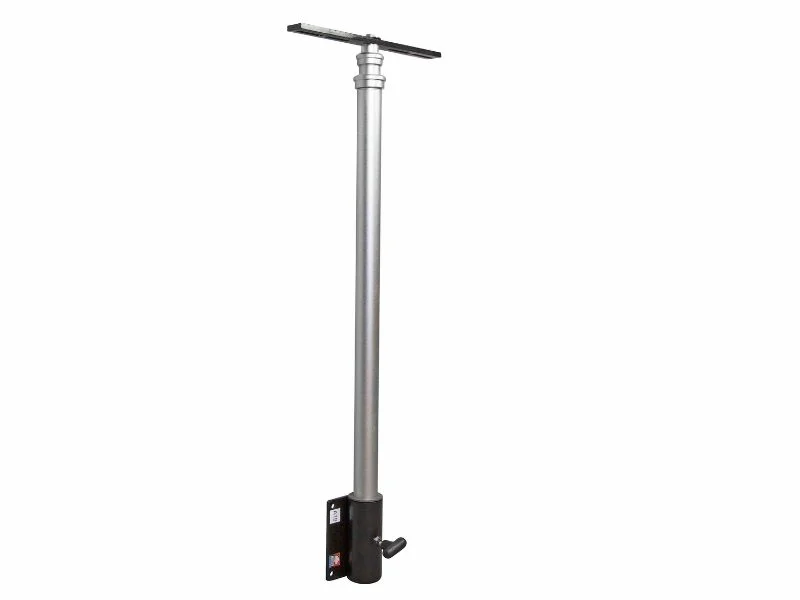
What a Telescoping Light Pole Is — and Why the Mast Decides the Product
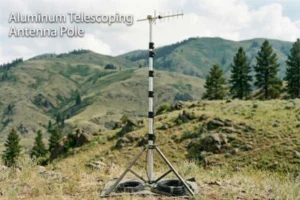
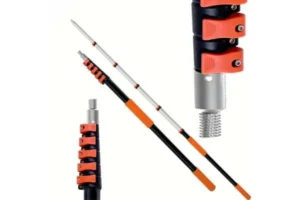
A telescoping light pole is an aluminum telescoping mast that raises a light head to working height and collapses for transport or storage.
The category’s defining failure is lock slip under a raised head — a mast that creeps down at 2 a.m. fails the whole product. Wall thickness decides the rest: whether “extended all night” is a spec or a hope.
Xingyong supplies the mast hardware layer — sections, locks, internal cable paths where sections allow, and head mounts machined to your fixture interface. Fixtures, electrics and their certifications remain with your brand; we build the aluminum that holds them up.
Buyers split three ways: lighting brands sourcing OEM and replacement masts, fleet outfitters mounting to trucks and trailers, and site-equipment suppliers building portable kits — duty patterns lighting-industry bodies like the Illuminating Engineering Society document for area and task lighting.
Jiangsu Xingyong Aluminum Technology Co., Ltd — the factory behind poolpole.com — extrudes the tube stock, machines the mounts and assembles the mast. Fixed street and parking poles are a different product family — our aluminum light pole guide covers that market; this page is the telescoping line. And if the payload is a camera rather than a light head, the mast gets specified against field of view, vibration and cable routing instead of lumens and driver wiring — that program lives on our camera pole page.
Telescoping Light Pole OEM Options — What You Can Spec, Line by Line
Send head weight and working height first — the sheet fills from there. One factory owns sections, locks and mounts, so the mast arrives as one engineered answer, not three vendors’ guesses.
| Specification | OEM Options | Confirm Before Sampling |
|---|---|---|
| Sections & reach | 2–4 sections, typical to the 20 ft class | Working height target |
| Tube | 6063 / 6061, wall to head load | Head weight and duty |
| Lock | Twist, flip or push-button — sized to hold extended | Duty cycle |
| Head mount | Machined to your fixture interface | Fixture drawing |
| Cable path | Internal routing where sections allow | Cable OD |
| Finish | Anodized or powder-coated | Color codes |
| Plastic parts & assembly (in-house) | Collars, caps and guides molded on site; masts shipped assembled, ready for your kit box | Assembly level: bare, part-fitted, or retail-ready |
| Packaging | Bulk, kit box, private label | Barcode and inserts |
| MOQ & lead time | Per configuration; sampling 7–15 days | Volumes and dates |
Telescoping Light Pole Builds for How Your Line Sells
Most light masts on the market are generic poles with a bracket improvised on top — and improvised brackets are why heads wobble and warranties bleed. Three builds below, one mast platform.
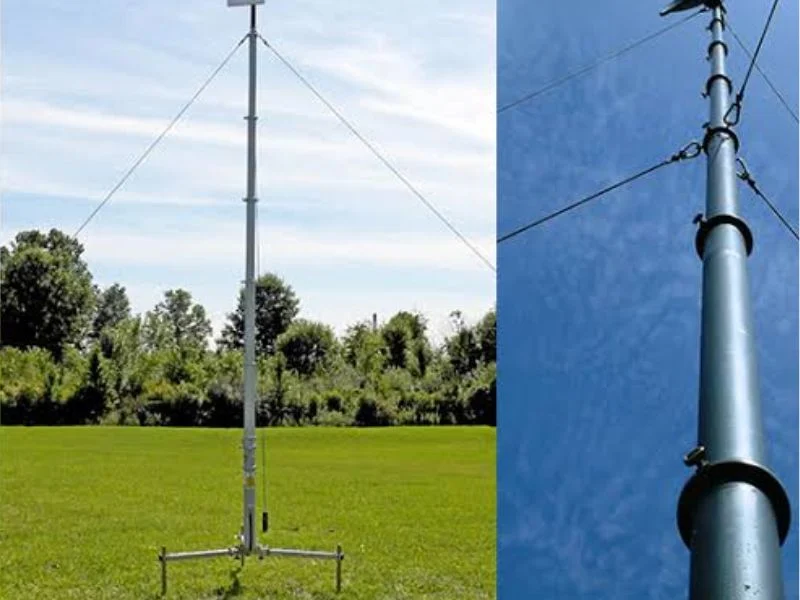
Telescoping Mast
The base platform: sections, locks and a machined head interface — the mast your fixture line has been improvising around.
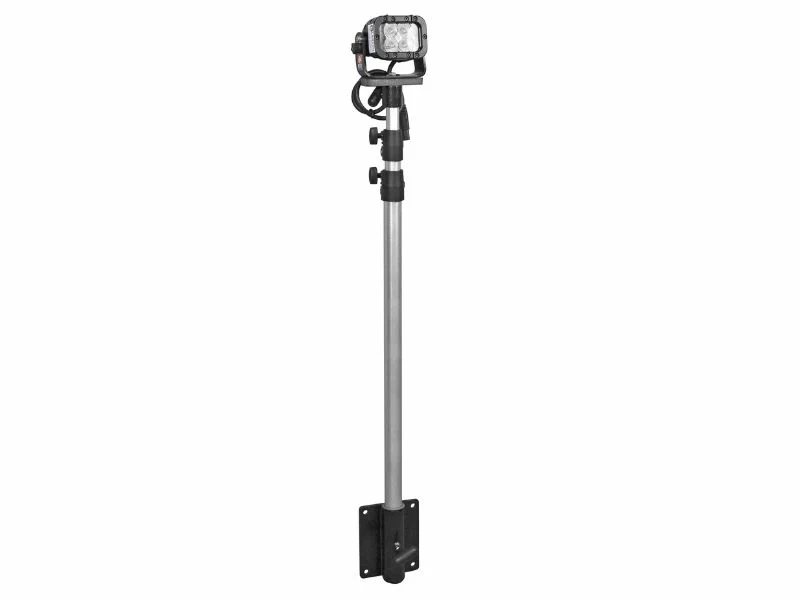
Portable Light Pole
Work-site duty: fast-deploy sections and stable footing interfaces, sized for kits one crew member carries and raises.
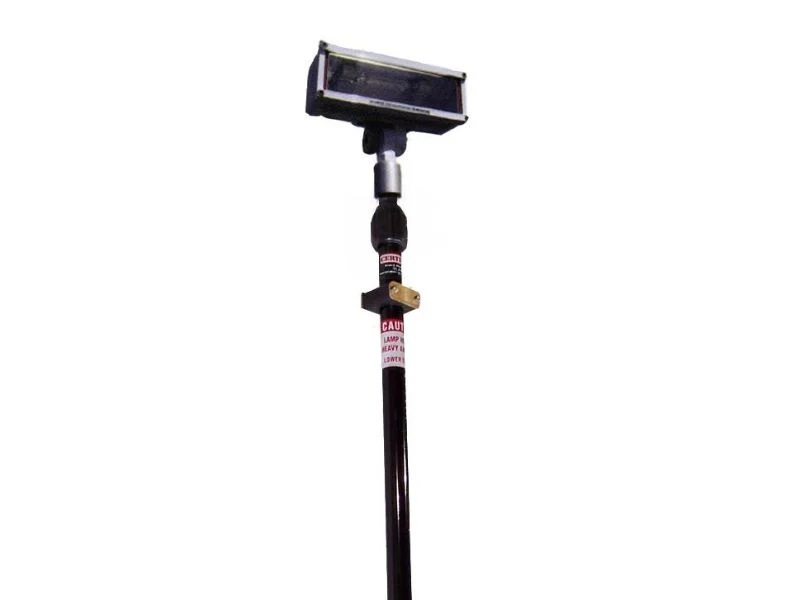
Telescoping Light Pole for Truck
Vehicle builds: masts made to bolt to beds, racks and trailers, with cable paths run through the sections.
Specs reflect 6063/6061 telescoping masts from Jiangsu Xingyong (ISO 9001, since 2010); lock class confirmed per head weight before quoting.
Purpose-Built Light Mast vs Improvised Pole vs Motorized Systems
An improvised bracket on a generic pole is how branded lighting earns DIY reviews. Purpose-built masts own the OEM middle of this market; motorized systems genuinely earn their premium at the top.
| Point | Purpose-built light mast | Generic pole + bracket | Motorized mast system |
|---|---|---|---|
| Head mount | Machined interface, seats square | U-bolts and hope | Integrated |
| Extended duty | Locks sized to live raised | Creeps under load | Excellent |
| Cable handling | Internal path option | Zip ties down the outside | Integrated |
| Cost base | Volume-friendly | Cheapest until the returns | Premium systems |
| Brand economics | OEM under your label | DIY look on a branded product | Small-volume niche |
Why Lighting Brands and Equipment Suppliers Choose Xingyong for Telescoping Light Poles
Light masts are bought by brands on one side and raised by crews on the other — this section answers the hardware question for both. See how partner programs work at Xingyong.
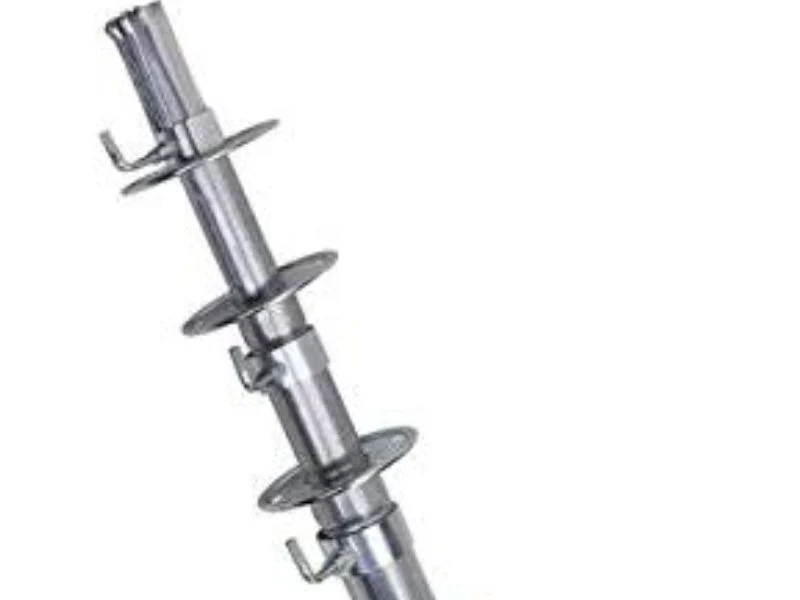
Masts Engineered Around the Head, Not Just the Height
- Geometry set per order — sections, wall and lock class matched to the head weight your drawing states.
- Lock choice assumes the pole lives extended: duty tested raised, not just cycled.
- For distributors: a mast SKU upsells every light line you already carry — same factory, one MOQ.
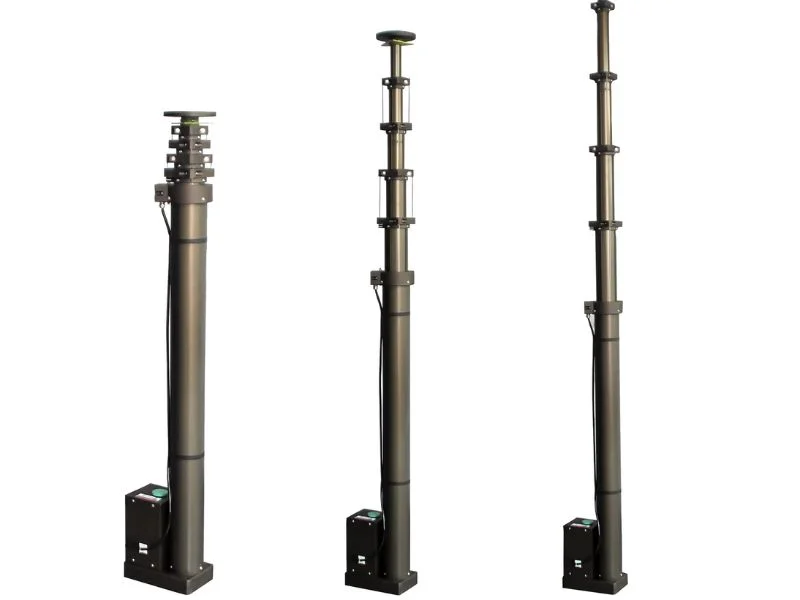
Mounts and Interfaces Matched to Your Light Fixtures
- Mount tooling is cut in-house, so a fixture change is a tooling tweak, not a supplier hunt.
- Collars, caps and cable grommets arrive fitted before boxing.
- For distributors: label, MOQ and regional terms live on our partner page.
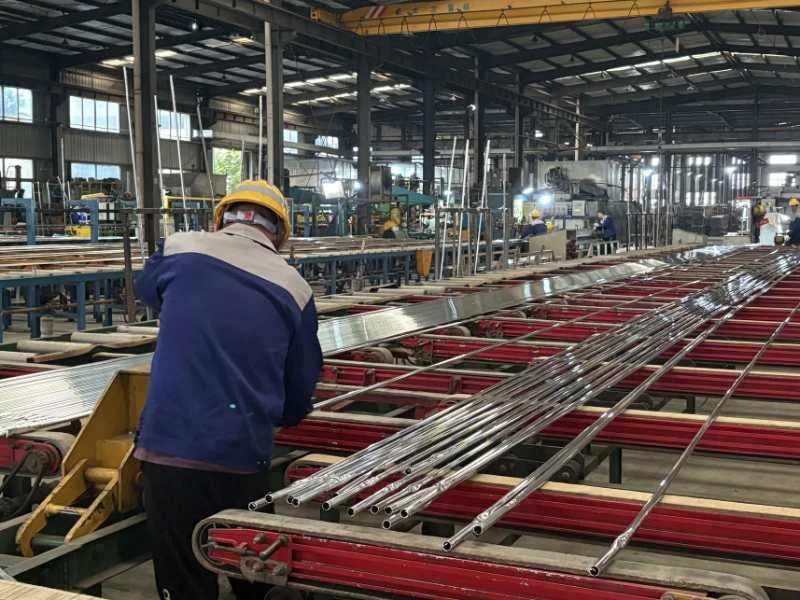
The Factory That Extrudes and Assembles Your Light Mast
- A 2,000-ton extrusion press and in-house CNC machining.
- Pull and fit checks before packing.
- Single programs from 120,000 to 1.6 million poles run through this plant.
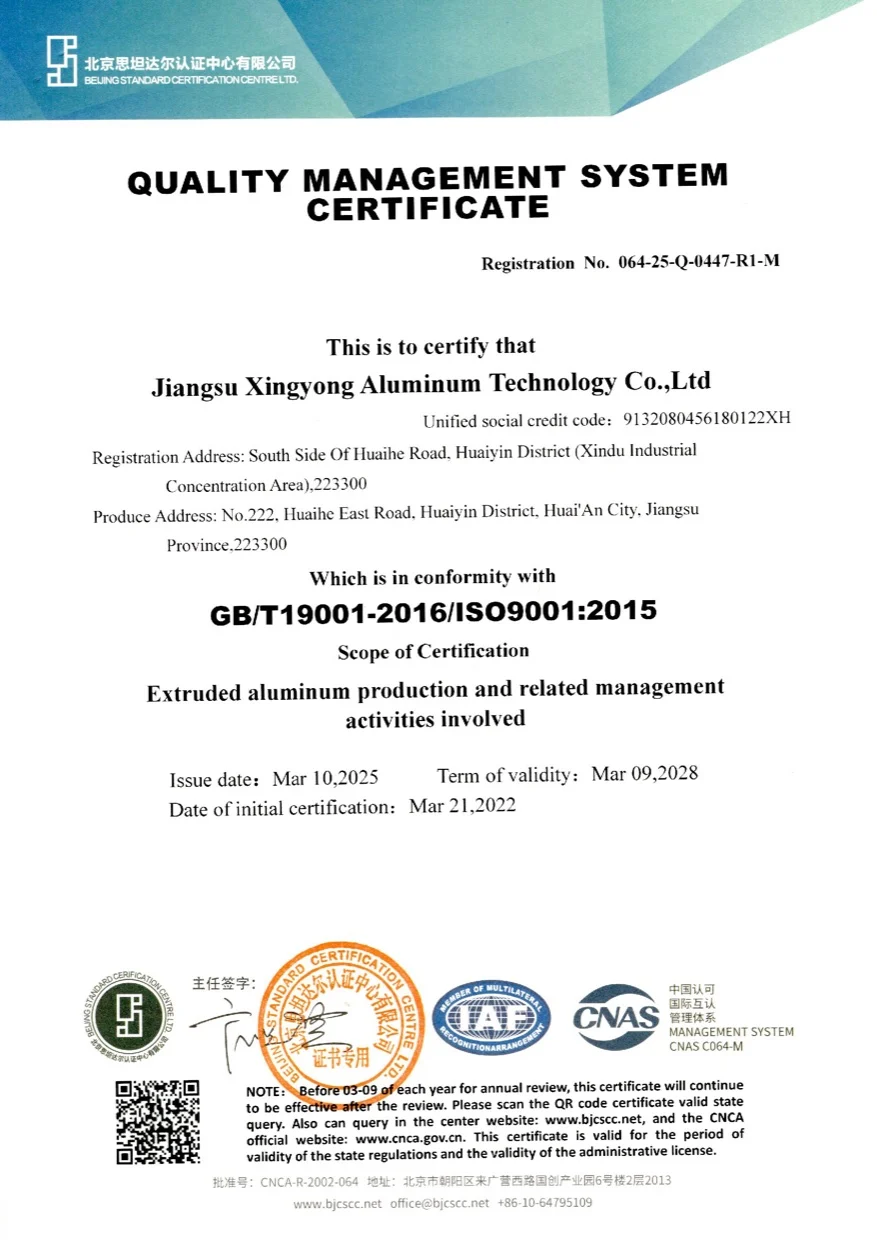
ISO 9001 — Send a Fixture Spec for a Free Sample Mast
- ISO 9001 / 14001 / 45001 / 50001.
- Batch traceability on tube and fittings.
- Audit reports and certificate copies ship with the quote pack for your compliance file.
Claims map to 6063/6061 masts from Jiangsu Xingyong (ISO 9001, since 2010); mounts confirmed against fixture drawings before tooling.
Case Studies From the Same Line as Your Light Masts
Equipment buyers qualify factories on shipped history, not brochures. The three programs below put tooling, sectional engineering and replenishment discipline on record.
Frequently Asked Questions
Six answers for the people who own a lighting or equipment line — brand managers, fleet outfitters and importers — not for buyers of one work light. The hardware boundary is stated plainly up front.
Do you supply complete light towers with fixtures?
No — we supply the mast hardware layer: sections, locks, mounts and cable paths. Fixtures, electrics and their certifications stay with your brand, which keeps your compliance file clean and your fixture sourcing free.
Heads on our current masts creep down mid-shift — what fixes that?
Lock class sized to the actual head weight and duty. We select twist, flip or push-button builds against your drawing and test them holding raised — the failure you describe is a lock specified for storage, not service.
Can masts drop into the truck brackets we already use?
Yes — send the bracket standard or a sample; base interfaces are machined to fit existing fleets so a mast upgrade never forces a bracket retrofit.
Is internal cable routing possible?
Where section diameters allow, yes — send cable OD and connector size and the answer comes back with the quote. External clip routing remains the fallback for the smallest sections.
What is the MOQ for a private-label mast line?
Set per configuration — one lock and mount tooling can serve several reach SKUs, which keeps minimums workable. Send volumes and target dates; the quote returns MOQ, sampling and production windows together.
How is an OEM telescoping light pole priced at volume?
By reach, section count, lock class, mount machining and order volume. Direct-from-factory pricing has no middle layer; send a fixture spec and target volumes for exact unit numbers.
Technical Guides for Light Mast Buyers
A mast spec locks lock class, mounts and reach months before the first pallet ships — and a head that nods on site is an expensive way to learn. These three reads settle the load, lock and market questions first.
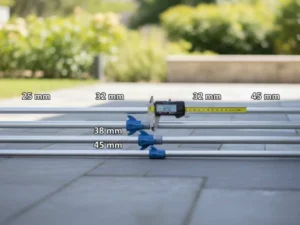
Telescopic Pole Load Capacity Guide
The load math — run your head weight through it before a wall thickness is chosen.
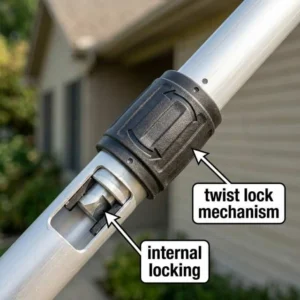
Telescoping Pole Lock Guide
Lock engineering in depth — why a raised mast holds height or creeps.
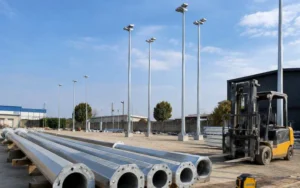
Where to Buy Aluminum Light Pole?
The fixed street-pole market explained — and where the telescoping line does a different job.
Start Your Telescoping Light Pole Program
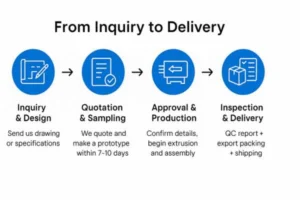
One email starts it: head weight, working height, mount standard, cable OD and volumes. The quote comes back within 24 hours — sections, lock class and MOQ answered together.
 English
  Español
  Français
  Deutsch
  Português