Alloy Grade
Alloy selection affects strength, finish options and material cost. Choose it against the required reach and load.
Alloy Guide →
Pricing for OEM & Wholesale Buyers
There is no single price for an aluminum telescopic pole: the specification, order plan and shipment route determine the quotation. Use this guide to prepare an RFQ that gives your team a comparable, decision-ready cost picture.
Product Overview
The lowest quoted unit price is not always the lowest cost to buy, import and resell a telescopic pole. The tube structure, lock, finish, packaging, production quantity and freight plan all change the final commercial picture.
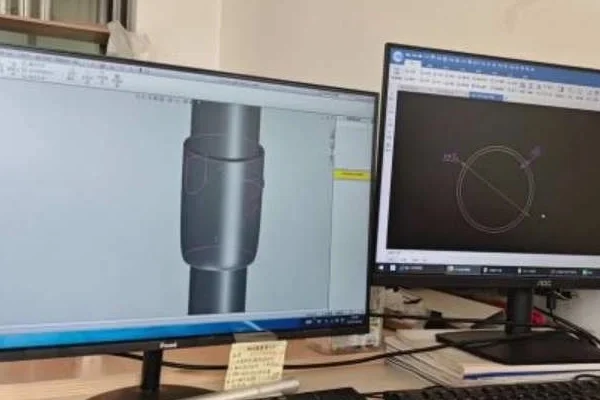
A useful RFQ defines the performance target first, then allows suppliers to price the same structure and order assumptions. This helps avoid false comparisons between poles that look similar but use different material, fit or packaging standards.
Why Us
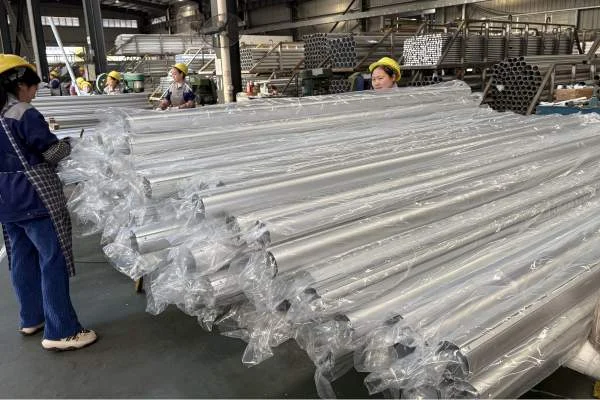
A responsible quote connects the pole’s functional requirements with the production and freight choices that influence landed cost. Xingyong reviews the approved specification before suggesting cost-saving changes.
Use production capacity, sample and MOQ policy and production lead time to develop the commercial plan.
Cost Drivers
Alloy selection affects strength, finish options and material cost. Choose it against the required reach and load.
Alloy Guide →More material generally raises weight and unit cost, while also changing stiffness and working feel.
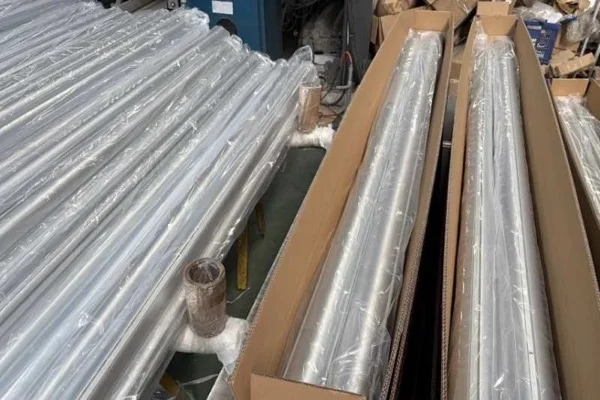
Working reach, collapsed length and number of sections influence material use, components and assembly time.
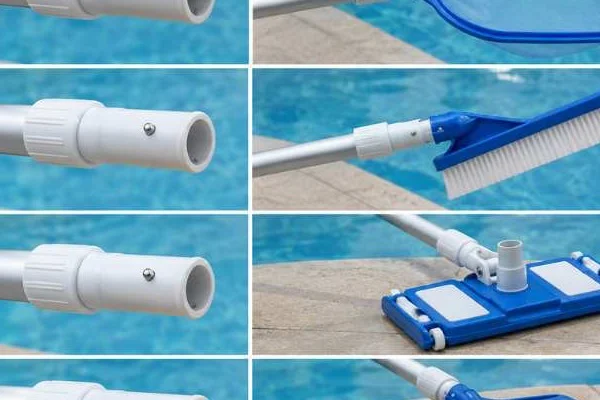
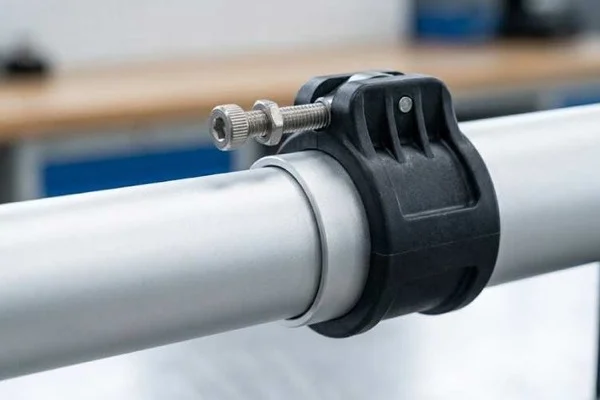
The lock type changes holding behavior, user experience and the matched parts needed in the assembly.
Compare Locks →Mill, anodized and powder-coated finishes have different appearance, corrosion and processing requirements.
Finish Options →Bulk export cartons and retail-ready packs create different material, labor and shipping profiles.
Packaging Service →Quantity per SKU and the forecast influence material planning, setup allocation and shipment efficiency.
A new profile, lock part or special component may need dedicated tooling before production begins.
Tooling Details →Quote Checklist
| Information to Share | What It Helps Define |
|---|---|
| Drawing, CAD, sample or target application | Product structure and manufacturing route |
| Diameter, wall thickness, length and sections | Material use, fit, rigidity and unit cost |
| Lock, connector and end fitting | Component selection and assembly requirement |
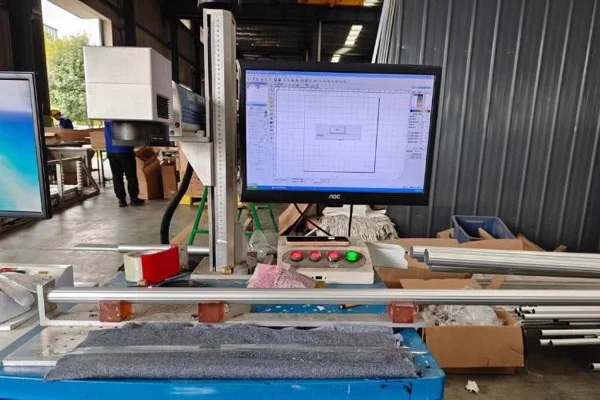
| Finish, color and branding | Surface treatment and presentation cost |
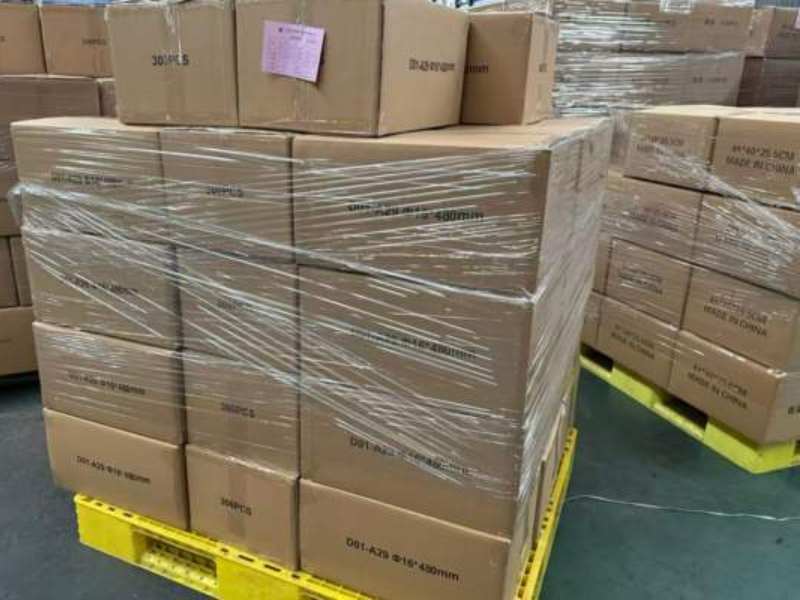
| Packaging specification | Bulk or retail-ready material and labor requirement |
| Quantity, SKU mix and destination | MOQ, production plan and freight discussion |
Cost depends on the approved alloy, dimensions, sections, lock, finish, packaging and order plan. A supplier can quote accurately only after those points are confirmed.
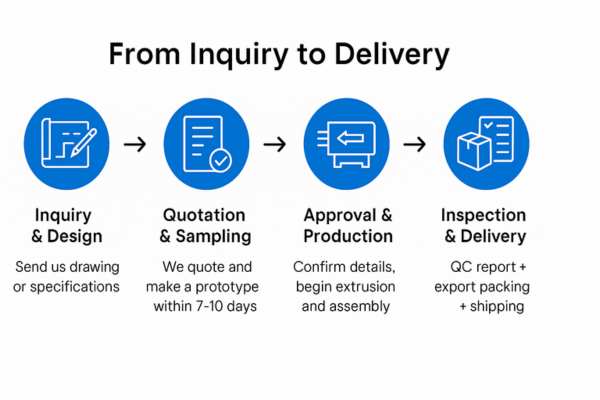
Send a drawing, sample or target specification, plus quantity, packaging requirement and destination. This lets us align the pole, production plan and commercial route.
Tooling may be required for a custom profile or component. It is identified separately during the specification review so the project cost is clear before production.
Match the specification to the real application, use an efficient packaging and order plan, and review collapsed length and shipment requirements early in the RFQ.
Yes. The quotation can include the approved pole structure, branding, packaging and related production requirements.
Related Products
Technical Support
Review the structural choices below before asking suppliers to price an aluminum telescopic pole program.
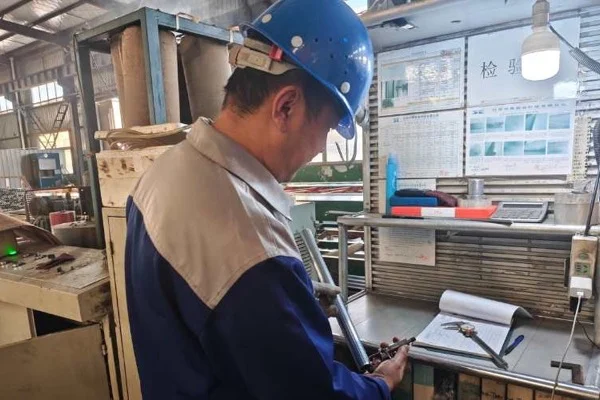
Share the product brief, quantity and destination. We will help identify the details needed for an accurate OEM quotation.
 English English
  Español
 Français
 Deutsch
 Português