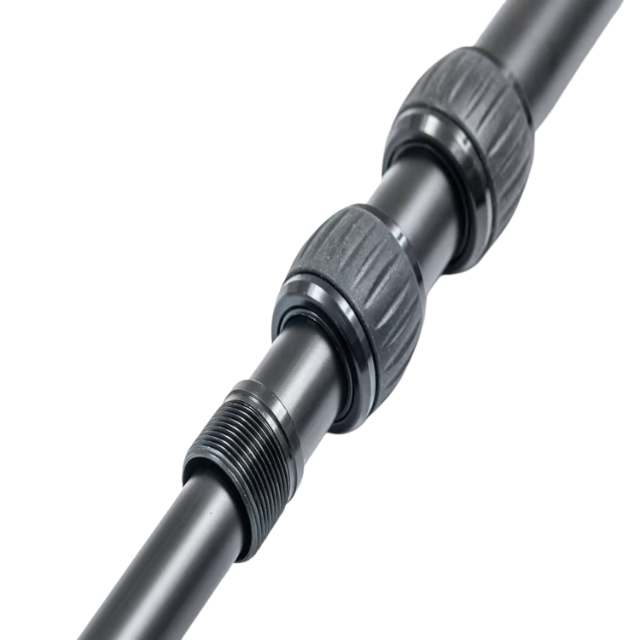
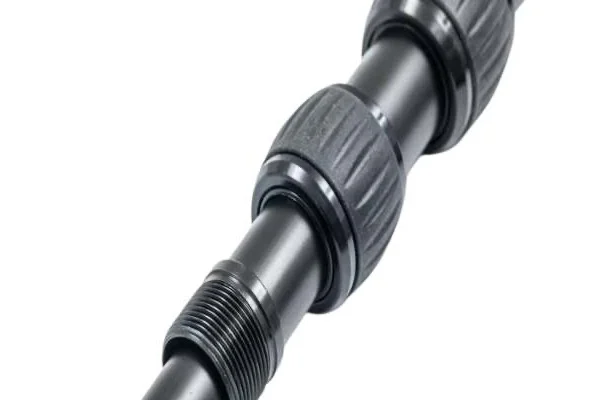
Twist Lock
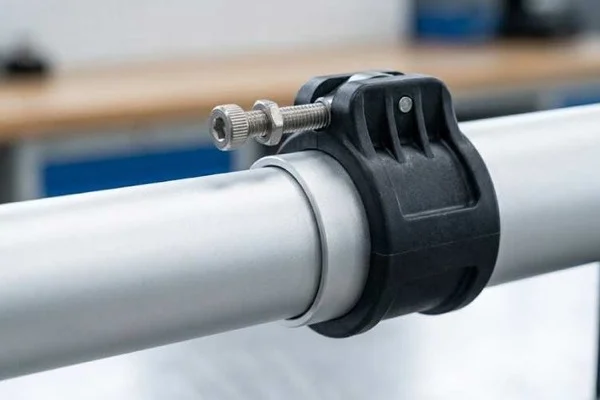
Rotational locking for a clean external profile and progressive length adjustment.
View Product →
Selection Aid · Lock Types
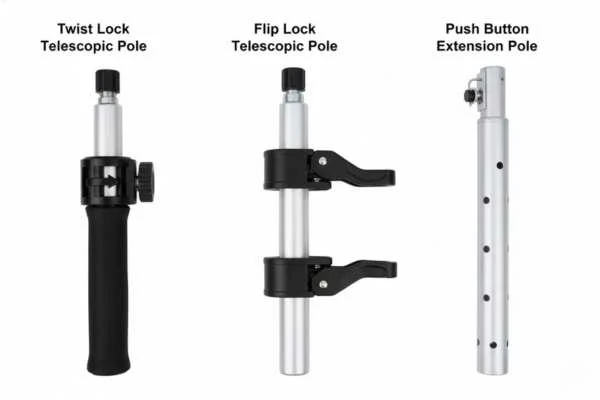
Twist, flip or button — the three locks side by side on the things a program actually gets judged on: holding force, one-hand speed, warranty returns and unit cost.
What this page is: an in-site selection aid across the three lock types. The mechanism explainer is the telescoping pole lock guide; the twist-lock structure and its tube pair are on the twist-lock tube page; the full pole program is the telescopic pole range.
This page is for sourcing locking telescoping poles — structures, lock options and OEM quotes. For how twist, flip and button mechanisms actually work, see the telescoping pole locking mechanisms guide; to compare the two main types head-to-head, the twist vs flip lock comparison settles it.
Product Overview
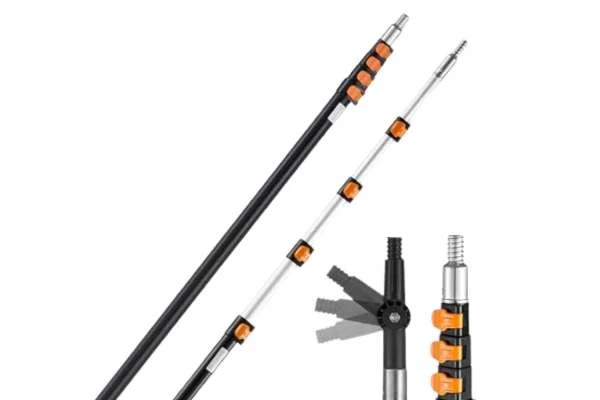
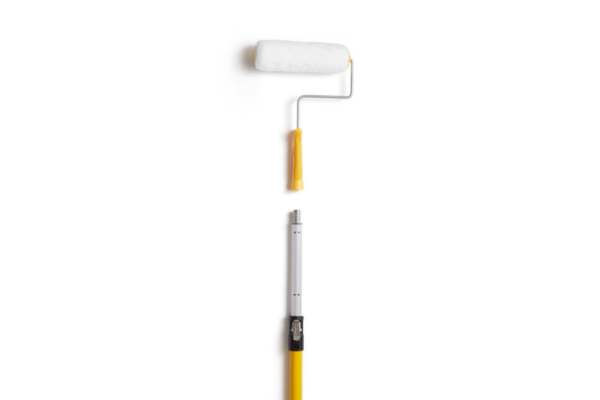
A locking telescoping pole must keep each section stable while allowing practical adjustment in the field. The tube, lock, grip and end interface must be specified as one system.
Xingyong develops aluminum locking poles around the intended tool head, working range, user handling and supply format.
Locking Structures
Select the lock route around the required adjustment method, operating environment and target user experience.
Rotational locking for a clean external profile and progressive length adjustment.
View Product →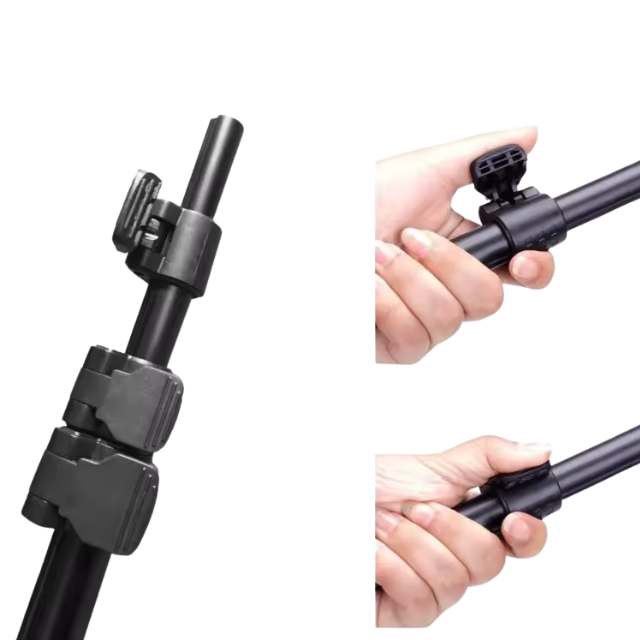
Lever-actuated section locking for rapid visual adjustment in repeated-use tasks.
View Product →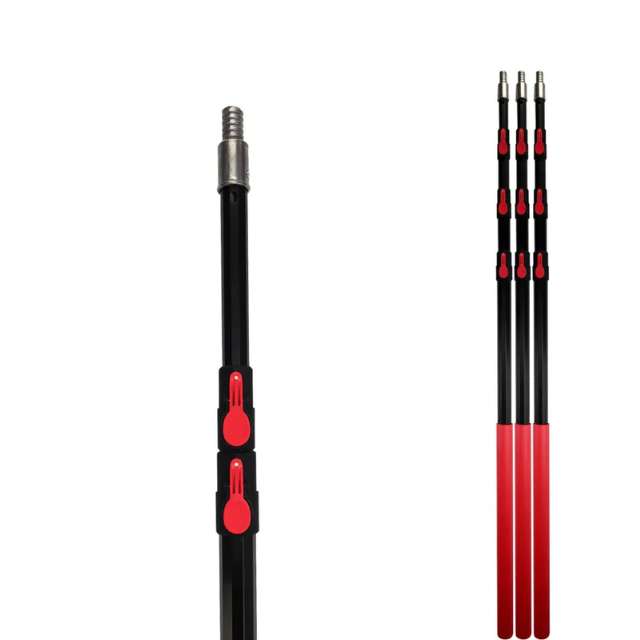
Positive-position locking for defined working lengths and repeatable setup.
View Product →Applications
Locking poles are selected where controlled length changes and stable tool alignment matter.

Continuous adjustment, nothing proud of the tube, lowest cost at volume. Loses when a wet or gloved hand has to work it fast.

Fastest one-handed operation and easy to judge visually. Costs more, and the cam is the part that takes a side impact.
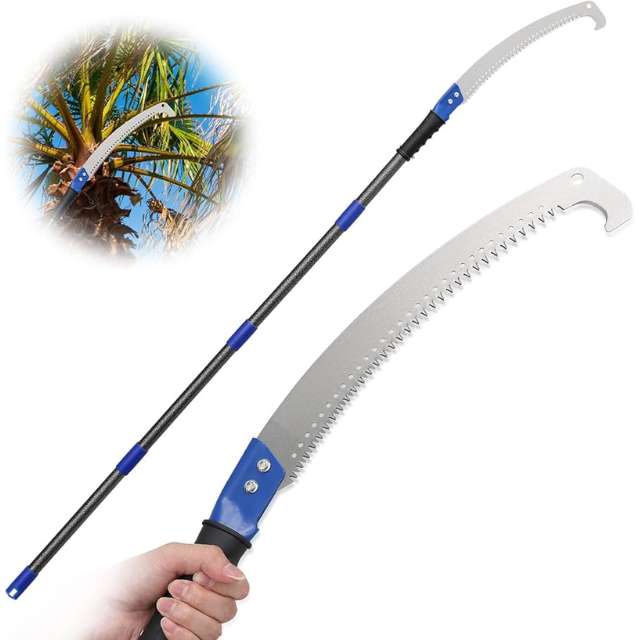
Cannot slip, because a hole holds it rather than friction. You only get the lengths the holes give you.
Why Us
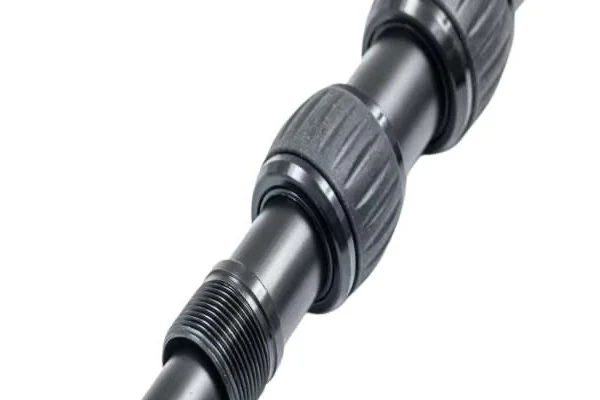
We develop the tube, section lock and connection detail around the target working condition rather than treating the lock as an isolated component.
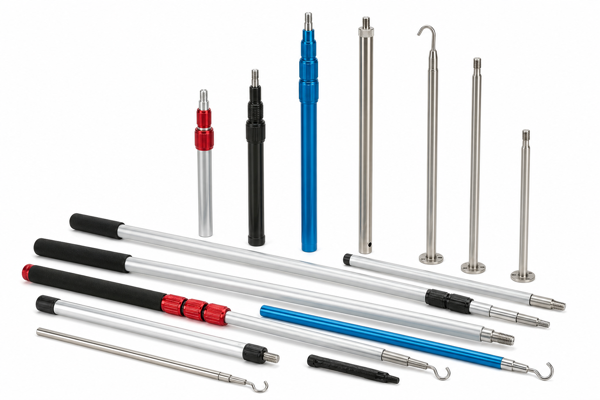
Explore twist lock poles and flip lock poles.
Lock Comparison
Compare the adjustment method, visibility and application fit before selecting the lock route for your OEM pole program.
| Selection Factor | Twist Lock | Flip Lock | Push Button Lock |
|---|---|---|---|
| Adjustment method | Rotate sections to lock or release | Open and close an external lever | Press button into defined position holes |
| Visual confirmation | Moderate; relies on correct tightening | High; lever position is easy to see | High; positive button engagement is clear |
| Best for | Clean-profile, adjustable reach tools | Frequent length changes and rapid setup | Defined working lengths and repeatable positioning |
| Recommended working style | Controlled extension with minimal external hardware | Fast field adjustment for cleaning and maintenance | Repeatable lengths for standard tool configurations |
| OEM considerations | Torque feel, thread design and tube tolerance | Lever material, clamp force and external profile | Hole spacing, button force and section indexing |
The choice depends on required adjustment, use environment, tool load and target user experience.
Yes. Send a sample or technical drawing so the interface can be reviewed.
Yes. OEM programs can include color, marking, packaging and accessory selection.
Related Products
Technical Support
Explore practical buying, specification and application guidance related to this product.
Send your target tool, reach, lock preference and packaging brief for an OEM quotation.
 English English
  Español
 Français
 Deutsch
 Português