01 · Concept & DFM Review
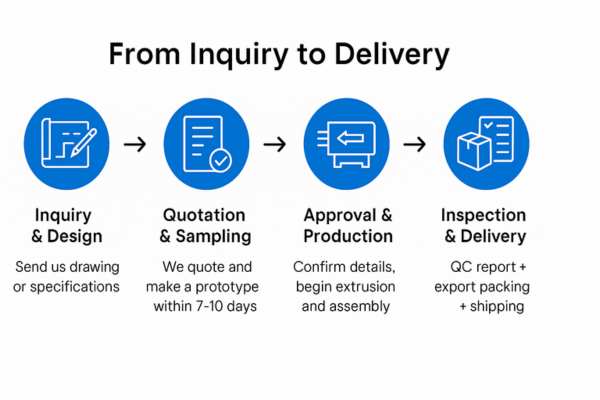
Send a STEP file, drawing, hand sketch or sample. Our team converts the requirement into a manufacturable structure and highlights fit, tolerance and assembly considerations.
OEM & Custom
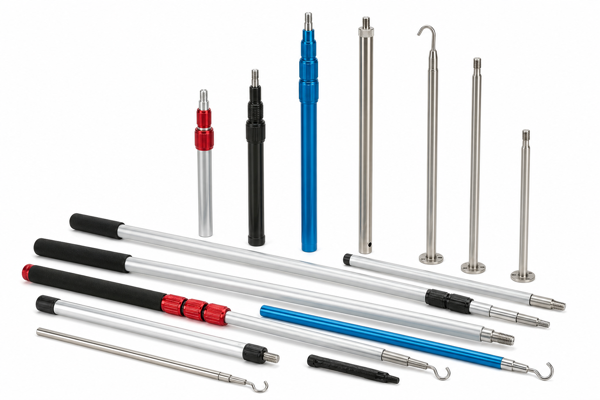
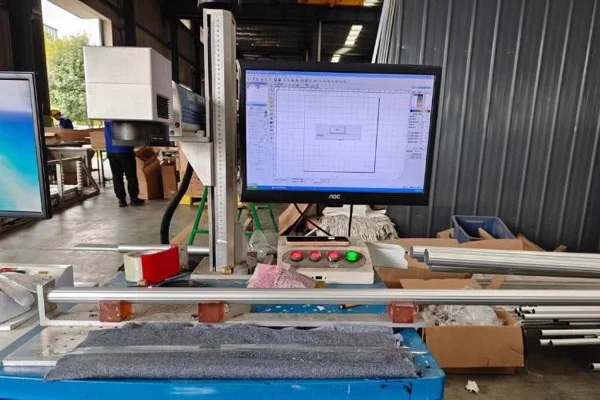
Xingyong develops custom extrusion dies, machining fixtures and assembly tooling for OEM aluminum telescopic pole programs—from concept sketch or CAD to repeat production.
Product Overview
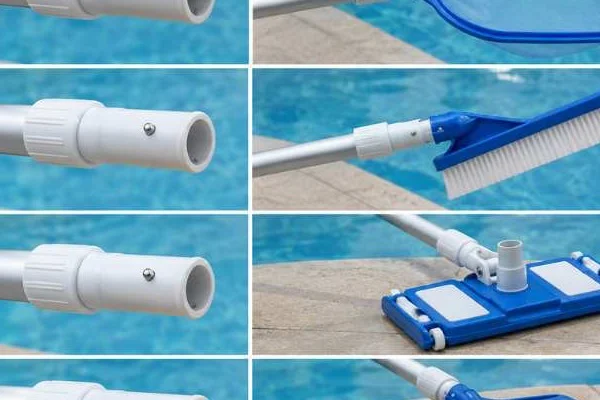
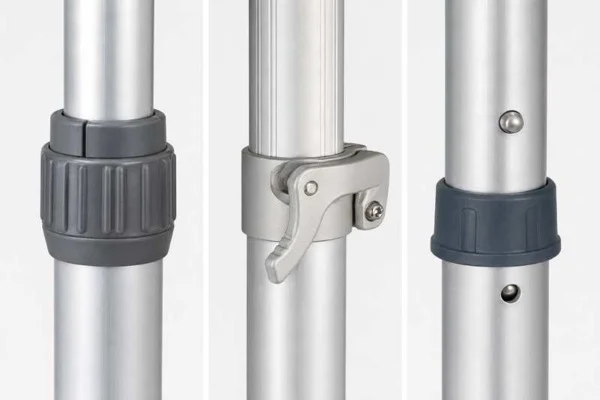
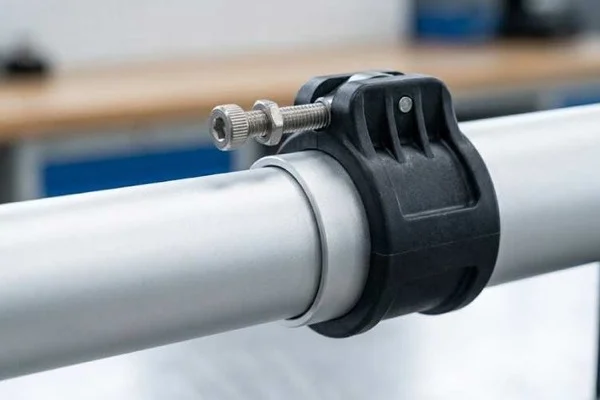
Custom tooling converts an approved pole concept into repeatable parts: aluminum tube profiles, lock components, connector interfaces and assembly fixtures. The goal is a pole that fits, locks and performs consistently across each production batch.
Share a CAD file, dimensioned drawing, physical sample or concept sketch. Our engineering team reviews manufacturability, confirms the critical interfaces and returns a practical tooling route before steel is cut.
Why Us
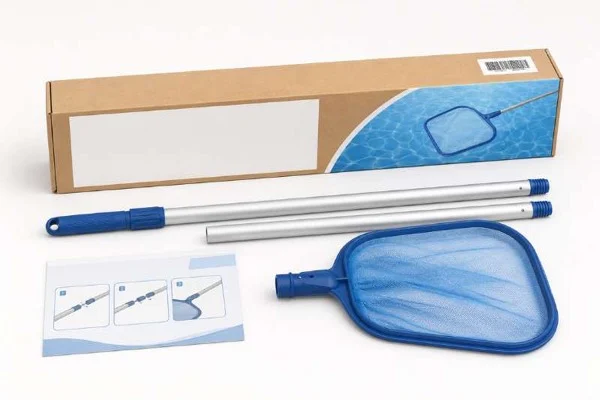
Custom tooling covers more than an extrusion die. Xingyong evaluates the parts that determine how a telescopic pole is made and how it behaves in use, so the system is ready for assembly, packaging and repeat orders.
The first engineering output is a DFM-checked drawing, a 3D model where required and a clear tooling quotation. Review the broader custom aluminum telescopic pole service for OEM program options.
Development Process
Send a STEP file, drawing, hand sketch or sample. Our team converts the requirement into a manufacturable structure and highlights fit, tolerance and assembly considerations.
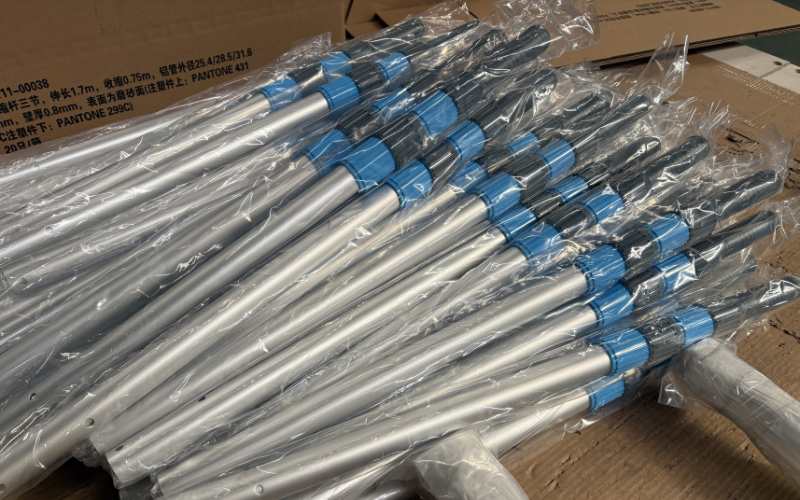
Where needed, prototype lock parts and tube samples confirm sliding feel, connector engagement and assembly before production tooling is finalized.
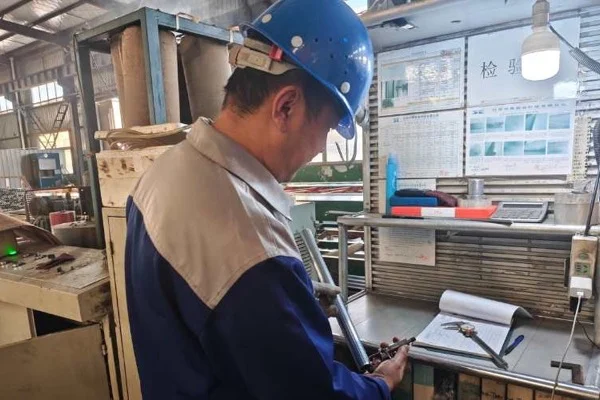
The die or injection mold is built and trialled. An approved trial batch confirms the finished pole before bulk production is released.
Ownership & Protection
Tooling cost is quoted before development begins and can be structured against agreed production volumes. Customer-specific tooling is retained for approved repeat orders.
Confidentiality comes first: drawings, samples, branding and packaging artwork are handled under the agreed NDA and are not shared or used for other programs.
Tooling ownership and release terms are documented in the OEM agreement. See OEM services for the related manufacturing workflow.
Timeline
| Stage | Typical Duration | Deliverable |
|---|---|---|
| DFM review | 3–5 days | Drawing review, DFM notes and tooling quotation |
| Prototype, if required | 5–7 days | Interface sample for fit and function review |
| Mold build and trial | 15–25 days | Trial batch for customer approval |
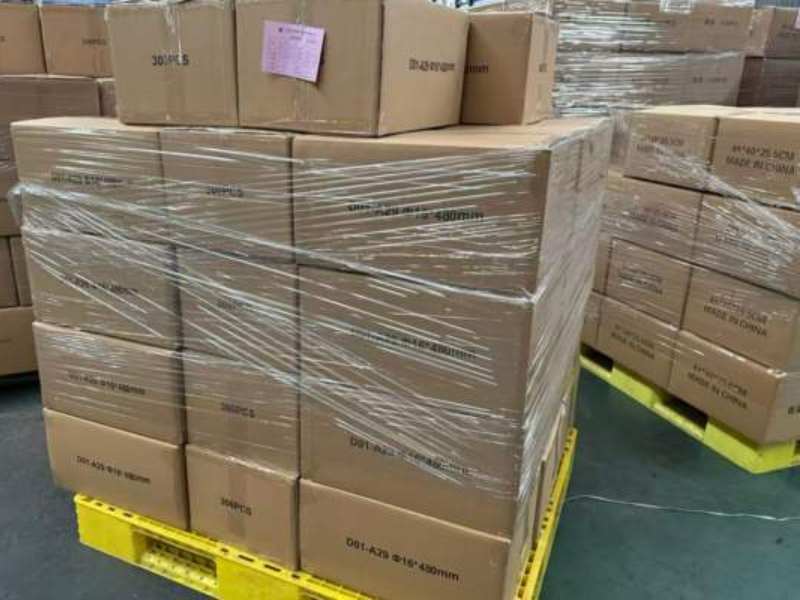
| First bulk production | 30–40 days | Approved order with agreed packaging |
| Repeat production | 20–30 days | Production using the retained approved tooling |
STEP, IGES, DWG, DXF, STL, OBJ, PDF drawings and physical samples are all useful. A hand sketch can also start the DFM discussion.
Cost depends on profile complexity, dimensions, material and the required molds or fixtures. We quote the tooling route after reviewing the specification.
No. Approved customer-specific tooling is managed for the agreed program and is not used for another customer’s product.
Prototype timing depends on the selected route. The production trial follows mold completion and is supplied for approval before bulk production.
Yes. We can work under a mutual NDA before drawings, samples and commercial details are shared.
Related Products
Technical Support
Use these practical guides to define the structure, locking behavior and working load before finalizing a custom specification.
Send CAD, a sample or a concept. We will review the structure and provide a practical development route for your OEM program.
 English English
  Español
 Français
 Deutsch
 Português