
Many procurement managers hesitate to replace steel with aluminum, fearing that “lightweight” equates to “fragile.” This misconception often leads to over-engineered, heavy products that inflate shipping costs and complicate assembly. If your structural components are failing due to corrosion or if the weight of steel is eating your logistics margins, you are likely using the wrong material philosophy.
For product planning, this guide should feed into standard aluminum extrusion capabilities rather than stay as a standalone reference. If the design is customized, use precision aluminum tube manufacturing and send the specification for a factory RFQ, with Aluminum Association material resources as a neutral source for the background assumptions.
At Xingyong, we have spent 20+ years refining the extrusion and heat-treatment processes that turn raw aluminum into a structural powerhouse. By aligning specific alloy chemistry with precision tempering, we provide a solution that matches the integrity of steel while offering the logistical advantages of a high-performance non-ferrous metal.
The Short Answer: Yes, Aluminum is a Structural Powerhouse
Aluminum is not just “strong enough” for structural use; it is often the superior choice for modern engineering when calculated by the strength-to-weight ratio. While a cubic inch of steel is stronger than a cubic inch of aluminum, aluminum is approximately one-third the weight. This allows engineers to increase the thickness of an aluminum profile’s walls to exceed the strength of a steel counterpart while still remaining significantly lighter.
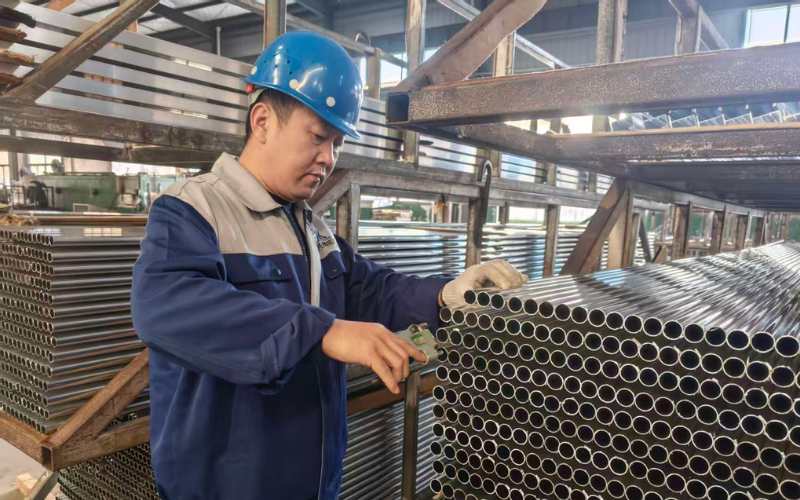
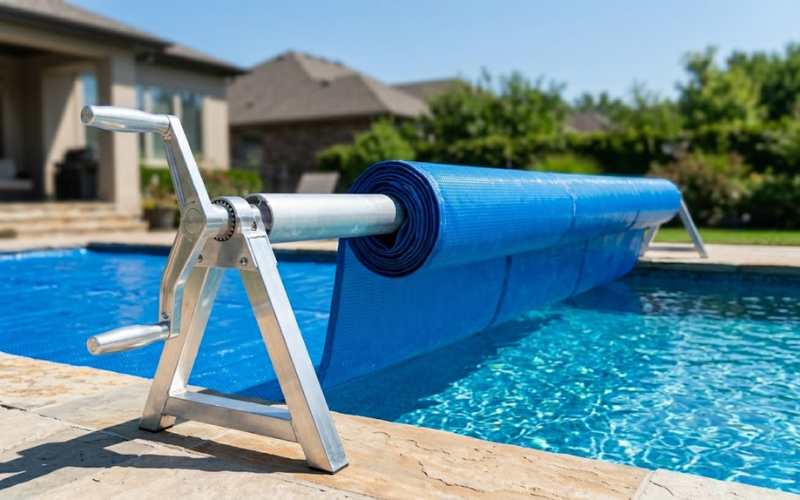
In the B2B world, “structural” typically refers to the ability of a material to withstand a specific load without permanent plastic deformation. For products like our high-end telescopic pool poles or pool cover reels, we utilize 6000-series alloys. When these alloys undergo T6 heat treatment, they achieve a yield strength that rivals many common structural steels, making them ideal for load-bearing frames and telescopic systems.
Strength Comparison: Aluminum 6061-T6 vs. A36 Structural Steel
| Property | 6061-T6 Aluminum | A36 Structural Steel |
|---|---|---|
| Density (g/cm³) | 2.70 | 7.85 |
| Yield Strength (MPa) | 240 – 275 | 250 |
| Tensile Strength (MPa) | 310 | 400 – 550 |
| Modulus of Elasticity (GPa) | 68.9 | 200 |
| Corrosion Resistance | Excellent (Self-Passivating) | Poor (Requires Coating) |
The Science of the Tempered Edge: How We Build Strength
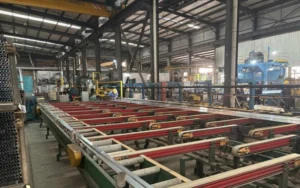
As an engineer at Xingyong since our factory opened in 2010, I have seen firsthand that structural integrity isn’t just about the metal—it’s about the process. When we feed an aluminum billet into one of our 14 extrusion machines (ranging from 350T to 2000T), we aren’t just changing its shape; we are manipulating its internal grain structure.
The Role of Extrusion Pressure
Higher tonnage machines, like our 2000T heavy-duty press, allow us to extrude larger, more complex cross-sections with tighter molecular density. This is crucial for structural beams. According to research on aluminum extrusion microstructures, consistent pressure directly correlates to fatigue resistance. If the pressure isn’t consistent, you get “soft spots” in the profile that lead to buckling under stress.
T5 vs. T6: The Structural Milestone
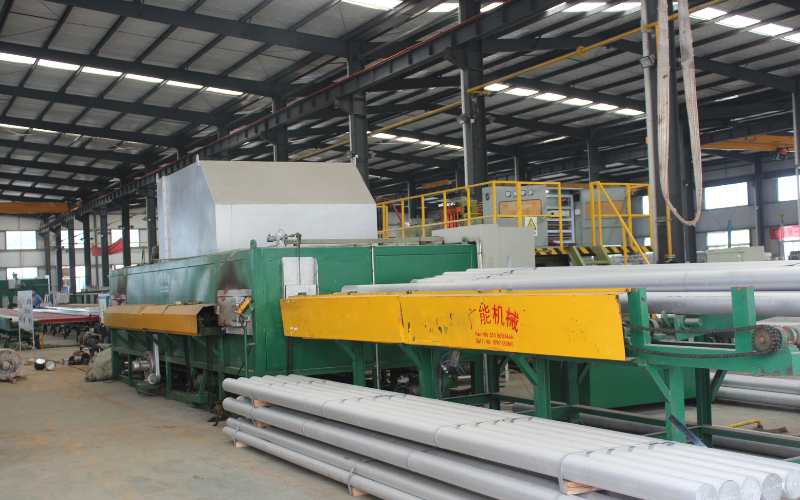
Most off-the-shelf aluminum is T5 (air-cooled). For structural applications, T6 is non-negotiable. In our oxidation and heat-treatment workshop, we use water quenching followed by artificial aging. This process precipitates the alloying elements (Magnesium and Silicon) within the aluminum matrix, effectively “locking” the structure in place.
Pro Tip from the Workshop: I often see clients try to save 5% on costs by opting for T5. Don’t do it. A T6 temper increases the yield strength by nearly 40%, which is the difference between a pool cover reel that lasts 10 years and one that sags in six months.
Beyond Raw Strength: The “Total Package” Advantage
For a brand manager or a buyer for Walmart or Home Depot, “structural” also implies durability in the consumer’s environment. This is where aluminum’s Young’s Modulus and chemical properties provide a competitive edge.
- Self-Healing Properties: Unlike steel, which requires paint or galvanization that can chip and lead to structural rot, aluminum forms a natural aluminum oxide layer.
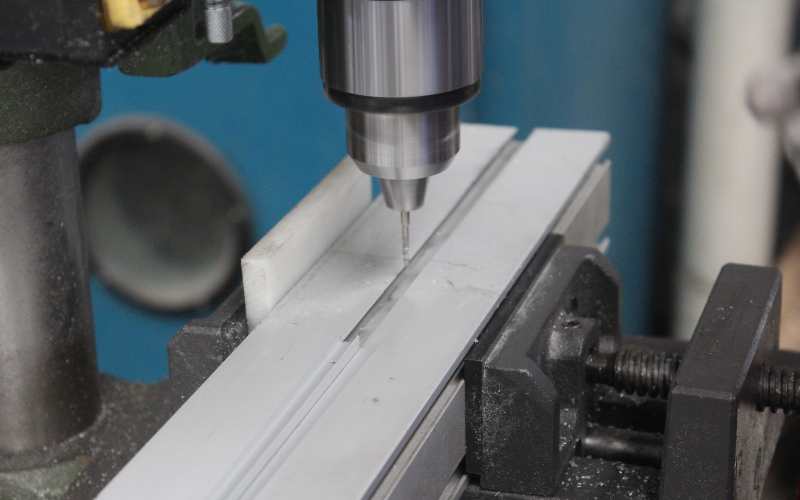
- Precision Machining: Structural aluminum is “cleaner” to work with. Our CNC workshop handles drilling, milling, and laser marking with tolerances as tight as ±0.01mm. This ensures that load-bearing joints fit perfectly, reducing the mechanical play that often causes structural failure.
- Environmental Resilience: For our pool-side products, resistance to chlorine and UV is vital. Our two automated oxidation lines allow us to apply 15-25 micron anodic films that protect the structural core from chemical embrittlement.
Verified Quality: Why Data Matters in Sourcing
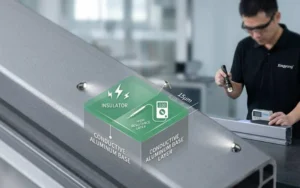
In B2B trade, trust is built on verification. You cannot “guess” structural integrity. Our quality control center utilizes the Oxford Spectrometer to ensure every batch of raw ingot meets the chemical requirements of IATF 16949:2016 and ISO 9001:2015.
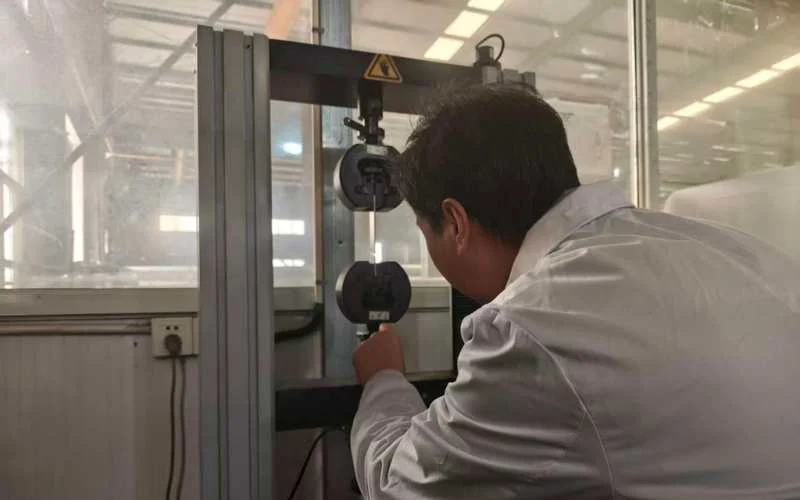
We perform real-world stress tests using Tensile Testing Machines and Webster Hardness Testers on every production run. If you are sourcing for a major retailer, these reports are your shield against liability. Following ASTM B221 standards, we provide full traceability from the raw billet to the final customized extrusion.

The Distributor’s Profit Logic: Why Lighter is Wealthier
If you are a supply chain manager, you know that “strength” must also be profitable. According to recent global logistics trends, weight reduction is the #1 lever for lowering carbon taxes and freight costs. Switching to structural aluminum offers a “reduced-dimension strike” on your competition’s margins:
- Shipping Economics: You can fit more units in a 40HQ container without hitting the weight limit. For long-distance sea freight, this can reduce landed costs by 15-20%.
- Labor Savings: Structural aluminum systems are often modular. Because the material is easy to CNC machine, we can create “snap-lock” or “T-slot” designs that eliminate the need for expensive on-site welding.
- Sustainability Premiums: With our ISO 14001 and ISO 50001 certifications, your products meet the “Green Procurement” requirements now demanded by European and North American retailers as part of their ESG initiatives.
Technical Specifications Table for Structural Alloys
| Alloy Grade | Typical Temper | Best Use Case | Yield Strength (psi) | Hardness (HW) |
|---|---|---|---|---|
| 6061 | T6 | Heavy-duty frames, high-load reels | 35,000 – 40,000 | 15+ |
| 6063 | T5/T6 | Architectural, aesthetic poles | 21,000 – 31,000 | 10-12 |
| 6005A | T6 | High-impact industrial profiles | 35,000+ | 14+ |
| 7075 | T6 | Aerospace-grade (Extreme strength) | 73,000 | 18+ |
Strategic Material Selection: The Engineering Verdict
Aluminum is more than strong enough for structural use—provided you partner with a manufacturer that understands the intersection of metallurgy and mechanical design. At Xingyong, we don’t just extrude metal; we engineer reliability. Whether you are designing a new telescopic system for a commercial car wash or a heavy-duty pool cover reel for the Australian sun, the strength is in the details of the temper and the precision of the die.
Secure Your Structural Supply Chain
Are you ready to optimize your product line for better strength-to-weight performance? Our engineering team is available to review your drawings and provide a feasibility analysis for your next structural aluminum project. With a monthly capacity of 3,000 tons and full BSCI and IATF 16949 compliance, we are built to support global brands.
Contact our Engineering Department today to request a material hardness report or a custom extrusion quote.
Related products: Explore related products and review matching solutions.

 English
  Español
  Français
  Deutsch
  Português