Do It Yourself Pool Cover Reel: DIY vs Aluminum OEM

Do It Yourself Pool Cover Reel: DIY vs Aluminum OEM

Pool Cover Reel May 8, 2026

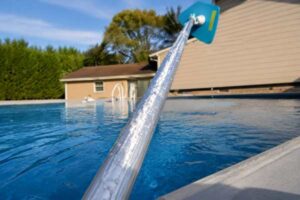
Pulling a wet pool cover by hand gets old fast. It drags across the deck, collects dirt, and can tear at the edges before the season ends. A do it yourself pool cover reel looks like a smart fix because the structure seems simple: one tube, two stands, several straps, and a crank. But weak DIY reels often bend, wobble, or fail when the cover is wet. This guide shows how a DIY pool cover reel works, where homemade designs fail, and why Xingyong aluminum pool cover reels are a stronger choice for OEM buyers, distributors, and pool product brands.

What Is a Do It Yourself Pool Cover Reel?

A do it yourself pool cover reel is a homemade roller system used to roll up a lightweight solar pool cover. It usually includes a roller tube, two support stands, cover straps, and a crank handle. PVC pipe works for small pools, but aluminum tubing is stronger for wider covers and daily use.

The reel turns a wet, flat pool cover into a neat roll. This makes the cover easier to remove, store, and place back on the pool.

Most DIY pool cover reels use simple materials:

  • PVC pipe
  • Aluminum tube
  • Wood supports
  • Metal conduit
  • Straps or clips
  • Screws and fittings
  • A hand crank or wheel handle

A DIY reel can work for a small backyard pool. It is not the same as a rated safety cover system. This article focuses on reels for solar pool covers, bubble covers, and light pool blankets.

How a DIY Pool Cover Reel Works

A pool cover reel works by spreading the pulling force across several straps. The straps connect the cover to the roller tube. When you turn the crank, the tube rotates and winds the cover into a roll.

The basic structure has four jobs:

  • The roller tube carries the cover weight.
  • The stands hold the tube above the pool edge.
  • The straps pull the cover evenly.
  • The crank gives the user enough turning force.

This sounds simple. But the reel must handle wet weight, bending force, outdoor exposure, and repeated twisting.

That is where many DIY designs fail. A pool cover reel is not only a storage tool. It is a load-bearing product.

Why Build a DIY Pool Cover Reel?

Many pool owners build a DIY pool cover reel because they want a cheaper and faster way to handle the cover.

A homemade reel can help you:

  • Remove the pool cover faster.
  • Keep the cover off the ground.
  • Reduce folding damage.
  • Avoid dragging the cover across concrete or grass.
  • Make daily pool use easier.
  • Test a simple reel design before buying a stronger one.

Pool covers also have a real operating-cost benefit. The U.S. Department of Energy says using a pool cover when the pool is not in use can reduce pool heating costs by 50%–70%. Source: U.S. Department of Energy

The U.S. EPA also notes that pool covers can reduce evaporation and help retain heat. Source: U.S. EPA WaterSense

But here is the practical point: a cover only saves water and energy if people use it often. A hard-to-use reel makes the cover less likely to be used every day.

For homeowners, that means wasted effort. For pool product brands, it means poor reviews, returns, and customer complaints.

Materials and Tools Needed for a DIY Pool Cover Reel

A basic homemade pool cover reel does not need complex tools. Most DIY versions use common materials from hardware stores.

Basic Materials

PartCommon DIY OptionBetter Long-Term Option
Roller tubePVC pipe or conduitAluminum tube
End standsWood frame or metal frameAluminum or coated steel stand
Crank handlePVC elbow or metal handleReinforced crank or wheel handle
Cover strapsNylon strapsUV-resistant strap kit
FastenersScrews and boltsStainless or corrosion-resistant hardware
BaseWood feet or DIY bracketsStable feet or wheel kit

Basic Tools

You may need:

  • Tape measure
  • Saw
  • Drill
  • Screwdriver
  • Wrench
  • Marker
  • Level
  • Sandpaper or deburring tool
  • Safety gloves

The most important part is not the tool list. It is the roller tube choice.

A weak tube can ruin the whole project.

Step-by-Step DIY Pool Cover Reel Build

This section gives the basic DIY process. It is suitable for light solar covers, not heavy safety covers.

Step 1: Measure the Pool Cover Width

Measure the actual cover width, not only the pool width. The reel tube must support the cover across the rolling span.

Check these points before cutting material:

  • Pool width
  • Cover width
  • Space beside the pool
  • Stand position
  • Handle side
  • Cover roll diameter after winding

Add extra clearance for the crank and rolled cover. If the tube is too short, the cover edge may wrinkle or slide.

Step 2: Choose the Roller Tube

The roller tube decides whether the reel feels strong or cheap.

PVC pipe is common in DIY projects because it is easy to cut and cheap. It may work for small covers. But PVC can bend when the pool gets wider or the cover becomes wet.

Aluminum tube is a better choice when:

  • The pool is wider.
  • The cover is used daily.
  • The reel must look clean.
  • The cover is heavier.
  • You want less bending.
  • The reel may become a product for resale.

For commercial pool cover reels, aluminum is usually the smarter material because it gives better strength-to-weight performance than PVC.

Step 3: Build Two Stable End Stands

The stands must hold the roller tube high enough for the cover to clear the pool edge.

A weak stand causes three problems:

  • The reel shakes during rolling.
  • The cover pulls to one side.
  • The tube slips or twists at the end.

For DIY use, wood stands may work for a short time. But wet outdoor conditions can loosen screws and weaken the frame.

For a stronger design, use a wider base, stable metal brackets, or an aluminum structure.

Step 4: Add the Crank Handle

The crank handle must turn the tube without twisting the connection point.

A short handle makes the reel hard to turn. A weak handle joint can crack or loosen after repeated use.

For a better crank design:

  • Keep the handle long enough for easy turning.
  • Reinforce the connection point.
  • Avoid weak plastic fittings.
  • Use a removable handle if the reel needs winter storage.
  • Keep the handle smooth and safe to grip.

In OEM pool cover reel manufacturing, the crank area deserves special attention because it receives repeated torque.

Step 5: Attach the Pool Cover With Straps

Straps connect the cover to the roller tube. Poor strap spacing causes uneven rolling.

Use several straps across the cover width. Keep the spacing even. Do not pull thin bubble covers too hard because the edge can tear.

Better strap design should include:

  • Even spacing
  • Secure cover clips
  • UV-resistant strap material
  • Smooth contact points
  • Clear installation instructions

For retail pool cover reels, missing or weak strap kits often create after-sales problems. This is why OEM buyers should not treat straps as small accessories.

Step 6: Test the Reel Slowly

Do not roll the cover fast on the first test.

Watch for:

  • Tube bending
  • Stand movement
  • Uneven winding
  • Loose straps
  • Crank twisting
  • Cover edge stress
  • Scratching near the pool edge

If the cover rolls to one side, adjust strap length. If the tube bends in the middle, the tube diameter or wall thickness is not enough.

This is the point where many DIY users realize why commercial aluminum pool cover reels exist.

Common DIY Pool Cover Reel Problems

DIY pool cover reel projects usually fail in predictable ways.

The most common problems include:

  • The roller tube bends under wet cover weight.
  • The crank handle twists or loosens.
  • PVC fittings crack after sun exposure.
  • Wood stands swell or split outdoors.
  • Straps pull unevenly and tear the cover.
  • Screws rust or scratch the pool cover.
  • The reel becomes too hard for one person to use.

The core issue is load control. A pool cover reel is simple in shape, but it must manage force across a long span.

For one small pool, a do it yourself pool cover reel may be acceptable. For product resale, it is too risky.

PVC vs Aluminum Pool Cover Reel

PVC is better for cheap, short-term DIY projects. Aluminum is better for stronger, cleaner, and longer-lasting pool cover reels.

PVC vs Aluminum Pool Cover Reel Comparison

FeaturePVC Pool Cover ReelAluminum Pool Cover Reel
CostLowerHigher upfront, better long-term value
StrengthLow to mediumMedium to high
Bending resistanceWeak on wider spansBetter when tube size is correct
WeightLightLight
Outdoor durabilityMediumHigh with proper finish
AppearanceBasic DIY lookCleaner retail appearance
Assembly qualityDepends on userFactory-controlled
OEM suitabilityPoorStrong
Best useSmall home poolDistributors, brands, importers, retailers

PVC has one clear advantage: it is easy to buy. But easy does not always mean reliable.

Aluminum gives buyers a better product path. It supports tube strength, clean finishing, branded packaging, and consistent batch production.

For B2B buyers, the question is not “Can PVC work?” The better question is “Will this reel still satisfy customers after one season?”

Why Aluminum Is Better for Commercial Pool Cover Reels

Aluminum works well for pool cover reels because it offers a useful balance of strength, weight, corrosion resistance, and appearance.

A commercial pool cover reel must do more than roll a cover. It must:

  • Survive outdoor storage.
  • Keep the tube straight.
  • Handle repeated cranking.
  • Resist surface damage.
  • Look good in product photos.
  • Ship without bending.
  • Assemble easily for the end user.
  • Support private-label branding.

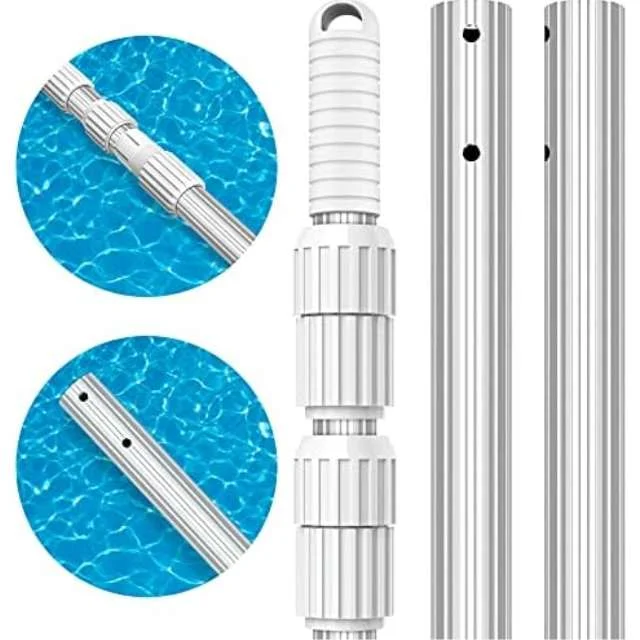
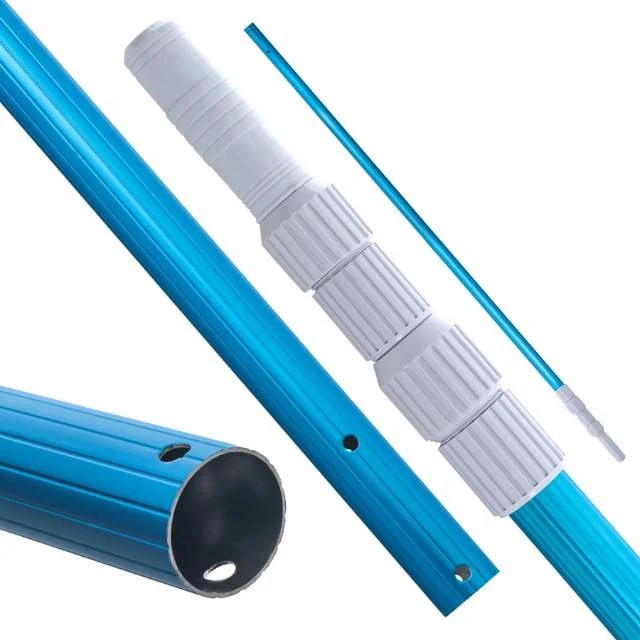
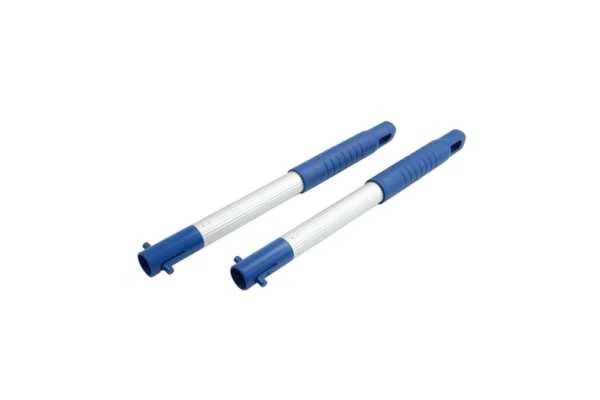
Aluminum also gives manufacturers more design control. Tube diameter, wall thickness, surface finish, hole position, and end processing can be specified for different markets.

That is why aluminum pool cover reel OEM manufacturing is a stronger route for distributors and pool product brands.

Why Pool Product Brands Move From DIY-Style Reels to Xingyong Aluminum Reels

Many low-cost reels look acceptable in photos. The problems appear later.

In pool cover reel sourcing, common complaints often come from bent roller tubes, loose handles, missing strap kits, poor instructions, weak cartons, or surface finish inconsistency.

These issues hurt the buyer, not only the end user.

A distributor may face returns. An online seller may get negative reviews. A retail supplier may lose repeat orders. A pool accessory brand may damage its reputation with one weak seasonal product.

Xingyong’s value is not only that it can make aluminum parts. Its value is the full process:

  • Aluminum extrusion
  • Surface treatment
  • CNC processing
  • Assembly support
  • Inspection
  • Packing
  • OEM customization

This gives buyers more control from tube design to shipment.

Xingyong Manufacturing Advantage 1: Controlled Aluminum Extrusion

The roller tube is the heart of every pool cover reel. If the tube is weak, the product feels weak.

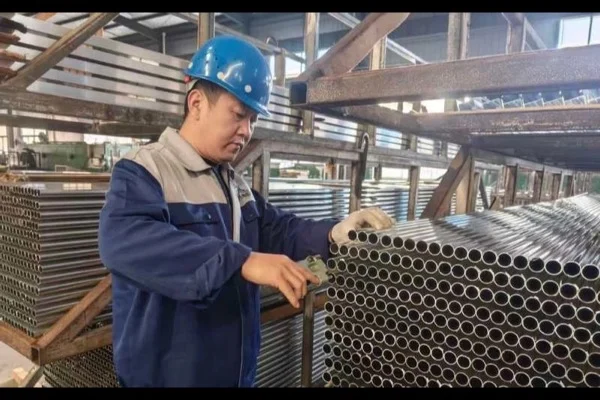
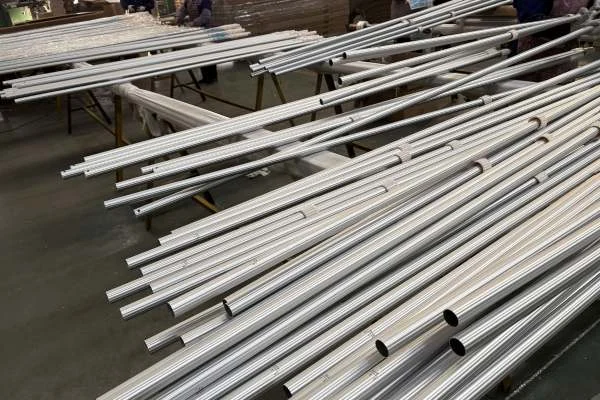
Xingyong was founded in 2002 and operates 14 advanced forward and reverse aluminum extrusion presses. The extrusion workshop includes 350T, 500T, 600T, 800T, 1400T, and 2000T equipment. This supports different aluminum profile sections and production needs. :contentReference[oaicite:0]{index=0}

For pool cover reels, this helps buyers control:

  • Tube diameter
  • Wall thickness
  • Profile structure
  • Tube length
  • Batch consistency
  • Custom aluminum sections
  • OEM design changes

This matters because many pool cover reel failures start with the wrong tube.

A thin or undersized tube may reduce cost, but it increases bending risk. A better aluminum tube gives the reel a more stable feel and longer service life.

Xingyong Manufacturing Advantage 2: Surface Treatment for Outdoor Pool Use

Pool cover reels face water, sunlight, humidity, and pool chemicals. The surface finish must protect both appearance and usability.

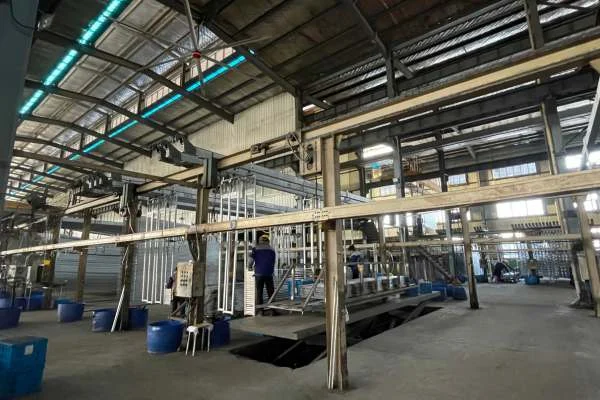
Xingyong has an oxidation workshop with 2 large automatic production lines. The factory can produce aluminum profiles in different colors. It also has long-material and short-material sandblasting equipment. :contentReference[oaicite:1]{index=1}

For aluminum pool cover reels, surface treatment can improve:

  • Outdoor appearance
  • Color consistency
  • Touch feel
  • Corrosion resistance
  • Product photo quality
  • Retail shelf value
  • Brand identity

A do it yourself pool cover reel may only need to function. A retail-ready aluminum pool cover reel must function and look reliable.

For online sellers, finish quality affects product images. For distributors, it affects buyer confidence. For retail chains, it affects presentation and repeat orders.

Xingyong Manufacturing Advantage 3: CNC Processing and Assembly Accuracy

Pool cover reel quality depends on small details. Holes must line up. Tube ends must be clean. Handles must fit correctly. Strap points must be positioned well.

If these details are wrong, the end user struggles during assembly.

Xingyong’s processing workshop includes CNC equipment, saws, punching machines, milling machines, planers, lathes, brushing machines, bending machines, polishing machines, shrinking machines, expanding machines, laser marking machines, and carton packing equipment. :contentReference[oaicite:2]{index=2}

This supports:

  • Accurate tube cutting
  • Consistent hole drilling
  • Bracket processing
  • Handle fitting
  • Tube end shaping
  • Smooth edge finishing
  • Logo laser marking
  • Hardware preparation
  • Export carton packing

For buyers, CNC-supported processing means fewer assembly issues. That reduces customer service pressure and improves the user experience.

A strong reel should not make customers drill, force, bend, or guess during installation.

Xingyong Manufacturing Advantage 4: Testing Center and Batch Quality Control

A good sample is not enough for B2B sourcing. Buyers need stable production quality.

Xingyong has a testing center with Oxford spectrometer, profile imaging equipment, microscopes, tensile testing equipment, chemical instruments, straightening tools, universal angle gauges, depth gauges, Barcol hardness testers, Webster hardness testers, Rockwell hardness testers, and film thickness testers. :contentReference[oaicite:3]{index=3}

These tools help check:

  • Aluminum material quality
  • Profile section accuracy
  • Hardness
  • Surface film thickness
  • Dimensional quality
  • Processing consistency
  • Batch stability

This is important for pool cover reel buyers because long aluminum parts can create hidden quality risks.

A tube may look fine in a photo but still have poor thickness, weak finish, or inconsistent dimensions. Inspection helps reduce these risks before shipment.

Xingyong Manufacturing Advantage 5: Certifications and Export Capacity

Large buyers do not choose suppliers only by price. They also check factory systems.

Xingyong has Social Audits, BSCI, Energy Management System, ISO 9001:2015, ISO 45001:2018, ISO 14001:2015, ISO 50001:2018, and IATF 16949:2016. The factory has a monthly production capacity of about 3000 tons. :contentReference[oaicite:4]{index=4}

These strengths help B2B buyers with:

  • Factory screening
  • Quality system review
  • Large-order planning
  • Environmental management requirements
  • Worker safety expectations
  • Long-term supply stability
  • Retail or chain-store supplier checks

For pool product importers, stable capacity matters during seasonal demand. Pool products often peak before summer. A supplier with weak production planning can miss the selling window.

Xingyong’s aluminum manufacturing base gives buyers more confidence for repeat orders and OEM programs.

Common Sourcing Risks in Pool Cover Reel Manufacturing

A low price can hide expensive problems. Buyers should check the full product, not only the tube.

Pool Cover Reel Sourcing Risks and How Xingyong Reduces Them

Sourcing RiskWhat Can Go WrongXingyong Manufacturing Advantage
Undersized roller tubeTube bends under wet cover loadControlled aluminum extrusion and custom tube options
Thin wall materialReel feels weak and unstableWall thickness can be designed by pool width
Poor surface finishScratches, color difference, weak appearanceOxidation lines and sandblasting support
Inaccurate holesDifficult assembly and loose partsCNC and punching equipment
Weak handle connectionCrank twists during rollingBetter machining and fitting control
Poor strap kitCover rolls unevenly or tearsOEM accessory planning
Weak cartonLong parts bend during shippingCarton packing equipment and export packing support
No batch inspectionQuality changes between ordersTesting center and inspection tools
No factory documentsHarder buyer approvalCertifications and audit support

This is where a DIY-style design becomes risky for commercial buyers.

The product may look simple, but a pool cover reel has many failure points. A real manufacturer must control each one.

Recommended Aluminum Pool Cover Reel Specifications for OEM Buyers

Exact specifications should depend on pool size, cover type, and target market. Buyers should avoid one-size-fits-all designs.

OEM Pool Cover Reel Specification Checklist

Specification ItemRecommended Direction
Product typeAluminum pool cover reel for solar covers or light pool covers
Roller tubeCustom aluminum tube based on cover width
Tube diameterDesigned according to pool width and cover weight
Wall thicknessCustom by strength requirement and buyer drawing
Surface finishAnodized, sandblasted, colored, or buyer-specified finish
Handle typeCrank handle or wheel handle
Stand typeFreestanding, wheeled, or custom bracket design
Strap kitUV-resistant straps with clips or fasteners
FastenersCorrosion-resistant hardware recommended
LogoLaser marking or private-label option
PackagingExport carton with internal protection for long parts
Instruction sheetClear assembly guide for end users
MOQBased on model, size, and customization level
Lead timeBased on order quantity, finish, tooling, and packaging
OEM serviceDrawing-based, sample-based, or material-based processing

Xingyong supports drawing-based, sample-based, and material-based processing. This helps buyers develop aluminum pool cover reels for different sales channels and price levels.

DIY Reel vs Xingyong OEM Aluminum Pool Cover Reel

A do it yourself pool cover reel answers a personal need. A Xingyong OEM aluminum pool cover reel answers a market need.

DIY vs Xingyong Aluminum Pool Cover Reel

FeatureDIY Pool Cover ReelXingyong OEM Aluminum Pool Cover Reel
Main goalLow-cost personal useStable commercial supply
MaterialPVC, wood, conduit, or basic tubeControlled aluminum profile
Tube strengthUncertainDesigned by size and wall thickness
Surface finishBasicOxidation and color options
Hole accuracyManualCNC-supported processing
AssemblyDepends on user skillDesigned for repeatable assembly
AppearanceHomemadeRetail-ready
PackagingNot applicableExport carton and hardware kit
BrandingNoPrivate-label support
Batch qualityNo controlFactory inspection support
Best forSmall backyard poolDistributors, importers, retailers, OEM brands

This comparison gives the buyer a clear decision.

Use DIY when the project is small and personal. Choose Xingyong when the reel must be sold, shipped, branded, and used by many customers.

Above Ground Pool Cover Reel: DIY vs Aluminum OEM

Above ground pools need careful reel design because the pool wall and top rail may not support heavy or poorly mounted parts.

DIY builders often attach the reel to the pool frame. This can create stress on the rail when the wet cover is rolled.

A safer design often uses a freestanding reel.

For above ground pool cover reels, buyers should focus on:

  • Lightweight aluminum structure
  • Stable support feet
  • Smooth crank operation
  • Correct tube length
  • Clear assembly instructions
  • Compact packaging
  • Strong strap kit
  • Easy seasonal storage

Xingyong’s aluminum processing capability helps develop cleaner and lighter reel structures for above ground pool markets.

This matters for online sellers because customers expect easy assembly and fewer missing-part issues.

In-Ground Pool Cover Reel: DIY vs Aluminum OEM

In-ground pools often use wider covers and more visible poolside equipment. Appearance matters more.

A PVC or wood DIY reel may work, but it can look rough beside a patio, hotel pool, villa, or resort pool area.

An aluminum reel gives a cleaner product image. It also supports stronger tube design for wider rectangular pool covers.

For in-ground pool cover reels, buyers should confirm:

  • Total cover width
  • Roller tube span
  • Stand height
  • Base width
  • Wheel kit design
  • Handle location
  • Strap spacing
  • Surface finish
  • Carton protection

A well-designed aluminum reel should roll smoothly, stay stable, and avoid scratching coping, tile, or deck surfaces.

For commercial settings, the product must look as reliable as it feels.

What Size Tube Is Best for a Pool Cover Reel?

The best tube size depends on cover width, cover weight, tube span, and support design. Wider pools need stronger tubes with better bending resistance.

Do not choose tube size only by price.

A pool cover reel tube should be selected based on:

  • Pool width
  • Cover material
  • Cover thickness
  • Rolling frequency
  • Support distance
  • Handle structure
  • Shipping length
  • Target retail price

For OEM projects, buyers can send the target cover width and expected product level to Xingyong. The factory can review the tube structure, surface finish, and processing method before quotation.

This is better than copying a random DIY PVC design and turning it into a commercial product.

Pool Cover Reel and Solar Cover Reel: What Is the Difference?

A pool cover reel is a general term. It can refer to a reel for different types of pool covers.

A solar cover reel usually refers to a reel for lightweight bubble solar covers. These covers help reduce evaporation and heat loss, but they are not safety covers.

This article focuses on:

  • Solar pool cover reels
  • Bubble cover reels
  • Lightweight pool blanket reels
  • Aluminum pool cover reels for residential and commercial pool accessory markets

It does not cover rated safety cover systems. Safety pool covers need proper materials, anchoring, and compliance with relevant safety requirements.

This distinction is important for product descriptions, packaging, and customer instructions.

Pool Cover Reel Sourcing Checklist for B2B Buyers

Before requesting a quotation, prepare clear product details. This helps avoid slow sampling and unclear pricing.

Buyer Information to Send Xingyong

InformationWhy It Matters
Target pool typeAbove ground and in-ground designs may differ
Cover widthDetermines roller tube length and strength
Cover typeSolar cover, bubble cover, or light pool blanket
Tube requirementDiameter, wall thickness, and length
Surface finishAffects appearance and outdoor durability
Handle designAffects rolling force and user experience
Stand designAffects stability and packaging
Wheel kitNeeded for easy movement on some models
Strap kitAffects cover attachment and rolling quality
Logo requirementSupports private-label branding
Packaging styleImportant for retail, e-commerce, or wholesale
Target marketHelps adjust cost, finish, and design level
Order quantityAffects production planning and price
Sample or drawingSpeeds up OEM development

If your current reel design has bending, loose assembly, or shipping damage risk, send it for review before quotation. Xingyong can help check whether the aluminum tube, stand, handle, finish, and packaging plan match your market.

FAQ

Can I build a pool cover reel myself?

Yes. You can build a do it yourself pool cover reel with a roller tube, two support stands, straps, and a crank handle. It works best for small pools and lightweight solar covers.

For wider pools or daily use, aluminum tubing is safer than small PVC pipe.

What pipe should I use for a DIY pool cover reel?

PVC pipe can work for small DIY pool cover reels. Aluminum tube is better for wider covers, cleaner appearance, and longer outdoor use.

For commercial pool cover reels, aluminum is the better material because it supports stronger tube design and factory finishing.

Why does a pool cover reel tube bend?

A pool cover reel tube bends when the span is too wide, the tube diameter is too small, the wall is too thin, or the wet cover adds more load than expected.

Use a stronger aluminum tube and match the tube design to the cover width.

Is aluminum better than PVC for a solar cover reel?

Yes. Aluminum is better for a solar cover reel when the cover is wide, used often, or sold as a commercial product. PVC is cheaper but weaker on long spans.

Can a DIY pool cover reel be used for an above ground pool?

Yes, but the design must be stable. Avoid overloading weak pool rails. A freestanding reel is often safer than a rail-mounted DIY structure.

Is a pool cover reel the same as a safety cover system?

No. A pool cover reel for solar covers or light pool blankets is not a safety cover system. Safety covers need rated materials, proper anchoring, and suitable installation.

Does Xingyong manufacture aluminum pool cover reels?

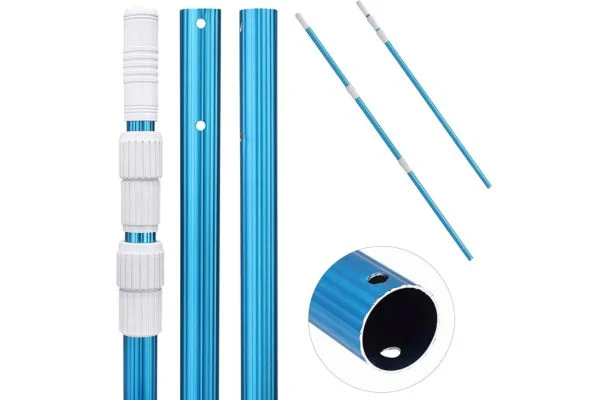
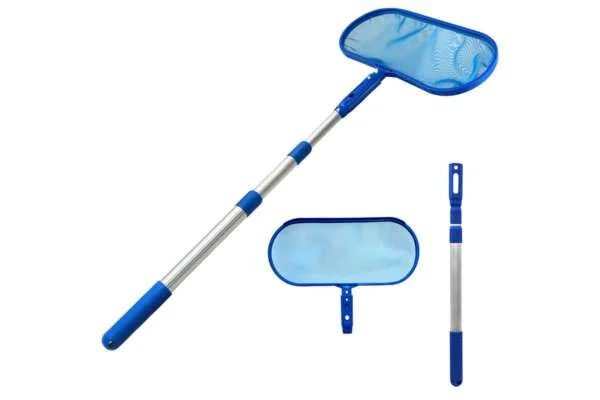
Yes. Xingyong manufactures aluminum products including high-end aluminum telescopic poles, pool cleaning telescopic poles, pool cover reels, and related aluminum products. :contentReference[oaicite:6]{index=6}

Can Xingyong make private-label pool cover reels?

Yes. Xingyong supports OEM processing based on drawings, samples, or supplied materials. Buyers can request custom tube size, surface finish, logo marking, handle design, strap kit, hardware bag, and export packaging.

What makes Xingyong different from a trading company?

Xingyong has its own aluminum extrusion, oxidation, machining, testing, and packing capabilities. The factory was founded in 2002, has 14 extrusion presses, and has a monthly output of about 3000 tons. :contentReference[oaicite:7]{index=7}

What should I send for a pool cover reel quotation?

Send pool type, cover width, tube length, tube diameter, wall thickness, surface finish, handle design, packaging requirement, logo requirement, target market, and estimated order quantity.

Better Pool Cover Reels Start With Better Aluminum Manufacturing

A do it yourself pool cover reel can solve a small home problem. It teaches the basic structure: tube, stands, straps, and crank. But it also exposes the limits of weak materials and rough assembly.

For commercial buyers, those limits become business risks. Bent tubes, loose handles, poor finish, missing accessories, and weak packaging can create returns and damage your brand.

Xingyong offers a stronger path for aluminum pool cover reel OEM manufacturing. The factory controls aluminum extrusion, surface treatment, CNC processing, inspection, and export packing. That gives pool product distributors, importers, and OEM brands a better base for long-term supply.

Send Xingyong Your Pool Cover Reel Project

Send Xingyong your pool cover width, target market, tube size, surface finish, handle design, packaging requirement, and expected order quantity.

If you already have a DIY-style design, sample, or drawing, Xingyong can help review possible risks before quotation, including tube bending, loose assembly, finish quality, strap layout, and shipping protection.

Build your next aluminum pool cover reel with a factory that understands both the product structure and the manufacturing process.