
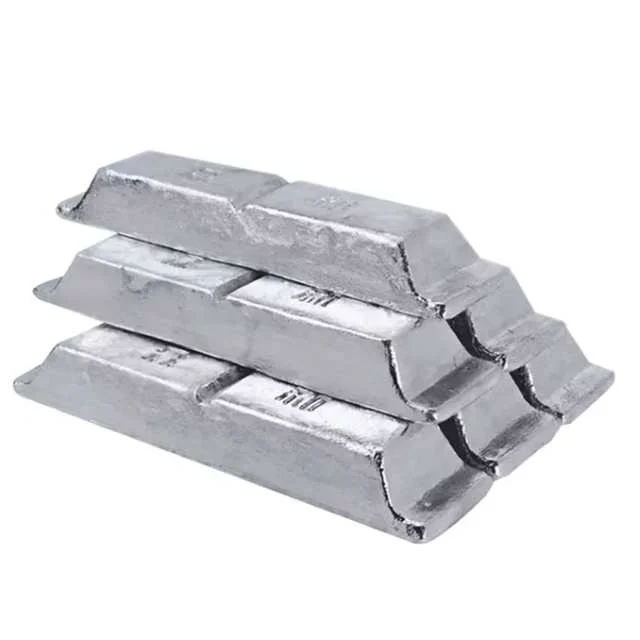
Aluminum ingots are valuable, but an ingot price is not the price of an aluminum tube or finished telescopic pole. Between primary metal and a retail-ready pole are alloying, billet casting or purchasing, extrusion, aging, surface finishing, machining, plastic parts, assembly, inspection, packaging, freight, overhead, and commercial risk.
For procurement teams, the useful question is not “How much is an aluminum ingot worth today?” It is: Which part of my supplier’s quotation moves with the aluminum market, which part is conversion cost, and how will changes be handled between quote and shipment?
What Gives an Aluminum Ingot Value?
Value depends on metal content, form, chemistry, cleanliness, location, quantity, delivery terms, and the market reference used by buyer and seller. Primary aluminum, secondary alloy ingot, extrusion billet, and mixed scrap are not interchangeable products. A photograph and gross weight are not enough to establish a tradable value.
The London Metal Exchange describes its LME Aluminium Official Price as a global reference used in primary and secondary aluminum contracts. A reference price is a starting point for commercial formulas; it is not a delivered quotation for a specific billet, extrusion, or finished pole.
Ingot, Billet, Extruded Tube, and Finished Pole Are Different Cost Stages
| Stage | What it is | Costs added |
|---|---|---|
| Ingot or liquid metal | Base metal feedstock | Commodity value, premiums, logistics, and financing |
| Extrusion billet | Controlled alloy and casting form for the press | Alloying, melting, casting, homogenizing, testing, and yield |
| Extruded tube | Profile produced through a die | Die, press time, aging, straightening, cutting, scrap, and inspection |
| Finished tube | Tube with anodizing, coating, printing, or machining | Surface treatment, secondary processes, handling, and quality control |
| Telescopic pole | Assembled and packed product | Locks, grips, fittings, labor, testing, packaging, and logistics |
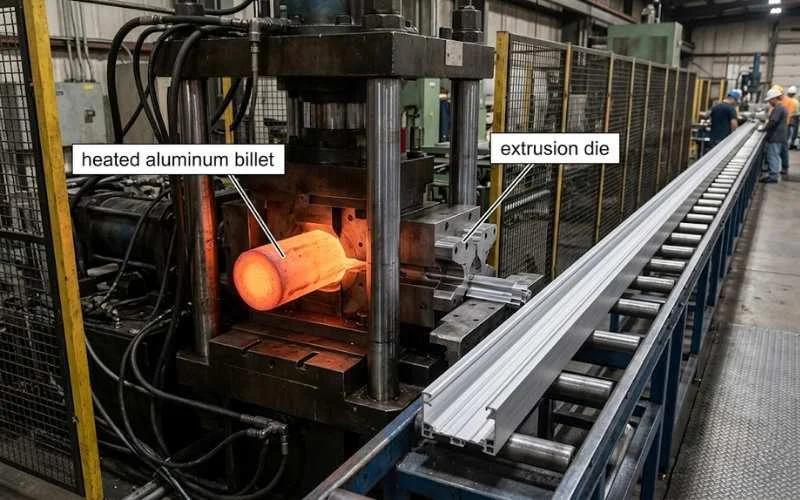
How the Metal Price Reaches an Aluminum-Tube Quote
A supplier may begin with a local or international aluminum reference, then add a regional premium, alloy or billet conversion, and the weight expected to become saleable product. The resulting metal component is combined with extrusion and all downstream costs.
The calculation cannot rely only on finished net weight. Extrusion produces butt ends, trial material, cutoffs, samples, and process scrap. Much of that aluminum may be recyclable, but it still involves collection, segregation, remelting, working capital, and a difference between purchase and recovery value.
For a multi-section pole, tube mass also changes with diameters, wall thicknesses, overlap length, number of sections, and tolerance. A small drawing change multiplied across a large order can materially alter metal consumption.
Why Two Suppliers Can Use the Same Market Price and Quote Differently
- Different billet purchase terms, regional premiums, currencies, and payment timing
- Different tube weight caused by wall thickness, tolerances, overlap, and design
- Different extrusion yield, press size, die design, order size, and scrap recovery
- Different alloy, temper, surface finish, machining, and inspection requirements
- Different lock systems, grips, accessories, packaging, and assembly labor
- Different Incoterms, freight assumptions, credit terms, and quote validity
A lower price is not automatically a better metal purchase. Confirm whether the quotes describe the same product through the stable-performance specification framework, including actual dimensions, loads, lock performance, finish, and packaging.
Typical Cost Structure of an OEM Telescopic Pole
| Cost group | Main drivers | Market sensitivity |
|---|---|---|
| Aluminum tubes | Reference metal price, billet premium, alloy, weight, and yield | Direct but not one-to-one |
| Extrusion conversion | Die, press time, setup, aging, straightening, and quantity | Mostly manufacturing cost |
| Surface finish | Pretreatment, anodizing or coating, color, thickness, and handling | Chemicals, energy, labor, and reject risk |
| Components | Locks, bushings, grips, tips, fasteners, and accessories | Resin, tooling, purchased parts, and volume |
| Assembly and quality | Labor, functional tests, sampling, documentation, and rework | Specification and complexity |
| Packaging and logistics | Retail pack, carton, pallet, freight, Incoterm, and destination | Paper, labor, fuel, capacity, and season |
Alloy and Temper Affect More Than the Metal Price
Specifying only “aluminum” leaves critical questions open. A 6063 tube and a 6061 tube may require different processing routes, mechanical targets, surface expectations, and availability. Temper affects required properties and processing. A substitution that looks similar may change bending, dent resistance, machining, anodized appearance, or lead time.
Put alloy and temper on the drawing and purchase order, and request traceable confirmation appropriate to the project. The aluminum extrusion process guide explains how billet, die, press, aging, and inspection connect.
Yield, Scrap, and Recycled Value
Scrap has value when it is identified, clean, segregated, and recoverable, but scrap credit is not equal to the original purchase price. Mixed alloys, coating, contamination, small quantity, transport, and market conditions affect recovery.
Buyers should not force an assumed scrap percentage into a quote without understanding the process. A more useful discussion covers expected billet input, saleable output, startup and cutoff loss, reuse or sale of process scrap, and which party bears abnormal rejection. Improvements should be measured on repeat production, not promised from a theoretical mass balance.
Quote Validity and Metal-Price Adjustment Clauses
When metal prices or exchange rates are volatile, a supplier may limit quote validity or use an agreed adjustment formula. Either method can be reasonable if it is transparent.
A workable formula identifies:
- The exact reference and published price point
- The base date or averaging window
- The currency and exchange-rate source
- The metal weight or percentage subject to adjustment
- The trigger, cap, floor, and calculation timing
- Whether premiums, conversion, packaging, and freight are fixed or adjustable
Do not write “price follows LME” without these details. LME itself publishes multiple price types and prompt dates; the contract must identify the chosen basis. Avoid embedding a current aluminum price in an evergreen article or drawing because it becomes outdated quickly.
How to Compare Competing Pole Quotations
- Normalize the drawing: same lengths, diameters, walls, overlap, alloy, temper, and tolerances.
- Normalize performance: same extended load, deflection, lock slip, cycling, and acceptance criteria.
- Normalize finish: same preparation, color reference, cosmetic zones, and inspection method.
- Normalize accessories: same locks, grips, tips, adapters, and compatibility.
- Normalize packaging: same retail pack, carton strength, quantity per carton, pallet, and labeling.
- Normalize commercial terms: currency, payment, Incoterm, freight, tooling, samples, validity, and adjustment clause.
Request the breakdown needed to understand major differences, but do not expect every supplier to disclose proprietary internal margins. The goal is comparable scope and a clear change mechanism.
What to Include in an Aluminum-Pole RFQ
- Drawings, extended and collapsed lengths, diameters, wall thicknesses, and overlap
- Alloy, temper, finish, color sample, cosmetic zones, and tolerances
- Load, deflection, locking, cycling, corrosion, and temperature requirements
- Accessories, branding, instructions, retail packaging, and export carton
- Order quantity, forecast, destination, Incoterm, currency, and payment terms
- Required quote validity and preferred metal-adjustment structure
- Tooling, samples, testing, documentation, and approval responsibilities
Send the common RFQ package through the engineering inquiry form so material and conversion assumptions can be reviewed together.
Frequently Asked Questions
Is an aluminum ingot worth the current LME price?
Not automatically. Grade, form, premium, location, delivery, quantity, chemistry, and contract terms affect value. The LME reference is not a delivered purchase offer for every piece of metal.
Does a 10% increase in aluminum price raise a pole quote by 10%?
Usually not. Only part of the pole price is aluminum metal; conversion, components, assembly, packaging, freight, and other costs follow different drivers.
Why does the supplier charge more than aluminum weight multiplied by market price?
The finished product includes billet conversion, process yield, extrusion, finishing, parts, labor, quality, packaging, overhead, finance, and logistics.
Can recycled scrap reduce the quotation?
Scrap recovery can improve economics, but its credit depends on alloy segregation, cleanliness, quantity, processing, transport, and the agreed commercial model.
Should buyers insist on a fixed price?
It depends on order timing and risk allocation. A short-validity fixed price or transparent adjustment formula can both work when the terms are explicit.
What is the best way to lower aluminum-pole cost?
Optimize tube weight, section count, tolerances, finish, components, packaging, and order planning without weakening required performance. Compare validated total cost, not metal price alone.


 English
  Español
  Français
  Deutsch
  Português