What is the Anodizing Process for Aluminum Telescopic Poles?
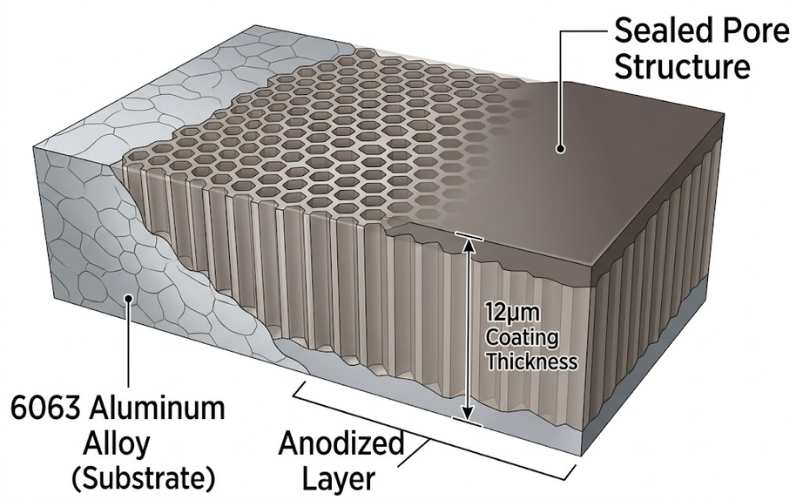
Anodizing is an electrochemical process that converts the aluminum surface into a decorative, durable, corrosion-resistant, anodic oxide finish. Unlike paint or powder coating, this oxide layer is fully integrated with the underlying aluminum substrate. For high-volume manufacturing of telescopic poles—specifically using 6063-T5 aluminum alloy—the process involves submerging the profiles into an acid electrolyte bath and passing an electric current through them. This creates a controlled aluminum oxide layer that is significantly harder and more porous than natural oxidation, allowing for superior dyeing and chemical sealing.
Technical Specifications for Professional Grade Poles
To ensure your telescopic tools survive years of extension and retraction, we adhere to strict technical parameters. In my 20+ years in aluminum extrusion, I’ve seen how minor deviations in micron thickness lead to major field failures and brand damage.
| Property | Standard Requirement | Xingyong Factory Specification | B2B Profit Impact |
|---|---|---|---|
| Alloy Grade | ASTM B221 6063 | High-purity 6063-T5 | Structural Integrity & Safety |
| Coating Thickness | 8μm – 15μm | Optimized 12μm+ for Pools | 30% Longer Product Lifespan |
| Surface Hardness | 200-500 HV | Webster Hardness ≥ 12 HW | Scratch & Wear Resistance |
| Salt Spray Test | 48 – 96 Hours | 128 Hours (ISO 9227) | Dramatic Reduction in RMA |
| Seal Quality | < 30 mg/dm² loss | Acid Dissolution Compliant | Prevents Surface Chalking |
The Xingyong Production Logic: More Than Just a Chemical Bath
Manufacturing 3,000 tons of aluminum per month requires more than just machines; it requires a systematic control of variables that “white-label” trading companies simply cannot oversee. Our 20-year survival in the industry is built on this technical rigor.
1. Pre-Treatment and the Sandblasting Advantage
Before a single pole enters the anodizing tank, the surface must be pristine. At Xingyong, we utilize 3 long-material sandblasting machines. This isn’t just for aesthetics; sandblasting removes extrusion lines and creates a uniform matte texture that increases the surface area for the oxide layer. This ensures that when you extend a high-quality telescopic pole, the movement is smooth and free of the microscopic snags that cause “shuddering” in cheap alternatives.

2. Precision in the Anodizing Tank
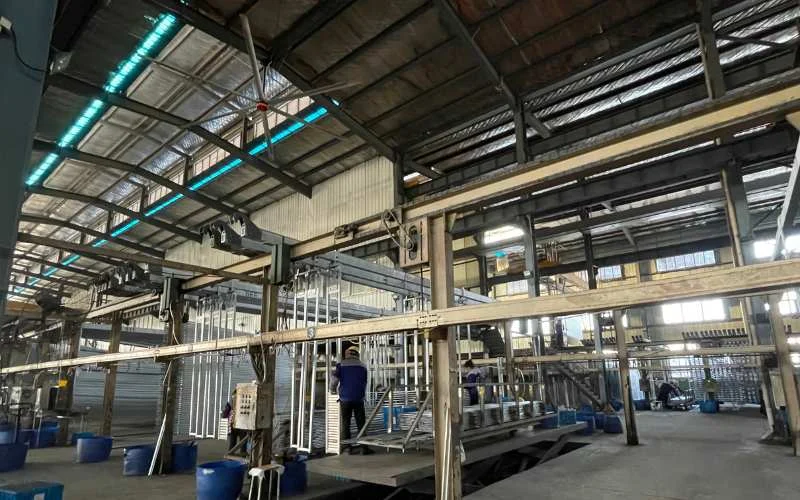
Our 14 extrusion presses (ranging from 350T to 2000T) feed into 2 large-scale automated oxidation lines. We control the current density with surgical precision. If the current fluctuates, the pore size of the aluminum oxide varies, leading to “patchy” colors. For B2B buyers, color consistency across 50,000 units is non-negotiable. We use Oxford Spectrometers to verify the elemental composition of every batch before it hits the tank.
3. The Sealing Process: The Quality Decider
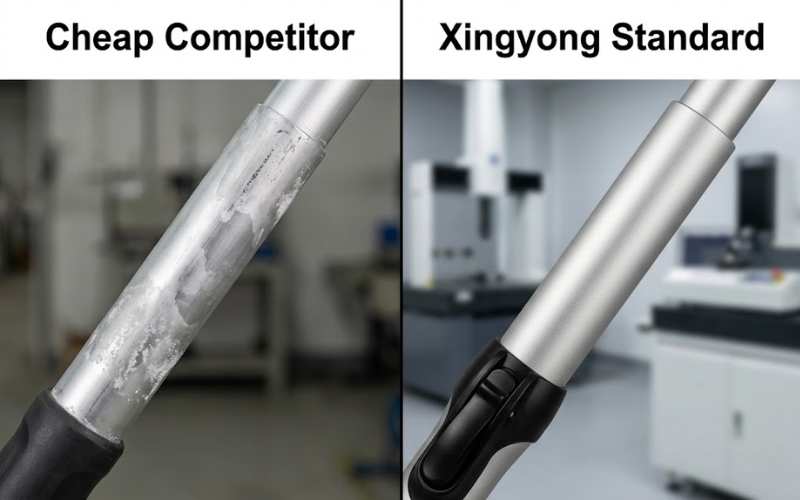
This is where most budget manufacturers cut corners to save on electricity and chemical costs. Anodized aluminum is naturally porous. If you don’t “seal” those pores properly, the pole will absorb pool chemicals and corrode from the inside out. We employ a dual-stage sealing method—combining hot hydration with nickel-free chemical sealants—to ensure the surface is chemically inert. This is critical for pool cover reels that sit in humid, chlorinated air 24/7.
Why Quality Anodizing is a “Profit Protector” for Distributors
In the world of international trade, the real cost of a product isn’t the FOB price; it’s the Total Cost of Ownership.
- RMA Reduction: High-quality anodizing according to ISO 9001:2015 standards reduces Return Merchandise Authorizations. A 1% reduction in returns can increase your net profit margin by 3-5%.
- Customs & Compliance: With our BSCI and IATF 16949:2016 certifications, your shipments pass through customs audits for major retailers like Home Depot and Ross without the friction of non-compliance documentation.
- Lead Time Certainty: Our integrated facility—from extrusion to CNC machining—means we control the schedule. By eliminating third-party anodizers, we reduce lead times by 10-14 days.
Engineer’s Insight: I once consulted for a client who saw “white powdering” on their black poles. We traced it back to poor rinsing between the dye bath and the seal tank. At Xingyong, we implemented a triple-overflow rinse system to eliminate ionic contamination, a detail many factories overlook to save water, but one that ensures the color fastness required for high-end brands.
Critical Quality Testing in our Center
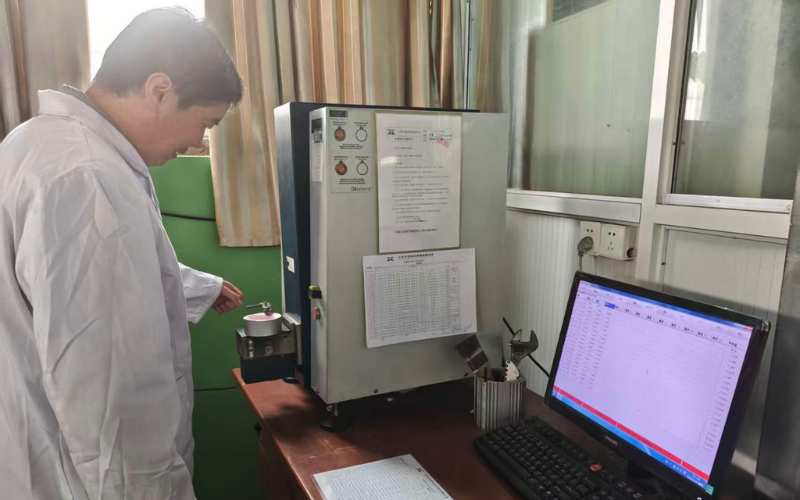
You cannot manage what you do not measure. Our testing center is equipped with tools that go beyond the industry standard to ensure surface engineering excellence:
- Israel Romidot Section Scanner: Ensures the wall thickness of the extrusion is perfectly concentric, preventing weak points.
- Color Matching Light Box: We test under D65, TL84, and CWF light sources to ensure the color looks consistent from the showroom to the backyard.
- Film Thickness Gauge: Every batch is checked using non-destructive testing to ensure the anodic coating meets the 10-15 micron sweet spot.
Engineering Reliability into Every Inch
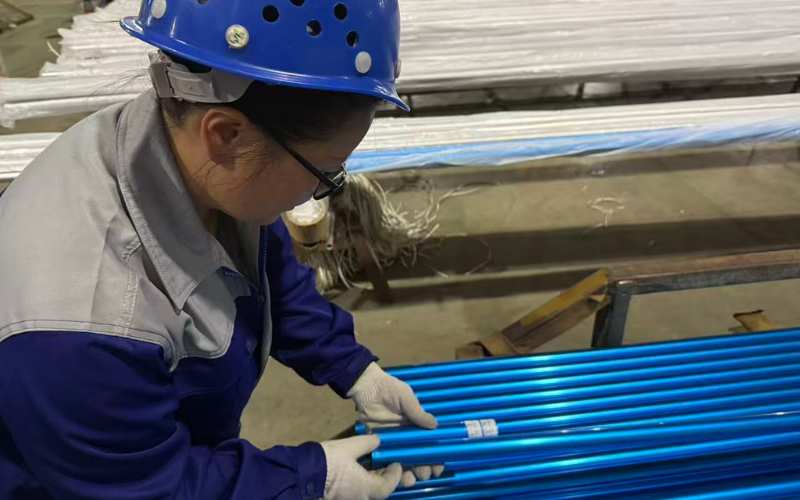
Choosing the right anodizing partner is about mitigating risk. When you work with an aluminum extrusion factory that has been operating since 2010, you aren’t just buying metal; you are buying our founder’s 20+ years of refinement. We understand that for a procurement manager, the best supplier is the one you don’t have to think about because the quality is consistent and the certifications are valid.
Secure Your Aluminum Supply Chain Today
Are you looking to upgrade your product line for the next season? Whether you need custom-engineered telescopic poles or high-strength industrial extensions, our engineering team is ready to review your drawings. Contact Xingyong’s B2B technical department to request a factory audit report or a sample kit featuring our latest anodized finishes.
Related Guides & Resources
Keep Reading
Anodizing Surface Finishes · CNC Machining · Aluminum Extrusion Profiles · Custom Aluminum Extrusion · How To Choose Aluminum Extrusion Manufacturer · How To CNC Machine Aluminum Extrusions · How To Make An Aluminum PCB Enclosure · How To Polish Aluminum · Industrial Aluminum Welding Guide High Strength Telescopic T · Smart Manufacturing Aluminum Extrusion Sourcing · The Comprehensive Guide To Powder Coating Aluminum
Related products: Explore related products and review matching solutions.

 English
  Español
  Français
  Deutsch
  Português