
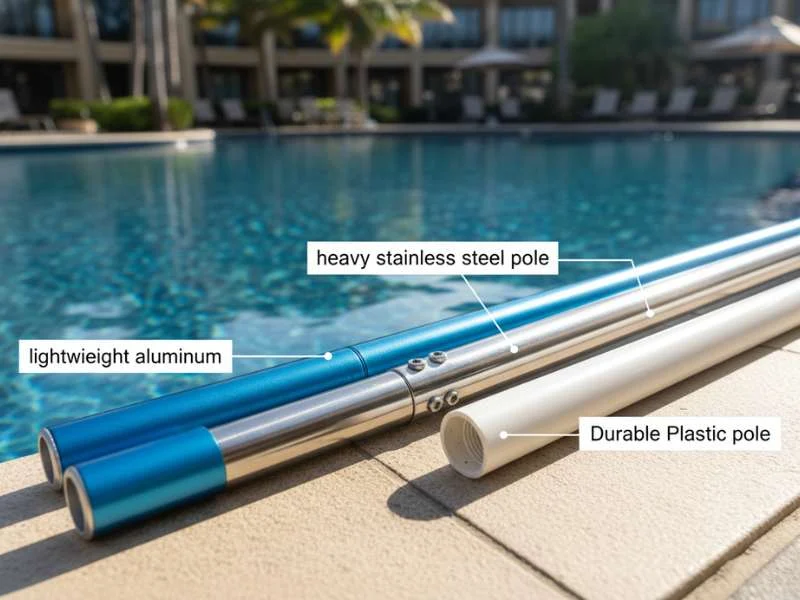
Pool equipment often fails faster than expected. Chlorine attacks metal surfaces. Saltwater accelerates corrosion. Many aluminum poles lose strength, discolor, and become unusable within a year.
For buyers turning “Anodized Aluminum Pool Poles” into a purchasable specification, compare the article notes with aluminum pool pole manufacturing and custom pool extension poles; CDC healthy swimming guidance is a useful outside reference while you define the final requirement.
This leads to repeated replacements, higher costs, and customer complaints.
Anodized aluminum solves this problem—but only when specified correctly. This guide explains how it works, what specs matter, and how to source it for bulk pool equipment with confidence.
What Is Anodized Aluminum and Why It Works for Pool Use
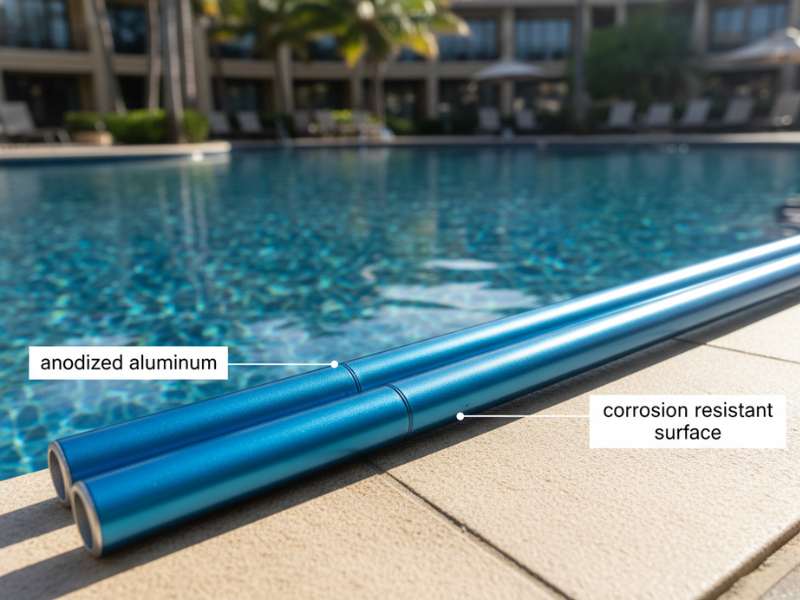
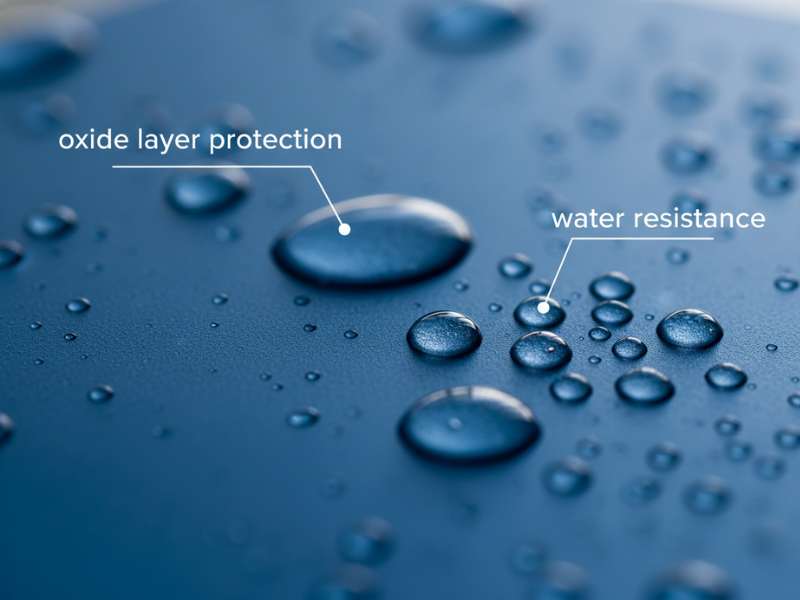
Anodized aluminum is ideal for pool use because it forms a dense oxide layer that protects the metal from chlorine and saltwater corrosion. This layer is integrated into the aluminum surface, so it does not peel or chip like paint.
For pool equipment such as telescopic poles and reels, anodized aluminum offers a balance of corrosion resistance, lightweight handling, and long-term durability.
Why Pool Environments Destroy Regular Aluminum
Pool environments combine multiple factors that accelerate metal failure.
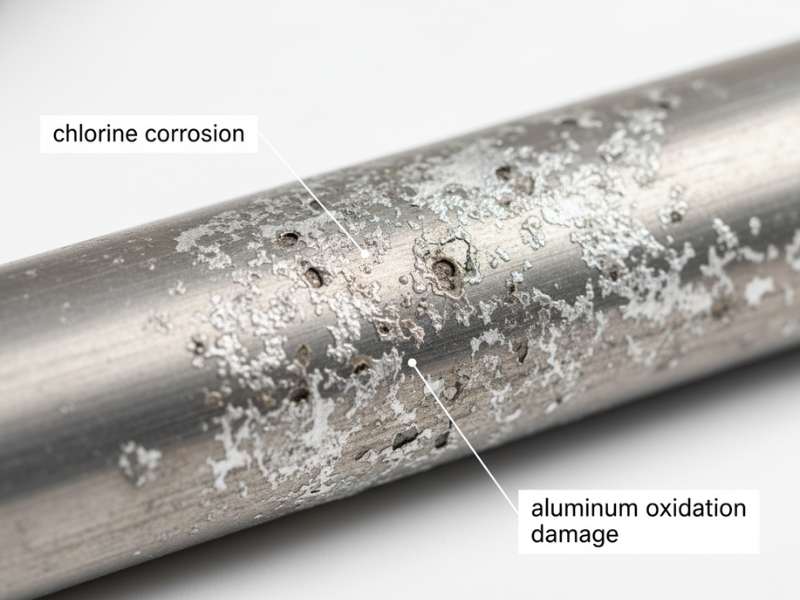
Chlorine Exposure
- Reacts with bare aluminum
- Causes oxidation and surface pitting
- Leads to discoloration and weakening
Saltwater Pools
- Salt acts as an electrolyte
- Speeds up corrosion reactions
- Increases long-term structural damage
UV and Moisture
- UV degrades surface protection
- Wet-dry cycles accelerate oxidation
Without anodizing, aluminum is not suitable for long-term pool use.
How Anodized Aluminum Performs in Pool Conditions
Anodized aluminum performs well because its oxide layer acts as a protective barrier.
In Chlorinated Pools
- Resists chemical attack
- Prevents surface pitting
- Maintains smooth finish
In Saltwater Pools
- Slows electrochemical corrosion
- Extends product lifespan
- Reduces maintenance needs
Mechanical Performance
- Increased surface hardness
- Better scratch resistance
- Smooth telescopic operation
For material properties, refer to authoritative databases like
https://www.azom.com/article.aspx?ArticleID=1175
Real-World Performance: Why Anodizing Thickness Matters in Pool Use
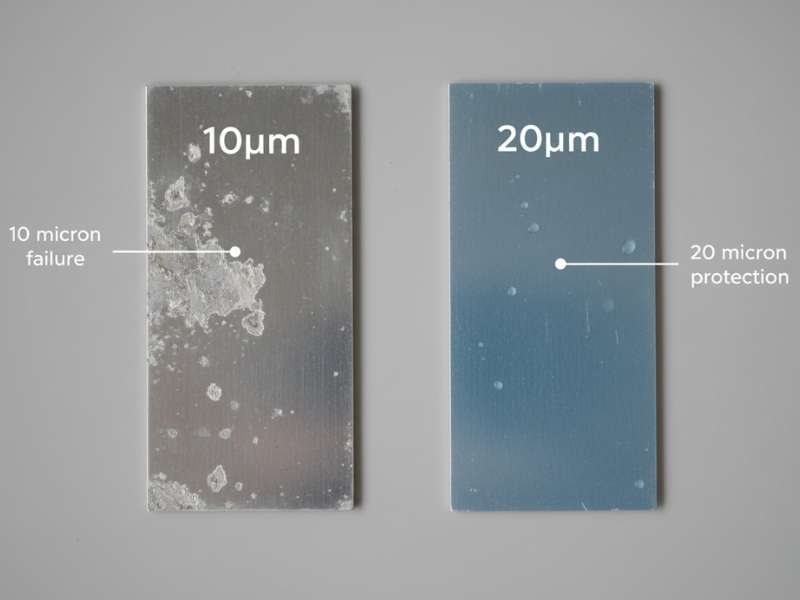
Many buyers assume all anodized aluminum performs the same. In reality, performance depends heavily on anodizing thickness and alloy choice.
In one OEM project for a commercial pool equipment distributor, aluminum poles with thin anodizing (<10 μm) showed oxidation and pitting within 6–8 months of chlorine exposure. Surface finish degraded, and telescopic sections became difficult to operate.
After switching to 20 μm anodized 6063 aluminum, the same product line maintained performance for over 24 months. No visible corrosion, and movement remained smooth.
Anodizing thickness directly determines lifespan in pool environments.
Anodized Aluminum Specifications That Actually Matter
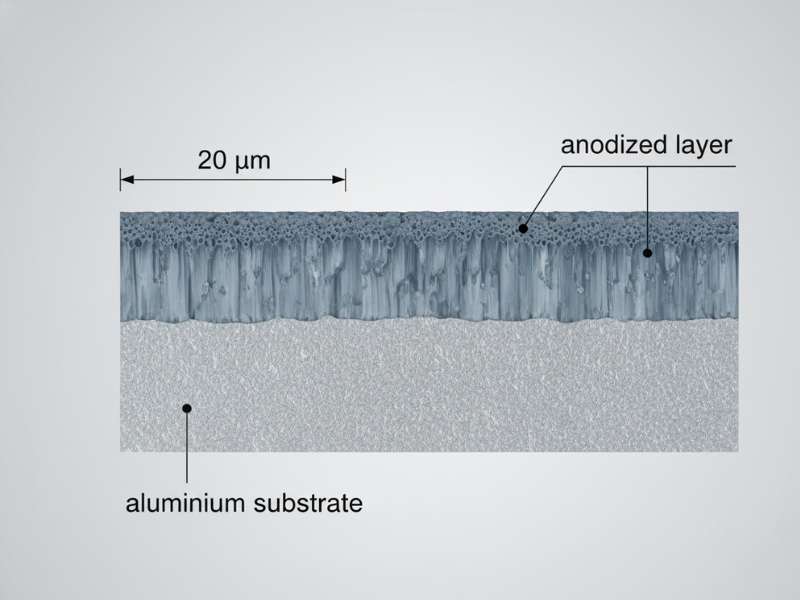
Key Factors
- Anodizing thickness: 10–25 μm
- Recommended: 20–25 μm for commercial use
- Alloy type: 6063 (finish), 6061 (strength)
- Surface finish: anodized, brushed, sandblasted
Table: Key Specs for Pool Aluminum Products
| Specification | Typical Range | Importance |
|---|---|---|
| Anodizing Thickness | 10–25 μm | Corrosion resistance |
| Alloy Type | 6061 / 6063 | Strength & finish |
| Wall Thickness | 0.8–1.5 mm | Durability |
| Pole Diameter | 25–35 mm | Compatibility |
Avoid anodizing below 10 μm for pool applications.
Aluminum vs Stainless Steel vs Plastic for Pool Equipment
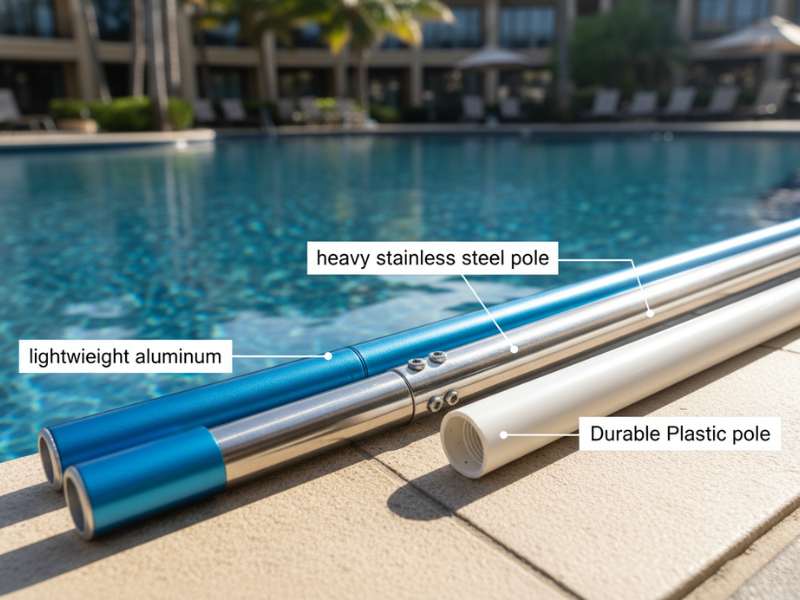
Table: Material Comparison
| Material | Corrosion Resistance | Weight | Cost | Durability |
|---|---|---|---|---|
| Anodized Aluminum | High | Light | Medium | High |
| Stainless Steel | Very High | Heavy | High | Very High |
| Plastic | Medium | Light | Low | Low |
Anodized aluminum provides the best balance for most commercial applications.
Common Pool Applications of Anodized Aluminum
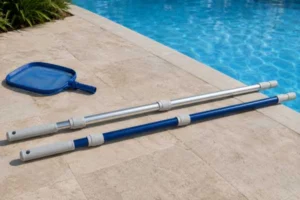
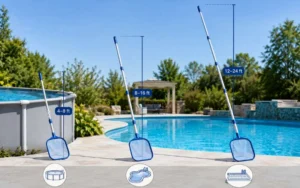
- Telescopic pool cleaning poles
- Pool cover reel systems
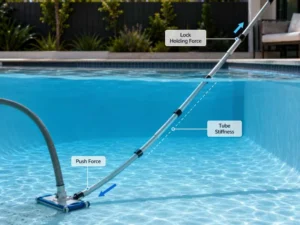
- Vacuum poles
- Commercial maintenance tools
These products benefit from:
- Lightweight handling
- Long service life
- Resistance to corrosion
OEM & Bulk Buying Guide: How to Source Anodized Aluminum Pool Poles

What Determines Pricing
- Aluminum alloy
- Wall thickness
- Anodizing thickness
- Pole structure
- Surface finish
Higher specs increase cost but reduce failure rates.
MOQ and Lead Time
| Item | Typical Range |
|---|---|
| MOQ | 500–2000 pcs |
| Sample | 7–10 days |
| Production | 15–30 days |
Customization Options
- Telescopic length
- Locking systems
- Color anodizing
- Branding
Packaging and Shipping
- Carton or bundle packing
- Container optimization
- Protection against bending
Quality Checks
- Thickness test report
- Alloy certification
- Surface inspection
- Salt spray testing
Manufacturers with in-house extrusion and anodizing provide better consistency and shorter lead times.
Buyer Checklist: How to Choose the Right Product
Material
- 6063 or 6061 aluminum
- ≥1.0 mm wall thickness
Anodizing
- ≥15 μm residential
- 20–25 μm commercial
Design
- Reliable locking system
- Smooth extension
Manufacturing
- In-house production
- CNC capability
Logistics
- Export packaging
- Container planning
Maintenance Tips to Extend Lifespan
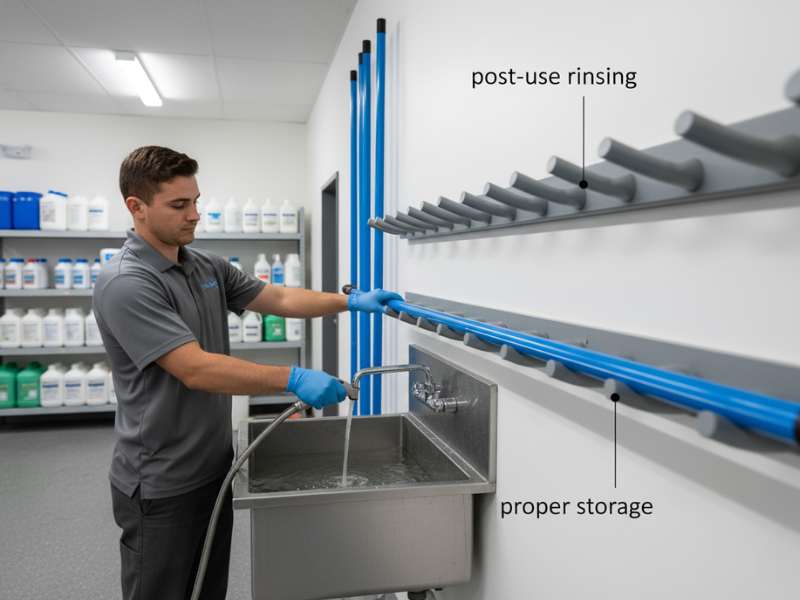
- Rinse after saltwater use
- Store in dry areas
- Avoid chemical buildup
- Inspect regularly
FAQ
Is anodized aluminum safe for pool use?
Yes, it is widely used due to its corrosion resistance.
How long does it last?
Typically 3–5 years or longer depending on thickness.
Does it rust?
No, aluminum does not rust but can corrode if unprotected.
A Smarter Material Choice for Pool Equipment
Anodized aluminum offers a practical balance of durability, weight, and cost. With proper specifications, it performs reliably in both residential and commercial pool environments.
The key is choosing the right thickness, alloy, and manufacturing partner.
Get a Sample and Verify Before You Order
If you are sourcing anodized aluminum pool poles, start with a sample.
Verify:
- Surface quality
- Thickness
- Functionality
A qualified supplier should provide samples within 7–15 days along with full specifications and OEM support.
Test first. Then scale your order with confidence.
Related Guides & Resources
Keep Reading
Anodizing Surface Finishes · CNC Machining · Aluminum Extrusion Profiles · Anodizing Aluminum Telescopic Poles · Custom Aluminum Extrusion · How To Choose Aluminum Extrusion Manufacturer · How To CNC Machine Aluminum Extrusions · How To Make An Aluminum PCB Enclosure · How To Polish Aluminum · Industrial Aluminum Welding Guide High Strength Telescopic T · Smart Manufacturing Aluminum Extrusion Sourcing
Related products: Explore related products and review matching solutions.

 English
  Español
  Français
  Deutsch
  Português