How Should B2B Buyers Choose a Pool Pole?
A good pool pole must match pool size, tool weight, user habits, packaging limits, and sales channel expectations. Many buyers compare unit price first, but weak locks, thin aluminum tubes, loose accessory fit, and damaged cartons can erase profit after delivery. For most wholesale and OEM buyers, an aluminum telescopic pool pole gives the best balance of weight, cost, corrosion resistance, and private-label flexibility. Before placing a bulk order, check wall thickness, lock strength, 1-1/4 inch accessory fit, anodized finish, carton design, MOQ, lead time, and factory inspection.
A pool pole is an adjustable or fixed handle used to connect pool brushes, skimmer nets, leaf rakes, and vacuum heads for swimming pool cleaning.
Why Pool Pole Buying Changed in 2026
Pool pole buying is no longer just about “find a long handle at a good price.”
In 2026, buyers face tighter margins, faster online reviews, higher return pressure, and stronger private-label competition. A pool pole that looks acceptable in a sample room may still fail when customers use it with a brush, vacuum head, or heavy leaf rake.
I write this from the factory side at Xingyong. We manufacture aluminum telescopic pole systems, pool cleaning poles, pool cover reel tubes, and other OEM aluminum products. When buyers send us failed samples, the problem is often easy to feel before we even measure it.
The pole may wobble at full extension.
The lock may bite unevenly.
The connector may not fit common accessories.
The anodized color may look different between sections.
For B2B buyers, a pool pole is not just a cleaning handle. It is a SKU that affects reviews, return rate, shelf space, landed cost, and repeat orders.
In pool pole sourcing, the cheapest SKU is not always the most profitable SKU.
FOB price is only the first number. Landed cost decides the real buying result.
Online reviews make weak locks and bent poles visible faster than before. Private-label pool poles now need visible differences: color, grip, lock style, packaging, and tool compatibility.
The smart question is not “Which pool pole is cheapest?”
The better question is: Which pool pole can sell with fewer complaints and stable margin?
What Changed in Pool Pole Sourcing in 2026?
B2B pool pole sourcing changed because buyers now care more about the full landed result, not only the factory quote.
| 2026 Buying Change | What It Means for Pool Pole Buyers |
|---|---|
| Fewer SKUs, wider coverage | Buyers want adjustable pool poles that cover more pool sizes |
| Faster online reviews | Weak locks and bending issues become visible quickly |
| Higher return cost | A cheap pole can become expensive after returns |
| More private-label competition | Color, logo, packaging, and product feel matter more |
| Seasonal planning pressure | Late sample approval can miss spring and summer sales |
| Carton damage sensitivity | Packaging affects profit, not only appearance |
Retail pool pole listings often highlight 8–16 ft length, aluminum construction, telescopic adjustment, and 1-1/4 inch accessory compatibility. You can see these repeated market signals in retail pool pole listings and pool pole product listings.
A pool pole with a slightly higher unit cost may be more profitable if it reduces returns, carton damage, and customer complaints.
That is the real B2B buying logic.
What Is a Pool Pole?
A pool pole is a handle system used with swimming pool cleaning tools such as skimmer nets, leaf rakes, pool brushes, vacuum heads, and other pool maintenance attachments.
Most pool poles fall into three structures:
- Fixed pool pole
- Telescopic pool pole
- Sectional pool pole
A fixed pool pole has one length. A telescopic pool pole extends and retracts. A sectional pool pole uses several connected pieces.
For retail and wholesale buyers, telescopic pool poles usually offer the best SKU efficiency. One adjustable pool pole can cover more pool sizes and more cleaning tasks.
Common pool pole materials include aluminum, fiberglass, carbon fiber, plastic, and aluminum tube with plastic locks and connectors.
Most mainstream swimming pool poles use aluminum because it balances weight, cost, finish options, corrosion resistance, and OEM flexibility.
Pool Pole by Application: Match the Pole to the Real Job
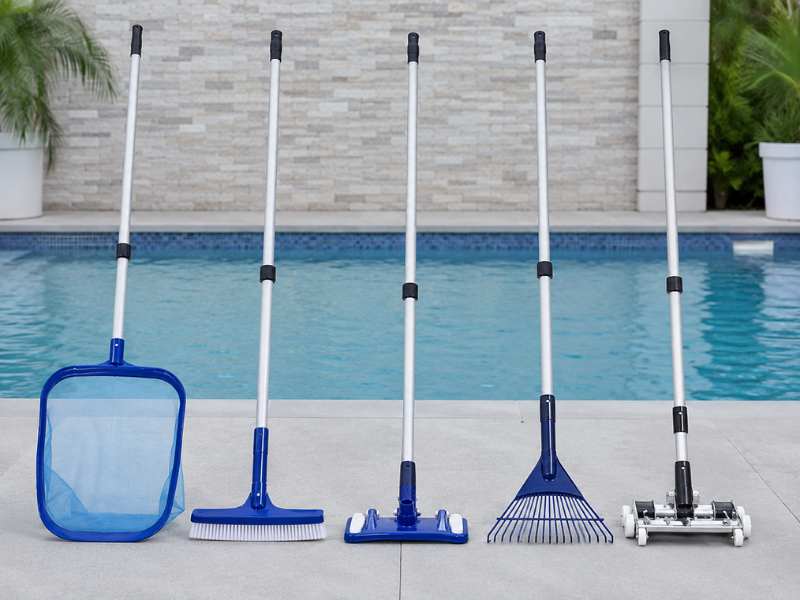
A pool pole for a skimmer net does not need the same structure as a pool pole for vacuuming.
This is where many low-cost projects fail. The buyer approves a sample by hand, but the end user attaches a heavy tool.
| Pool Pole Application | Common Tool | Main Load | Recommended Buying Logic |
|---|---|---|---|
| Pool skimmer pole | Skimmer net | Light lifting | Lightweight aluminum pole with stable connector |
| Pool brush pole | Wall brush | Push pressure | Stronger wall thickness and stable lock |
| Pool vacuum pole | Vacuum head | Drag and downward force | Better lock strength and full-extension stiffness |
| Leaf rake pole | Deep net or leaf rake | Pulling load | Strong connector and thicker tube |
| Commercial pool pole | Brush, net, vacuum | Daily repeated use | Heavy-duty aluminum or fiberglass option |
| Pool cleaning kit pole | Net, brush, small vacuum | Compact mixed use | Telescopic or sectional pole with tested joints |
A good pool pole line should not use one structure for every market.
Entry-level kits can use shorter or lighter poles. Professional pool cleaning poles need better wall thickness, stronger locks, and tighter tube fit.
Telescopic, Fixed, or Sectional Pool Pole?
A telescopic pool pole is the most common choice for retail pool cleaning products. It adjusts to different lengths, which helps users clean different pool sizes with one product.
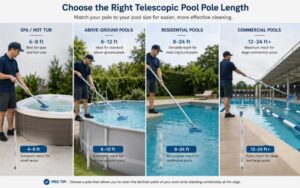
Common length ranges include 4–8 ft, 6–12 ft, 8–16 ft, 12–24 ft, and custom length.
The main advantage is SKU efficiency. The main risks are lock slipping, tube wobble, and poor sliding.
A sample is not approved until it works with real tools.
I never approve a telescopic pool pole only when it is closed. I extend it fully, attach a brush or vacuum head, then test bending, wobble, and lock holding.
A fixed pool pole has fewer moving parts, so it can reduce lock failure risk. It works well for commercial use when the cleaning team needs one strong length every day. The problem is shipping and storage because a long fixed pool pole increases carton length and warehouse pressure.
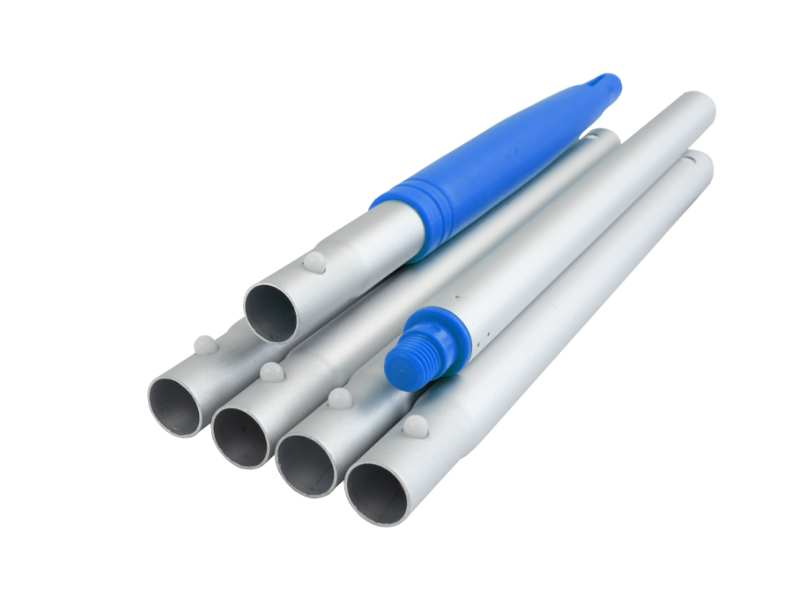
A sectional pool pole uses several pieces joined together. It often appears in low-cost pool cleaning kits. Its biggest advantage is compact packaging, but weak plastic threads, loose push buttons, or poor connector fit can create shaking during use.
Pool Pole Structure Comparison
| Pool Pole Type | Main Advantage | Main Risk | Best Use |
|---|---|---|---|
| Telescopic pool pole | Adjustable length and broad retail appeal | Lock slipping and tube wobble | Mainstream retail and OEM lines |
| Fixed pool pole | Strong simple structure | Long carton size | Commercial cleaning |
| Sectional pool pole | Compact packaging | Loose connections | Entry-level kits |
| Custom aluminum pool pole | Fits brand and channel needs | Needs clear specs | OEM and private-label projects |
Pool Pole Material Comparison
Material decides weight, stiffness, cost, corrosion resistance, and customer feel.
| Material | Main Advantage | Main Risk | B2B Buying Note |
|---|---|---|---|
| Aluminum | Good weight, cost, finish, and OEM flexibility | Can bend if wall is too thin | Best balance for most wholesale pool pole lines |
| Fiberglass | Strong stiffness and corrosion resistance | Can splinter when damaged | Good for premium or professional channels |
| Carbon fiber | Light and strong | High cost | Better for niche high-end products |
| Plastic | Low cost and light | Weak for long lengths | Suitable for short light-duty kits |
| Aluminum with plastic lock | Balanced structure | Lock quality decides user experience | Test plastic material, mold fit, and repeated use |
Why Aluminum Pool Pole Is Still the Mainstream Choice
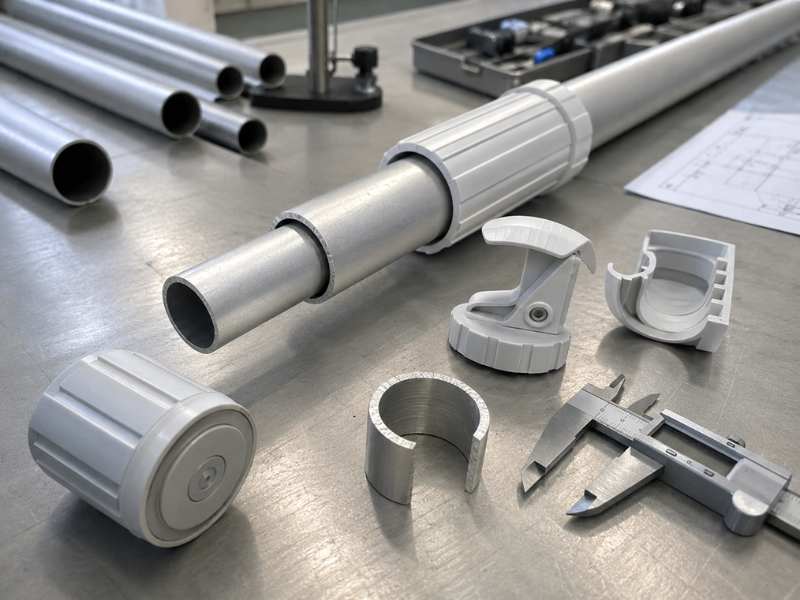
An aluminum pool pole remains the most practical choice for many OEM and wholesale buyers.
Aluminum tube can be extruded into different diameters, wall thicknesses, lengths, grooves, and shapes. It can also be anodized, sandblasted, punched, drilled, cut, marked, and assembled with custom plastic locks.
For material context, aluminum extruded tubes are covered under ASTM B221 for aluminum and aluminum-alloy extruded bars, rods, wire, profiles, and tubes. The Aluminum Extruders Council also provides technical resources on aluminum extrusion design.
Surface finish also matters. The Aluminum Anodizers Council explains how buyers should approach specifying anodized aluminum, including alloy and finish considerations.
From my factory experience, alloy grade alone does not make a good pool pole. A 6063 aluminum pool pole can still fail if the wall thickness is too thin or the lock fit is poor.
The real control points are:
- Tube outside diameter
- Tube inside diameter
- Wall thickness
- Roundness
- Straightness
- Sliding fit between sections
- Anodized surface consistency
- Lock strength
- Accessory connector fit
- Final assembly inspection
A real pool pole manufacturer must understand both aluminum tube production and plastic lock assembly.
Aluminum vs Fiberglass Pool Pole: Which Is Better for Wholesale?
Aluminum and fiberglass both have value. The better choice depends on your price point, user type, and channel.
For most distributors, aluminum should be the main SKU. It gives better cost control, color options, OEM flexibility, and easier private-label development.
Fiberglass can become a premium or professional SKU if the target market accepts the higher cost. It can offer strong stiffness, but buyers should consider weight, surface feel, damage behavior, and replacement cost.
For a deeper material comparison, read our guide on aluminum vs fiberglass extension pole.
Pool Pole for Above-Ground vs Inground Pools
Above-ground pools and inground pools create different buying needs.
| Pool Type | Common Buyer Need | Suggested Pool Pole Logic |
|---|---|---|
| Above-ground pool | Shorter reach, lower price, compact packaging | 4–8 ft or 6–12 ft aluminum pole |
| Small inground pool | Moderate reach and better stability | 6–12 ft or 8–16 ft telescopic pole |
| Large inground pool | Longer reach and stronger lock | 8–16 ft or 12–24 ft pole |
| Commercial pool | Repeated daily use | Heavy-duty aluminum or fiberglass pole |
Do not sell the same low-cost kit pole as a heavy-duty pool pole. The customer may not know the difference before purchase, but they will feel it during use.
Professional Pool Pole vs Retail Pool Pole: What Changes?
A professional pool pole faces more daily use than a normal retail pool pole.
A homeowner may use the pole once or twice a week. A pool service team may use it many times a day, with brushes, nets, and vacuum heads.
That changes the buying standard.
Professional pool pole buyers should check:
- Stronger wall thickness
- Better lock holding force
- More stable full-extension feel
- Stronger connector fit
- Better grip comfort
- Easier replacement parts
- More durable packaging for service channels
A professional pool pole does not need fancy packaging first. It needs reliable structure first.
Pool Pole Replacement: Why Fit Matters Before Reordering
Pool pole replacement sounds simple, but it can create complaints if the new pole does not fit existing tools.
Before reordering or replacing pool poles, check:
- Attachment diameter
- Button hole position
- Connector depth
- Locking style
- Closed and extended length
- Tube diameter
- Tool compatibility
For distributors, pool pole replacement SKUs should be easy to understand. If the replacement pole does not fit common skimmer nets, brushes, or vacuum heads, customers blame the pole even when the old attachment is the real problem.
A replacement pool pole should be tested with real accessories before it enters the product line.
Heavy Duty Pool Pole: When Do Buyers Need It?
A heavy duty pool pole is not always needed. It is needed when the user applies more force, uses heavier tools, or cleans larger pools.
Buyers should consider a heavy duty pool pole when:
- The pole is used with pool brushes.
- The pole is used with vacuum heads.
- The pool is large or commercial.
- The user adjusts the pole often.
- The product is sold as a premium SKU.
- The market has high return sensitivity.
A heavy duty aluminum pool pole usually needs stronger wall thickness, better section overlap, tighter tube fit, and stronger locks.
Do not make a pole heavy only for marketing. If it becomes too heavy, users may complain about fatigue. The best structure is strong enough for the job without making the pole hard to handle.
Minimum Pool Pole Specification Guide by Use Case
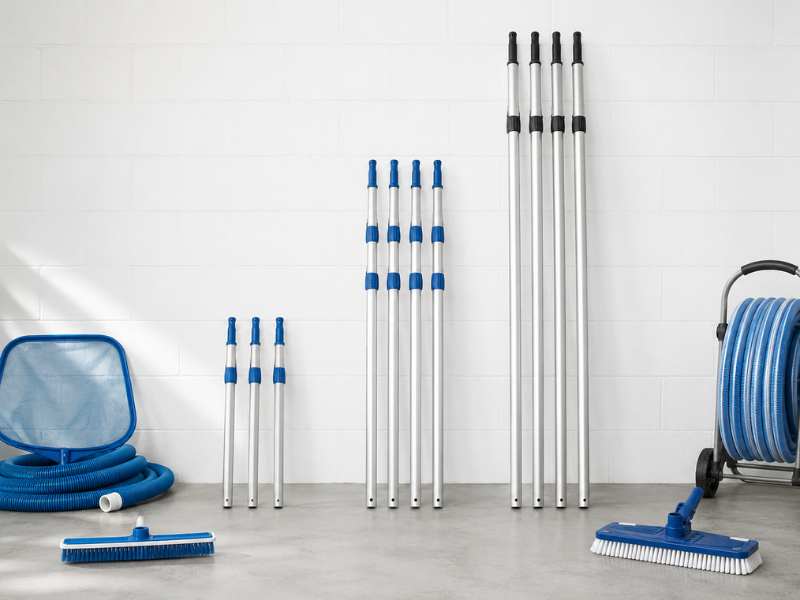
This table is a practical starting point for RFQ discussions. Final specs should still be tested with real samples.
| Use Case | Suggested Length | Suggested Structure | Suggested Wall Thickness Range | Lock Type | Key Risk |
|---|---|---|---|---|---|
| Spa or small pool | 4–8 ft | 2-section or sectional | 0.8–1.0 mm | Push button or twist lock | Overbuilding cost |
| Above-ground pool kit | 4–8 ft or 6–12 ft | Sectional or telescopic | 0.8–1.0 mm | Push button or twist lock | Loose joints |
| Main retail pool pole | 8–16 ft | 2-section telescopic | 1.0–1.2 mm | Twist or cam lock | Full-extension wobble |
| Premium residential pole | 8–16 ft | 2-section telescopic | 1.1–1.3 mm | Cam lock or strong twist lock | Higher weight |
| Large pool pole | 12–24 ft | 2-section or 3-section | 1.2 mm+ depending on tube size | Cam lock | Bending and lock stress |
| Commercial cleaning pole | Custom | Heavy-duty telescopic or fixed | Based on load testing | Cam lock or fixed | Daily-use wear |
When a buyer asks for a 12–24 ft pool pole, I do not start with color. I first check tube diameter, wall thickness, overlap length, and lock holding force.
Pool Pole Locking Systems Compared
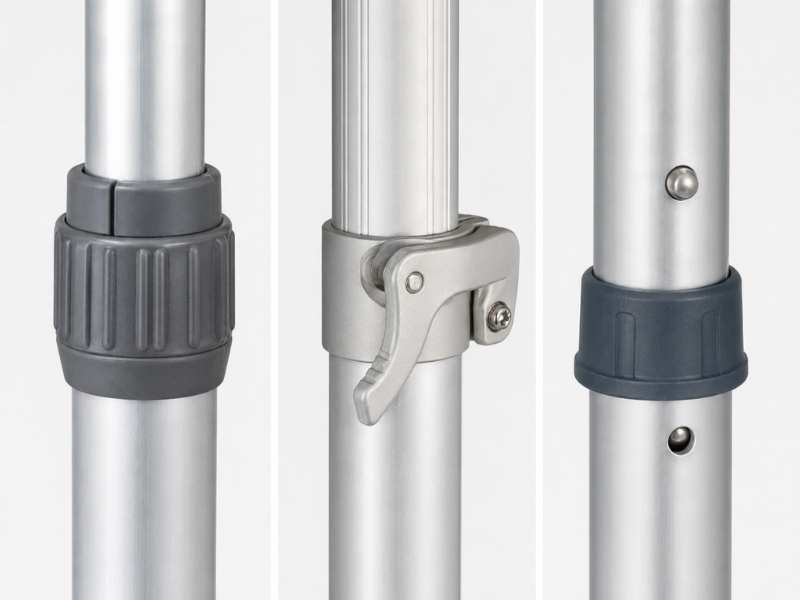
The locking system decides how users feel the pool pole every time they adjust it. A strong tube with a weak lock still becomes a bad product.
| Lock Type | User Experience | Main Advantage | Main Risk | Best Fit |
|---|---|---|---|---|
| Twist lock | Clean and simple | Good appearance | Slipping if tolerance is poor | Mid-range telescopic pool pole |
| External cam lock | Easy to see and operate | Strong user confidence | Plastic cam can crack | Frequent adjustment and pro use |
| Push button lock | Secure fixed positions | Clear locking point | Limited adjustment | Sectional poles and kit products |
The lock is where many cheap poles reveal their real cost.
Many lock slipping problems are not only lock problems. The real cause is often tube OD tolerance, plastic expansion size, and surface friction working against each other.
For repeat-use products, test lock holding with real tools. An empty pole test is too weak.
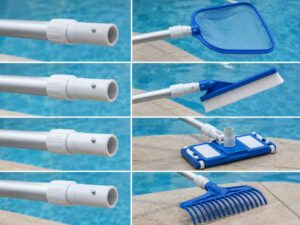
Pool Pole Attachment Compatibility: Why 1-1/4 Inch Fit Matters
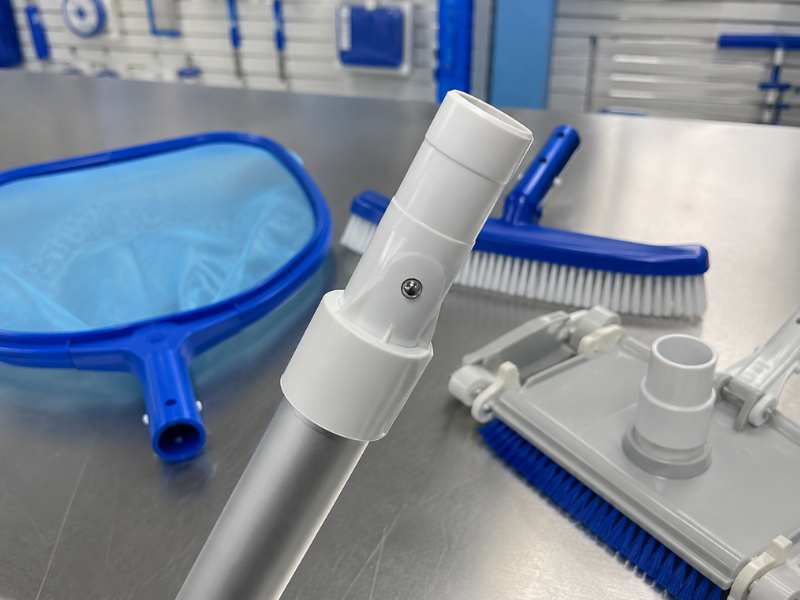
Many pool poles use a 1-1/4 inch connection to fit standard pool accessories. Retail pool pole listings often show this compatibility because customers expect one pole to work with brushes, nets, rakes, and vacuum heads.
For B2B buyers, this small spec can create big problems.
If the connector is loose, the brush shakes. If it is too tight, customers think the pole is defective. If the hole position is wrong, the accessory button cannot lock.
Before mass production, test the pool pole with:
- Skimmer net
- Pool brush
- Leaf rake
- Vacuum head
- Different brand accessory samples
Do not test only one attachment. Pool accessory fit varies between brands and markets.
Pool Pole Surface Finish: Anodized, Ribbed, Smooth, or Powder Coated?
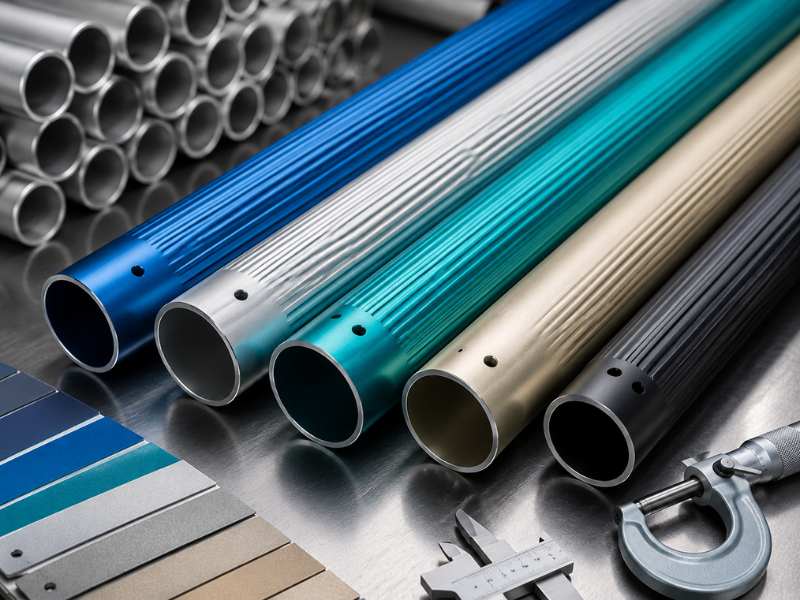
Surface finish is not decoration. For a telescopic pool pole, it decides how the tube slides, how the color holds, and how the customer judges quality in the first 10 seconds.
| Surface Finish | Advantage | Risk | Best Use |
|---|---|---|---|
| Anodized aluminum | Clean look and better surface protection | Poor sealing or thin finish may disappoint users | Mainstream and premium pool poles |
| Ribbed anodized aluminum | Better grip and retail appearance | More process control needed | Mid-range and premium retail |
| Smooth anodized aluminum | Clean and simple | May feel slippery when wet | Standard retail products |
| Powder coated aluminum | More color choices | Coating thickness may affect sliding | Brand-specific OEM colors |
Never promise that an aluminum pool pole will “never corrode.” Pool environments include chlorine, saltwater, UV, and wet storage.
A better claim is this:
A properly specified anodized aluminum pool pole can improve corrosion resistance and appearance in normal pool cleaning use.
How Pool Chemicals Affect Pool Pole Durability
Pool tools work in a harsh environment. They face water, pool chemicals, sun exposure, hand pressure, and repeated storage.
The CDC explains pool chemical safety because pool chemicals help disinfection but need careful handling. Its healthy swimming resources also show why pool water care depends on chemical control.
For product buyers, the point is simple: pool accessories live in a wet and chemical-use environment, not a dry warehouse.
For aluminum pool pole buyers, check anodizing quality, surface scratches, saltwater use expectations, storage instructions, plastic lock material, end cap fit, and tube drying before packing.
Small details matter. If wet poles sit in cartons after poor drying, even a good finish can face trouble during shipping.
Pool Pole RFQ Template for Wholesale Buyers
A clear RFQ prevents suppliers from quoting different quality levels under the same product name.
| RFQ Item | What to Specify | Example |
|---|---|---|
| Product type | Telescopic, fixed, or sectional | 2-section telescopic pool pole |
| Material | Aluminum grade or performance target | 6063 aluminum alloy |
| Length | Closed and extended length | 8–16 ft |
| Tube diameter | OD and ID if available | Custom OD based on structure |
| Wall thickness | Required thickness or strength target | 1.0 mm / 1.2 mm |
| Lock type | Twist, cam, push button | External cam lock |
| Finish | Anodized, ribbed, smooth, coated | Blue anodized aluminum |
| Connector | Standard or custom fit | 1-1/4 inch pool accessory fit |
| Logo | Marking method | Laser marking or printed logo |
| Packaging | Poly bag, color box, carton | Retail carton with barcode |
| MOQ | Trial order or mass order | 1000 pcs / 3000 pcs |
| Target market | Entry, mainstream, premium | Mainstream retail |
| Inspection | Required QC checks | Lock test, fit test, carton check |
This table helps both sides. The buyer gets comparable quotes. The factory understands the real project.
Sample Approval Checklist Before Bulk Production
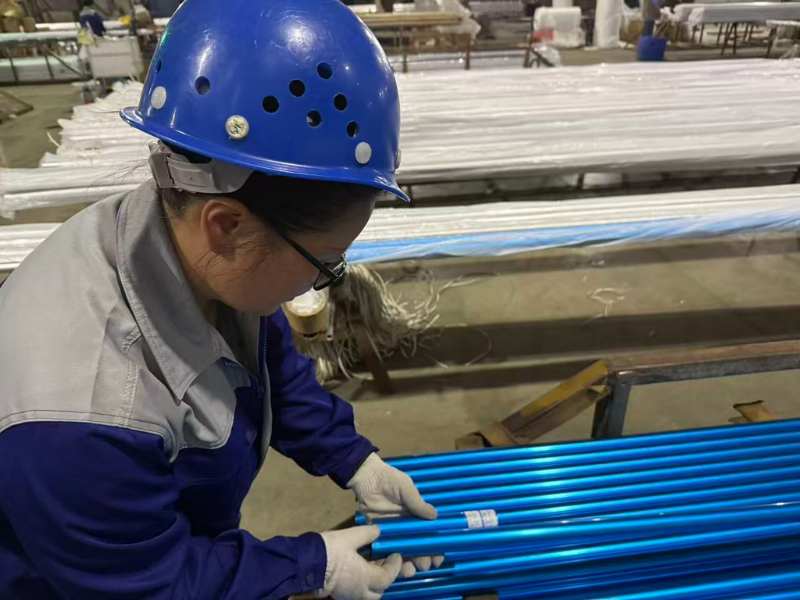
Never approve a pool pole sample only by appearance. A beautiful sample can still fail in use.
| Sample Test | How to Check | Pass Standard |
|---|---|---|
| Full-extension stability | Extend fully and attach real tools | No serious wobble or unsafe bending |
| Lock holding | Push and pull with brush or vacuum head | Lock should not slip |
| Sliding smoothness | Extend and retract several times | Smooth movement without jamming |
| Connector fit | Test with brush, skimmer, rake, vacuum head | Stable fit without looseness |
| Surface finish | Check color, scratches, and defects | Consistent finish within approved range |
| Tube straightness | Roll or visually inspect sections | No obvious bending |
| End cap and grip | Pull and twist manually | Parts should not loosen easily |
| Logo and label | Compare with approved artwork | Correct position and clear marking |
| Carton strength | Review carton and packing method | Suitable for shipping and warehouse handling |
If an 8–16 ft pool pole sample feels good without a tool but shakes badly with a vacuum head, I would not approve it for mass production.
Common Pool Pole Defects and Root Causes
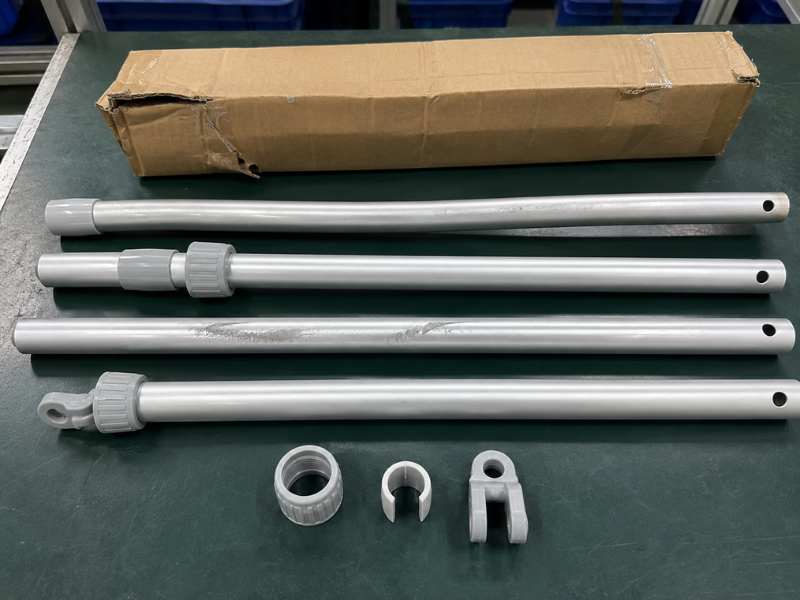
| Defect | Likely Root Cause | Prevention |
|---|---|---|
| Pool pole bends | Thin wall, weak diameter, poor section overlap | Match wall thickness with length and use |
| Lock slips | Poor tube tolerance, weak plastic lock, low friction | Test lock with real load |
| Tube gets stuck | Poor surface finish, dirt, bad fit, deformation | Control tube tolerance and finish |
| Pole wobbles | Loose tube fit or weak overlap | Improve OD/ID matching |
| Accessory feels loose | Connector size or hole position mismatch | Test with real pool tools |
| Color difference | Poor anodizing batch control | Define color range before production |
| Surface scratches | Poor handling or weak packing | Improve process protection |
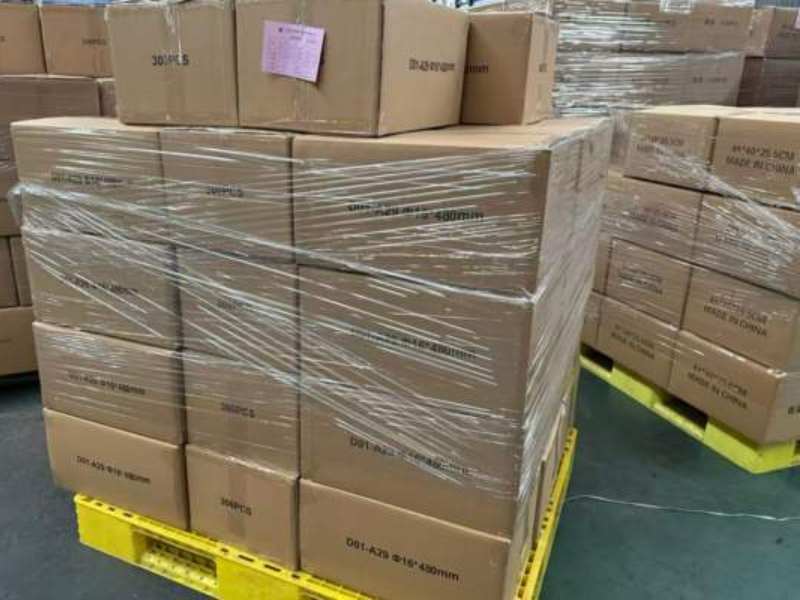
| Carton damage | Weak packaging or poor loading | Test carton and packing method |
| End cap falls off | Poor plastic fit or weak assembly | Test pull force and fit |
A trading supplier may replace the sample. A real manufacturer should explain why it failed.
Pool Pole Supplier Red Flags Before You Order
Some supplier problems are visible before you pay the deposit.
Be careful if a pool pole supplier:
- Quotes only by length, not wall thickness.
- Cannot explain tube OD, ID, or tolerance.
- Does not test the pole with a brush or vacuum head.
- Gives no clear lock material or lock test method.
- Cannot confirm accessory fit.
- Avoids carton size and packing details.
- Gives no anodized color control range.
- Cannot provide inspection photos or reports.
- Treats packaging as an afterthought.
- Cannot explain why a sample failed.
If the supplier cannot explain the failure, they may not control the process.
A low price without process control is not a sourcing advantage. It is a risk with a shorter quote sheet.
If your current pool pole sample bends, slips, sticks, or fails accessory fit, send us the sample photos or specs. We can review tube size, wall thickness, lock fit, connector size, finish, and packaging before you place a larger order.
Shipping, Carton Size, and Seasonal Lead Time
Pool pole sourcing is seasonal. Many buyers place orders before spring and summer demand.
Lead time depends on aluminum tube size, surface finish, lock mold or existing lock use, custom color, logo method, packaging artwork, sample approval speed, and order quantity.
Carton size also affects landed cost. A long pool pole may look strong, but it can increase shipping cost and warehouse pressure.
For packaging, the International Safe Transit Association provides packaged-product testing procedures. Pool pole buyers do not need to overcomplicate packaging, but they should understand that carton design is part of product protection.
Carton design is part of product quality, not an afterthought.
Before mass production, confirm carton length, pieces per carton, gross weight, barcode, label, inner protection, pallet loading, shipping marks, and customs documents.
A pool pole that arrives damaged is not a cheap pole. It is a loss.
Distributor Profit Logic: Build a Pool Pole Line That Actually Sells
A cheap pool pole can become the most expensive SKU if it returns often.
Here is the simple formula I use when discussing product lines with buyers:
True Pool Pole Profit = Retail Margin – Return Cost – Carton Damage Cost – Slow Inventory Cost
This is why the main SKU should not always be the cheapest. It should be the SKU with the lowest complaint rate.
| SKU Level | Suggested Product | Target Buyer | Profit Logic |
|---|---|---|---|
| Entry SKU | 4–8 ft pool pole or sectional kit pole | Price-sensitive channels | Low price and compact shipping |
| Main SKU | 8–16 ft aluminum telescopic pool pole | Broad retail market | Best demand potential and stable turnover |
| Premium SKU | Thicker-wall 8–16 ft or 12–24 ft pole | Professional and higher-value buyers | Better margin through strength and lock quality |
| OEM SKU | Custom color, logo, grip, packaging | Private-label brands | Differentiation and repeat orders |
For distributors, the winning product is not always the strongest pole. It is the pool pole that matches the right customer, carton size, landed cost, retail price, and return risk.
Avoid five similar poles with tiny differences. That creates slow inventory and weak sales training.
What Separates a Real Pool Pole Manufacturer from a Tube Supplier?
A pool pole is not only an aluminum tube.
It is a system made from tube sections, locks, connectors, caps, grips, finish, assembly, and packaging.
A tube supplier may provide aluminum tubes. A plastic parts supplier may provide locks. But if no one controls the fit between them, the final pool pole can fail.
| Xingyong Capability | What It Means for Pool Pole Buyers |
|---|---|
| Aluminum extrusion capacity | More tube size options and stable batch supply |
| Anodizing and sandblasting | Better control of color, grip, and surface finish |
| Machining workshop | Holes, slots, cuts, ends, and special processing can be matched |
| Plastic lock and connector matching | Telescopic sliding and lock fit can be controlled during assembly |
| Telescopic pole assembly | Tube, lock, cap, grip, and connector can be tested as one system |
| Inspection center | Tube tolerance, hardness, finish, dimensions, and fit can be checked |
| OEM packaging support | Logo, label, carton, barcode, and retail packing can match buyer needs |
This is one of Xingyong’s main advantages.
We are not only a standard pole seller. We are not only an aluminum tube supplier. We are better suited for custom aluminum telescopic pole projects with structure, appearance, and functional requirements.
This matters because many pool pole failures happen between processes, not inside one process.
The tube may be good. The lock may be good. But the assembled pole still slips if the fit is wrong.
What We Inspect Before Pool Pole Shipment
Inspection should not only check whether the pool pole looks clean. It should check whether the product can work as a full system.
In our inspection work, I care most about tube size, wall thickness, straightness, surface film consistency, hardness, lock fit, and final assembly feel. These checks matter more than a beautiful sample photo.
| Inspection Point | Why It Matters for Pool Pole Buyers |
|---|---|
| Wall thickness | Controls bending risk |
| Tube straightness | Controls wobble and sliding |
| OD / ID tolerance | Controls telescopic fit and accessory fit |
| Surface film consistency | Supports finish stability and appearance |
| Hardness check | Helps judge material and processing stability |
| Lock fit | Controls user experience and return risk |
| Final assembly feel | Shows whether tube, lock, cap, and connector work together |
A pool pole is judged in use, not in a product photo.
How to Source Custom Pool Poles from a Manufacturer
A good OEM pool pole project should follow a clear process.
| Step | What the Buyer Should Do | Why It Matters |
|---|---|---|
| 1. Define target market | Entry, mainstream, premium, commercial | Sets the cost and strength target |
| 2. Confirm core specs | Length, tube size, wall thickness, lock, finish | Prevents unclear quotations |
| 3. Share sample or drawing | Failed sample, CAD, photo, or target spec | Helps the factory judge structure |
| 4. Build prototype | Make sample based on confirmed specs | Tests real manufacturing fit |
| 5. Test with tools | Brush, net, rake, vacuum head | Finds bending and lock issues early |
| 6. Approve finish and packaging | Color, logo, barcode, carton | Reduces brand and shipping problems |
| 7. Run trial order | Small production before large order | Checks batch consistency |
| 8. Inspect and ship | Tube, lock, fit, finish, carton | Reduces return risk |
This process takes more discipline than asking for a quick price. But it protects your margin.
How to Choose a Pool Pole Manufacturer or Supplier
A good pool pole manufacturer should control more than one process. If the supplier only buys tubes and locks from different sources, they may struggle to solve fit problems.
Look for these capabilities:
- Aluminum extrusion
- Tube cutting
- Drilling and punching
- Anodizing or surface treatment control
- Plastic lock development
- Connector and grip assembly
- Logo marking
- Packaging support
- Inspection equipment
- Export experience
Xingyong was founded in 2002. We manufacture aluminum alloy telescopic poles, pool cleaning telescopic poles, pool cover reels, and related aluminum products.
Our production system includes 14 aluminum extrusion machines from 350T to 2000T, automatic anodizing production lines, sandblasting equipment, CNC equipment, saws, punches, milling machines, lathes, polishing equipment, bending machines, expanding and reducing equipment, laser marking equipment, and inspection tools.
We also operate with systems and certifications including BSCI, ISO 9001:2015, ISO 45001:2018, ISO 14001:2015, ISO 50001:2018, and IATF 16949:2016. Our monthly output capacity is around 3000 tons.
When a buyer sends us a failed sample, I often find the problem before formal testing.
These are manufacturing problems, not sales problems.
Private Label Pool Pole Buying Checklist
Private-label pool poles need more than tube strength. They also need brand consistency.
Before confirming a private label pool pole order, check:
- Tube color
- Logo method
- Lock color
- Grip design
- Accessory fit
- Retail carton artwork
- Barcode and label position
- Carton size
- Product instructions
- Inspection standard
A private label pool pole must feel consistent from sample to shelf. If color, lock feel, or packaging changes between batches, buyers lose trust.
Pool Pole Buying Checklist for 2026
Use this checklist before confirming a bulk pool pole order.
| Buying Check | What to Confirm | Why It Matters |
|---|---|---|
| Target market | Entry, mainstream, premium, commercial | Decides structure and cost |
| Length | 4–8 ft, 6–12 ft, 8–16 ft, 12–24 ft | Matches pool size and shipping needs |
| Material | Aluminum, fiberglass, plastic, hybrid | Controls weight, price, and durability |
| Wall thickness | Match length and use | Reduces bending complaints |
| Lock system | Twist, cam, push button | Controls user experience |
| Tube tolerance | OD, ID, roundness, straightness | Controls sliding and wobble |
| Finish | Anodized, ribbed, smooth, coated | Affects appearance and corrosion resistance |
| Connector fit | 1-1/4 inch or custom | Controls accessory compatibility |
| Tool testing | Brush, net, rake, vacuum head | Tests real-use load |
| Packaging | Carton, color box, barcode, label | Reduces damage and supports retail |
| Lead time | Sample and production schedule | Supports seasonal sales |
| QC | Pre-production, in-process, final inspection | Reduces return rate |
FAQs About Pool Pole Buying
What is the best material for a pool pole?
Aluminum is usually the best pool pole material for wholesale buyers because it balances cost, weight, strength, and customization.
For premium or special markets, fiberglass and carbon fiber may work, but they often raise the retail price.
What length pool pole should I buy?
An 8–16 ft pool pole is the safest mainstream choice for most residential pool cleaning markets.
B2B buyers can add 4–8 ft for entry kits and 12–24 ft for premium or commercial users.
Is aluminum or fiberglass better for pool poles?
Aluminum is better for most retail pool poles, while fiberglass can fit heavy-duty or corrosion-focused product lines.
For distributors, aluminum usually gives better SKU flexibility, easier branding, and more balanced landed cost.
What is the standard diameter for pool pole attachments?
Many common pool accessories use a 1-1/4 inch connection, but buyers should test real attachments before production.
Small fit errors can cause loose brushes, stuck skimmers, or customer complaints after delivery.
Why do pool poles bend?
Pool poles bend when wall thickness, tube diameter, section overlap, and full-extension load are not matched correctly.
For bulk orders, buyers should test the pole with real brushes, nets, rakes, and vacuum heads.
What is the best pool pole for distributors?
The best pool pole for distributors is usually an 8–16 ft aluminum telescopic pole with reliable lock and universal fit.
This SKU covers broad residential demand and can support both standard and premium retail positioning.
What should I include in a pool pole RFQ?
A pool pole RFQ should include material, length, wall thickness, lock type, finish, connector, packaging, MOQ, and target market.
Clear RFQ details help suppliers quote the right structure instead of only the cheapest possible version.
What information should I send to a pool pole manufacturer?
Send target length, tube diameter, wall thickness, lock type, finish color, packaging, quantity, and target market.
If you have drawings, failed samples, accessory photos, or retail requirements, send them before sample development.
How do I test a pool pole sample before bulk production?
Test a pool pole sample at full extension with real pool tools, not only by hand or appearance.
Buyers should check bending, lock holding, sliding smoothness, accessory fit, surface finish, and packaging.
What is the MOQ for custom aluminum pool poles?
MOQ depends on tube size, finish color, lock type, packaging, logo method, and order complexity.
Wholesale buyers should confirm MOQ after the factory reviews the full pool pole specification.
How long does custom pool pole production take?
Custom pool pole production time depends on tube size, finish, lock design, packaging, sample approval, and order quantity.
B2B buyers should confirm sample time and mass production lead time before the pool product season.
Can I buy pool poles in bulk for retail packaging?
Yes, pool poles can be supplied in bulk with retail cartons, barcode labels, color boxes, and private-label packaging.
Buyers should confirm artwork, carton strength, label position, and packing method before mass production.
Can I order pool poles with custom color and logo?
Yes, custom pool poles can use anodized colors, printed logos, laser marking, labels, and retail packaging.
Buyers should approve color samples, artwork, barcode, carton layout, and final packing before production.
Can Xingyong improve an existing failed pool pole sample?
Yes, Xingyong can review failed pool pole samples and suggest improvements in tube, lock, connector, finish, or packaging.
This is useful when buyers face bending, slipping, loose attachment fit, or repeated customer returns.
Can a pool pole factory help reduce return rates?
Yes, a pool pole factory can reduce return risk by checking structure, lock fit, accessory compatibility, finish, and packaging.
Return reduction starts before mass production, not after customer complaints appear.
What is the difference between wholesale and OEM pool poles?
Wholesale pool poles usually follow existing specs, while OEM pool poles are built around brand, structure, and packaging needs.
OEM projects need clearer drawings, samples, target price, inspection rules, and approval steps.
How should I compare pool pole supplier quotations?
Compare pool pole quotations by material, wall thickness, lock type, finish, packaging, inspection, and lead time.
The lowest quote may hide thinner tubes, weaker locks, poor cartons, or less consistent finishing.
Are aluminum pool poles suitable for saltwater pools?
Anodized aluminum pool poles can work in normal saltwater pool cleaning when finish and storage are specified properly.
Buyers should avoid absolute corrosion claims and confirm finish quality, drying, packaging, and user instructions.
A Better Pool Pole Starts Before Mass Production
A good pool pole does not start from a cheap quotation. It starts from the right structure.
Material, length, wall thickness, lock design, anodized finish, accessory fit, and packaging all decide whether your customers trust the product.
For B2B buyers, the smartest pool pole purchase is not always the lowest unit price. It is the product that gives stable quality, fewer complaints, clear SKU positioning, and repeatable supply.
From my factory view, the best results happen when buyers define the target channel first. Then we design the tube, lock, finish, and packaging around that channel.
That is how a pool pole becomes more than a handle. It becomes a profitable product line.
Send Us Your Pool Pole RFQ Before You Lock the Design
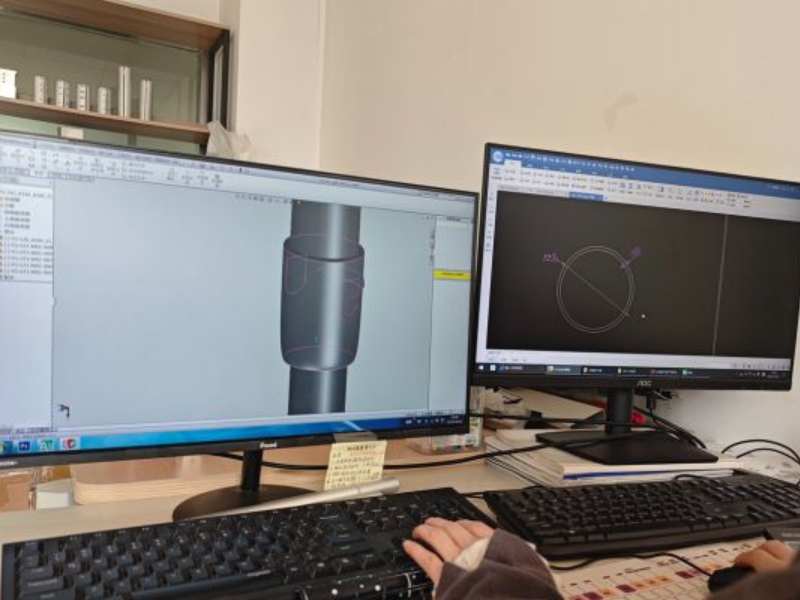
If you are developing an OEM aluminum pool pole, send us:
- Target length
- Tube diameter
- Wall thickness
- Lock type
- Surface color
- Accessory fit
- Packaging style
- Logo method
- Target order quantity
- Failed sample photos, if available
- Existing retail specs or drawings, if available
Xingyong supports aluminum extrusion, anodizing, sandblasting, machining, plastic lock parts, telescopic pole assembly, logo marking, retail packaging, and batch inspection.
The earlier we review the structure, the easier it is to reduce cost, avoid weak points, and prepare a pool pole that your market can sell with confidence.