
Survey Pole Manufacturer
Xingyong manufactures telescoping aluminum survey poles and rod hardware for surveying equipment brands and dealers — tubes, machined threads and molded parts from one factory; instrument calibration stays with your brand.
- Instrument-thread interfaces — tips and adapters machined to the surveying thread standard your instruments mount on.
- Field-duty builds — telescoping sections, clamp locks and graduation marking to your artwork.
- OEM terms that hold — private label programs, free samples in 7–15 days, quotes in 24 hours.
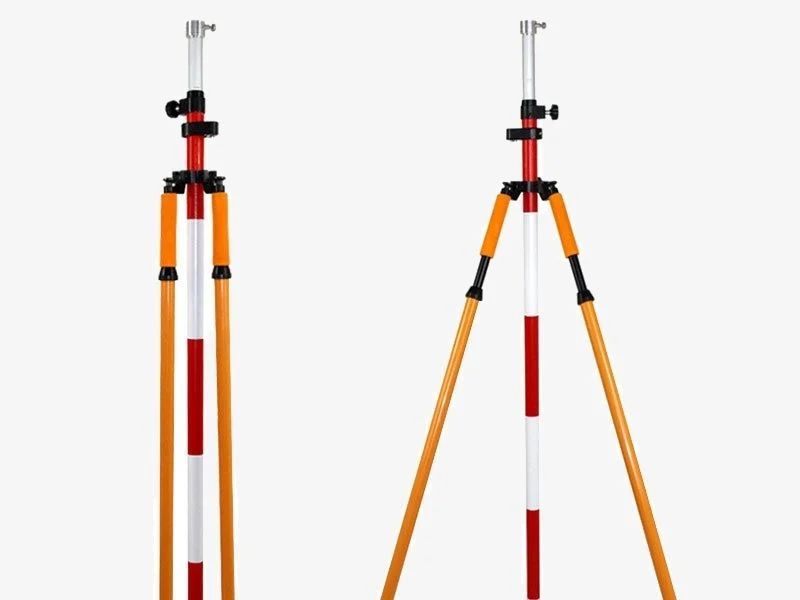
What a Survey Pole Must Hold Steady — and Which Layer We Supply
A survey pole holds a prism, GNSS receiver or leveling target at a known height over a point — the humble stick the whole measurement chain stands on (the type is as old as surveying itself).
The layer split matters in this trade: we supply the pole hardware — tubes, threads, clamps and graduation marking. Instrument-grade calibration, vials and accuracy claims stay with your brand, where the measurement liability lives.
Field duty writes the spec: a rover pole rides in a truck bed all week, gets clamped and unclamped hourly, and must hold section height with a receiver on top. Slop at any joint shows up in the data — which is why crews replace cheap poles fast and dealers reorder good ones for years.
Jiangsu Xingyong Aluminum Technology Co., Ltd — the factory behind poolpole.com — extrudes and anodizes the aluminum sections, machines the threads and clamps, and prints graduations to your artwork.
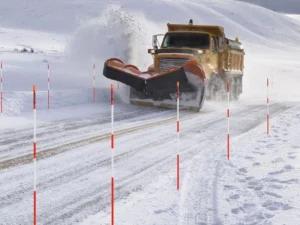
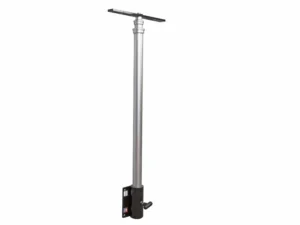
Adjacent site hardware has its own homes: roadside marking at driveway markers and site masts at telescoping light pole. This page is the surveying rod and pole program.
Survey Pole OEM Options — What You Can Spec, Line by Line
Send the instrument thread and height range first — the sheet fills from there. One factory owns tube, thread, clamp and marking, so a field-hardware SKU closes in one purchase order.
| Specification | OEM Options | Confirm Before Sampling |
|---|---|---|
| Pole build | Telescoping or fixed; heights per catalog class | Height range and collapsed target |
| Tube | Extruded 6063/6061, anodized; wall to field duty | Crew duty and transport reality |
| Instrument thread | Machined tips and adapters to the surveying standard you ship | Thread spec or a sample adapter |
| Clamping | Lever and twist clamp systems, molded in-house | Clamp feel and glove use |
| Graduations | Printed or laser-marked to your artwork and units | Marking drawing |
| Finish | Anodized — high-visibility colors per brand | Color codes |
| Plastic parts & assembly (in-house) | Clamp bodies, points and caps molded on site | Assembly level and QC plan |
| Packaging | Sleeves, dealer cartons, private label | Counts, barcodes and artwork |
| MOQ & lead time | Per configuration; sampling 7–15 days | Volumes and delivery windows |
Survey Pole Builds for How Your Dealer Catalog Sells
Field catalogs slice the pole three ways — the leveling rod, the prism pole and the stakeout stick. One extrusion and machining line behind them.
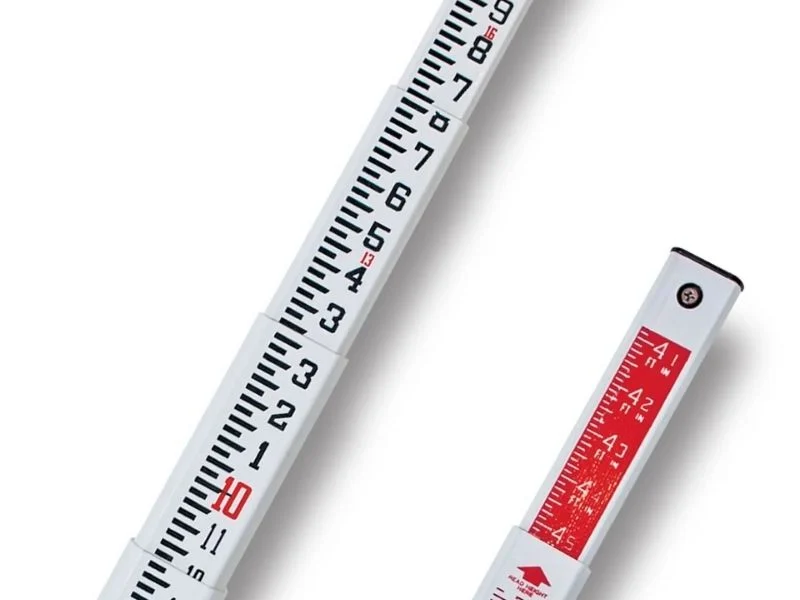
Leveling Rod
Graduated rods printed to your artwork and units — the volume SKU every dealer wall carries.
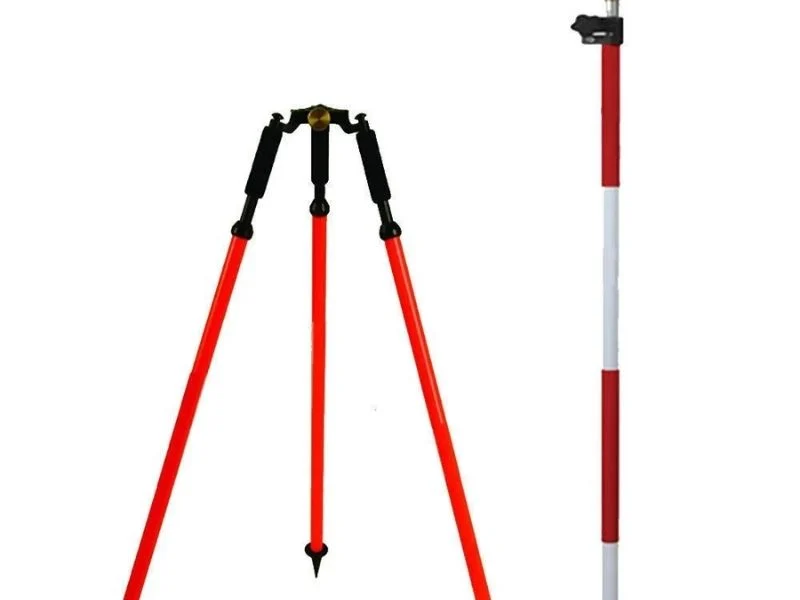
Prism Pole
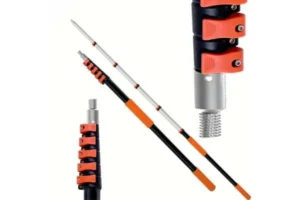
Telescoping poles with machined instrument threads, built to hold height with a prism on top.
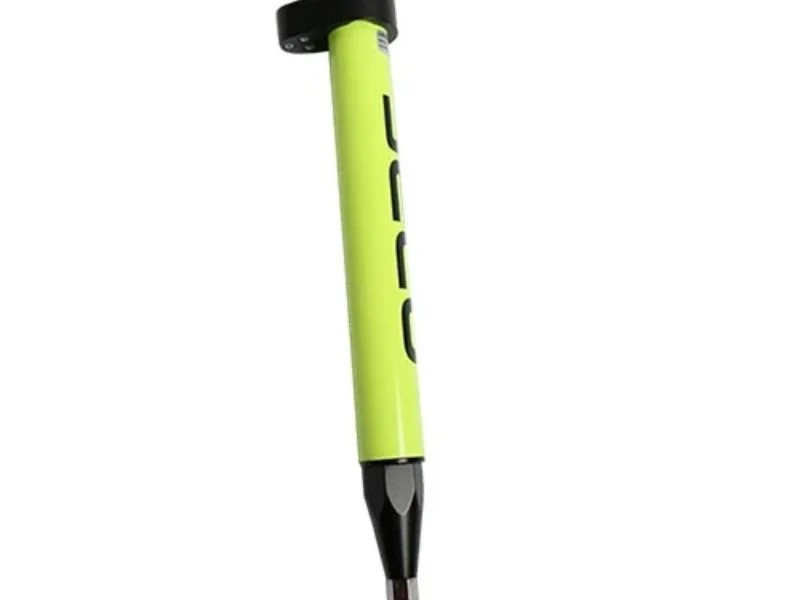
Stakeout Pole
The compact site stick — short builds with molded points for the daily stakeout grind.
Specs reflect aluminum field hardware from Jiangsu Xingyong (ISO 9001, since 2010); calibration claims remain with the brand.
Purpose-Built Survey Poles vs Painter-Pole Conversions vs Carbon Fiber Rods
A survey pole is measurement furniture — any slop becomes data error. The three ways field kits get built, honestly compared:
| Point | Purpose-built aluminum pole | Painter-pole conversions | Carbon fiber rods |
|---|---|---|---|
| Height repeatability | Clamps and graduations hold the set height | Slides under load | Excellent |
| Instrument mount | Machined thread, concentric | Adapters stack error | Excellent |
| Truck-bed life | Anodized; shrugs off site abuse | Fails at the first drop | Can crack on impact |
| Temperature behavior | Predictable, documented | Unknown | Excellent — the low-expansion premium tier |
| Catalog economics | Factory-direct entry and mid tier | Not field hardware | Premium tier — your top shelf |
Why Surveying Equipment Brands and Dealers Choose Xingyong for Survey Poles
A pole answers to the crew that clamps it hourly and the dealer who owns its returns. These four cards cover both. Building a field hardware catalog? See how we work with brands and distributors.
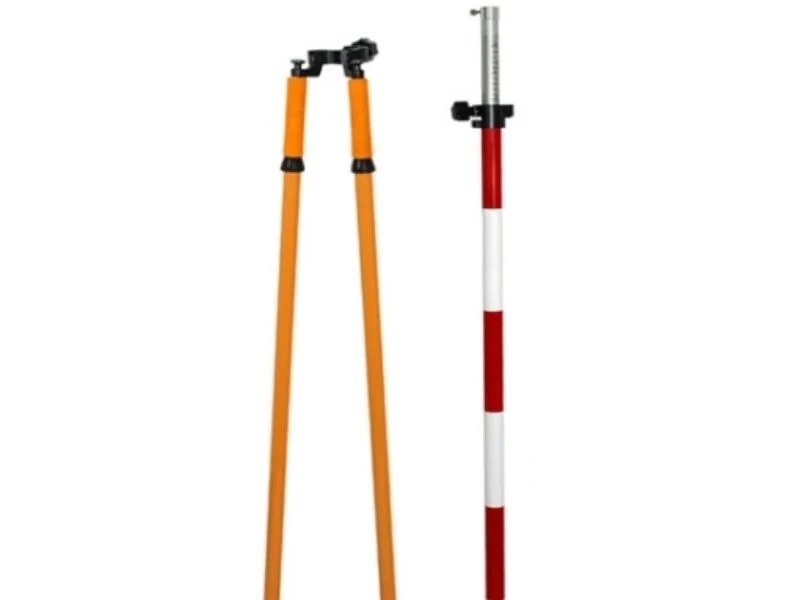
Survey Poles That Hold Height With an Instrument on Top
- Clamp force and section fit engineered as dimensions, not luck.
- Anodized sections survive the truck bed and the stake bag.
- For dealers: the pole that stops sliding stops coming back.
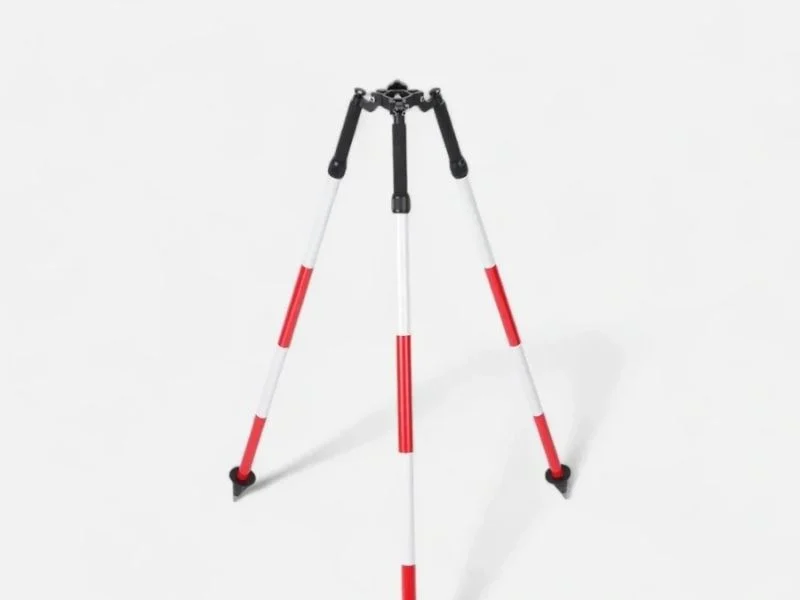
Threads, Clamps and Points From One Factory
- Instrument threads machined in-house; clamp bodies molded beside the press.
- An adapter change is a tooling tweak, not a supplier search.
- Building the catalog? Start at brands & distributors.
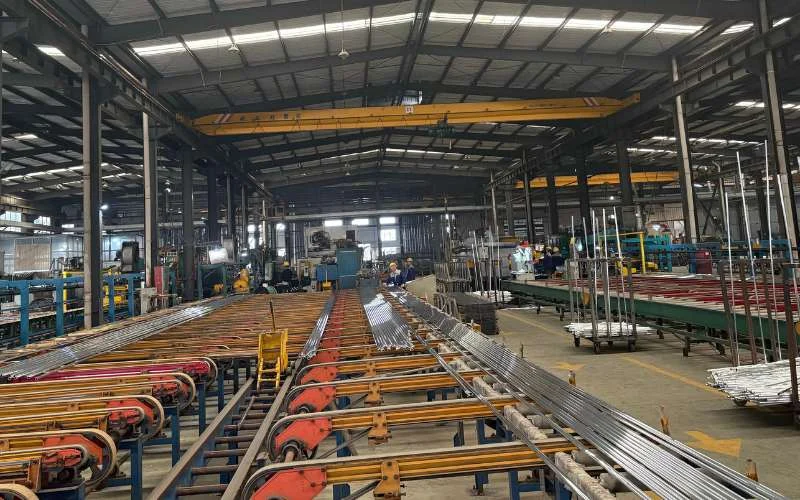
The Factory That Extrudes and Machines Your Survey Poles
- A 2,000-ton extrusion press with CNC machining in the same plant.
- Program volumes from 120,000 to 1.6 million pieces per order.
- Graduation marking runs in-line, not at a second vendor.
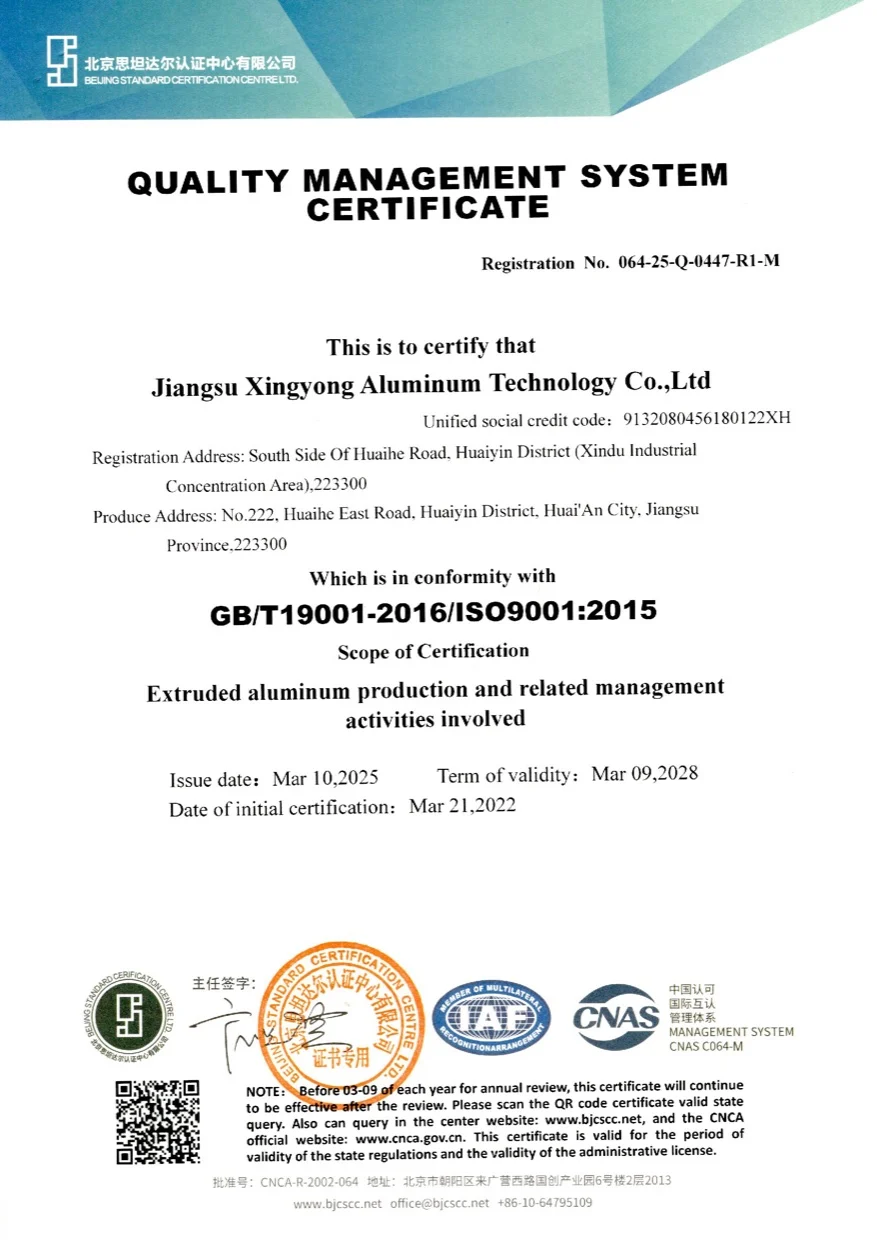
ISO 9001 — Send a Thread Spec for Free Sample Poles
- ISO 9001 / 14001 / 45001 / 50001.
- Free samples against a confirmed spec in 7–15 days.
- Certificates are public on the compliance page — audit before you commit.
Claims map to aluminum field hardware from Jiangsu Xingyong (ISO 9001, since 2010); calibration claims remain with the brand.
Case Studies From the Same Machining Floor
Field-hardware buyers qualify factories on shipped precision. Three programs from the same floor:
Frequently Asked Questions
Six answers for the people who own a surveying hardware catalog — brand managers, dealer buyers and importers. Need one pole for Monday’s site? A survey supply dealer is faster; this desk is for their suppliers.
Do you supply prisms, levels or GNSS mounts?
No — instruments and calibrated accessories are your side of the catalog. We supply the pole layer: tubes, machined instrument threads, clamps and graduation marking to your artwork. Accuracy claims stay with the brand, where the measurement liability lives.
Can you machine to our instrument thread standard?
Yes — send the thread spec or a sample adapter. Tips and adapters are machined in-house and held concentric, so instruments seat square pole after pole. Sampling runs 7–15 days.
Our field poles slide under receiver weight — what changes?
Clamp engineering: lever and twist clamps are molded to the tube they grip, and holding force is specced against instrument weight plus field handling. Set height stays set — that is a design number, not a habit crews must learn.
Can graduations run in our units and layout?
Yes — feet, meters or dual, printed or laser-marked to your artwork. Marking runs in-line at the factory, so a graduated leveling rod ships as one finished SKU.
How is an OEM survey pole priced at volume?
By build (telescoping or fixed), height range, thread and clamp machining, marking and volume. Factory-direct pricing follows aluminum billet. Quotes return within 24 hours.
What is the MOQ for a private-label field pole line?
Set per configuration — one clamp tooling serves prism, rover and stakeout builds together, keeping entry volume workable for a dealer catalog. Free sample poles ship against a confirmed spec.
Technical Guides for Survey Pole Buyers
A field pole locks thread, clamps and marking before the first crew clamps it. These three reads cover the platform decisions first.
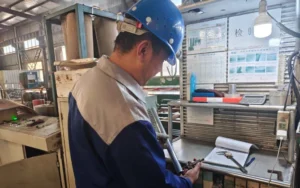
Multi-Section Telescopic Pole Design
Multi-section design in depth — the joint math a telescoping rover pole rides on.
What Is CNC-Machined Aluminum?
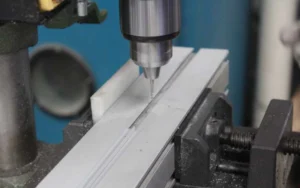
The machining vocabulary — how instrument threads and clamp seats actually get made.
Aluminum Alloy Grades Explained
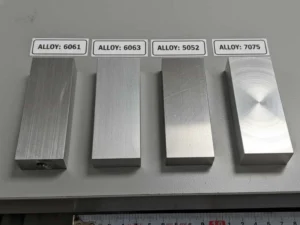
6063 and its neighbors — what the alloy number on your pole spec actually buys.
Start Your Survey Pole Program
One email starts it: instrument thread, height range, clamp preference, marking artwork and annual volumes. Engineering reads it the same day and the quote is back within 24 hours.
 English
  Español
  Français
  Deutsch
  Português