
Fabricante de disipadores de calor de aluminio personalizados en China
Optimize your thermal management systems with Xingyong, a leading expert in aluminum heat sinks. Our integrated extrusion factory delivers high-performance heat sink profiles built for LED lighting, inverters, CPU cooling, automotive, and industrial applications.
- ✓14 extruders producing diverse heat sink profiles — 3,000-ton monthly output
- ✓Advanced CNC and anodizing for ready-to-use custom heat sinks
- ✓ISO-certified China factory delivering durable heat sinks worldwide
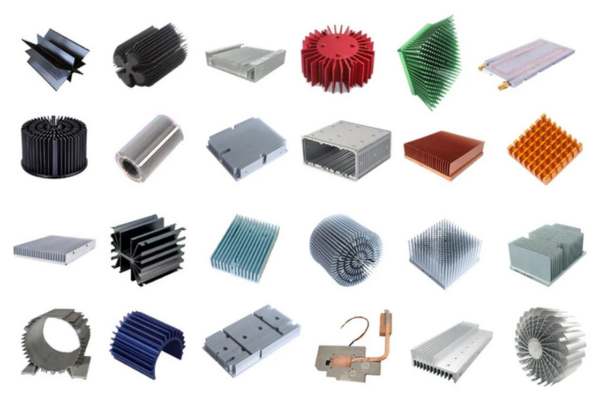
What Are Aluminum Heat Sinks?
Aluminum heat sinks are metal cooling devices used to stop electronics from overheating. They work by absorbing heat from hot parts — like computer chips or LED lights — and releasing it into the air. Manufacturers choose aleación de aluminio because it is lightweight, affordable, and has excellent thermal conductivity.
These parts often feature fins to increase the surface area, which helps cool things down faster. From simple extruido aluminum heat sinks to complex anodizado shapes, they are essential for keeping your devices safe and efficient.
| Atributo | Detalle |
|---|---|
| Nombre del producto | Disipadores de calor de aluminio extruido personalizados |
| Material / Aleación | Serie 6000: 6063, 6061, 6005, 6082 (T5/T6) |
| Proceso de fabricación | High-Precision Hot Extrusion (350 T – 2000 T Press) |
| Procesamiento profundo | Mecanizado CNC, taladrado, roscado, fresado, corte, punzonado |
| Formas de perfil | Diseño plano, redondo, cuadrado, peine, con aletas, aguja o personalizado |
| Dimensiones (CCD) | Max Circumscribing Circle Diameter up to 250 mm (Customizable) |
| Tratamiento de superficies | Anodizing, Sandblasting, Polishing, Powder Coating, Electrophoresis |
| Opciones de color | Plata, anodizado negro, dorado, azul, rojo o color personalizado |
| Longitud | Cutting to a specific length (Standard 3 m – 6 m or custom short pieces) |
| Estándar de tolerancia | Grado de alta precisión (GB 5237.1-2017, EN 12020-2, ASTM B221) |
| Conductividad térmica | ~ 201 – 210 W/(m·K) (Typical for 6063 / 6061 alloys) |
| Aplicaciones | Iluminación LED, Inversores, CPU, Automoción, Amplificadores de audio, Industrial |
Explora nuestra colección de disipadores de calor de aluminio
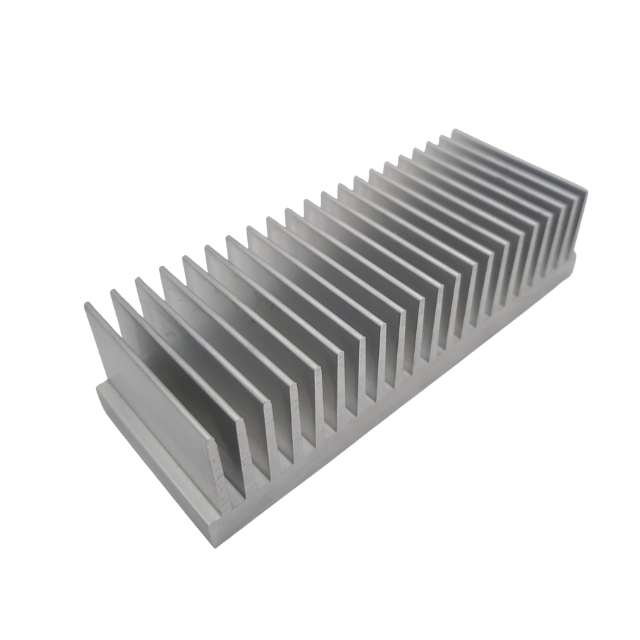
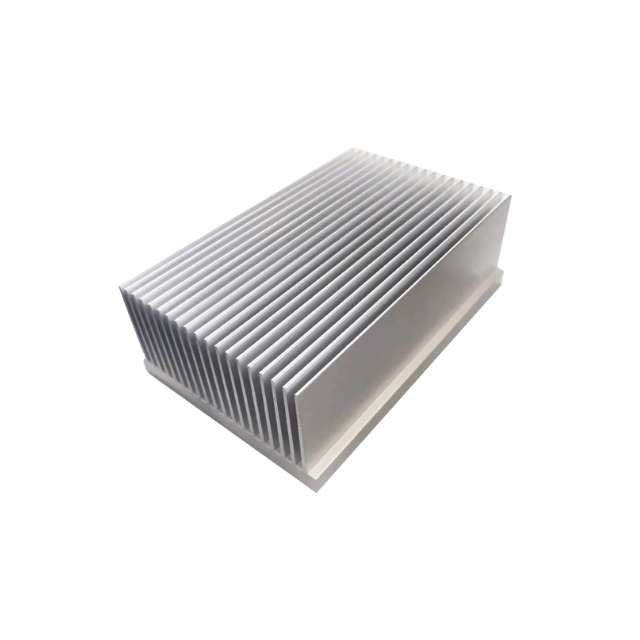
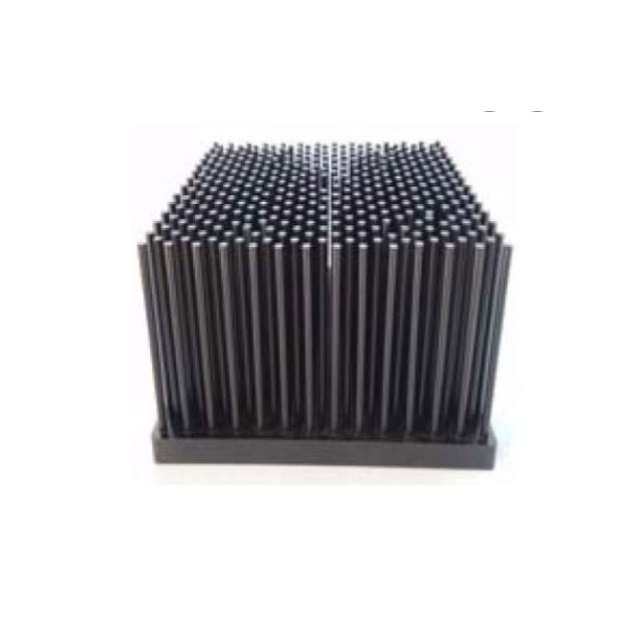
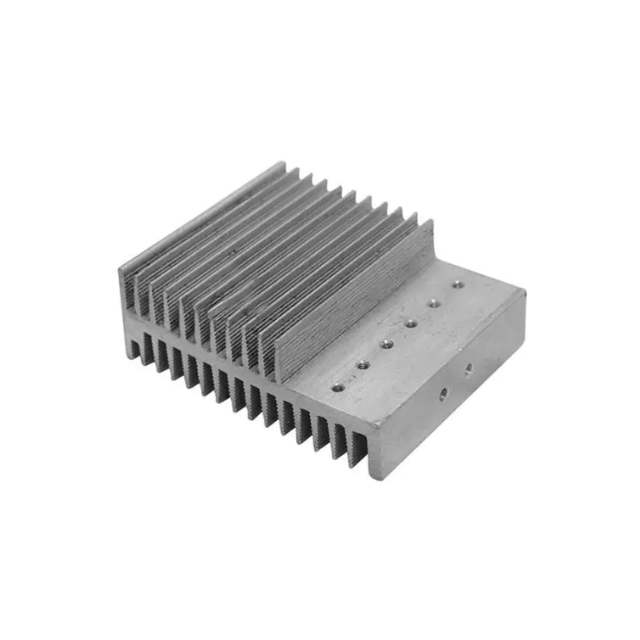
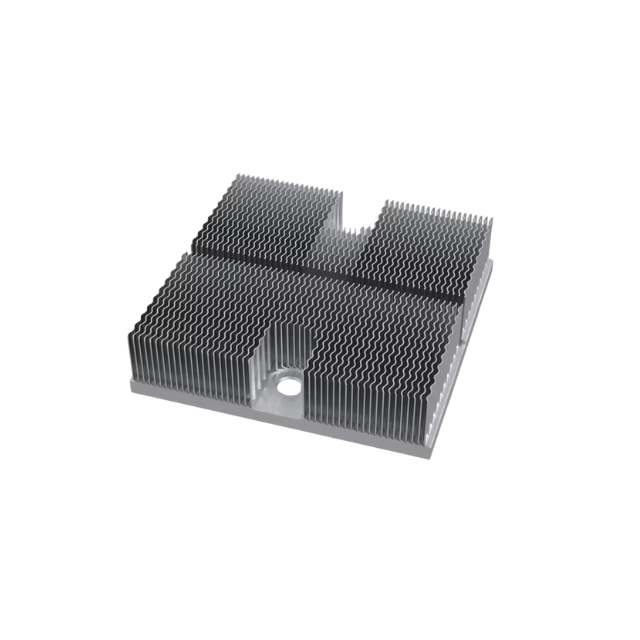
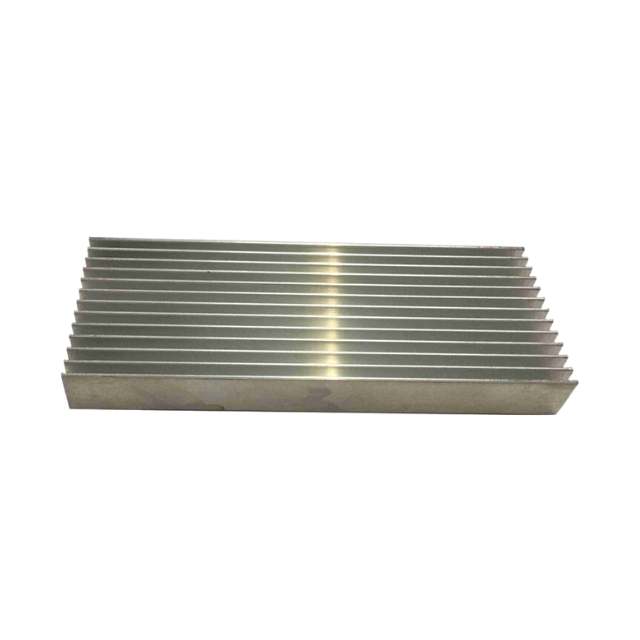
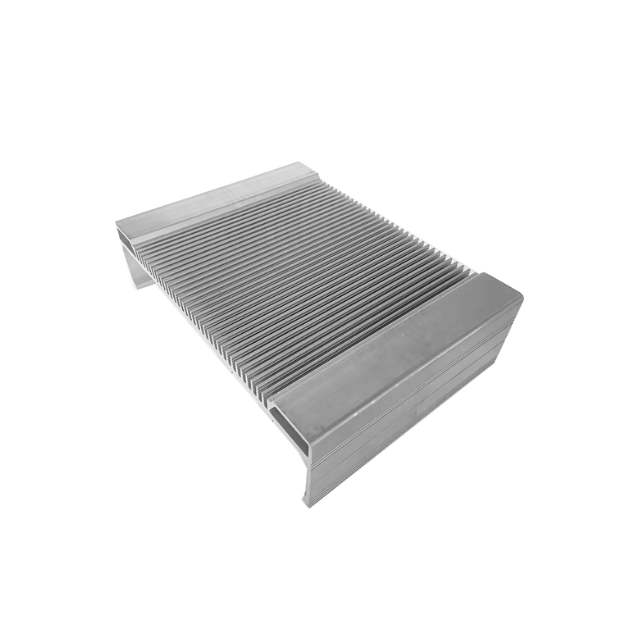
At Xingyong, we offer a comprehensive range of aluminum heat sinks categorized by structural design and specific industry applications. Whether you need standard profiles or specialized components, our factory delivers precision and scalability. Browse our classifications below to find the exact thermal solution for your project.
Disipadores de calor de aluminio por diseño y estructura
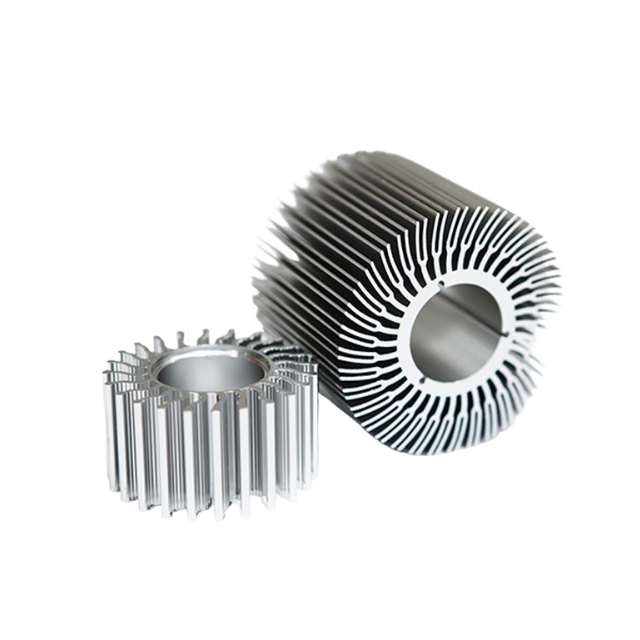
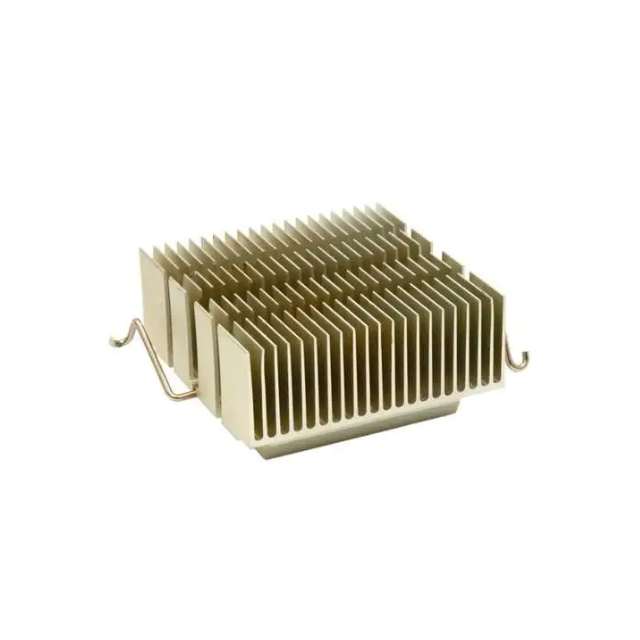
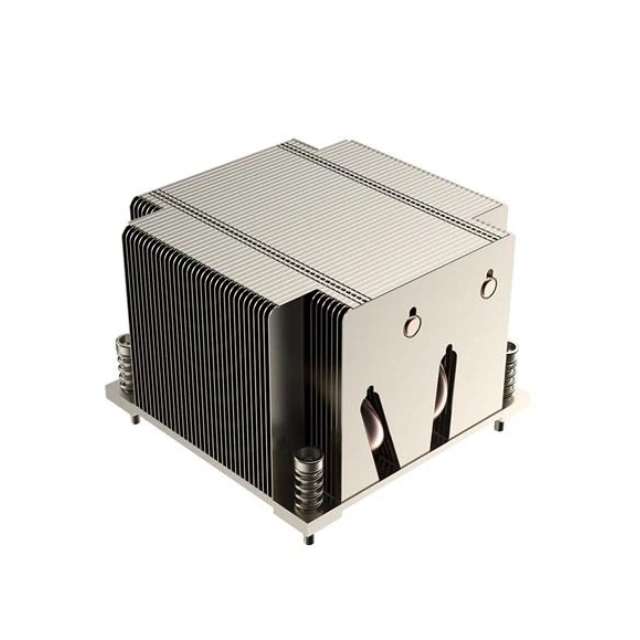
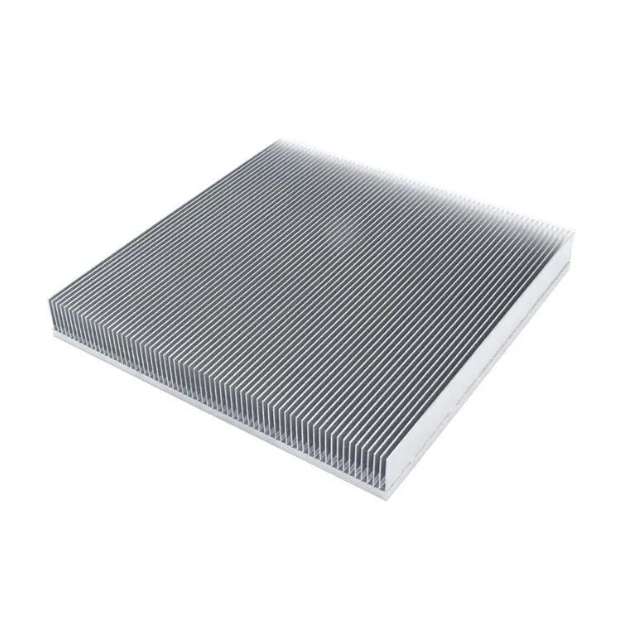
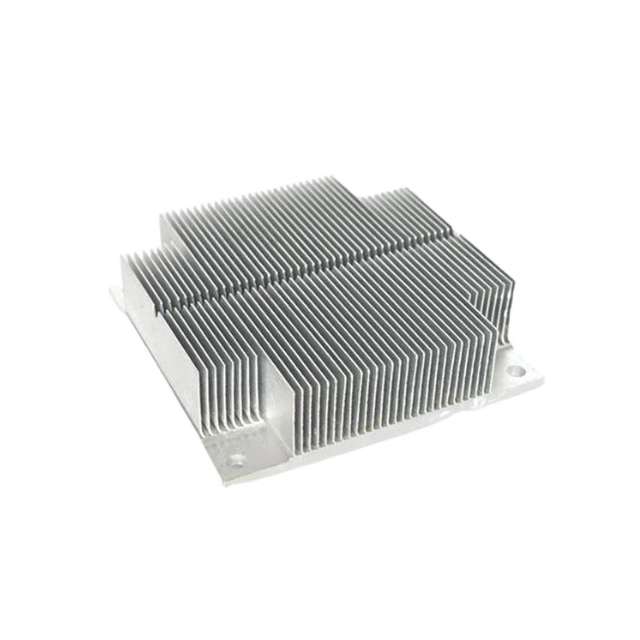
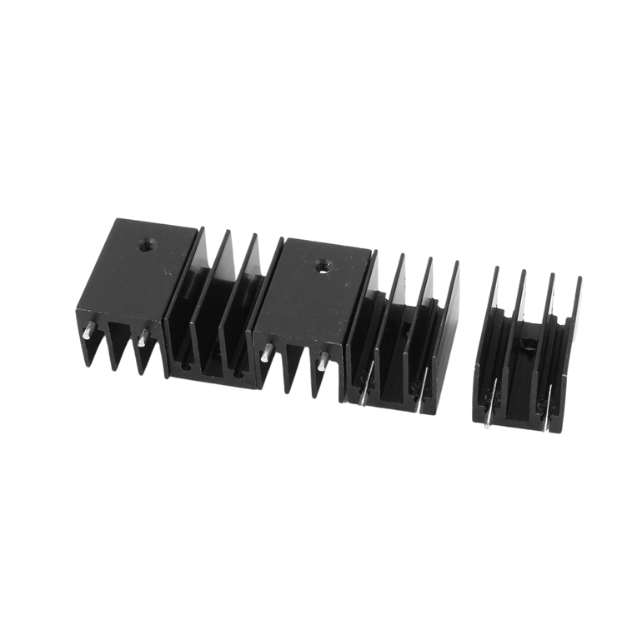
Disipador de calor de aluminio por aplicación
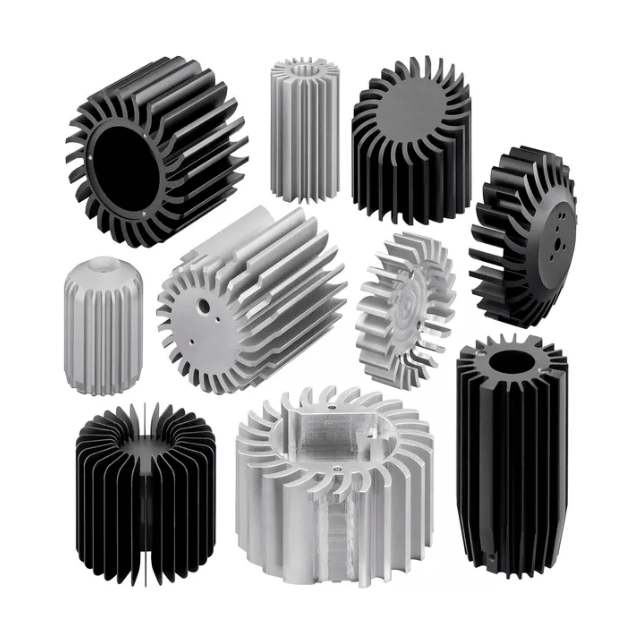
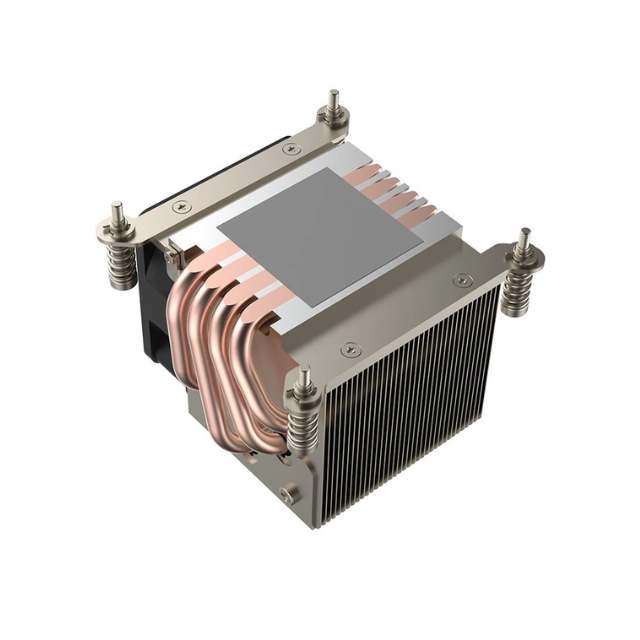
¿Por qué elegir los disipadores de calor de aluminio Xingyong?
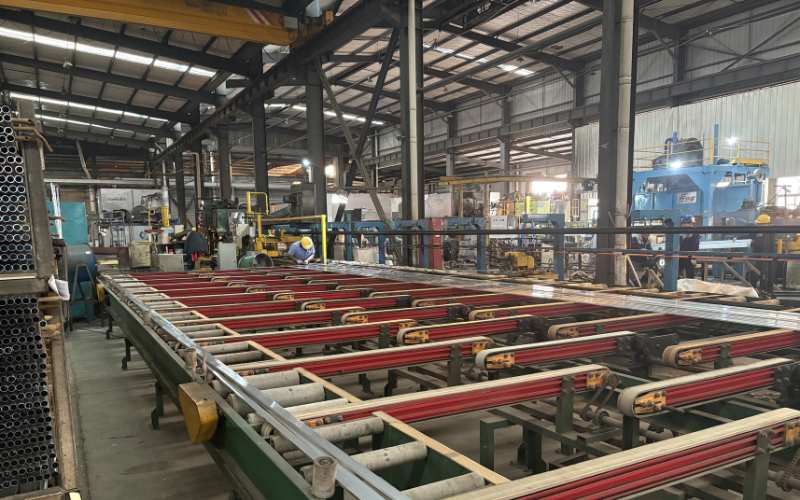
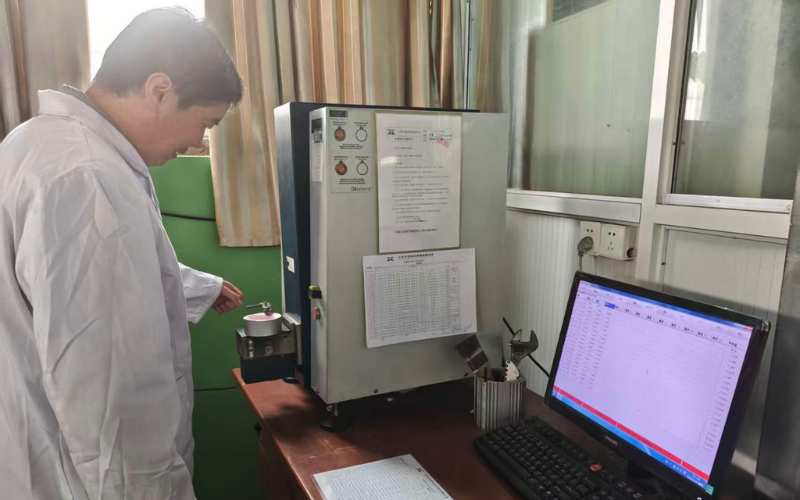
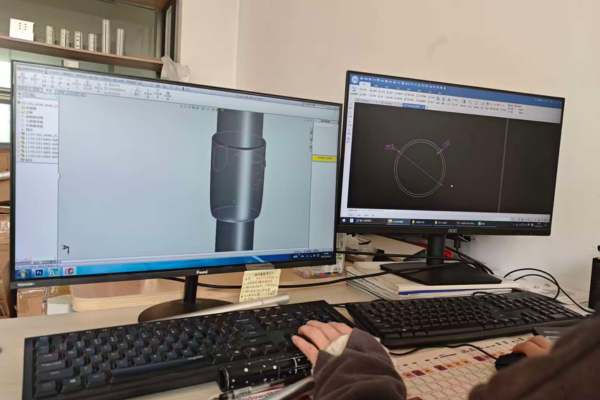
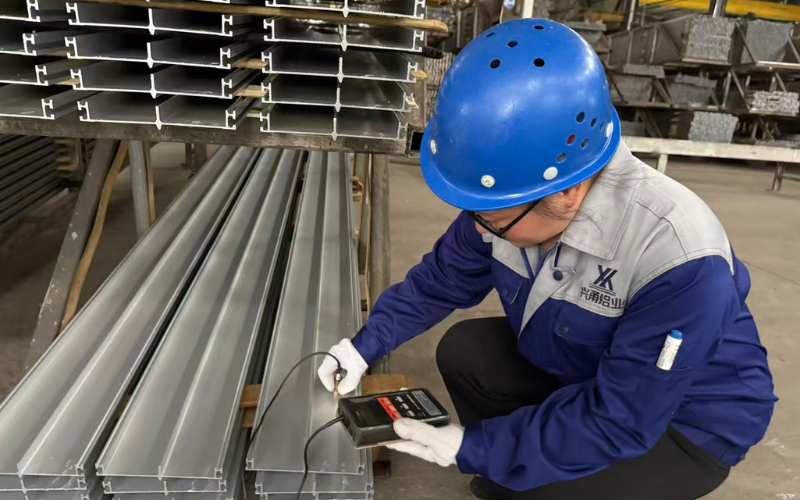
When you select Xingyong for your aluminum heat sinks, you are choosing a partner dedicated to precision and scale. Our factory transforms high-grade raw materials into superior extruded heat sink products designed for your specific electronic and industrial applications.
Preguntas frecuentes sobre disipadores de calor de aluminio
Disipadores de calor de aluminio vs. cobre: ¿cuál es mejor?
While copper offers higher thermal conductivity, aluminum heat sinks are generally preferred for most applications because they are significantly lighter and more cost-effective. Aluminum provides an excellent balance of performance and weight, making it ideal for automotive and consumer electronics where mass is a concern. Additionally, aluminum is easier to shape into complex finned heat sink designs compared to copper.
¿Por qué los disipadores de calor están hechos de aluminio?
Manufacturers choose aluminum primarily for its thermal properties and malleability. The metal effectively absorbs heat from electronic components and dissipates it into the surrounding air. Specifically, alloys like 6063 are standard because they can be easily formed into extruded heat sink profiles with thin fins, which maximizes the surface area needed for efficient passive cooling without adding excessive cost.
¿Cómo se fabrican los disipadores de calor de aluminio?
The most common manufacturing method is extrusion. In this process, a heated aluminum billet is pushed through a steel die to create specific cross-sectional shapes. This allows for the creation of continuous aluminum heat sink bar profiles that can be cut to length. After extrusion, the parts often undergo CNC machining to add mounting holes or precise features, followed by surface treatments like anodizing.
¿Es el aluminio un buen material para disipar el calor?
Yes, aluminum is an outstanding material for thermal management. It possesses high thermal conductivity, which allows it to transfer heat away from hot spots quickly. Furthermore, an aluminum PCB heat sink is naturally resistant to corrosion, durable, and non-magnetic. Its ability to be recycled also makes it an environmentally friendly choice for sustainable manufacturing.
¿Se pueden anodizar los disipadores de calor de aluminio?
Absolutely. Anodizing is a standard finish for these products. Beyond changing the color (often to black or blue), anodizing increases the surface hardness and corrosion resistance. Crucially, black anodized aluminum heat sinks often have higher thermal emissivity than bare metal, meaning they can radiate heat more effectively, further improving cooling performance in natural convection environments.
Productos relacionados con disipadores de calor de aluminio
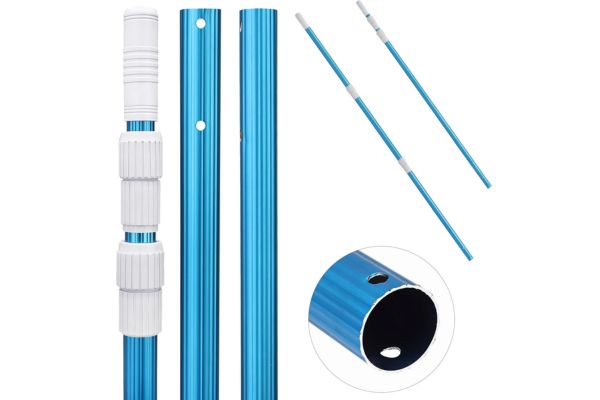
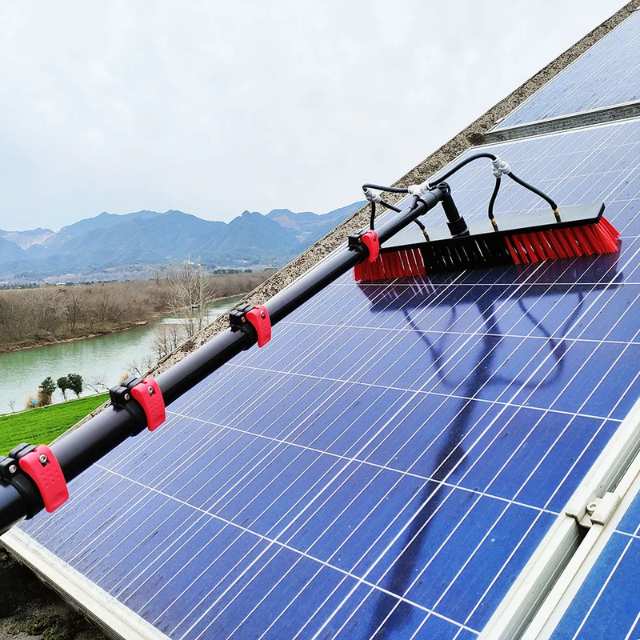
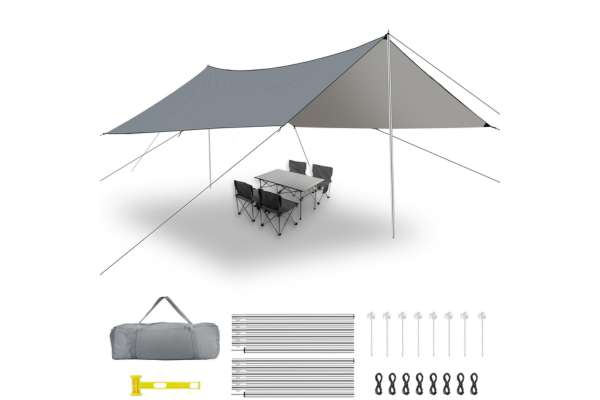
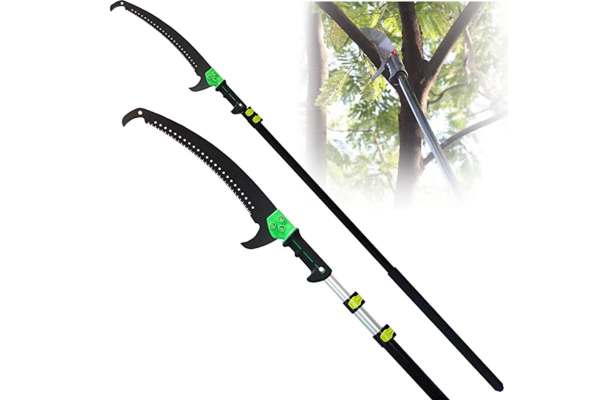
Beyond aluminum heat sinks, maximize your supply chain efficiency with our durable telescopic poles and aluminum tubes. Sourcing all your industrial profiles from Xingyong ensures consistent quality and reduced logistics costs.


 English
  Español
  Français
  Deutsch
  Português